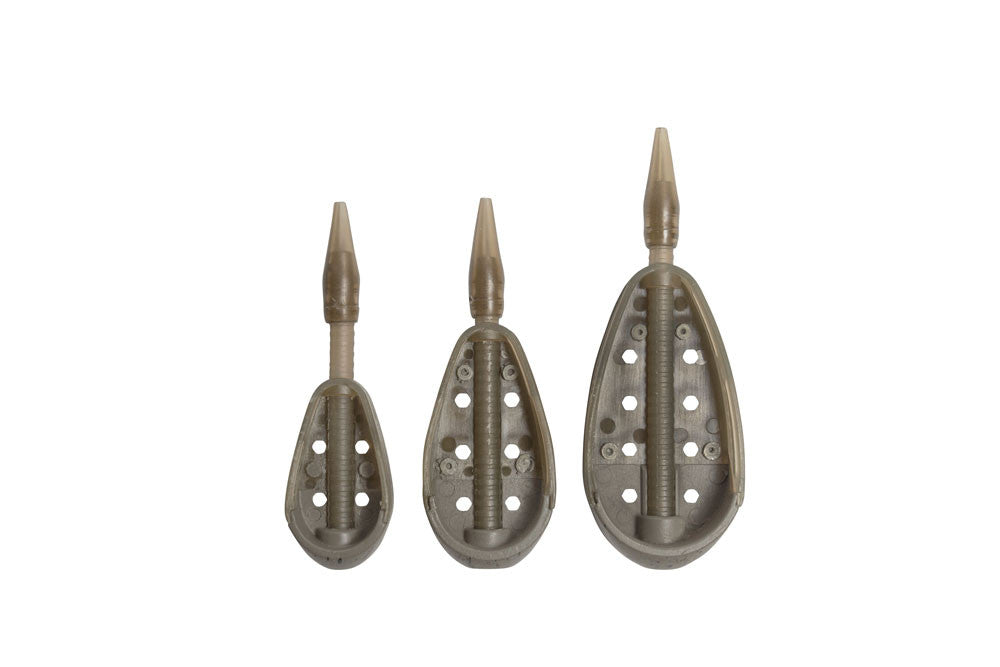
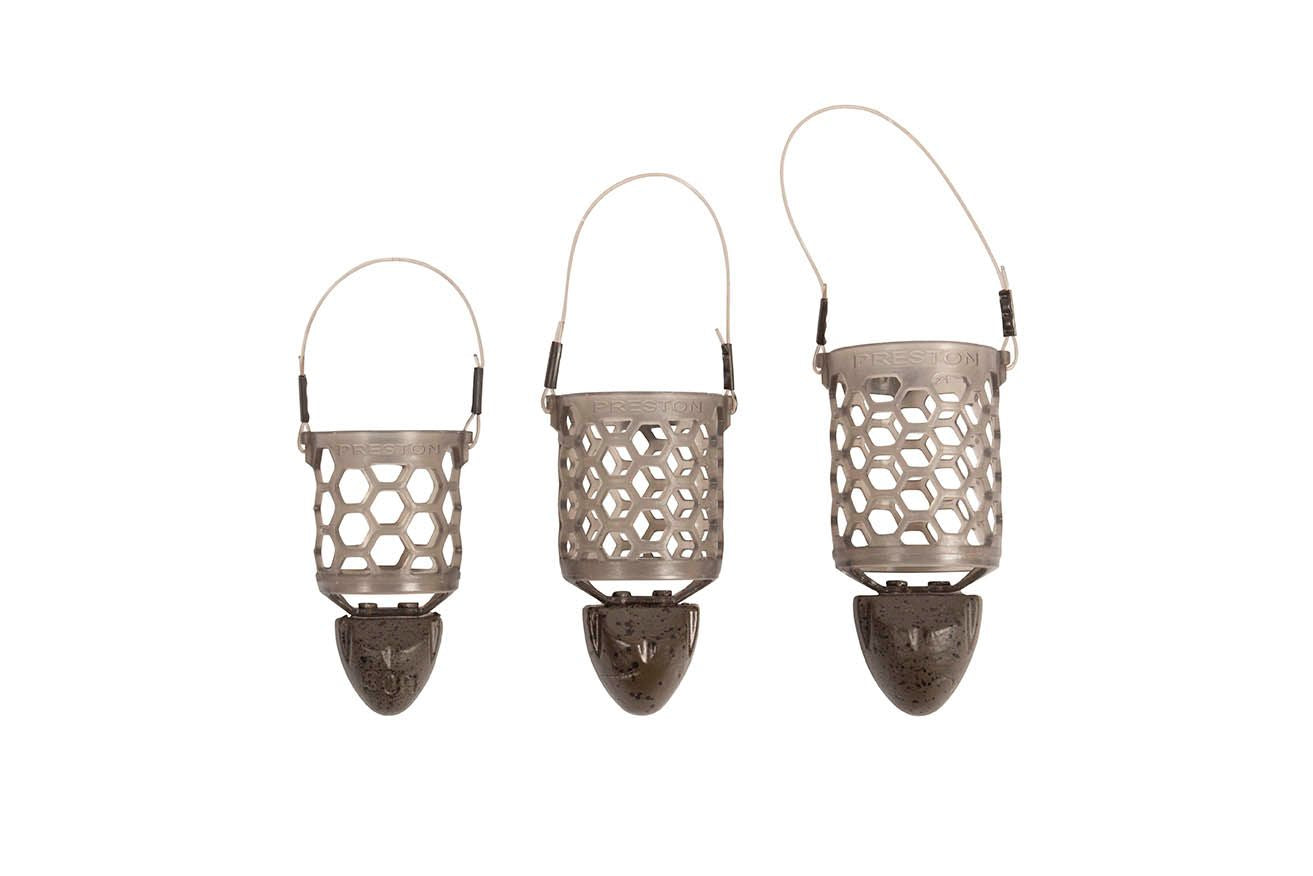
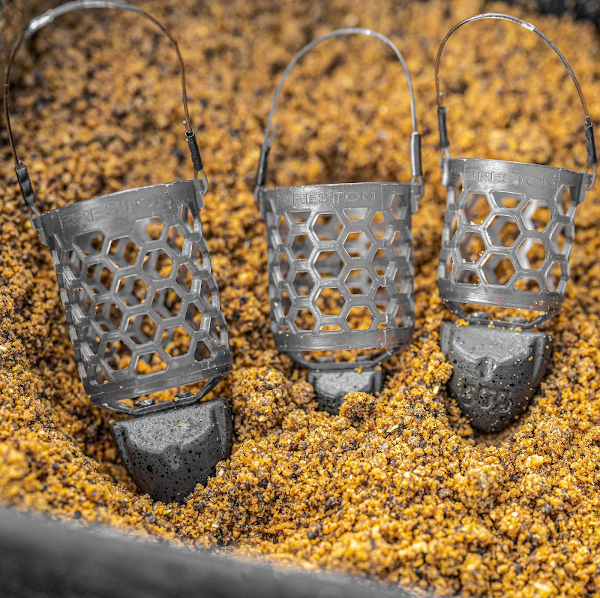
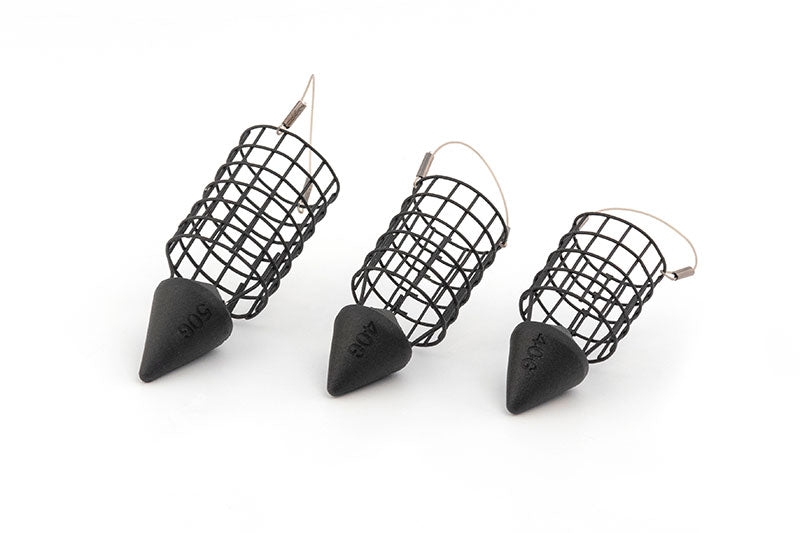
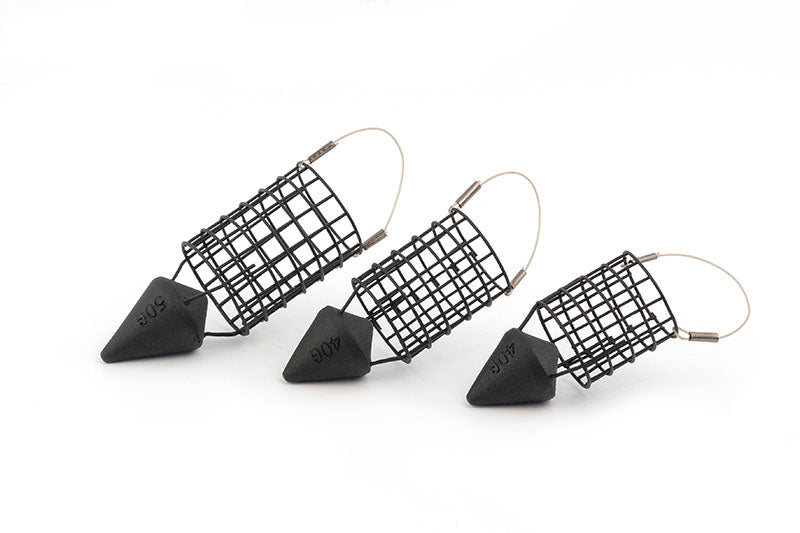
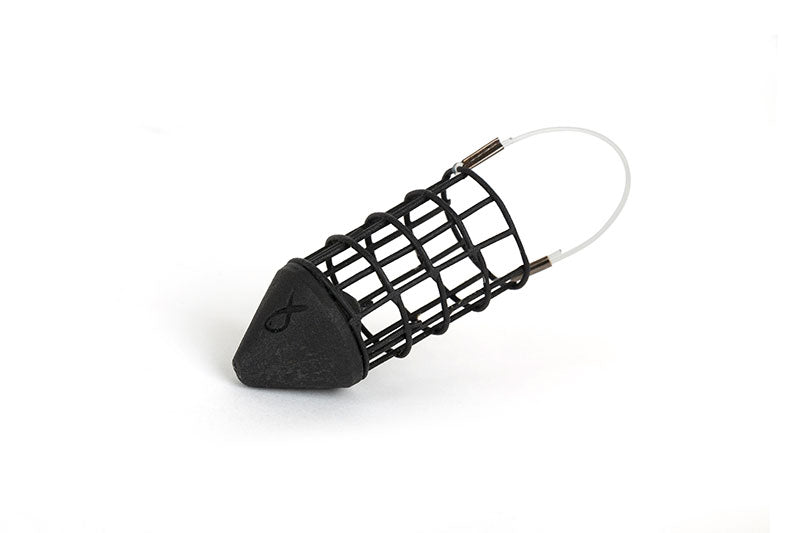
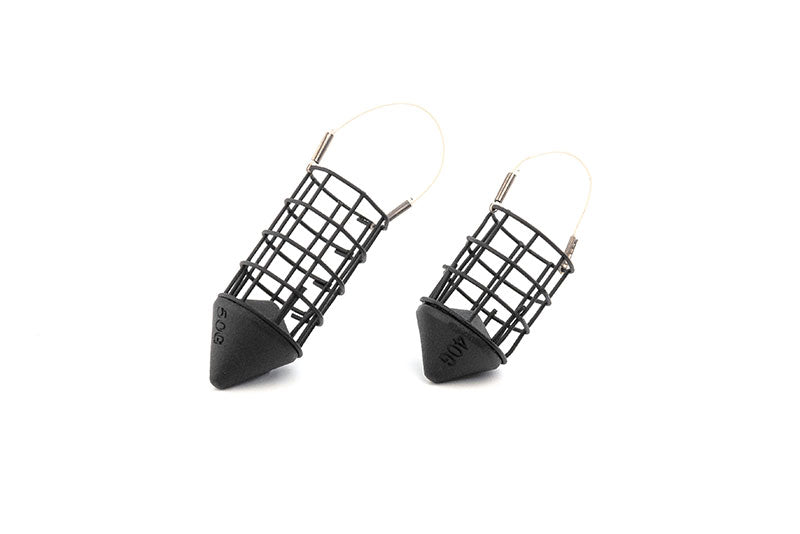
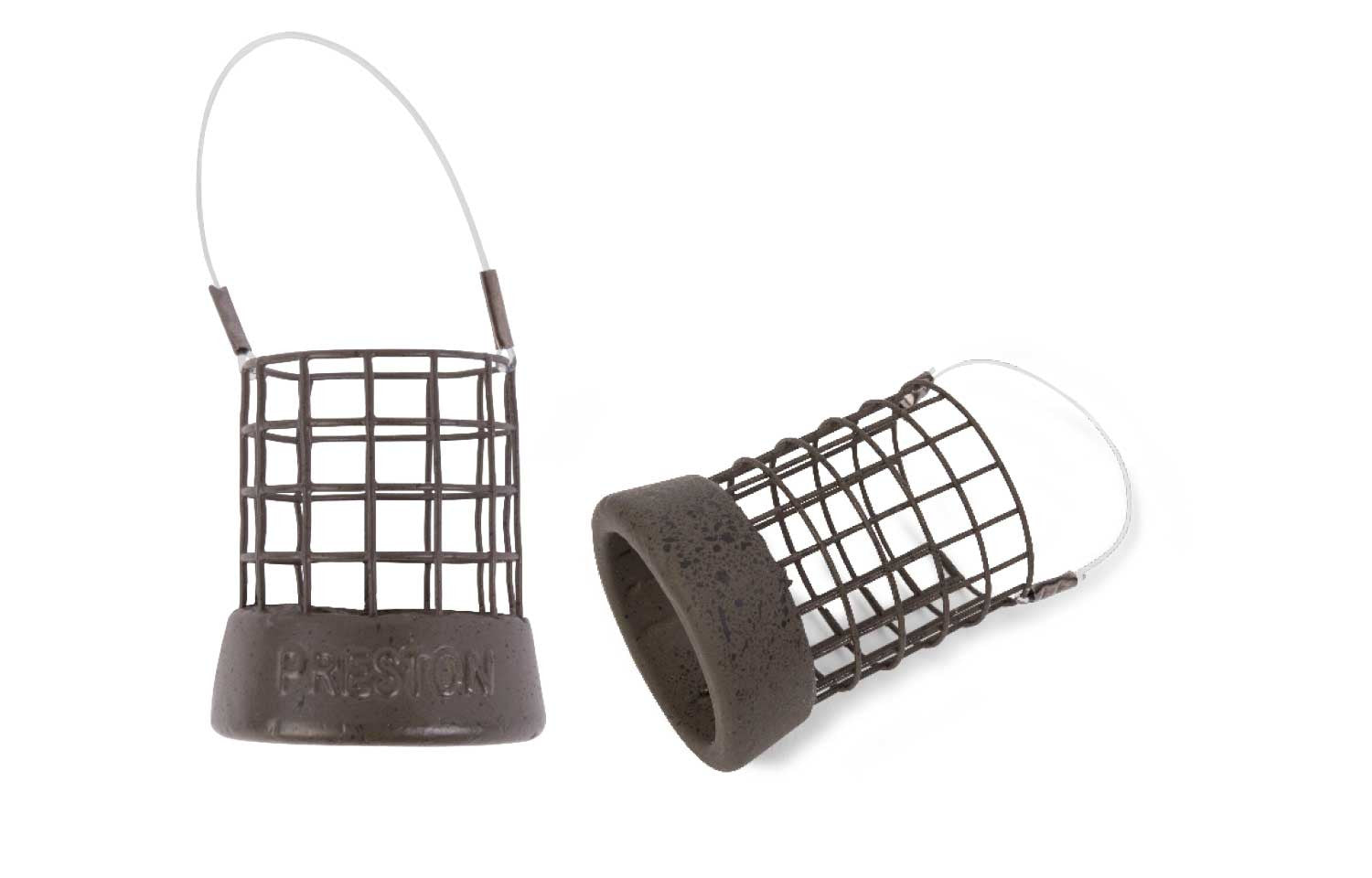
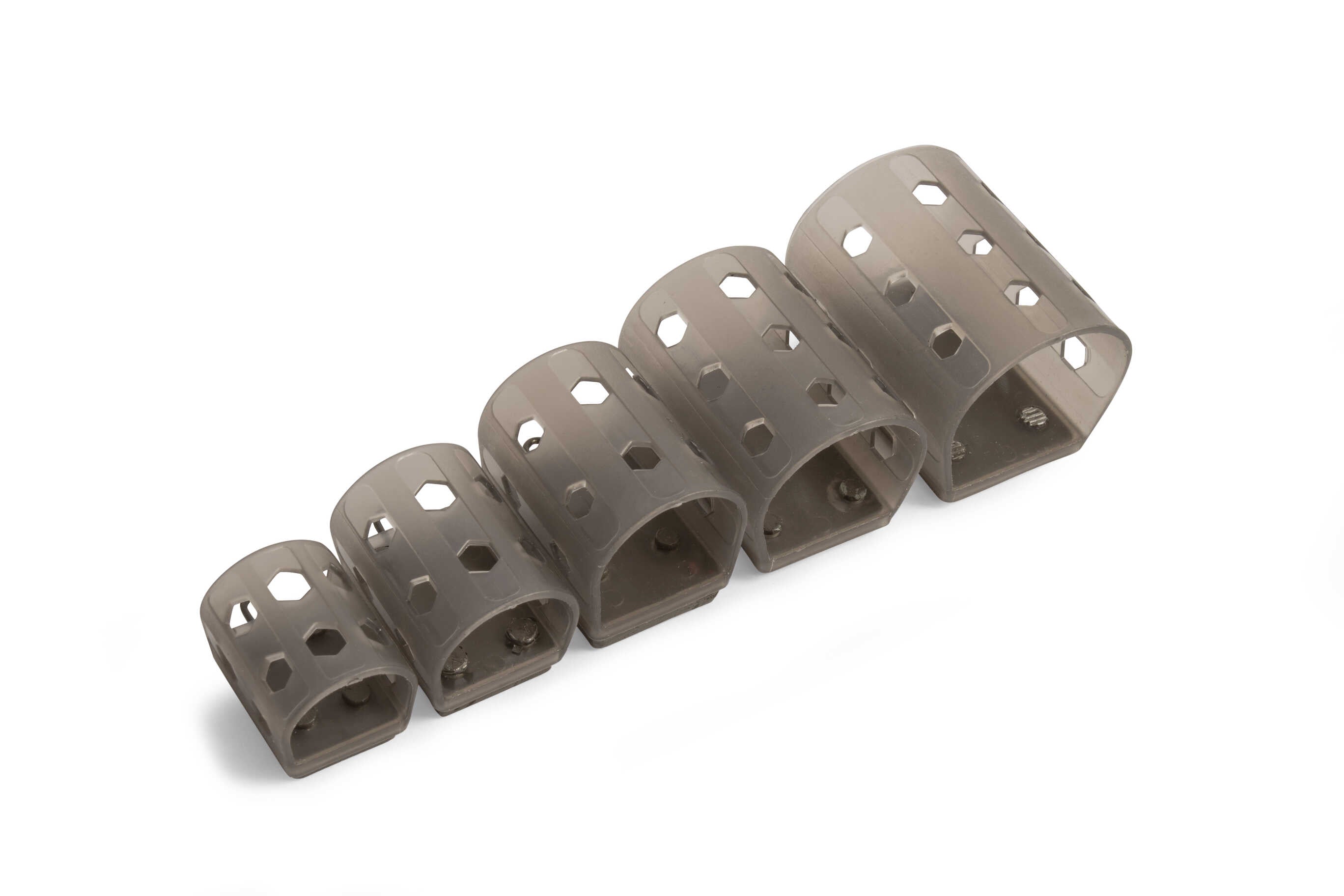
Distance feeders for accurate long-range casting
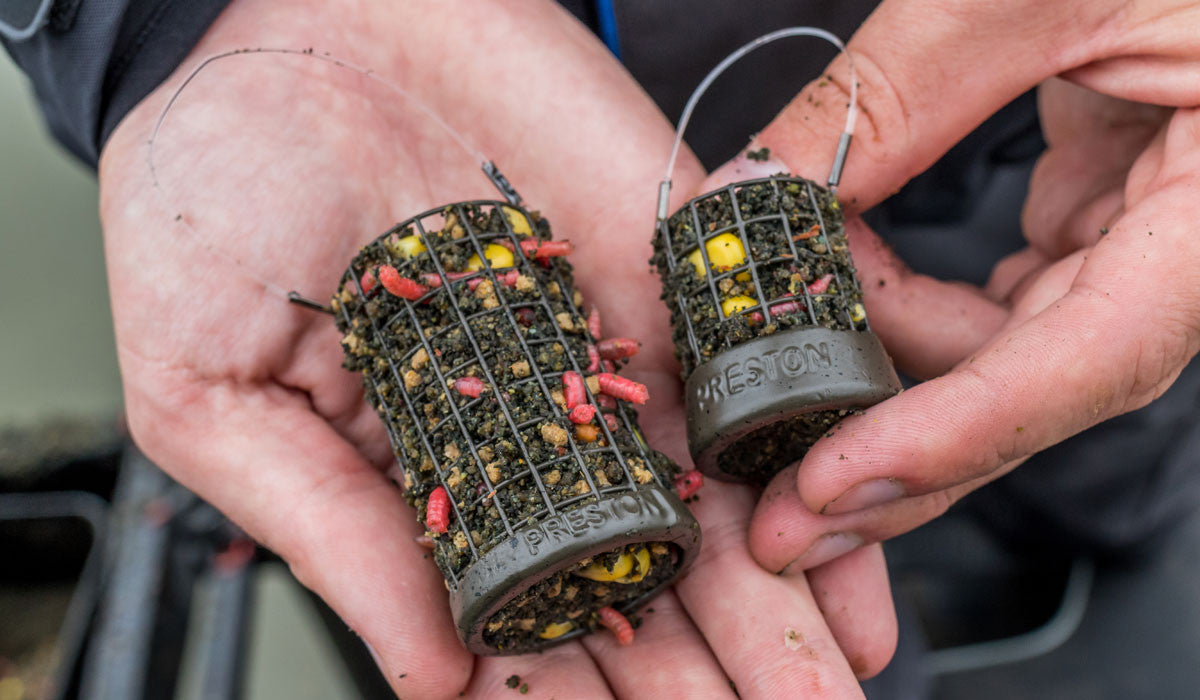
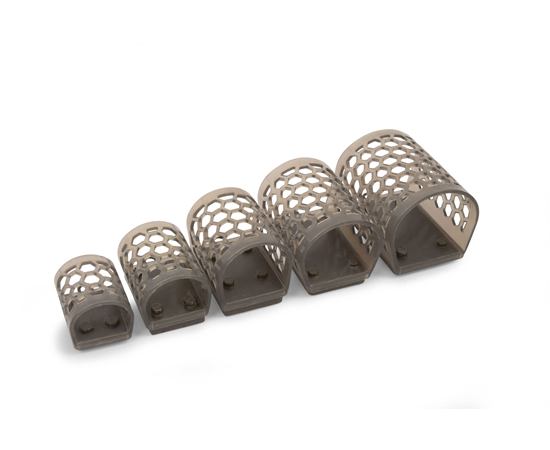
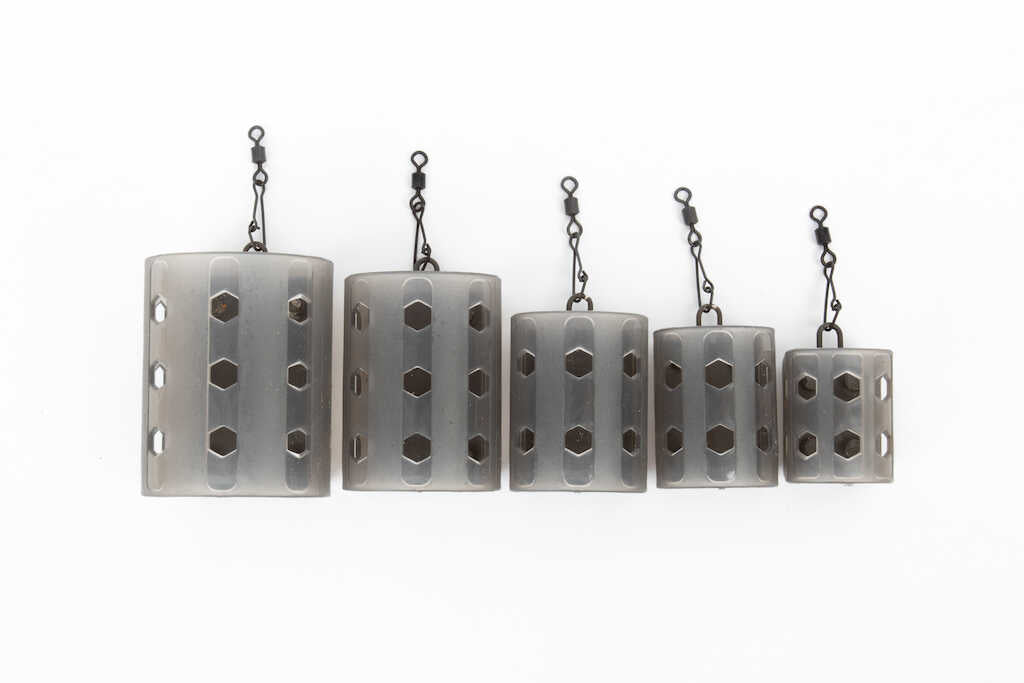
Distance feeders are shaped and weighted to remain stable in flight and carry bait to a repeatable target at range. A forward or concentrated weight can improve aerodynamic behaviour, while body size determines bait capacity. The complete loaded feeder must remain within the rod, line and casting system limits.
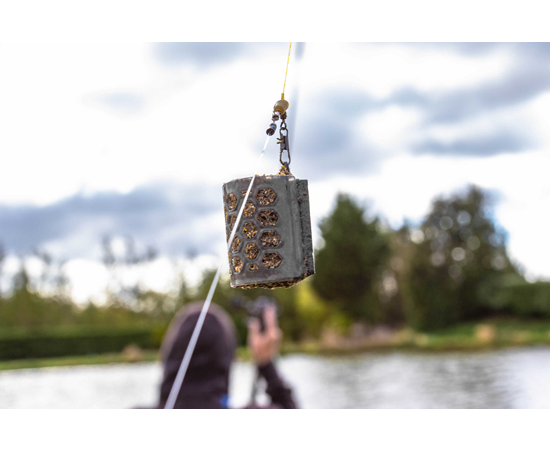
Long range magnifies small errors in casting angle, release timing and line control. A streamlined feeder helps, but it cannot compensate for an unsuitable rod, overloaded rig or inconsistent technique. Wind direction, line diameter and the height of the cast also affect accuracy and bow.
Browse the parent fishing feeders range, compare general cage feeders, use maggot feeders for live-bait release, or review method feeders for compact hook-bait presentation.
Choose weight, capacity and tackle
Select enough weight for stability and range without exceeding the rod's stated casting capacity. Include groundbait, pellets, hook bait and all terminal components in the load. A feeder that is safe when empty may become too heavy after packing, especially with wet mixes.
Match capacity to the feeding plan and retrieve frequency. A large body introduces more bait but creates greater resistance in flight and on retrieve. In current, a stable profile may matter more than minimum drag. Check the attachment eye and swivel for free movement without sharp contact.
Use suitable feeder rods and feeder reels with enough line capacity and controlled casting performance. Use a shock leader only when the load and method require one, tied with a knot that passes the guides reliably.
Build accuracy and check every cast
Mark or clip distance only after confirming the cast is safe for the line and conditions. Choose a far-bank reference, cast with a smooth acceleration and feather the line before impact. Avoid casting towards people, boats or occupied swims.
Inspect line, leader, clip, feeder body and weight after crack-offs, impacts or snags. Replace deformed or loose components. Follow venue rules on maximum distance, feeder material and safe rigs, and reduce range when wind or visibility prevents consistent control. Record the successful distance and load for repeatable future sessions.