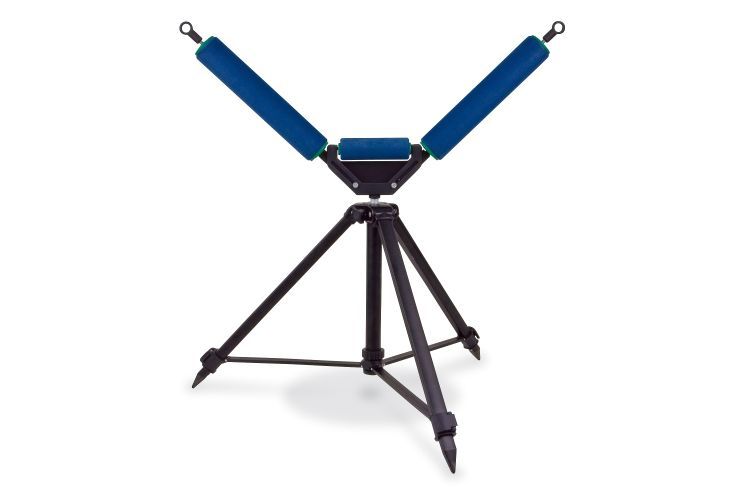
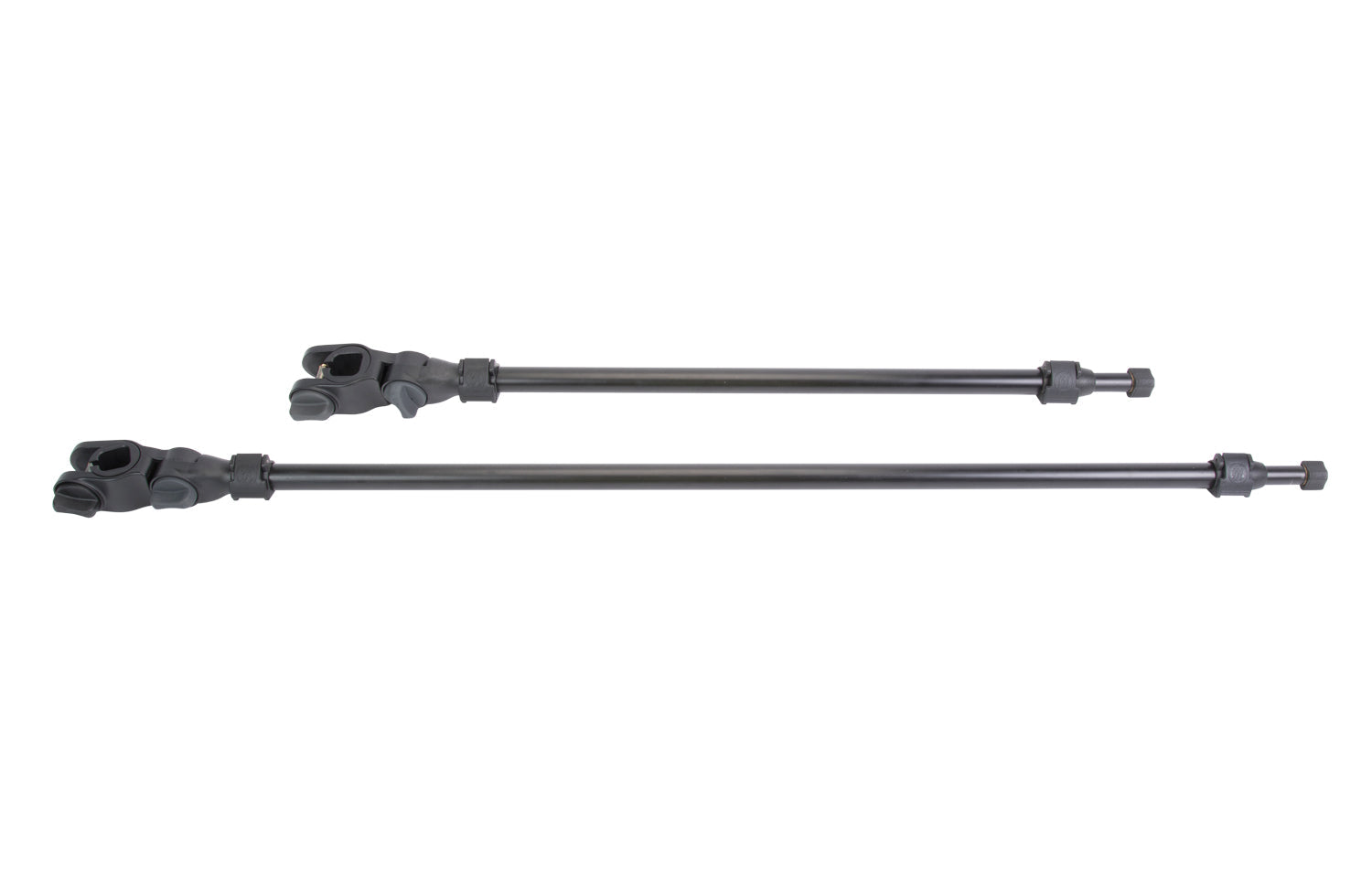
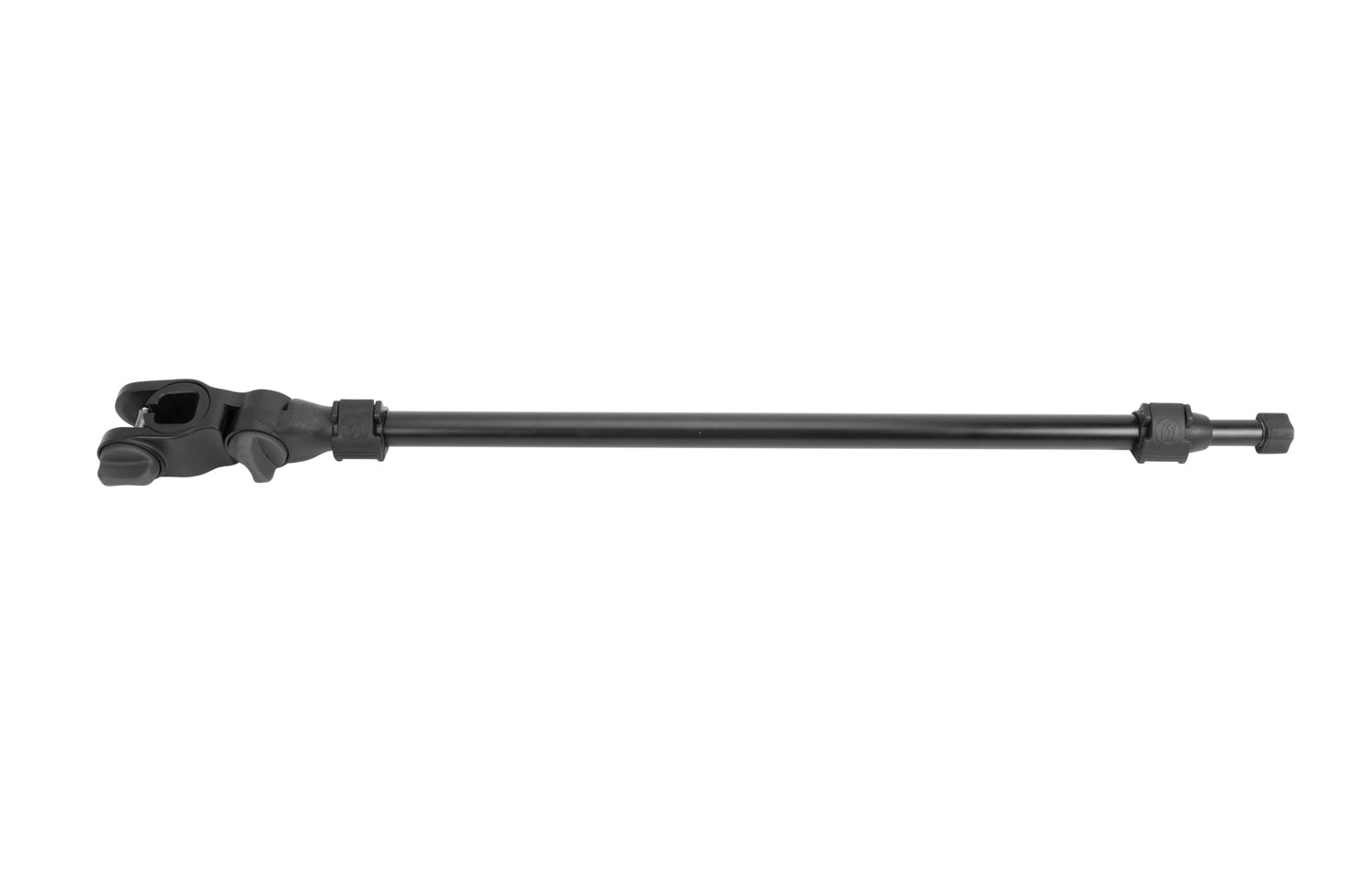
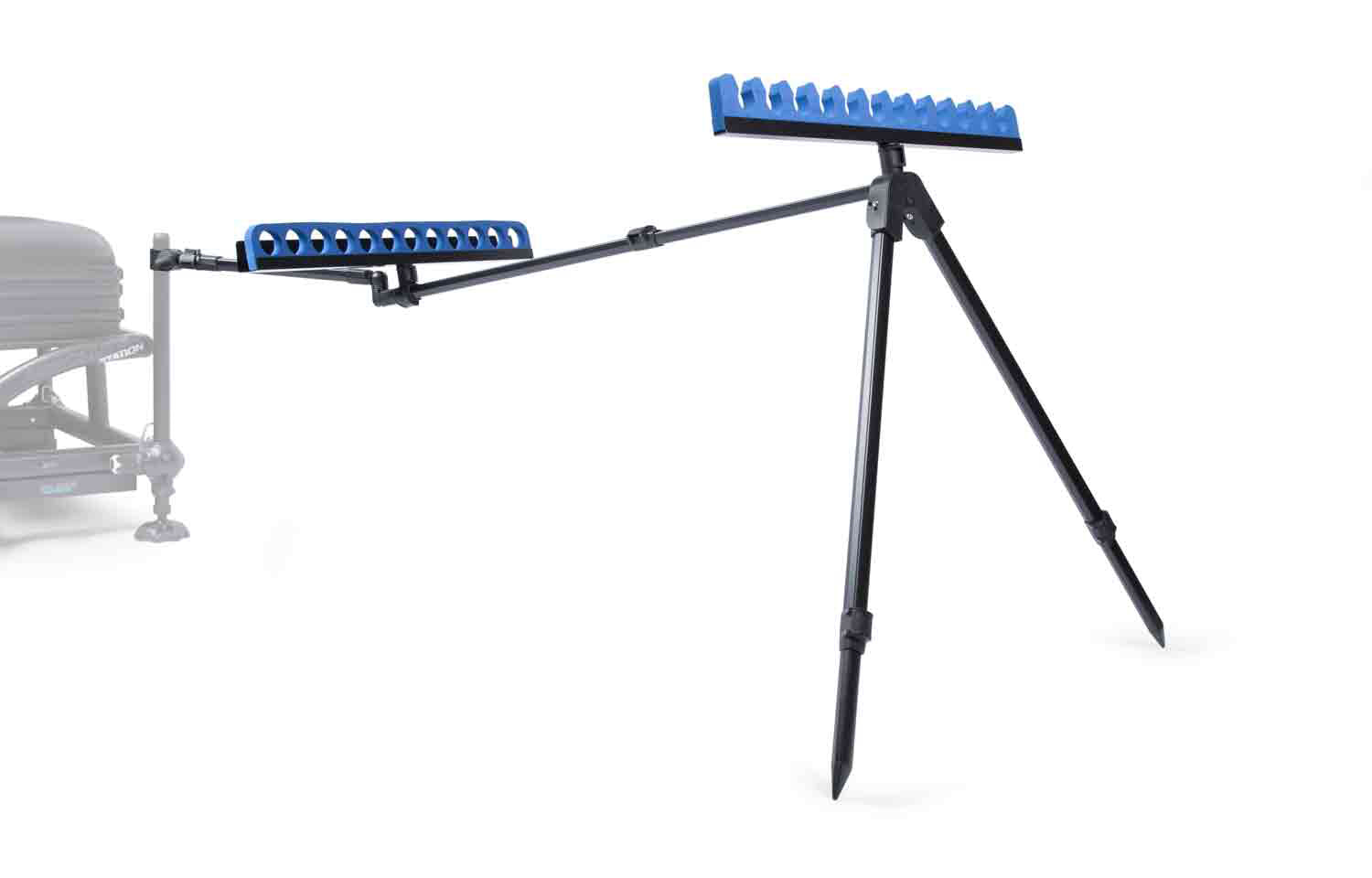
Fishing banksticks for rods and alarms
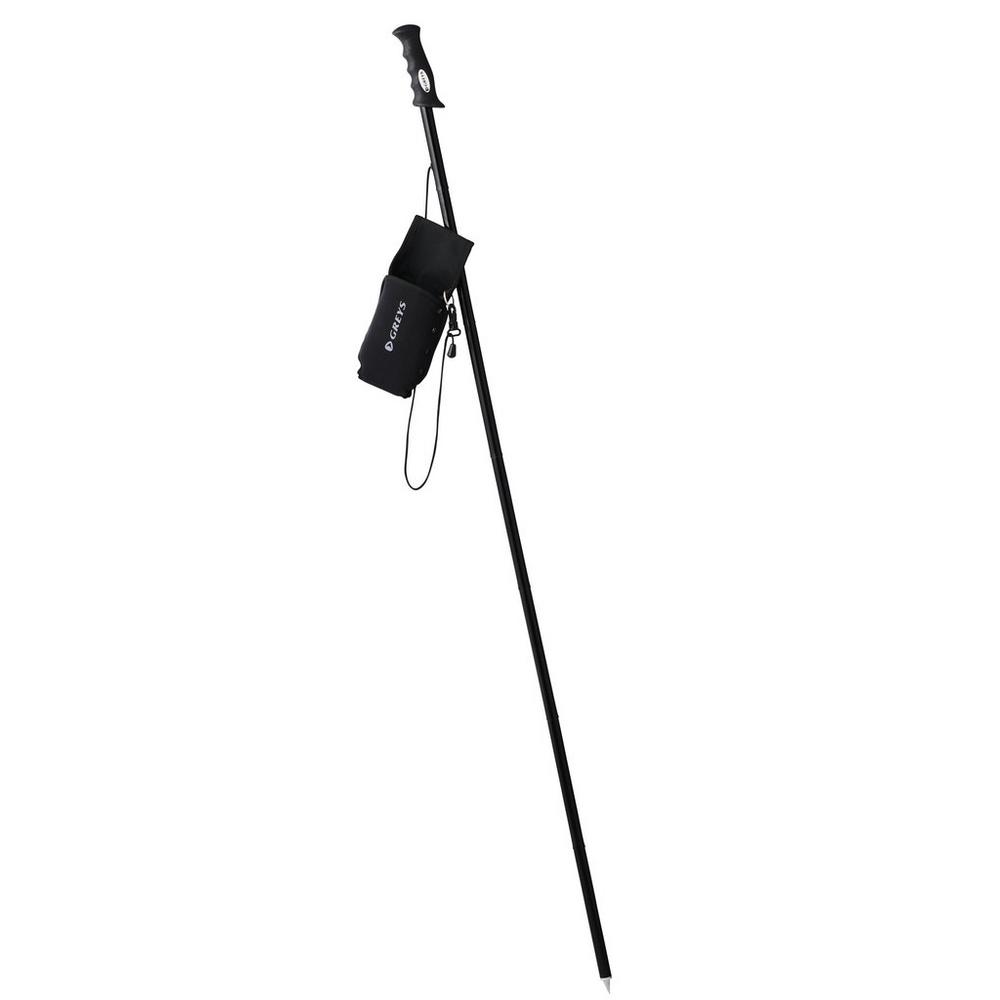
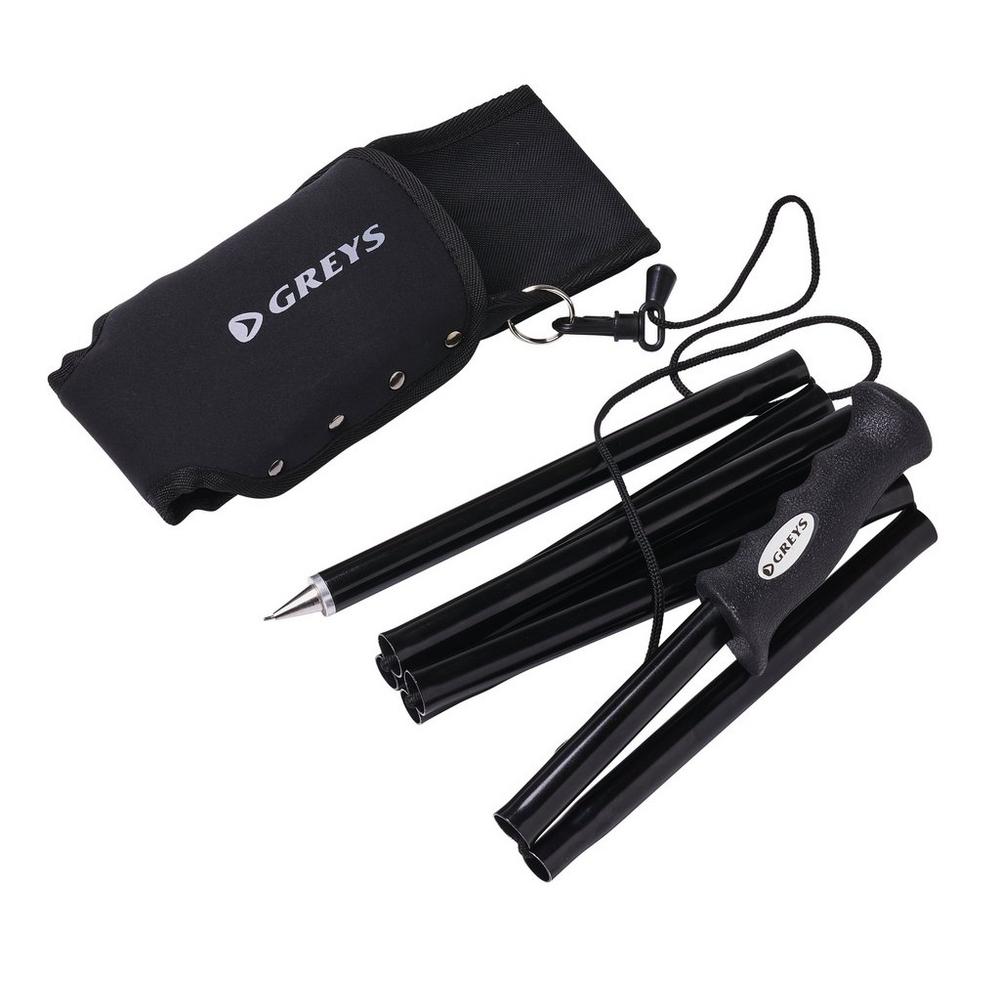
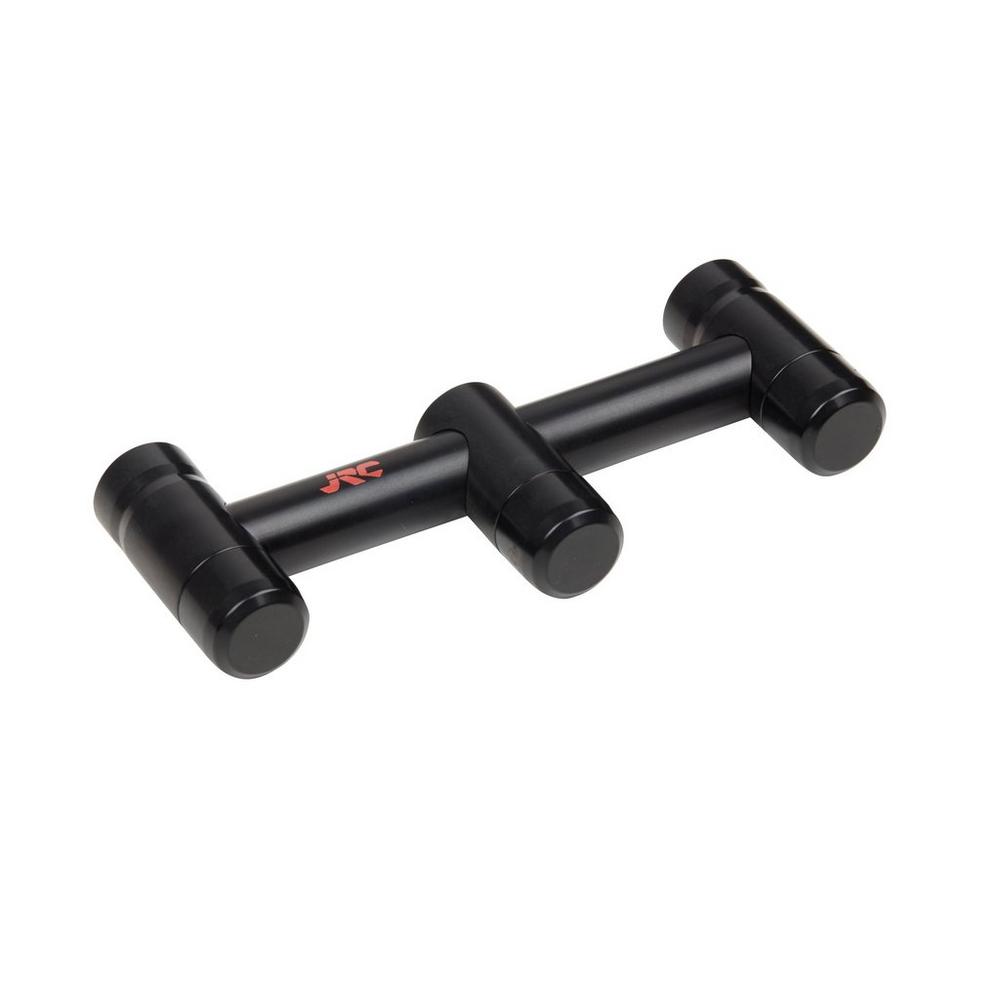
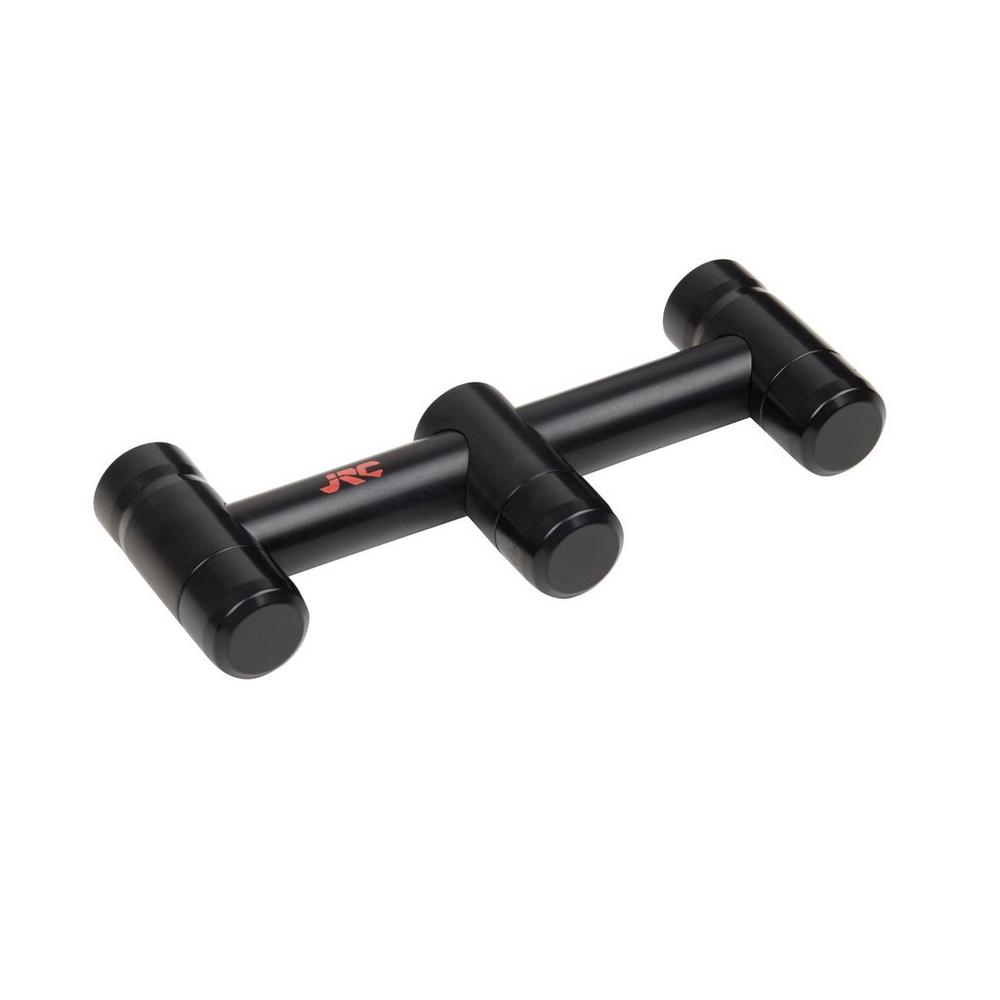
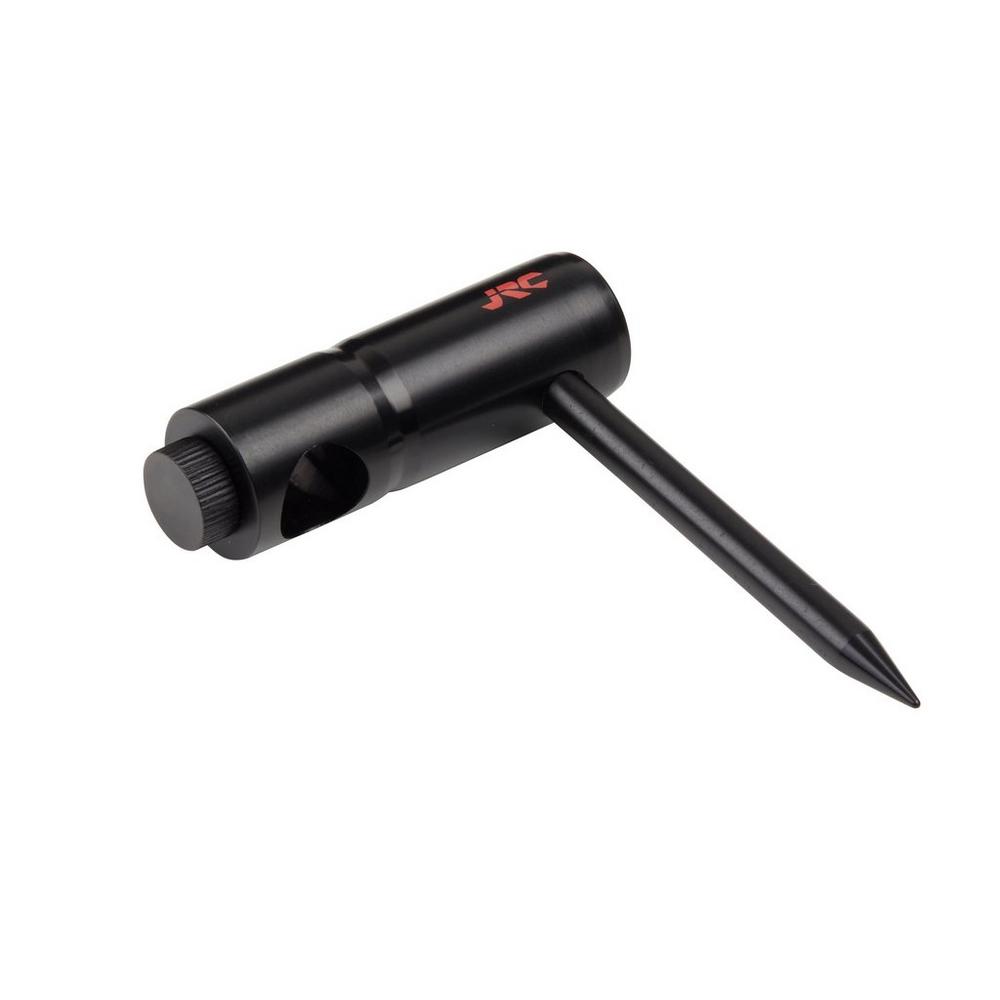
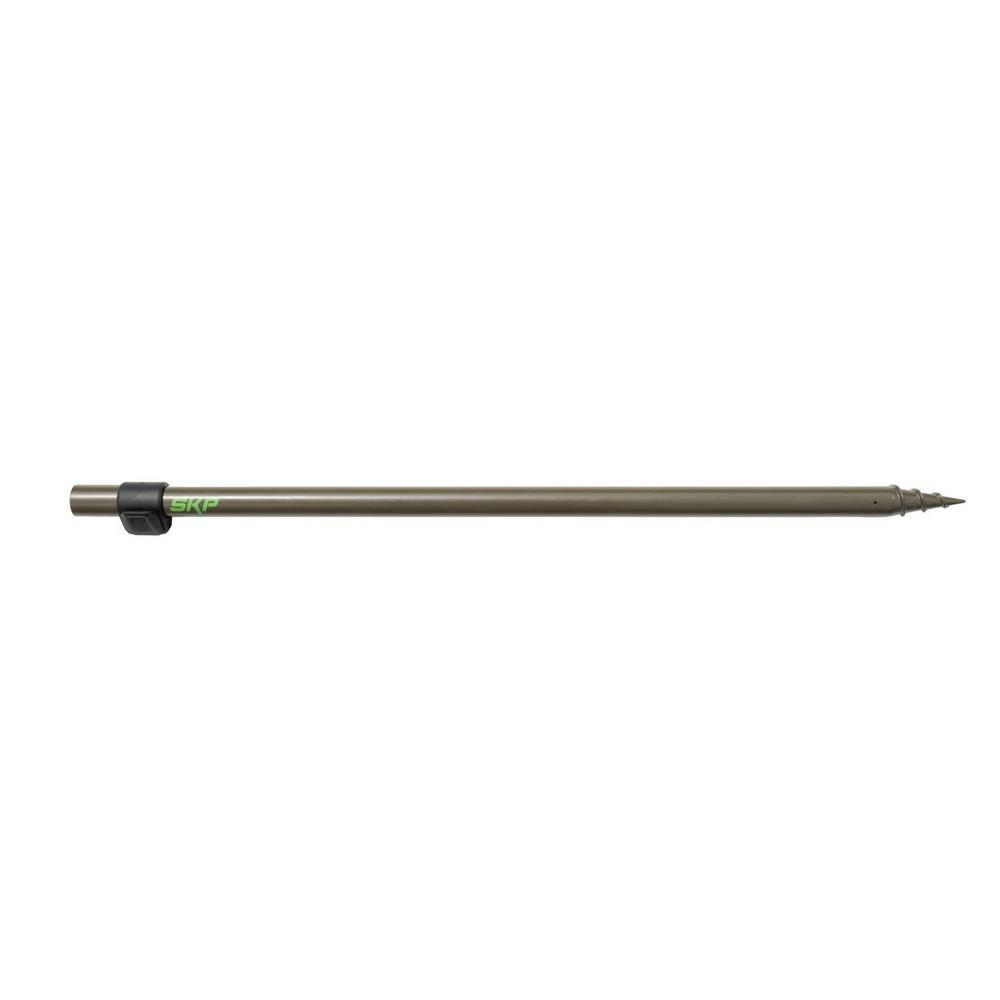
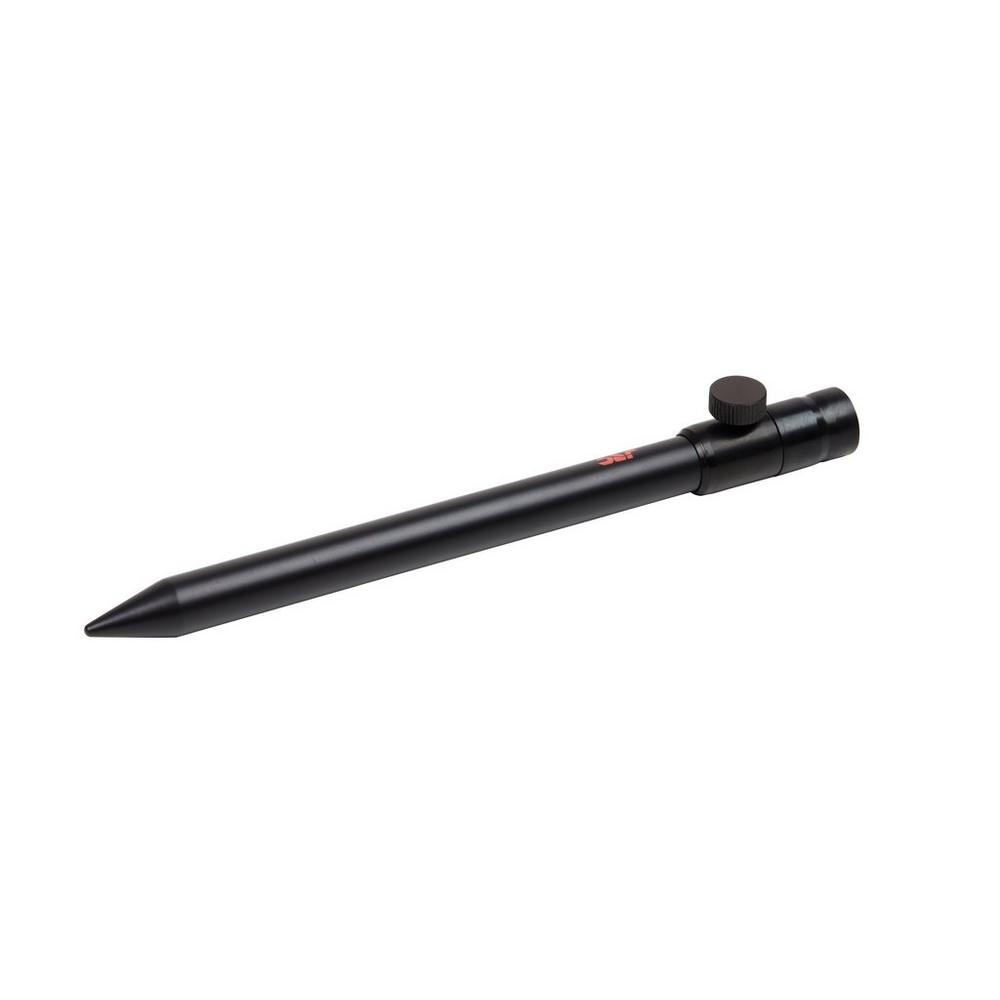
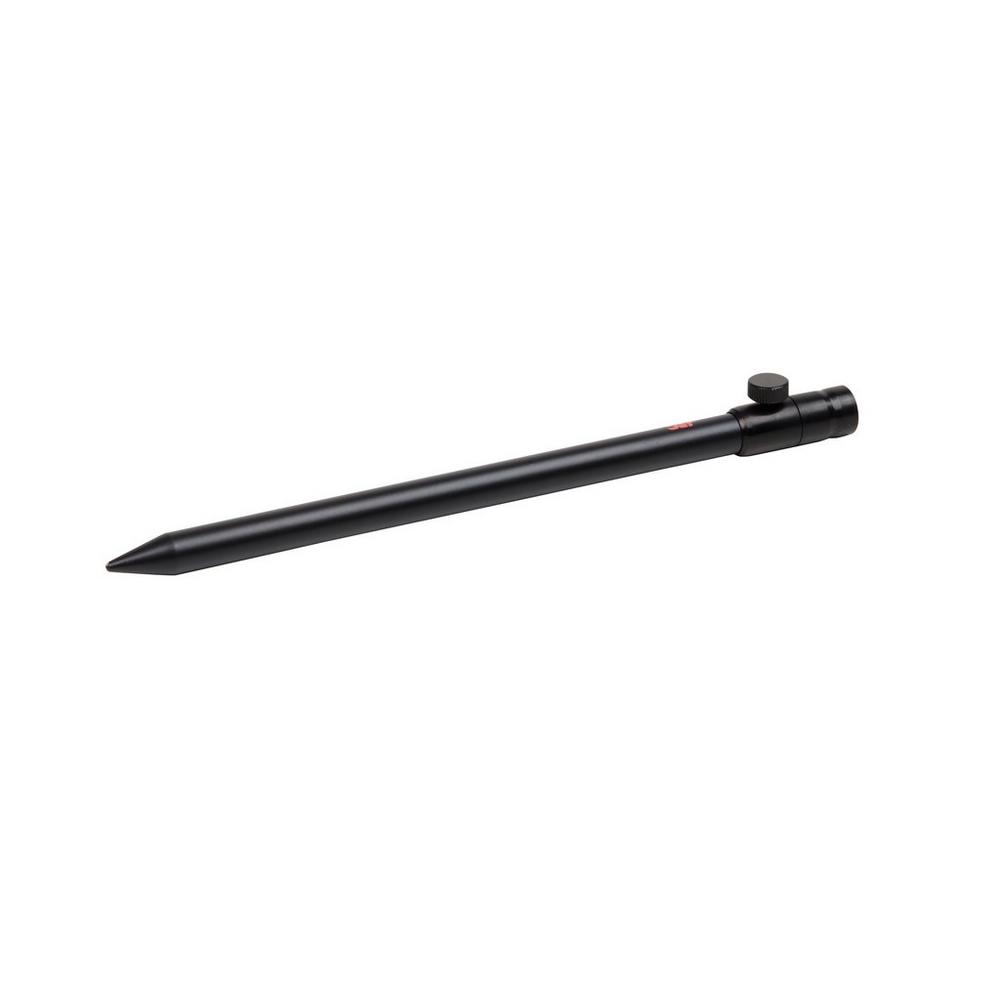
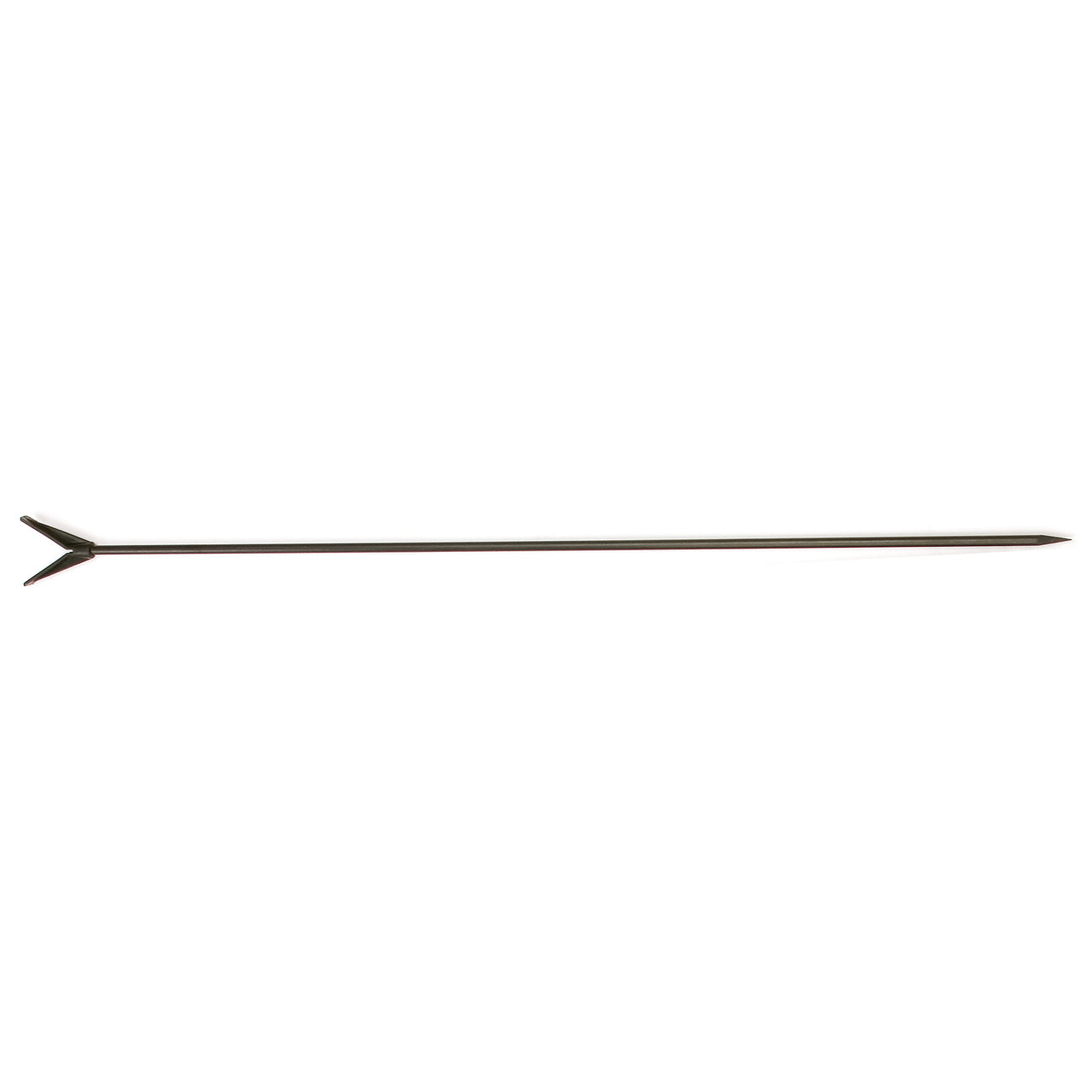
A bankstick creates an adjustable mounting point for a front rest, rear rest, bite alarm or compatible bar. Single-rod setups use individual sticks, while pairs can support buzz bars or other systems. Length and diameter affect stiffness, packed size and the available height above the bank.
Standard-looking threads can vary in fit, condition and shoulder shape. Confirm compatibility with the alarm, rest or adaptor, screw components together squarely and stop if the thread binds. A locking collar or lever should hold adjustment without crushing the inner section.
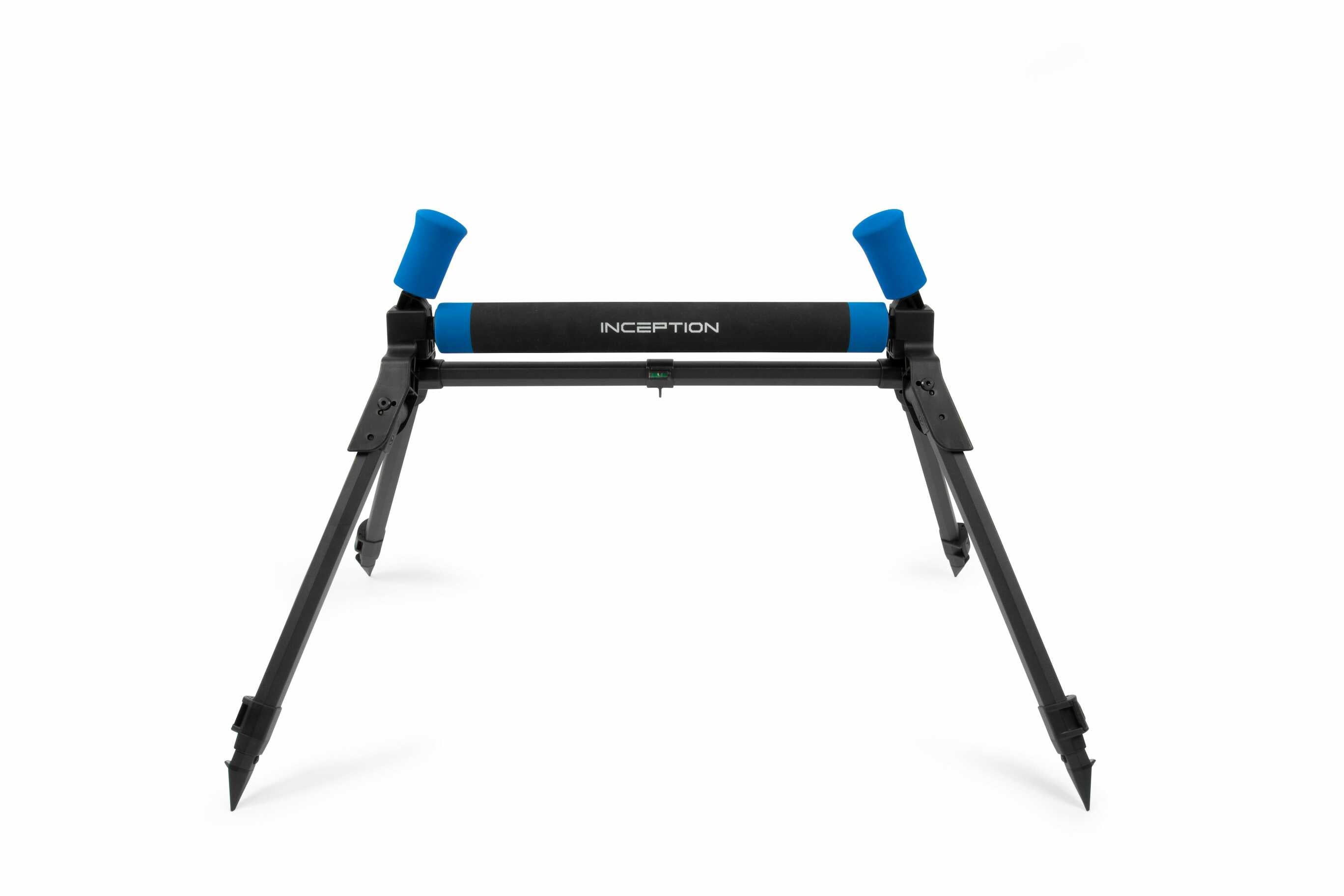
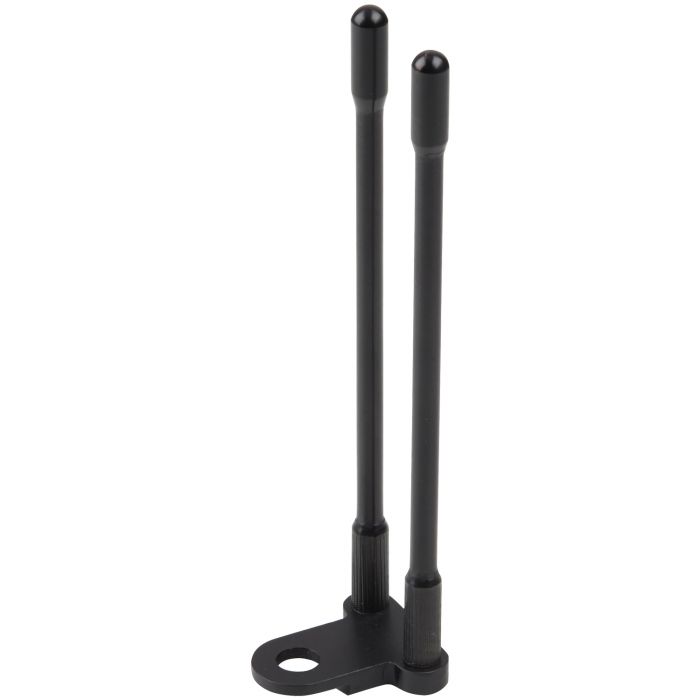
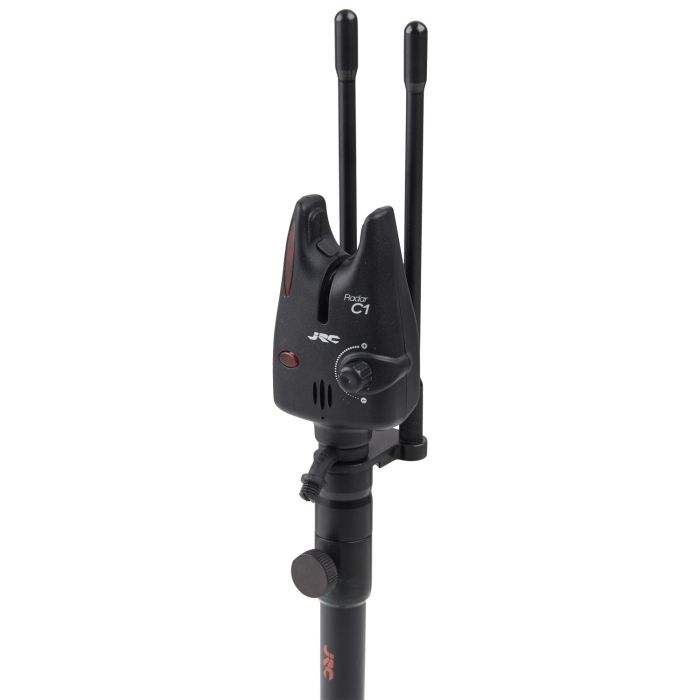
Browse the parent bank-fishing equipment range, compare complete rod supports, add suitable bite alarms and complete visual indication with fishing bobbins.
Choose length, point and locking system
Short banksticks suit low rod positions and compact transport, while longer versions offer more adjustment on uneven or raised banks. Usable height is reduced by the section inserted into the ground, so allow enough depth for stability rather than extending a stick to its limit.
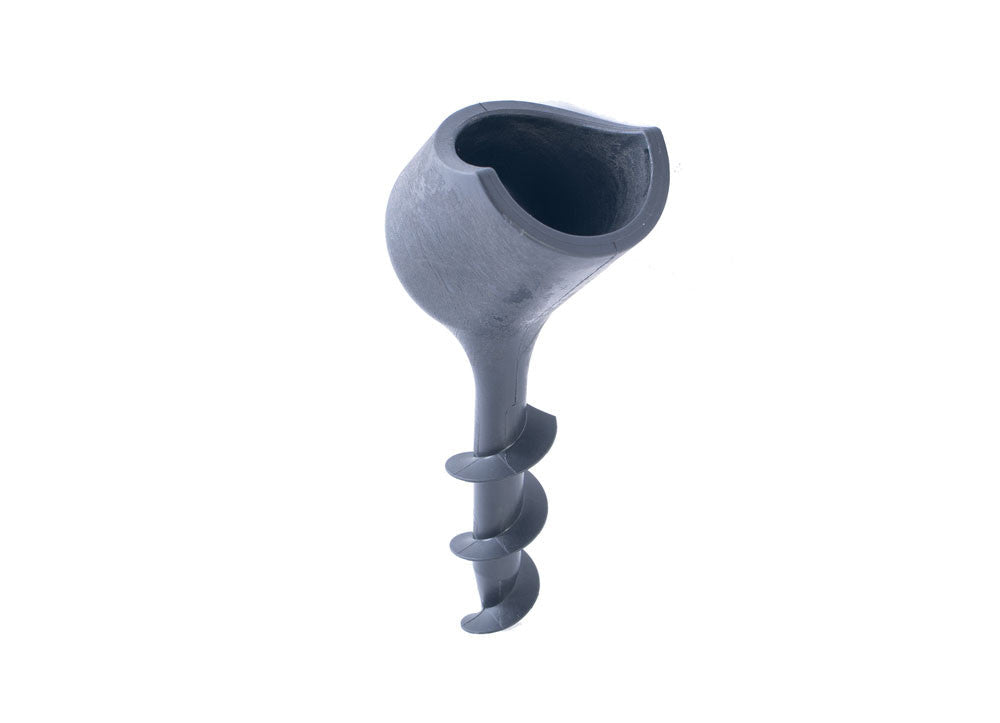
Sharp points suit penetrable ground; auger or specialised tips may work differently. Test the surface and follow venue rules. Never hammer an electronic alarm, carbon section or unsuitable handle, and keep hands clear of the point while applying pressure.
On hard platforms, concrete or rock, use a compatible self-supporting system instead of forcing a spike. Angle and spacing should keep the rod secure while leaving line clear of adjacent alarms and supports.
When using two sticks for one rod, set the front and rear heights before loading the rests. Sight along the blank to confirm it is supported without twist. If the ground softens, reset both sticks rather than compensating by forcing one adjustment lock.
Install and maintain banksticks
Insert the stick straight or at the intended angle, tighten the adjustment lock and test it before placing a rod. Keep alarms above splash where practical, route cables safely and avoid creating trip hazards along the bank.
Clean mud from telescopic sections and threads, rinse salt exposure as directed and dry fully. Cover points for transport, lubricate only where recommended and replace bent sticks, damaged locks or stripped threads before the next session.