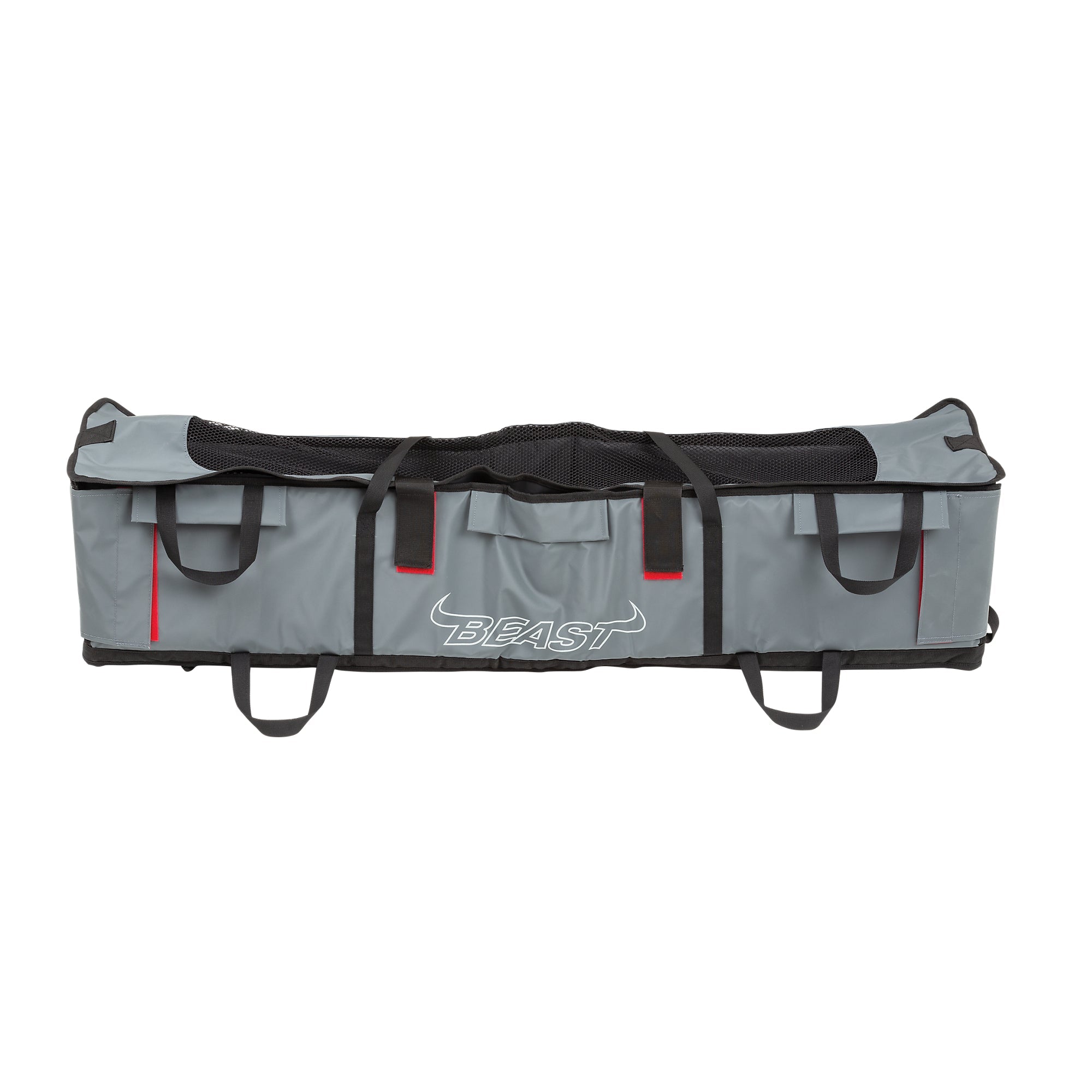
Fishing unhooking mats for safer bank handling
An unhooking mat provides a clean, padded surface between a fish and hard, rough or dirty ground. It must be ready before a fish is lifted from the water, with forceps, cutters and other tools already within reach. Handling should remain brief, controlled and appropriate to the species and venue rules.
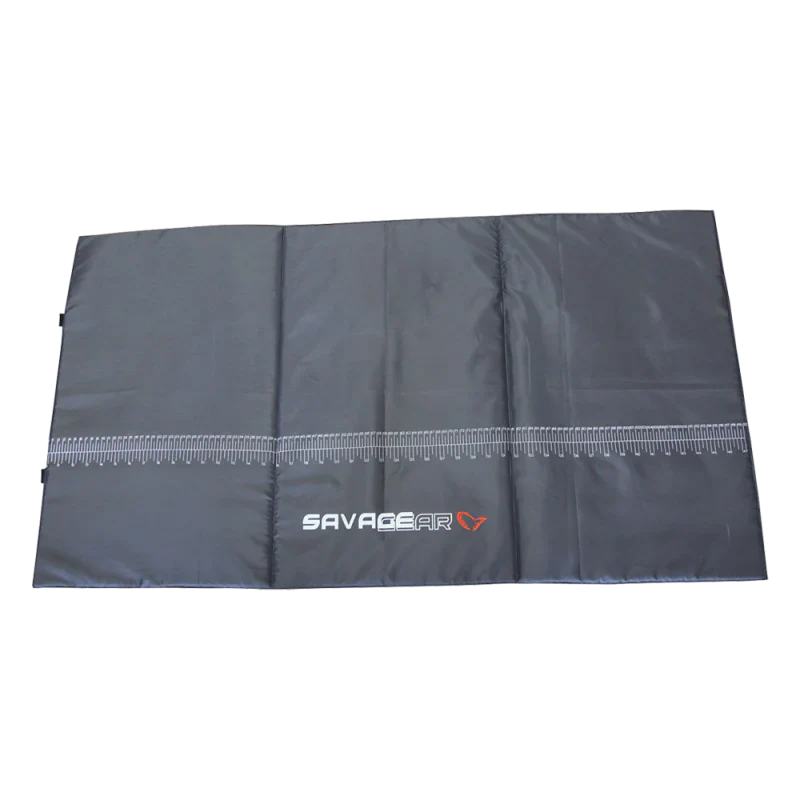
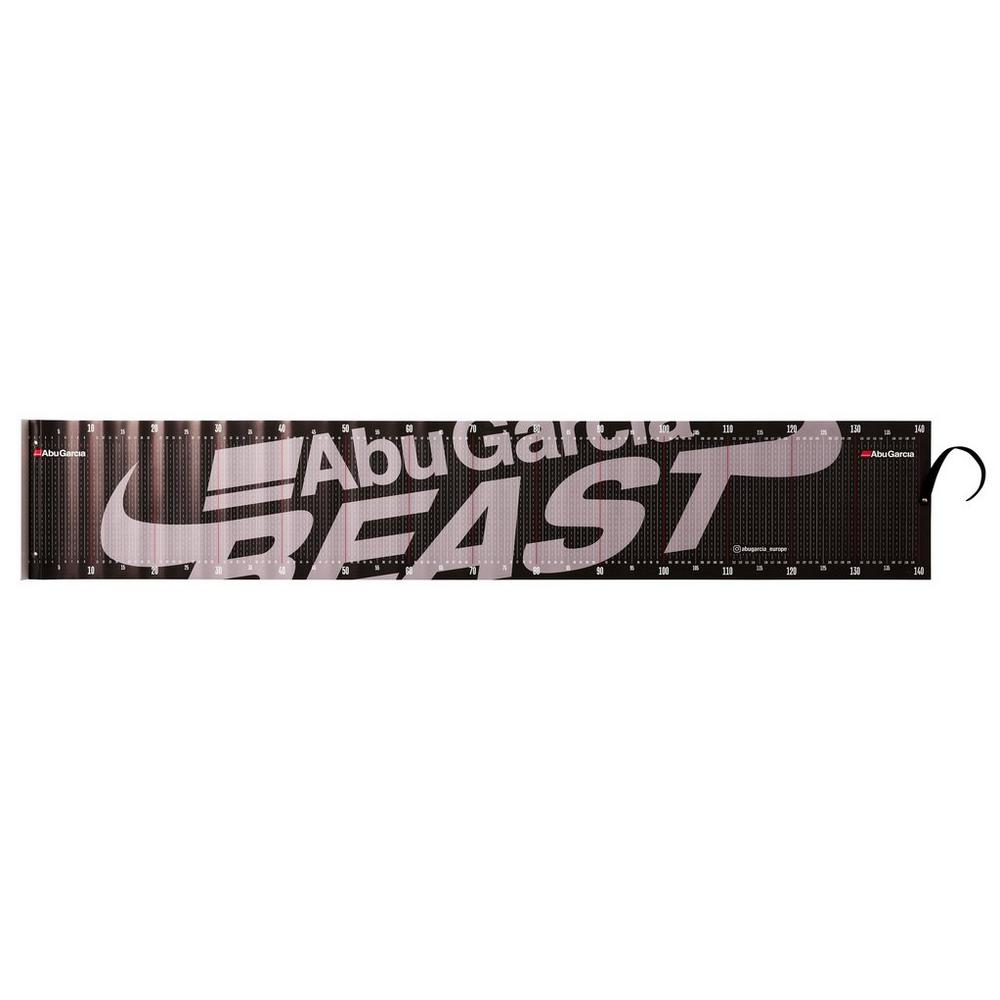
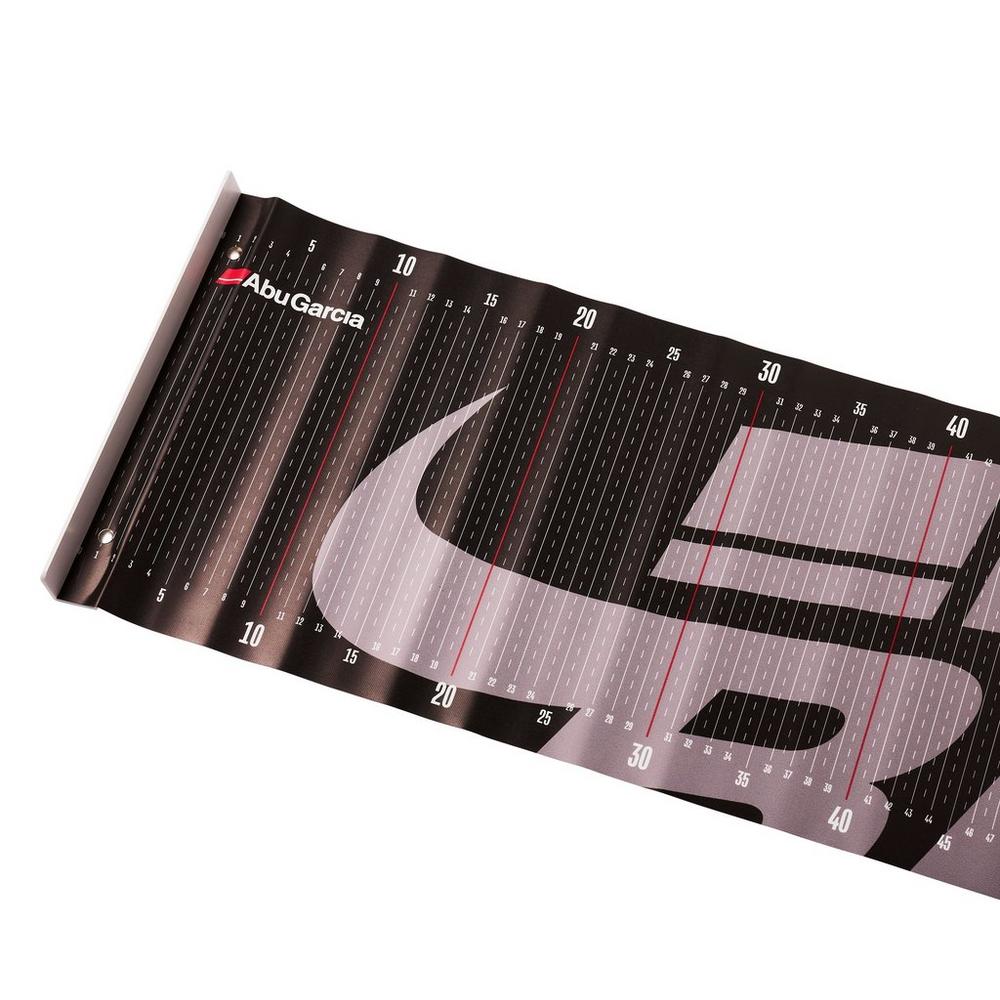
Usable length and width should suit the largest fish reasonably expected, not only the packed size. Flat mats are compact, while designs with raised sides or a cover can reduce the chance of a fish sliding off. Padding must remain even and sufficient when the mat is wet and placed on the actual bank surface.
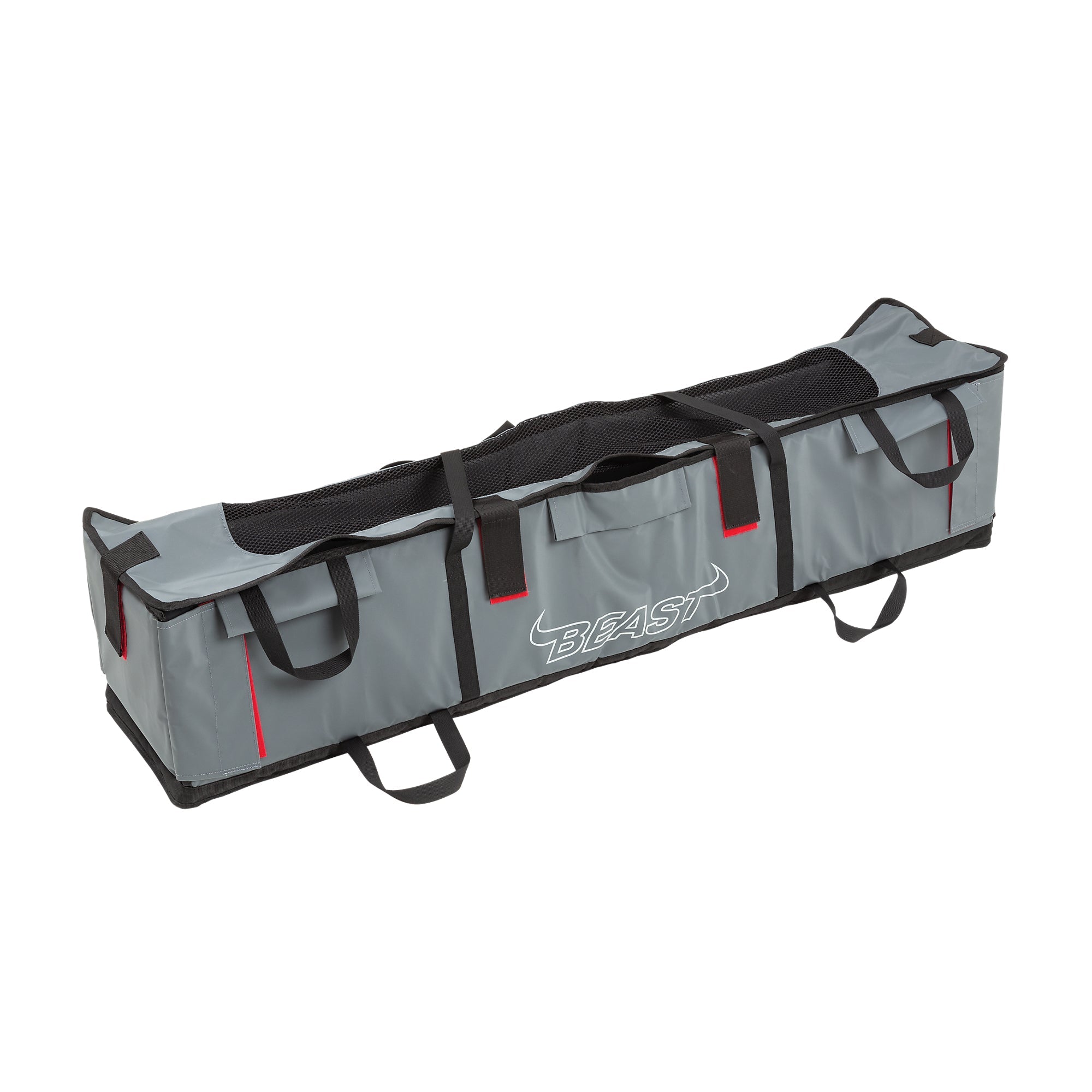
Browse all fishing luggage, carry compact equipment in fishing rucksacks, and keep prepared tackle in hook and rig storage. Select suitable hooklength line and leaders and traces for the method, then inspect every connection before casting.
Choose size, padding and containment
Check product dimensions, padding thickness, seam construction and stated intended use. A mat suitable for smaller coarse fish may not support a large carp or pike. Cradle-style and walled designs can offer more containment, but legs, frames and locking points must stand securely on level ground.
A kneeling flap, carry handles or retaining cover can be useful when designed correctly. Handles are normally for carrying the empty mat unless the manufacturer explicitly states another function. Never lift a fish in a mat, weigh sling or cradle without confirmed instructions, secure support and suitable technique.
Place the mat away from rods, stones, direct heat and the water’s edge. Wet the contact area with clean water before use and keep it cool during warm conditions. Do not pour water into a design that cannot drain safely or leave a fish unattended under a cover.
Use, clean and inspect fish-care equipment
Support the fish with wet hands, avoid pressure on the abdomen and protect fins from folding underneath the body. Remove the hook with appropriate tools and return the fish as soon as it is ready. A mat does not replace a correctly sized landing net or species-specific handling knowledge.
After use, rinse and disinfect the mat where fishery guidance requires it, then dry it fully before storage. Inspect padding, seams, straps, zips and frames. Replace a mat that has exposed hard parts, compressed padding or damage that could contact the fish.