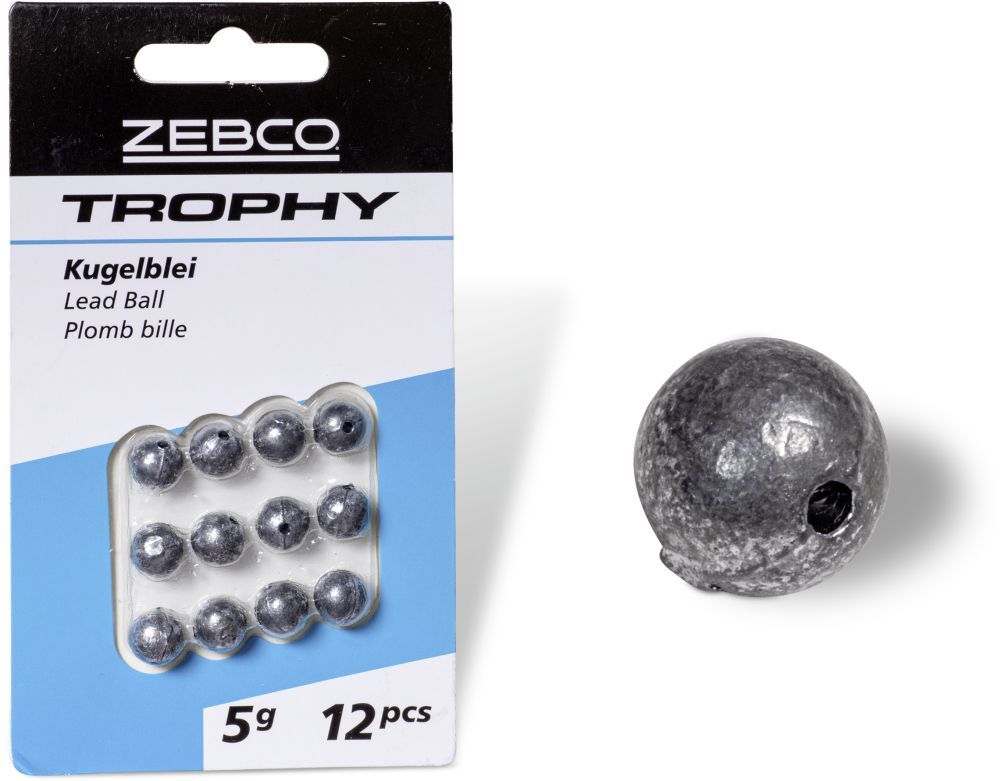
Fishing bombs for ledger presentations
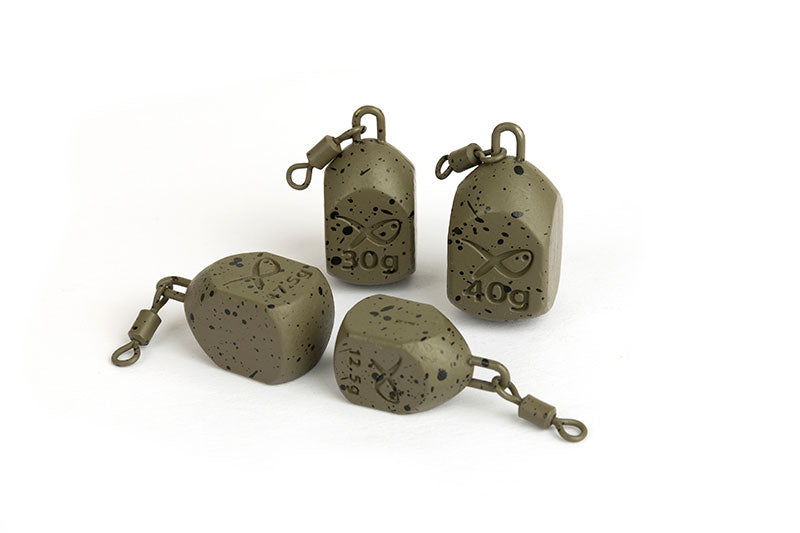
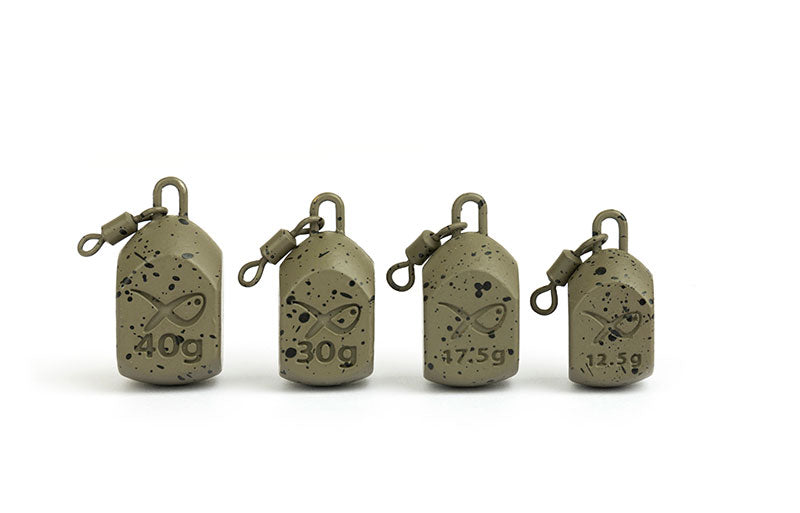
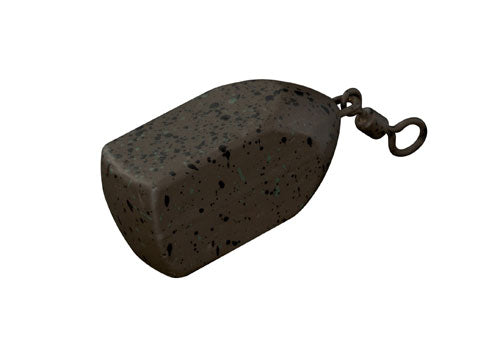
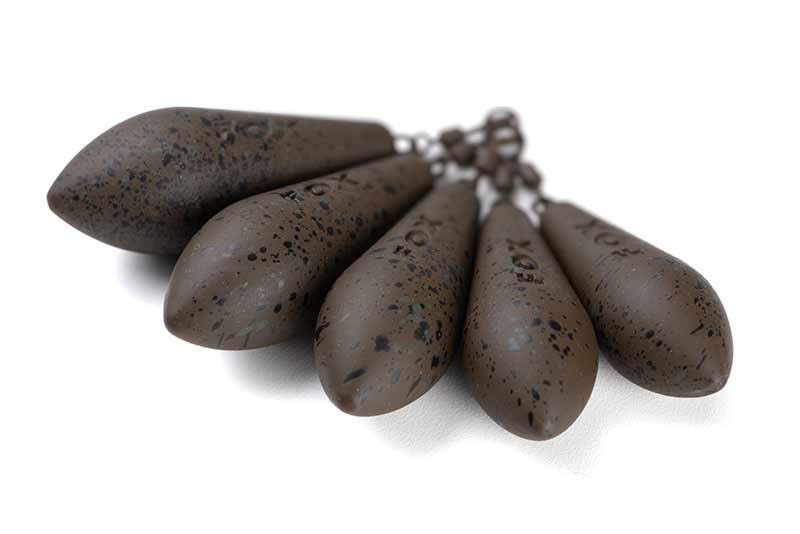
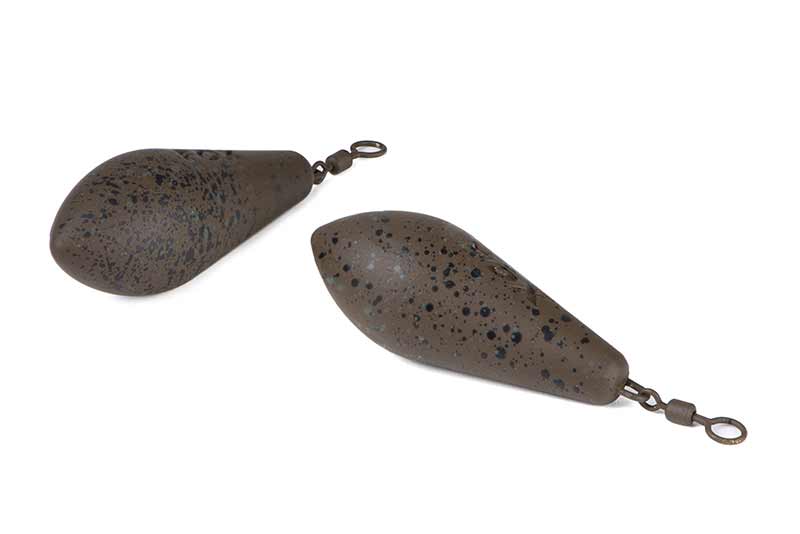
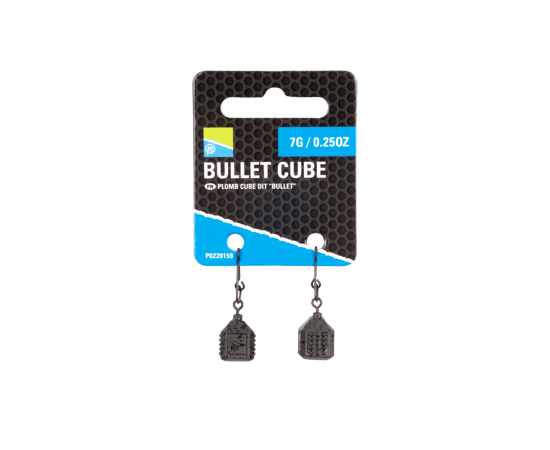
Fishing bombs are compact casting weights used to present bait without a feeder. They can suit simple ledger rigs, searching approaches and situations where loose feed is introduced separately. Shape, weight and attachment affect casting, bottom grip, movement and how easily the rig passes through weed or over uneven ground.
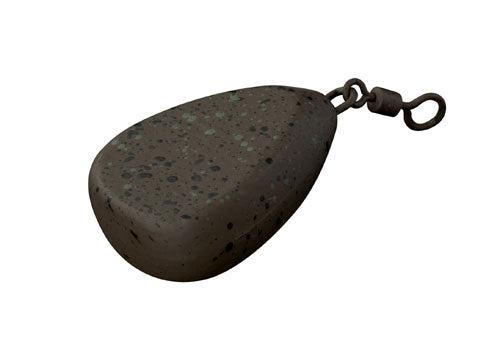
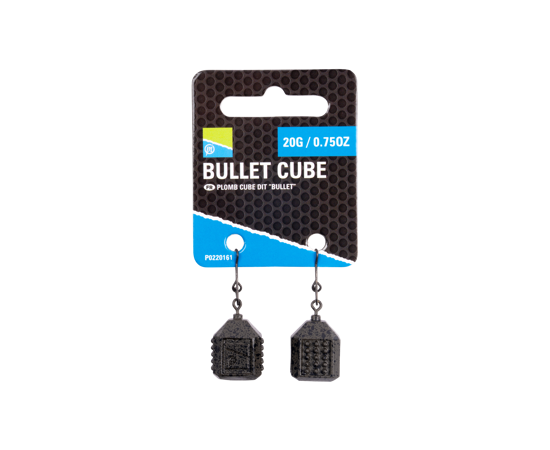
Streamlined bombs can cast efficiently, while flatter or textured profiles may resist rolling in current or on a slope. Coatings can reduce glare or protect the surface, but material and finish should be confirmed from the product specification. The attachment eye or swivel must move freely without cutting the line.
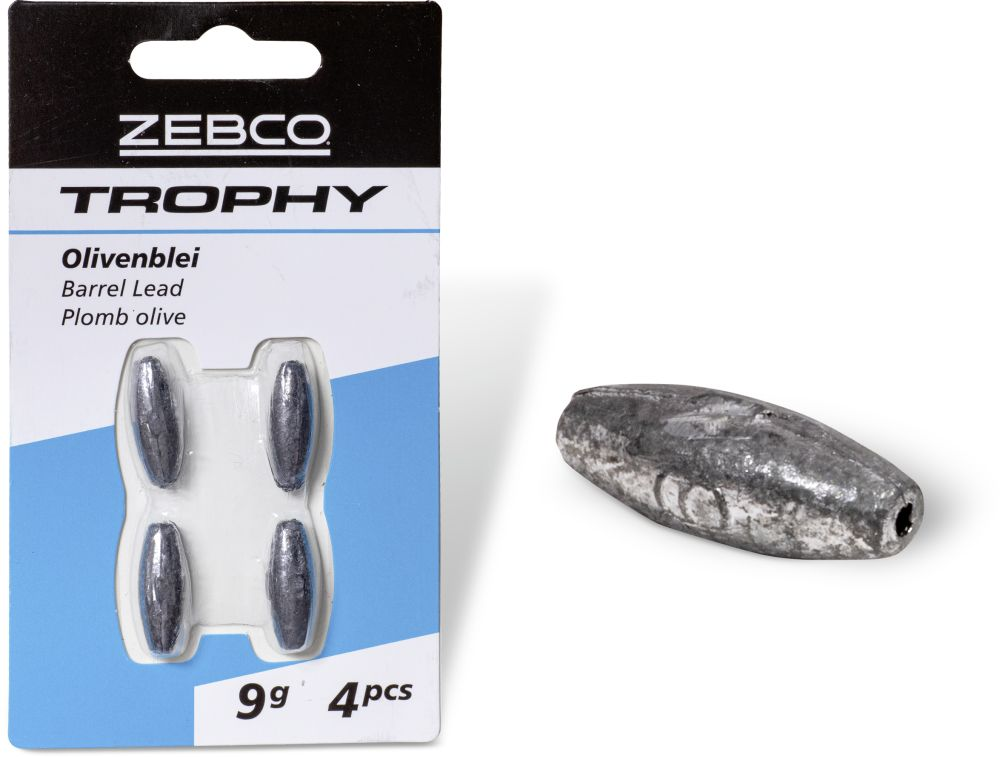
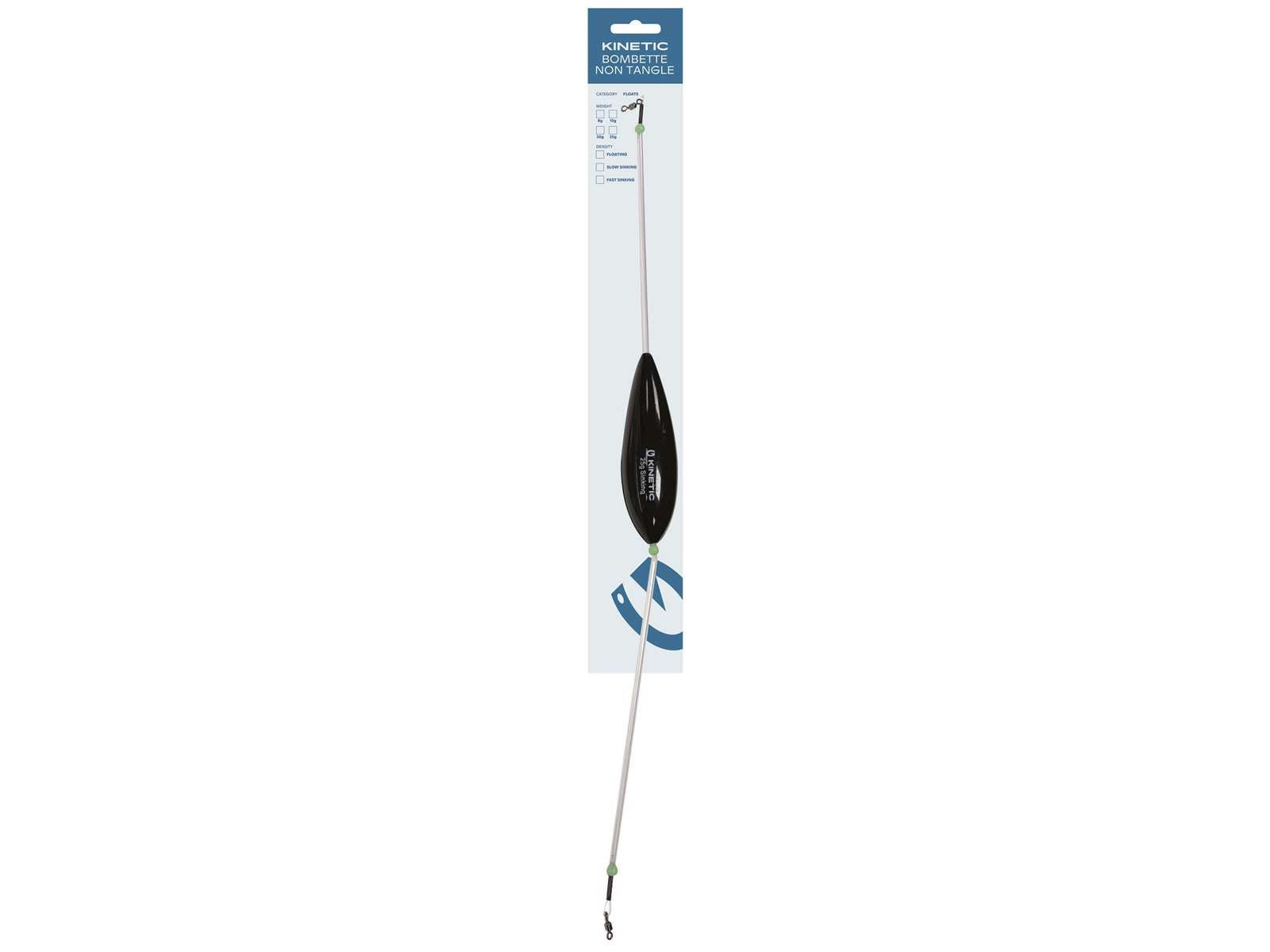
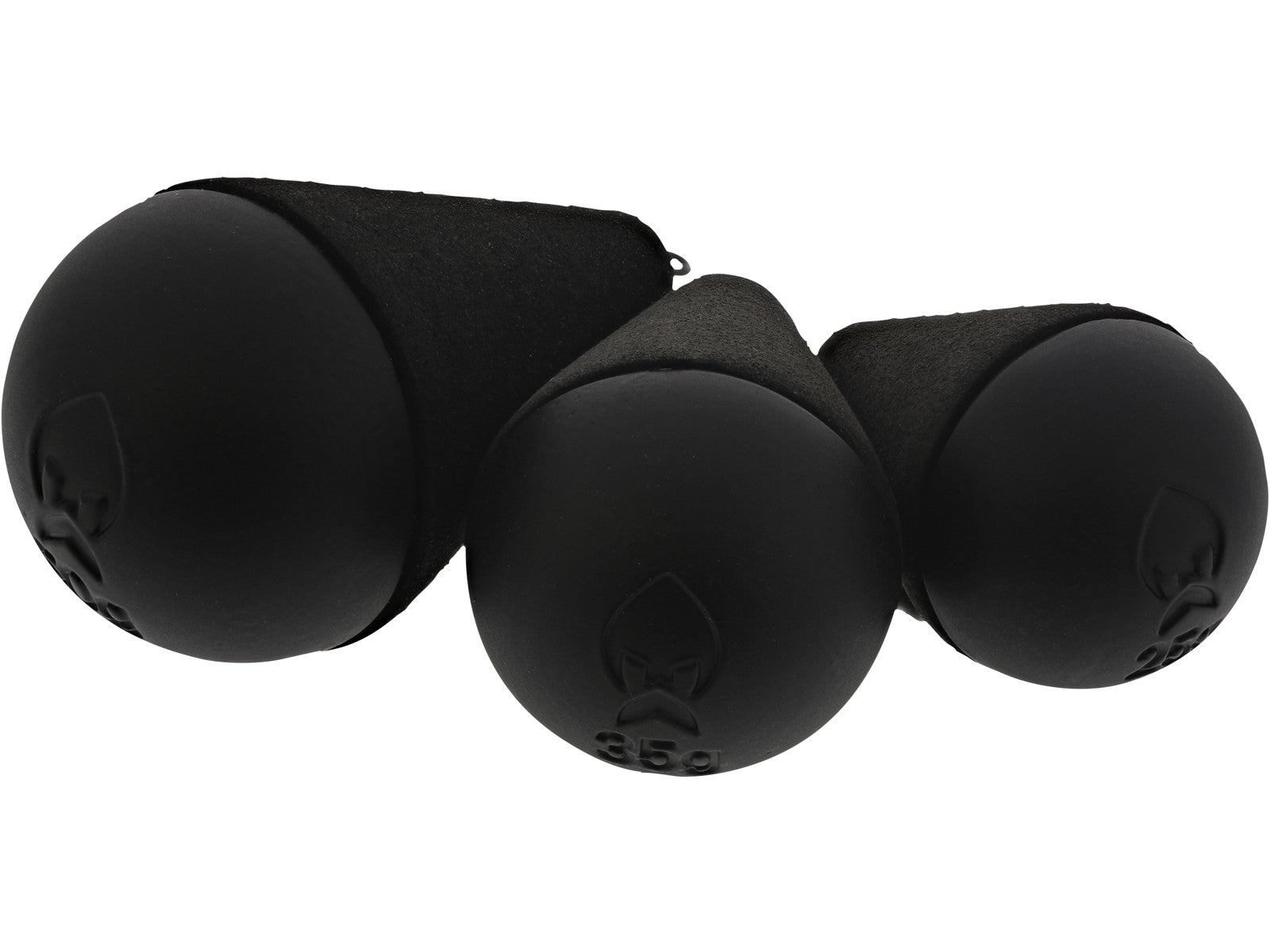
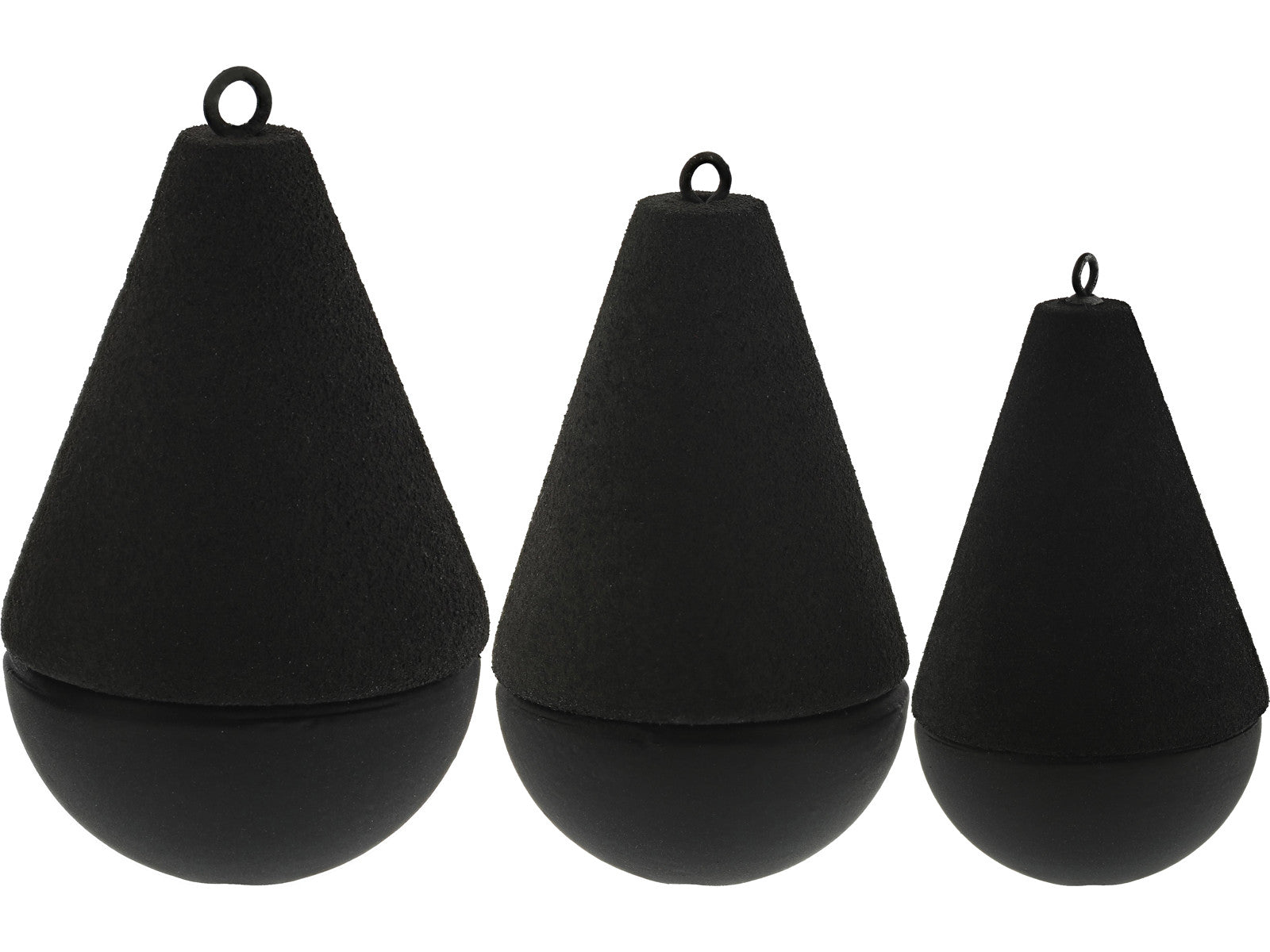
Browse all fishing weights and leads, compare specialist drop-shot weights, use screw-in weights for soft-lure rigging, or select olivettes and plummets for pole and float setups.
Choose weight, shape and attachment
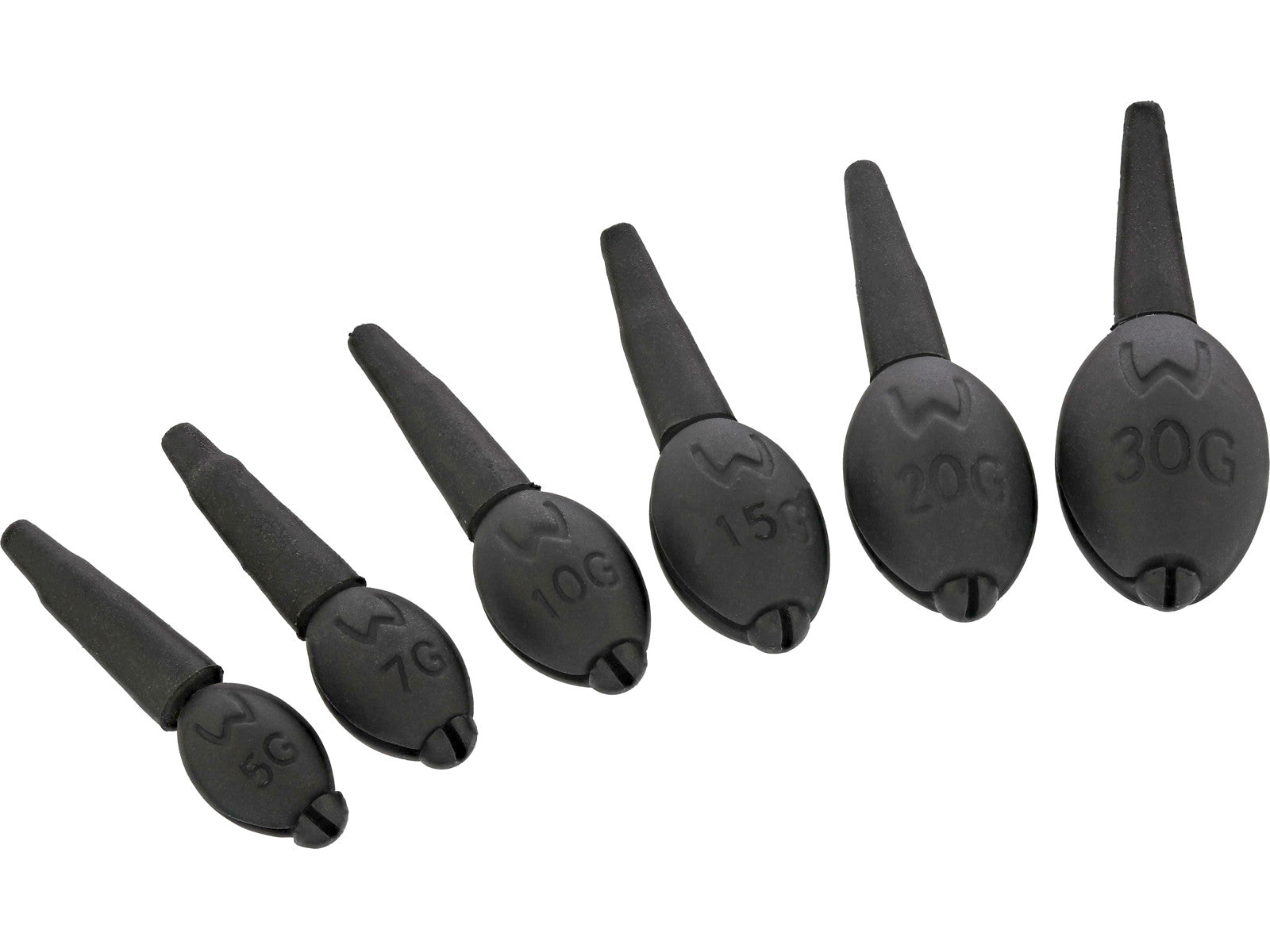
Use enough weight to cast accurately and keep the bait in the intended area without exceeding the rod's stated range. Include bait, rig components and any PVA or additional material in the total load. A heavier bomb is not automatically better: excess weight can reduce sensitivity, increase disturbance and make snag recovery harder.
Match the profile to the venue. A compact aerodynamic shape helps distance, while greater surface area may hold better on soft silt or resist rolling. In weed or rough ground, consider how the bomb and attachment will release or retrieve. No terminal arrangement should create an unsafe tether if the main line breaks.
Running rigs require a bore, ring or link that allows line movement as intended. Fixed or semi-fixed systems must comply with fishery rules and use compatible components. Test the finished setup under controlled pressure and confirm that beads, swivels and clips cannot jam unexpectedly.
Cast safely and inspect the weight
Check knots, clips, swivels and line before every cast. Use a smooth casting stroke and enough clear space for the full rig. Stop using any bomb with a damaged eye, sharp edge, split coating or severe deformation.
Confirm the material and follow local restrictions on fishing weights. Keep weights labelled, store heavy items securely and retrieve broken line and terminal tackle where safe. Wash hands after handling lead-containing products and keep them away from children.