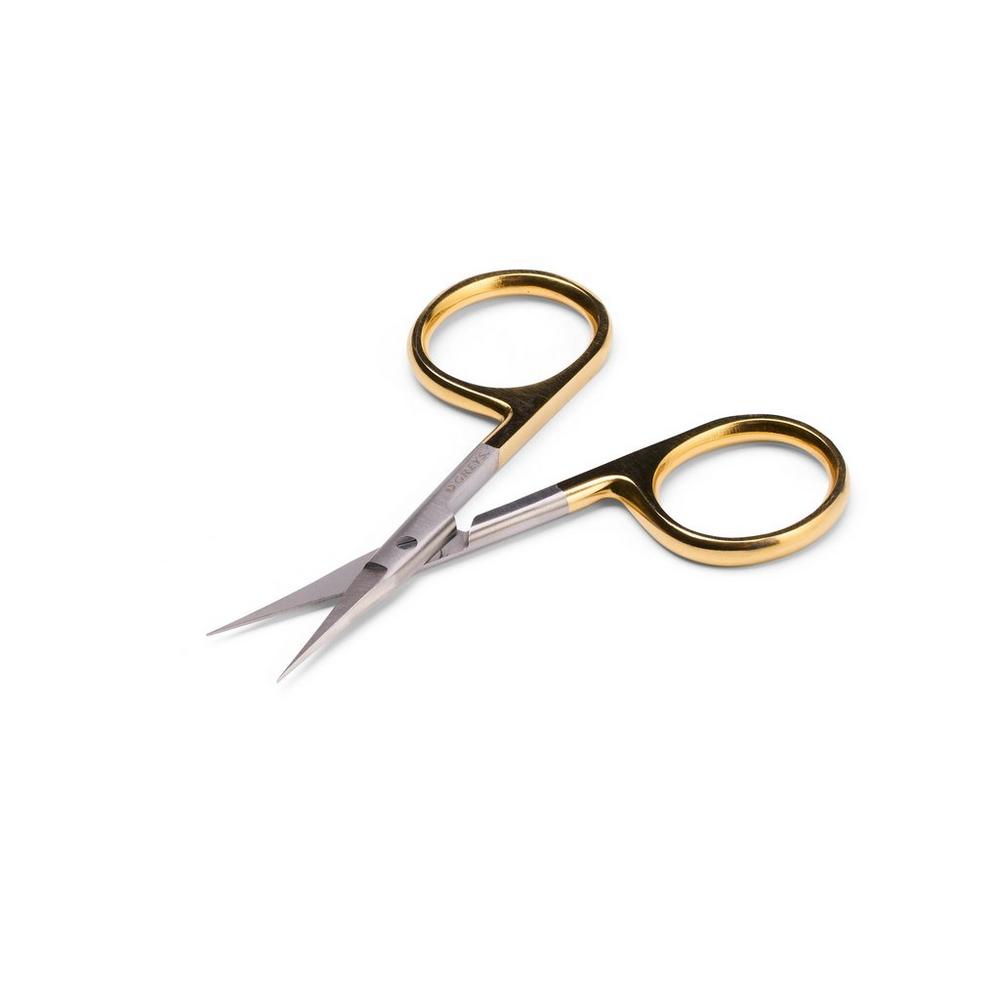
Fishing forceps for controlled hook removal
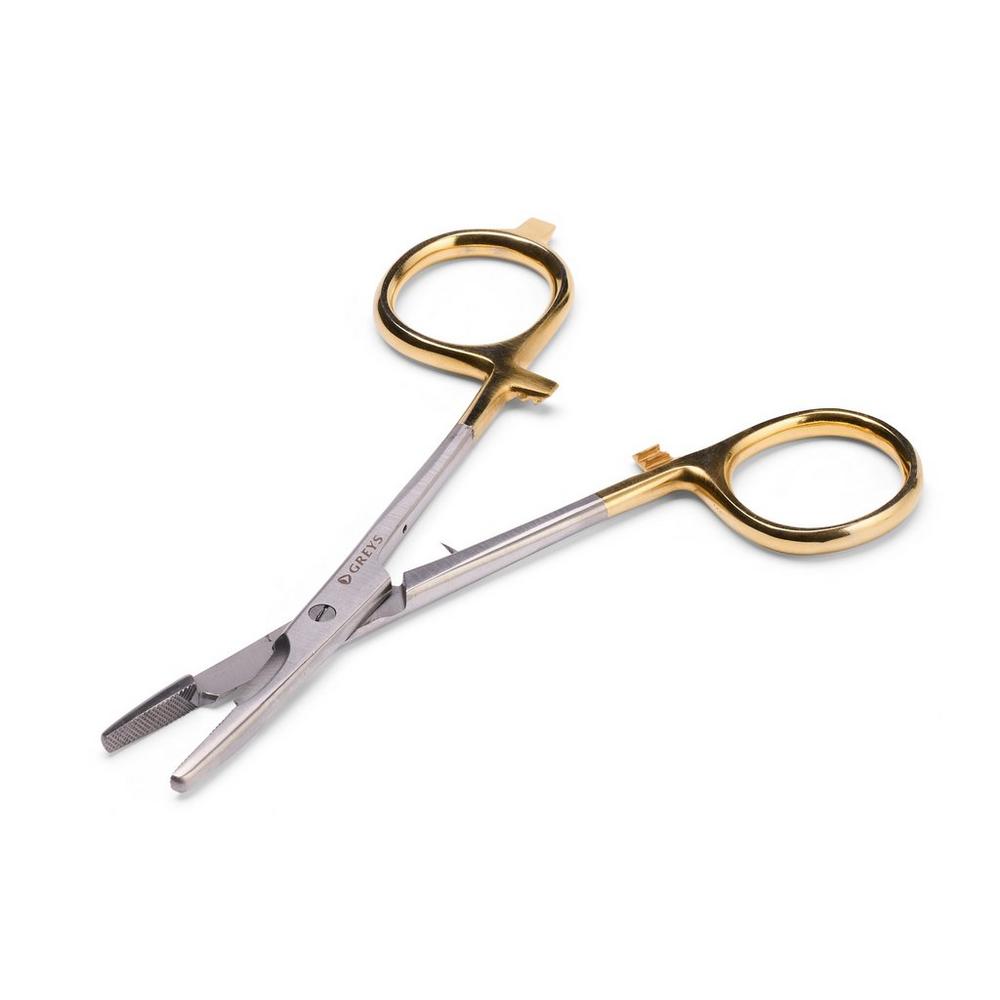
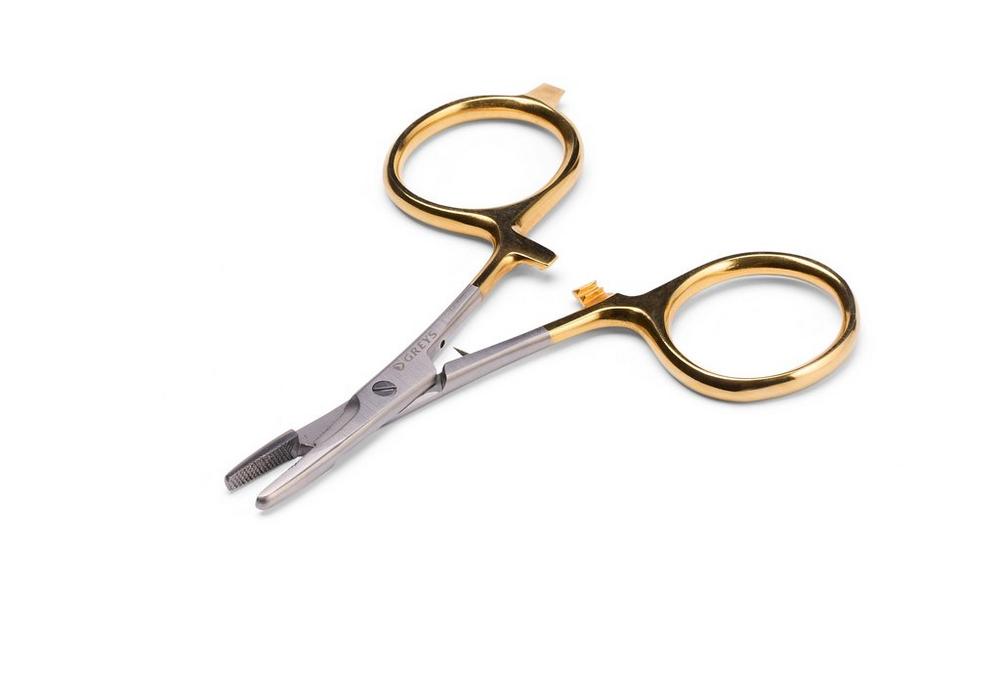
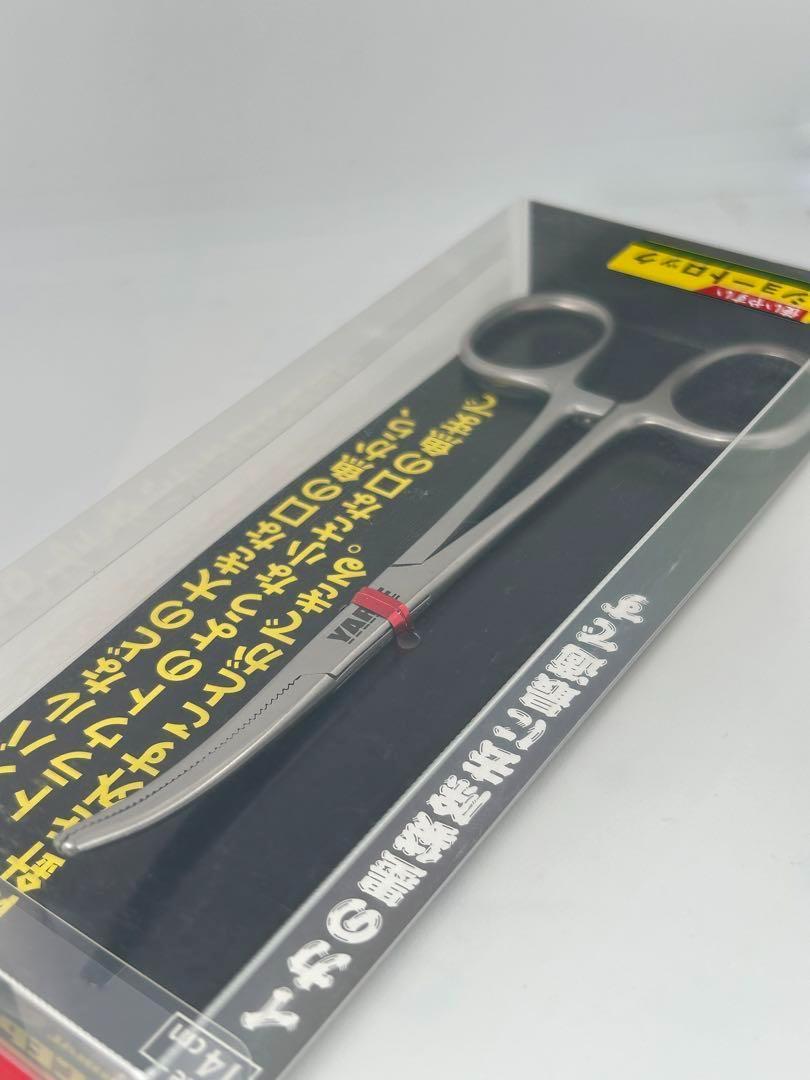
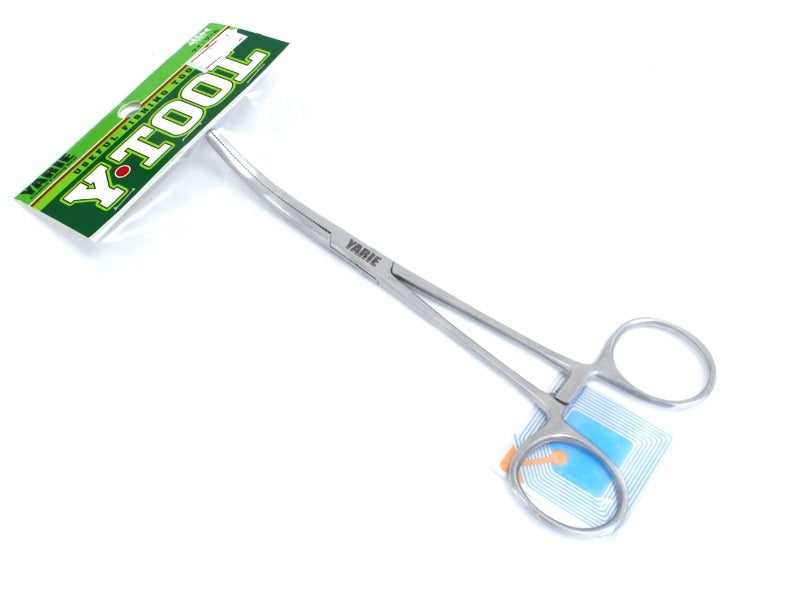
Forceps provide narrow, locking jaws for gripping hooks in confined spaces. They are useful across coarse, trout, fly, predator and sea fishing, but the correct length and jaw profile depend on fish size, mouth shape and hook pattern. Longer tools increase reach, while shorter forceps can offer finer control.
Straight jaws give direct access, and curved jaws can approach a hook from another angle. Serrations improve grip but should not crush fine hooks or damage line. Ratchet locks hold the jaws closed at selected positions; they must release smoothly before the tool is used near a fish.
Browse the parent fishing tools range, compare crimping pliers, use fishing scissors for suitable line and bait, or select split-ring pliers for lure hardware.
Choose length, jaws and locking action
Match reach to the target species and hook placement. Keep hands away from teeth and free lure hooks, but do not choose such a long tool that accurate movement becomes difficult. Fine tips suit small hooks, while stronger jaws are needed for heavier patterns.
Before fishing, open and close every lock position, confirm jaw alignment and check that the finger loops are comfortable with wet or cold hands. A lanyard can keep forceps accessible, provided it cannot tangle with line or other equipment.
During unhooking, support the fish, control the hook shank and reverse the entry path without twisting tissue. If a multiple-hook lure is involved, secure free points first. Cut the hook or seek a safer alternative when normal removal would cause unnecessary damage.
Clean forceps and keep them accessible
Rinse after bait or saltwater contact, dry the hinge and ratchet and apply a suitable lubricant sparingly. Inspect the tips for bending, gaps or sharp damage. Replace forceps that slip, lock unpredictably or show deep corrosion.
Store the tool closed but not under excessive ratchet pressure. Keep it beside the unhooking area before casting, follow fishery handling rules and clean equipment between waters where biosecurity guidance requires it. Practise the opening and locking action at home so it becomes familiar before a fish is landed.