Fishing rings and crimps for rig building
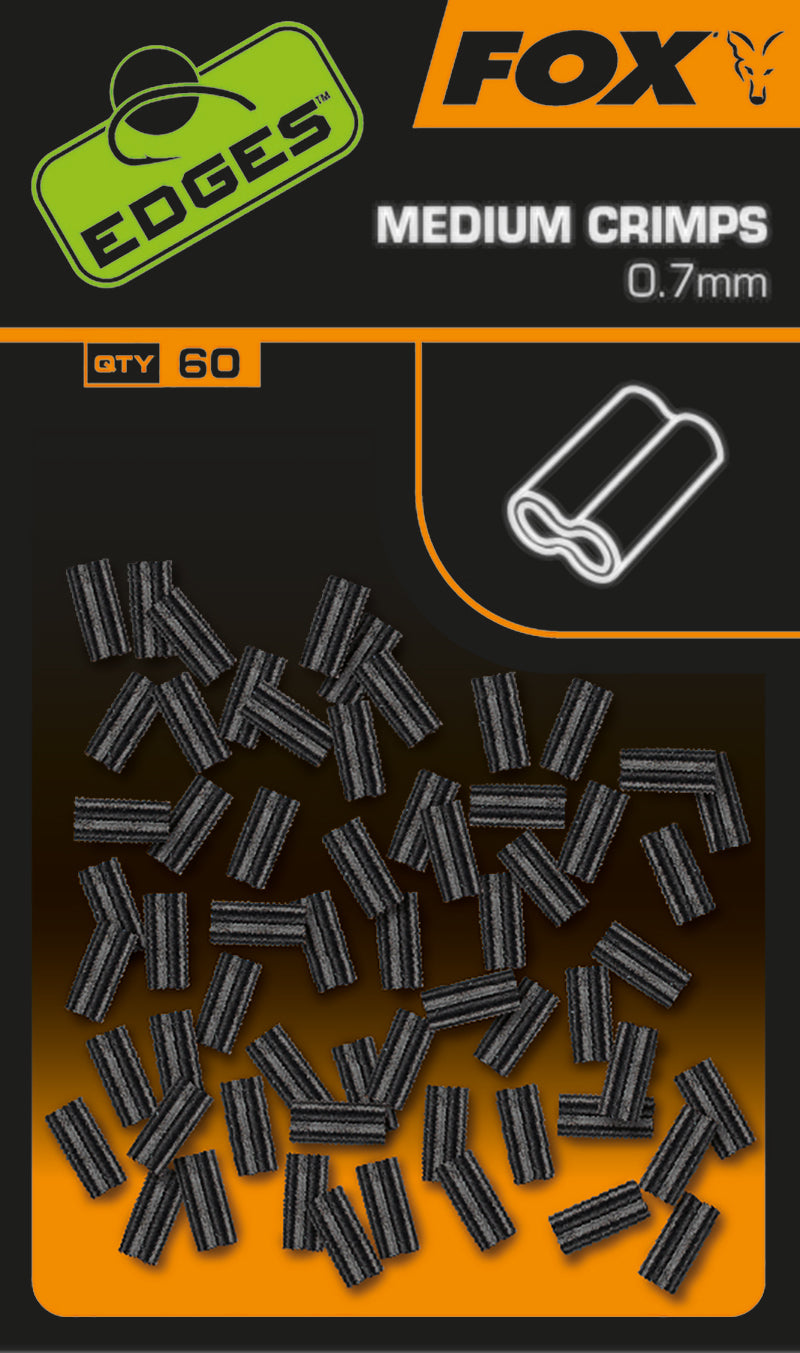
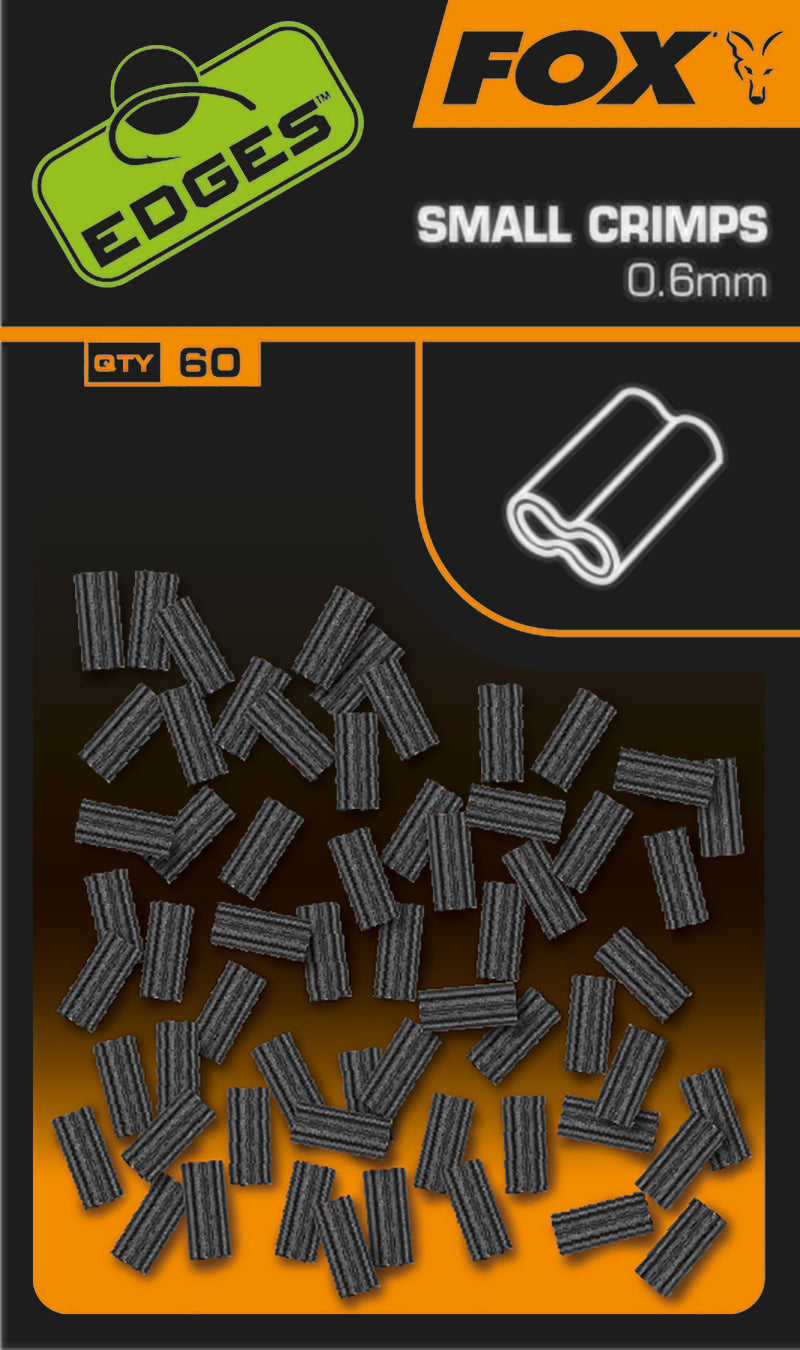
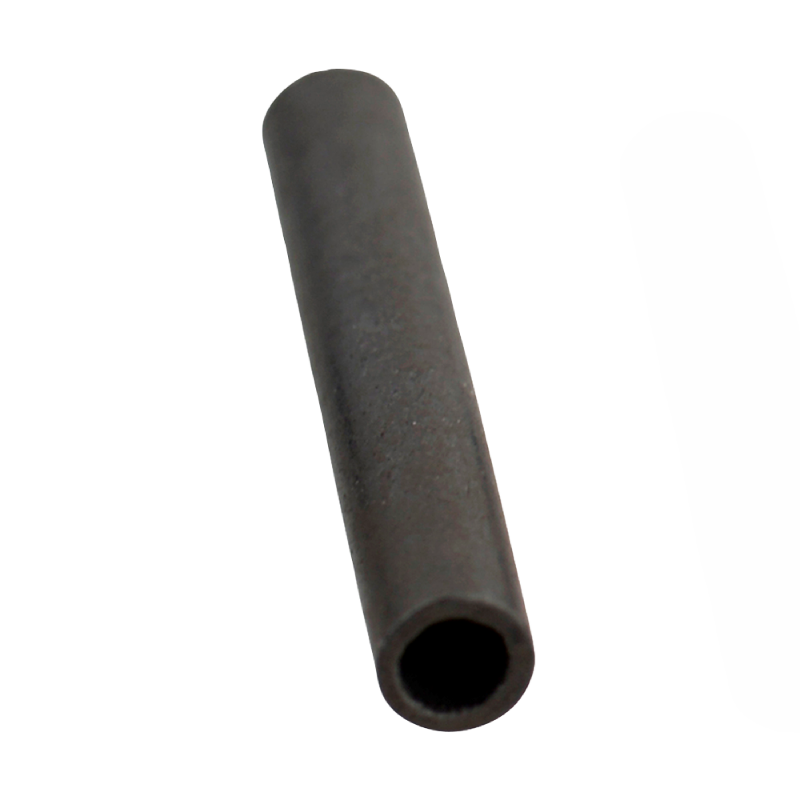
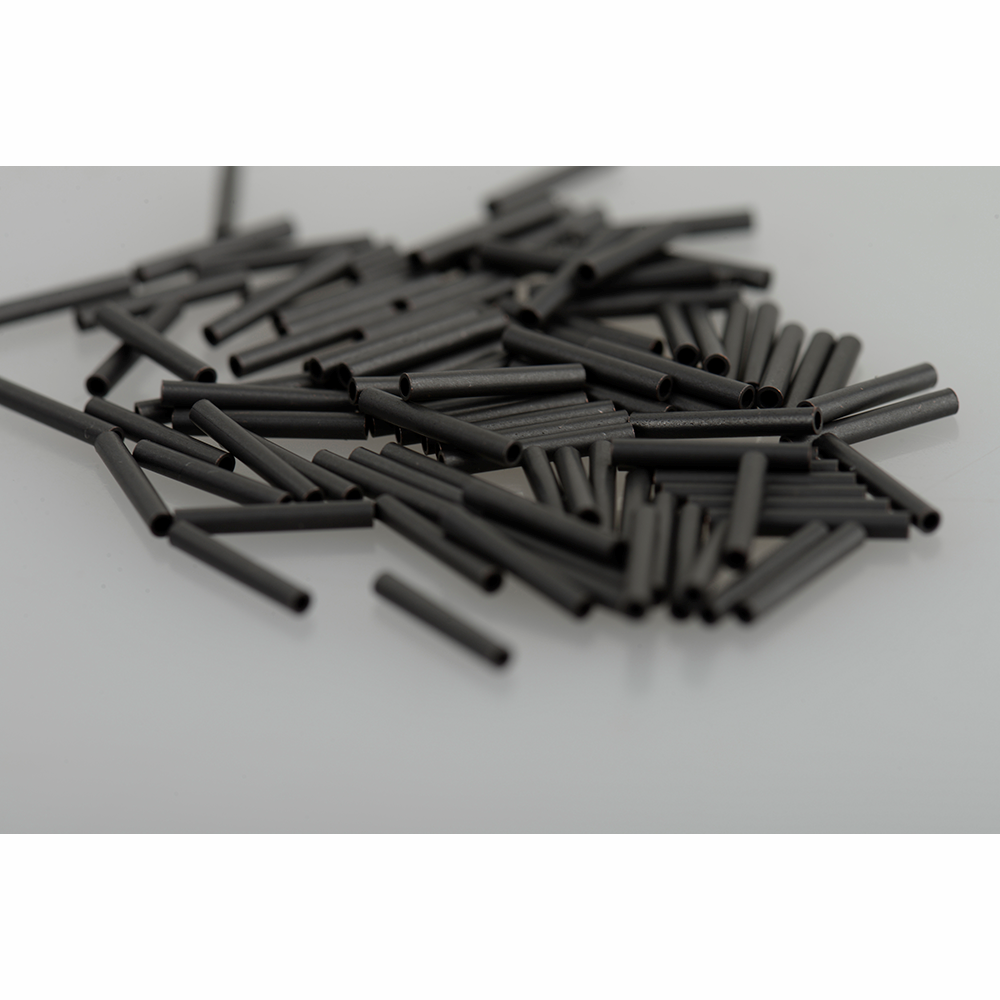
Rings and crimps create compact connections between lures, hooks, leaders, traces and other terminal components. Split rings can be opened with suitable pliers and replaced, solid rings provide a closed tie or attachment point, and crimp sleeves secure compatible wire or heavy leader material when fitted with the correct tool.
These components are not interchangeable. A split ring must have enough recovery to close after opening, while a solid ring depends on weld quality, diameter and breaking strain. A crimp must match both the outer diameter and construction of the leader. An incorrect sleeve or excessive pressure can weaken the connection instead of strengthening it.
Browse all terminal tackle, compare quick-change snaps and swivels, use stops and bands for positioning and bait attachment, or combine suitable rings and crimps with leaders and traces.
Match diameter, material and strength
Choose a ring that fits the lure eye, hook or swivel without binding. A ring that is too thick may not pass through the eye or may prevent free movement; one that is too large can alter balance or catch weed. Check the stated strength, wire diameter, internal diameter and finish rather than relying on a numbered size alone.
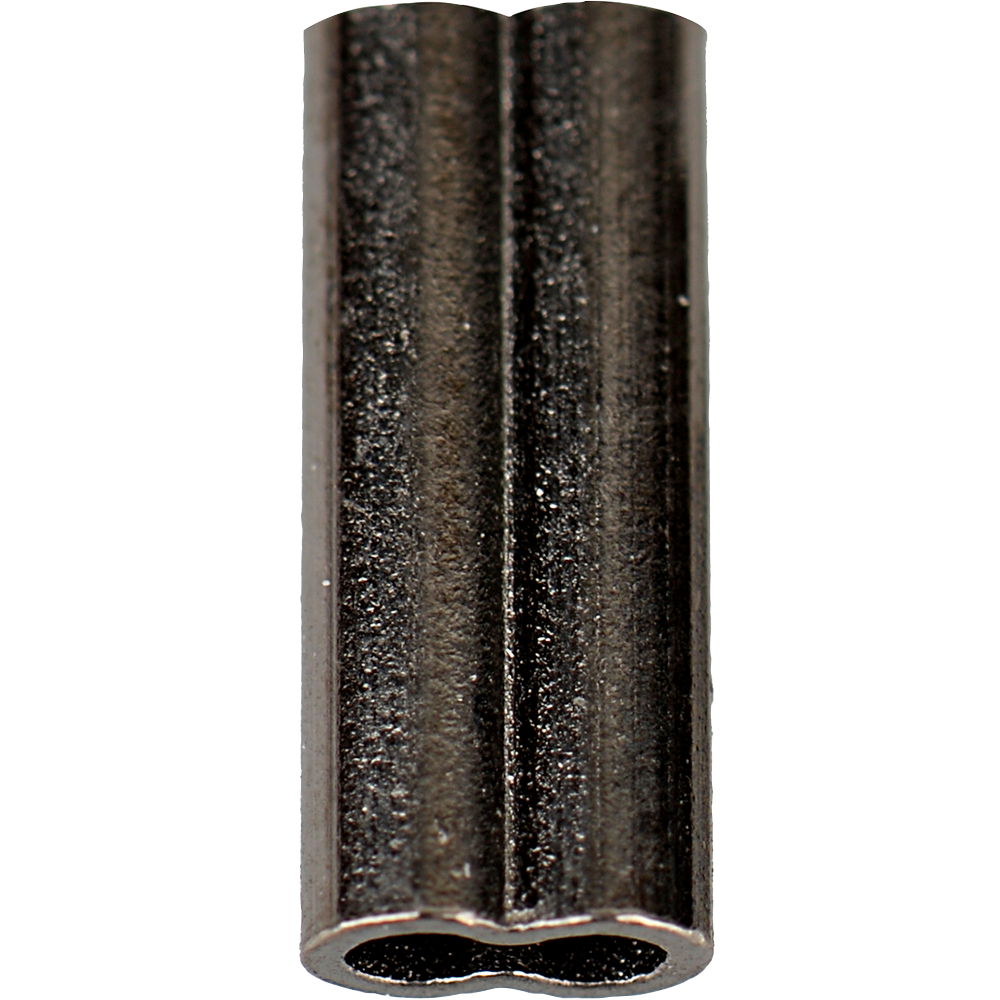
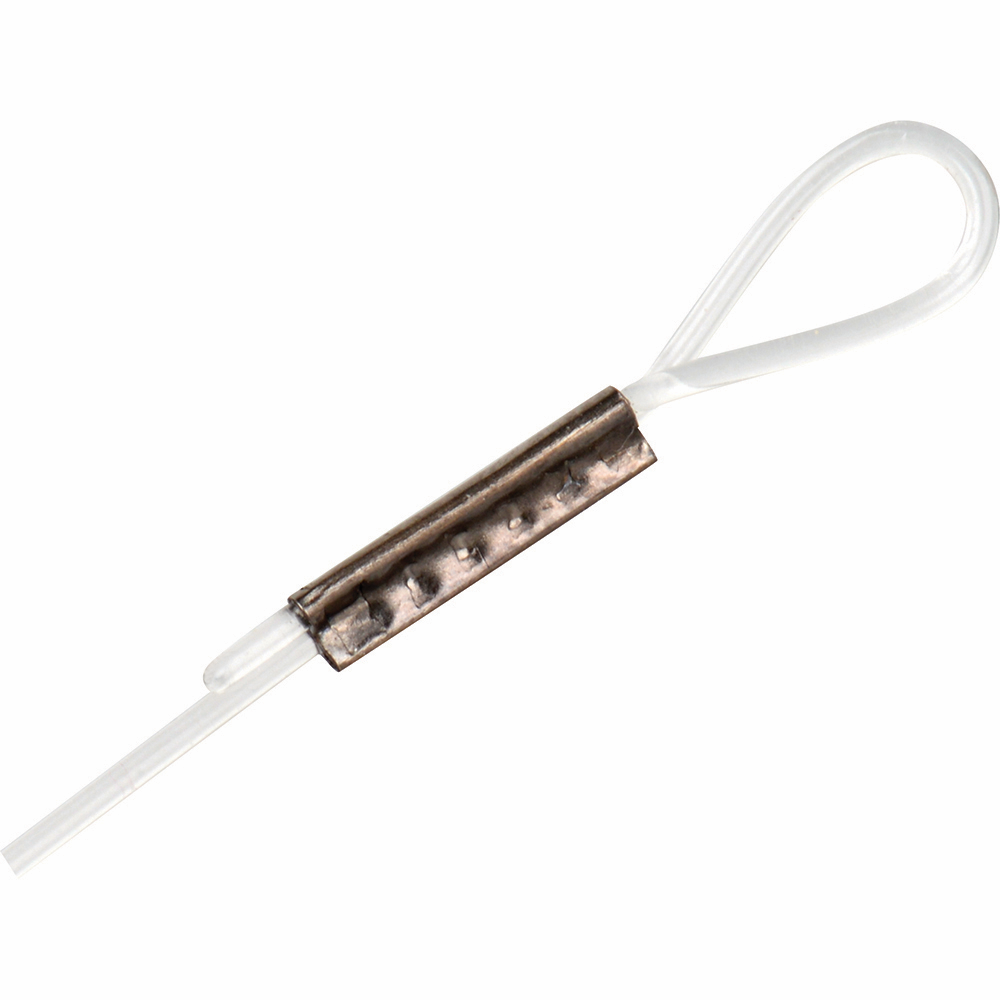
For crimped leaders, identify whether the material requires a single-barrel, double-barrel or another specified sleeve. The sleeve should slide on without cutting or crushing the leader before crimping. Follow the line and crimp manufacturer's guidance for placement, number of compressions and any required gap near the loop.
Use dedicated split-ring or crimping pliers. General-purpose tools may scratch rings, leave sharp edges or apply uneven pressure. Test completed leaders with controlled tension before fishing, and reject any connection that slips, kinks or shows flattened leader material outside the intended crimp area.
Inspect connections before every session
Check split rings for gaps, overlap, distortion and corrosion. Inspect solid rings for rough welds and crimps for movement or cracked coatings. Saltwater tackle should be rinsed and dried after use, while all components need replacement after significant damage or unexplained deformation.
Keep sizes and materials separated and labelled so an unverified sleeve is not used on the wrong leader. Wear eye protection when cutting heavy wire, secure sharp ends and dispose of damaged metal components safely. The complete rig remains limited by its weakest knot, ring, crimp, clip or leader.