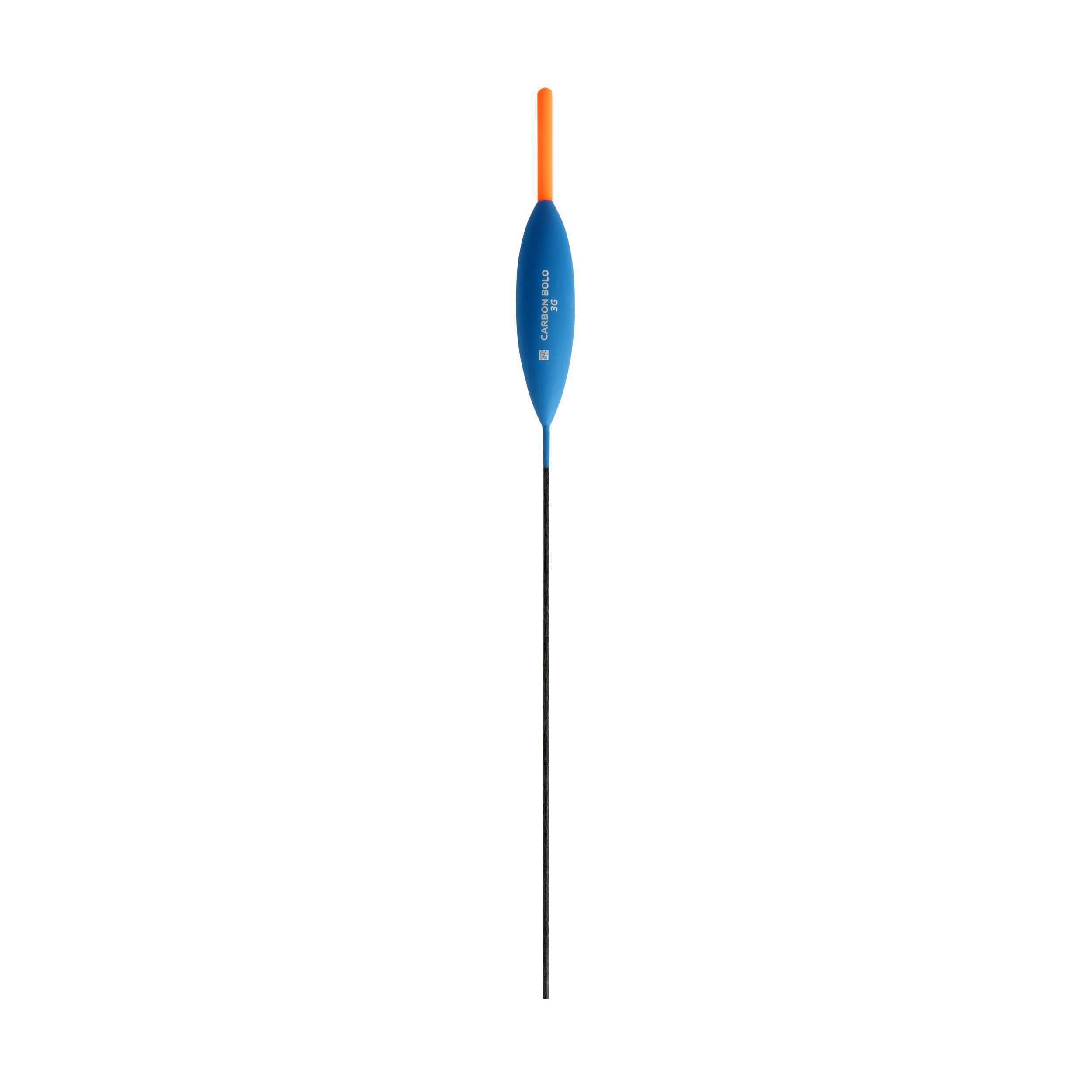
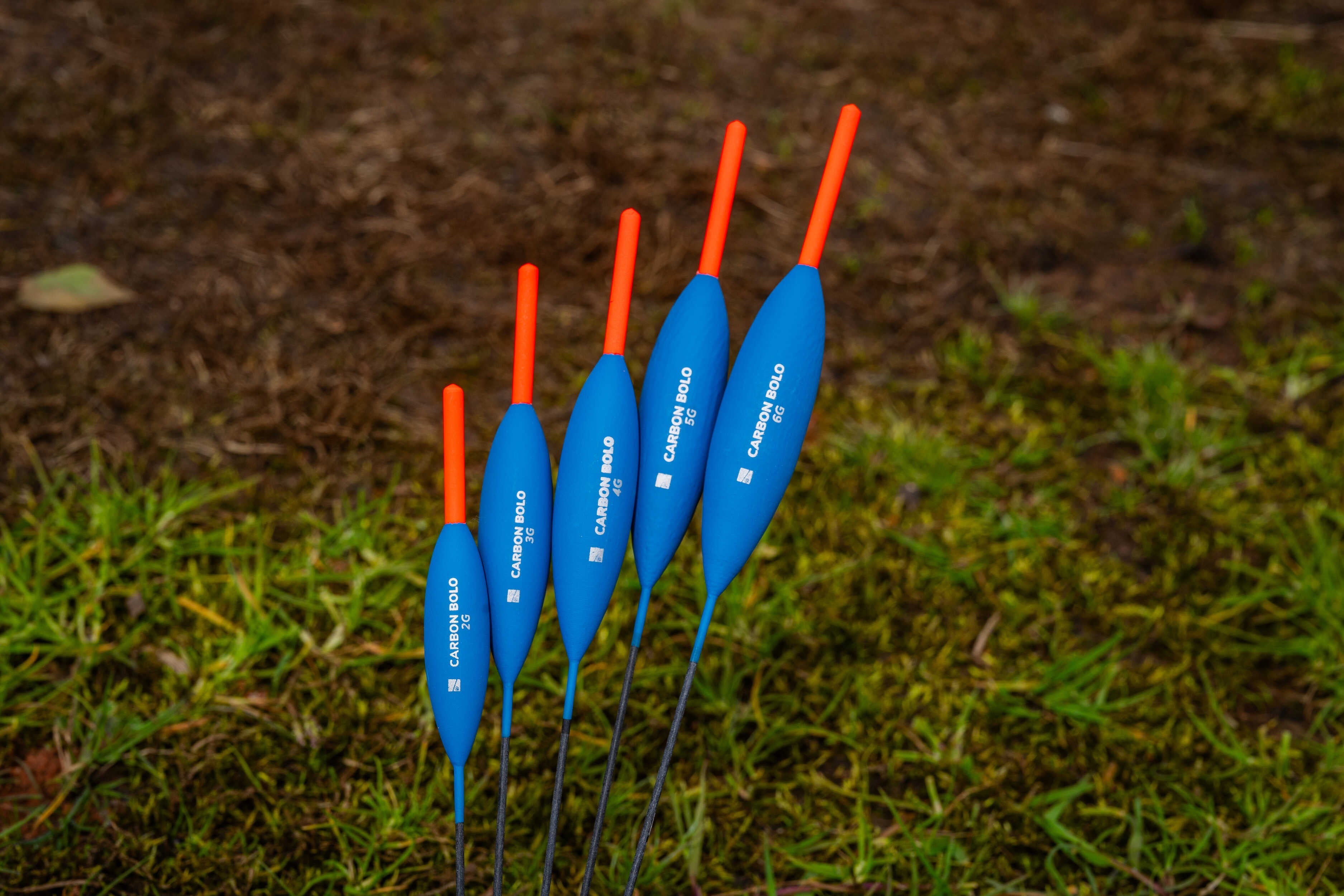
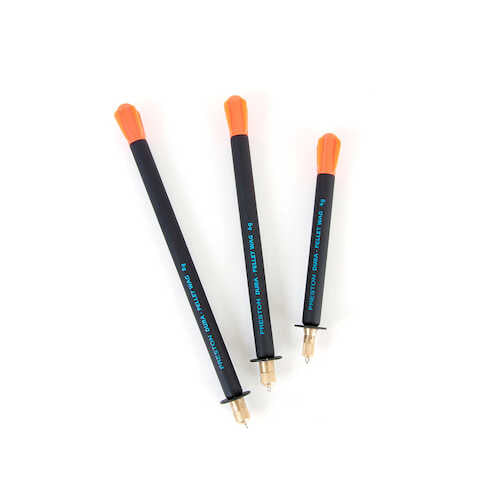
Wagglers for match and coarse fishing
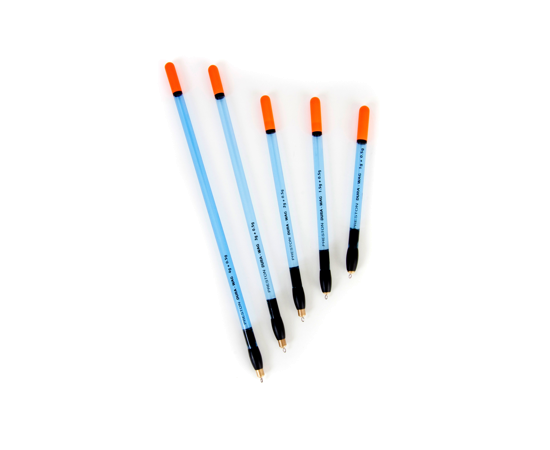
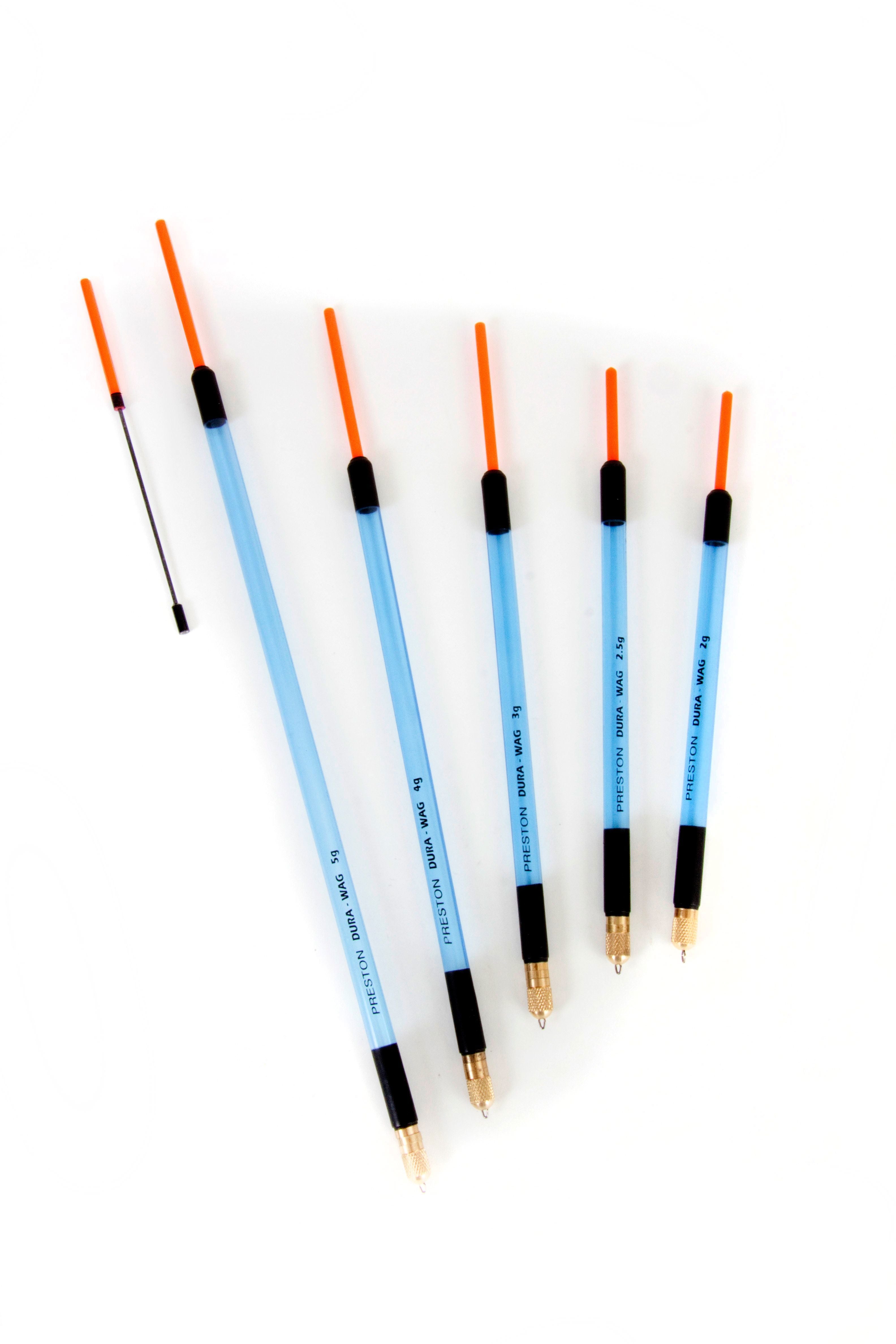
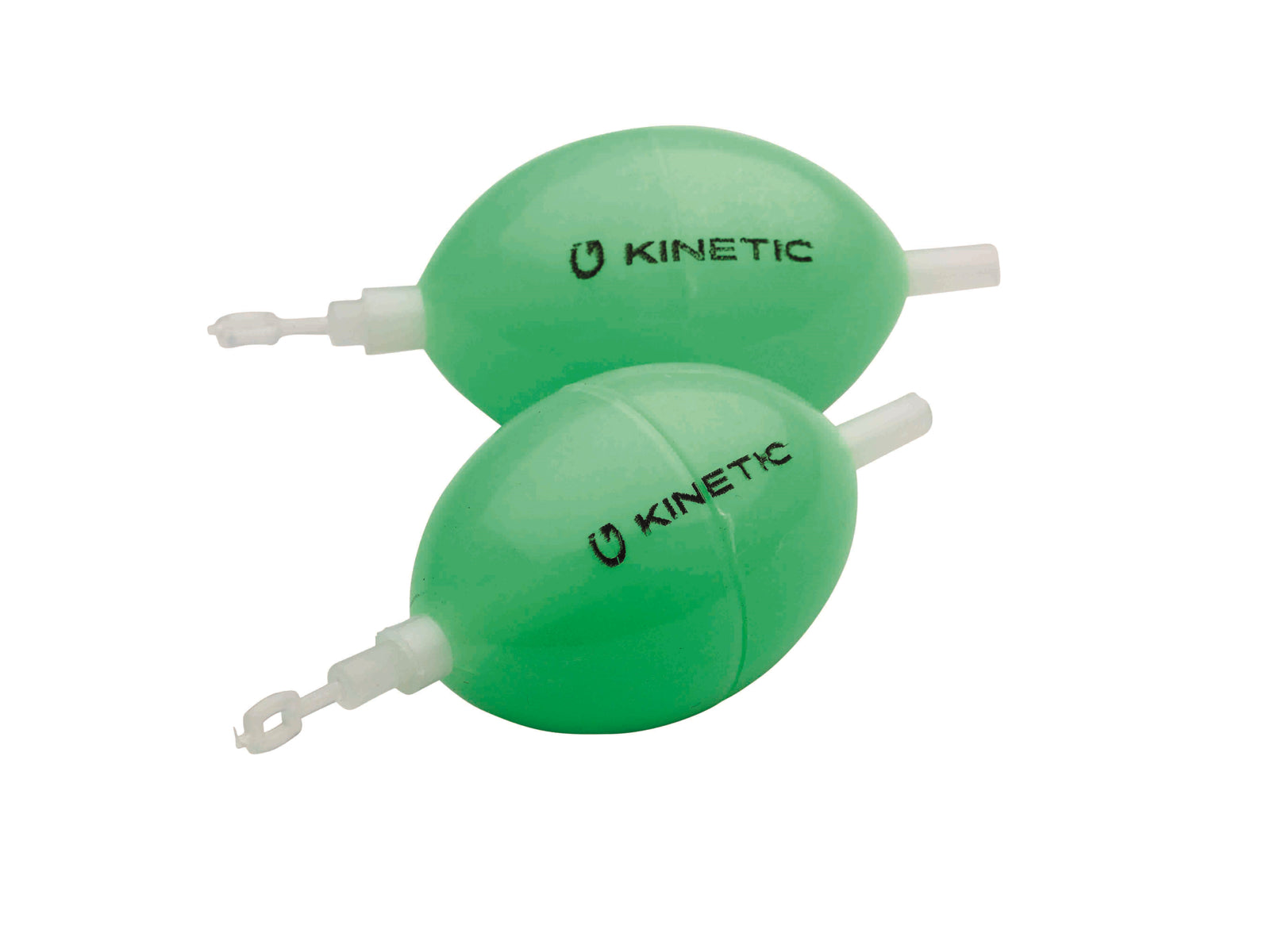
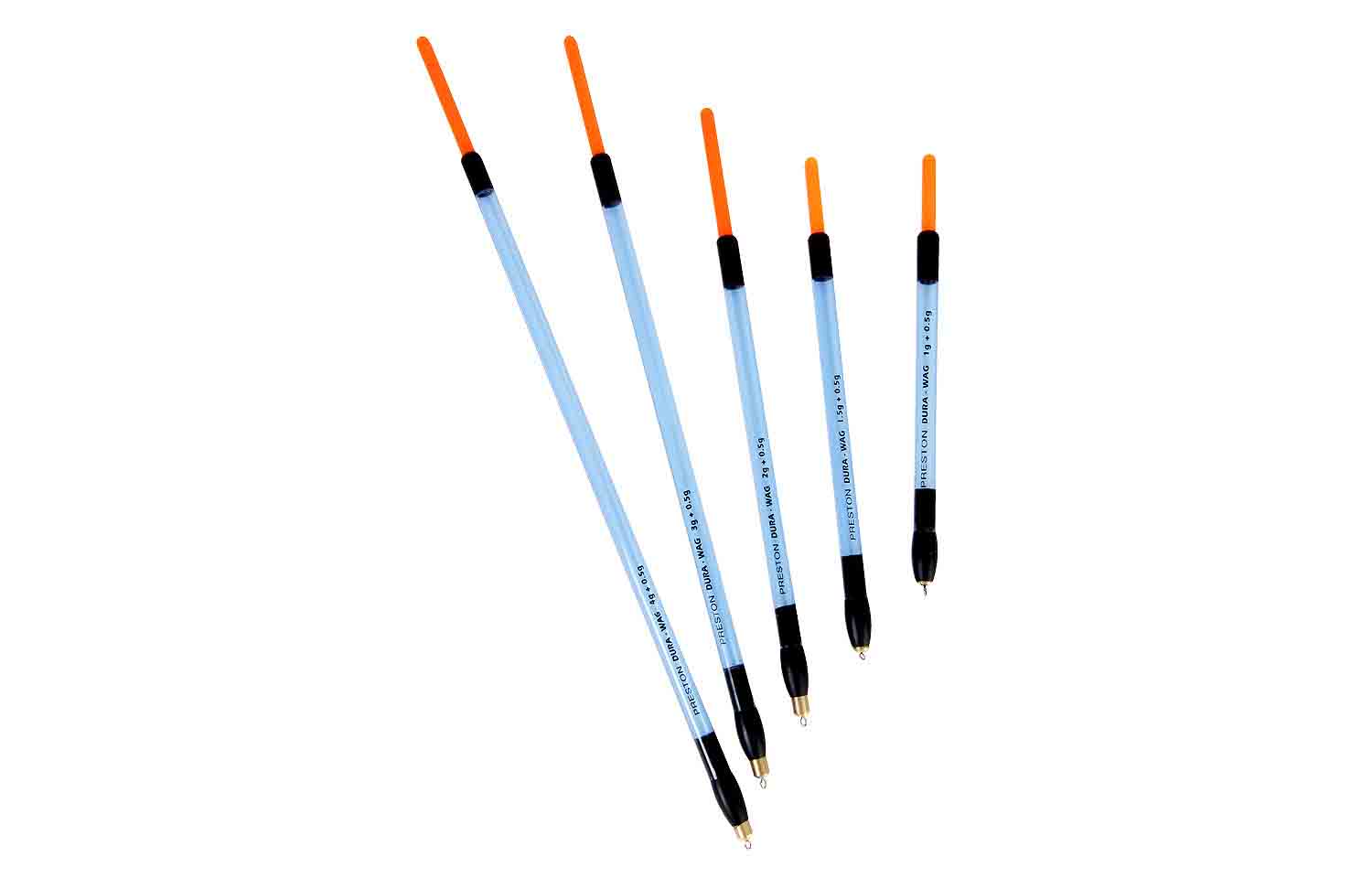
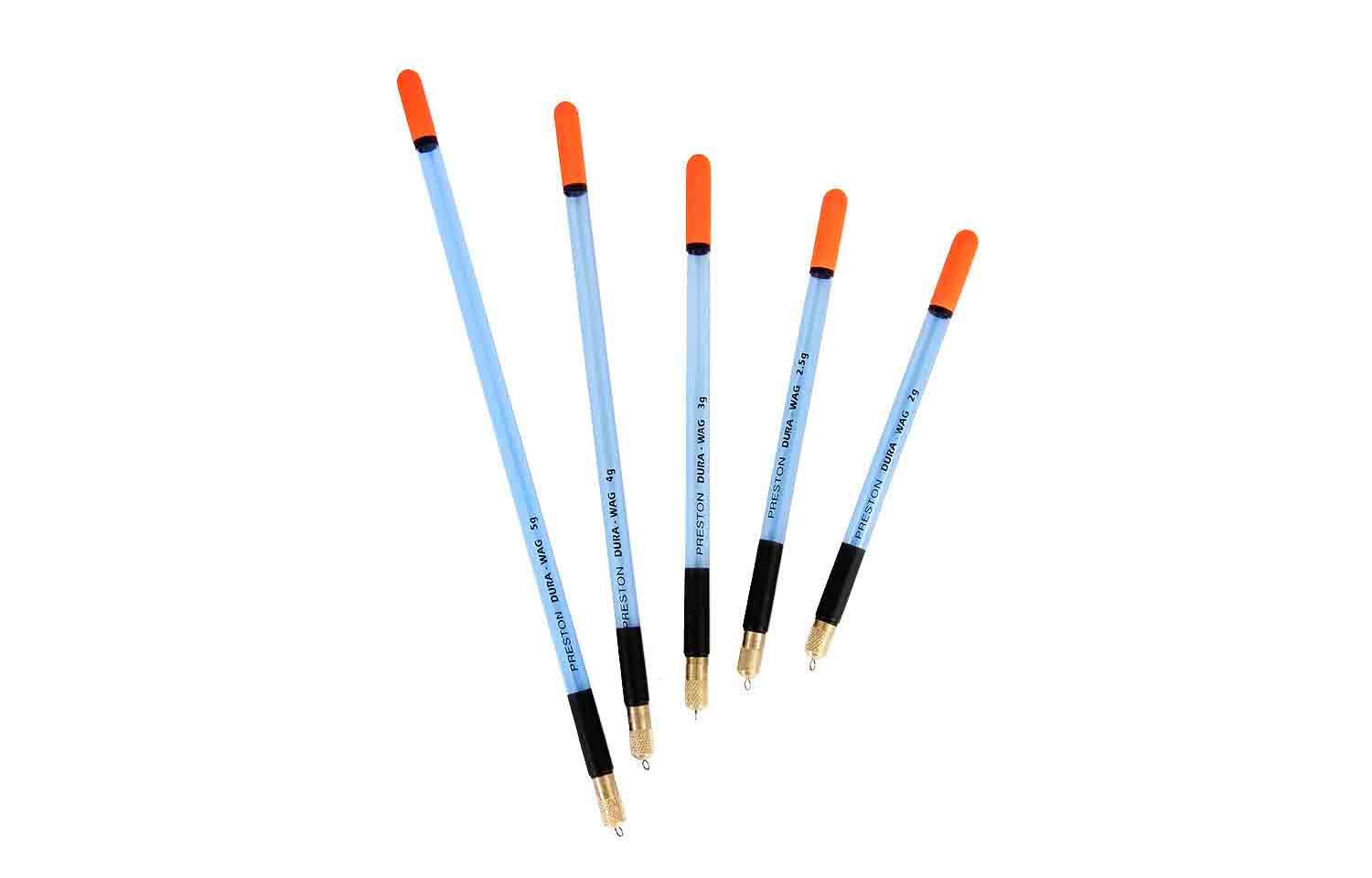
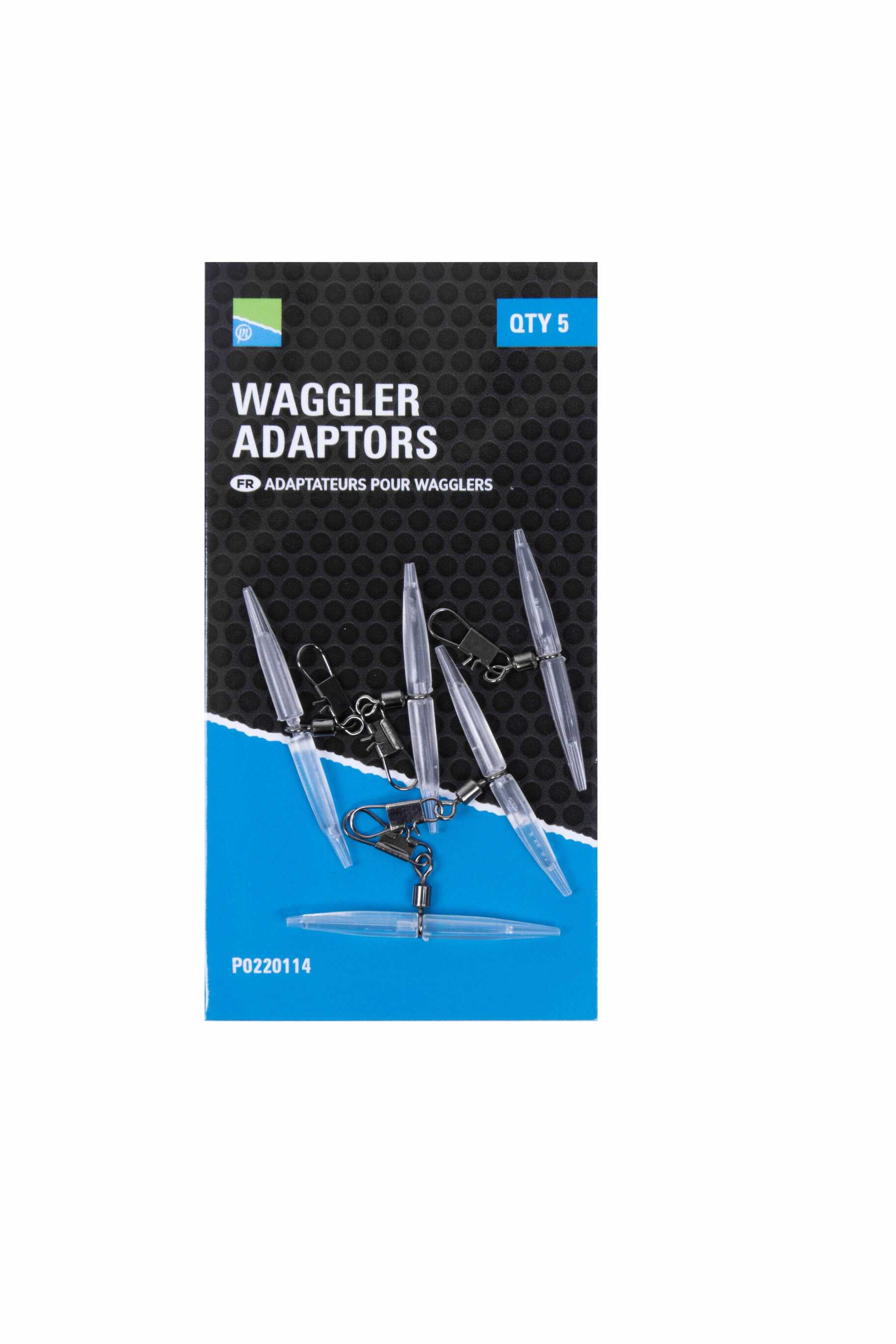
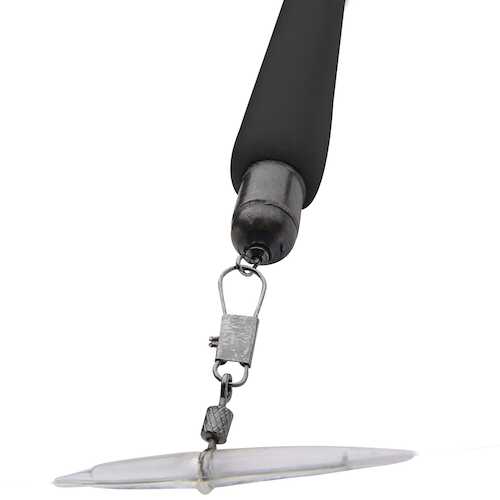
Wagglers attach to the line at the bottom, leaving most of the main line beneath the surface and reducing wind influence. Straight, insert, loaded and pellet patterns cover close-range silverfish work, distance casting and commercial carp fishing. The range includes Preston Innovations, Zebco, Matrix, Kinetic, Little Viking, Abu Garcia and Westin.
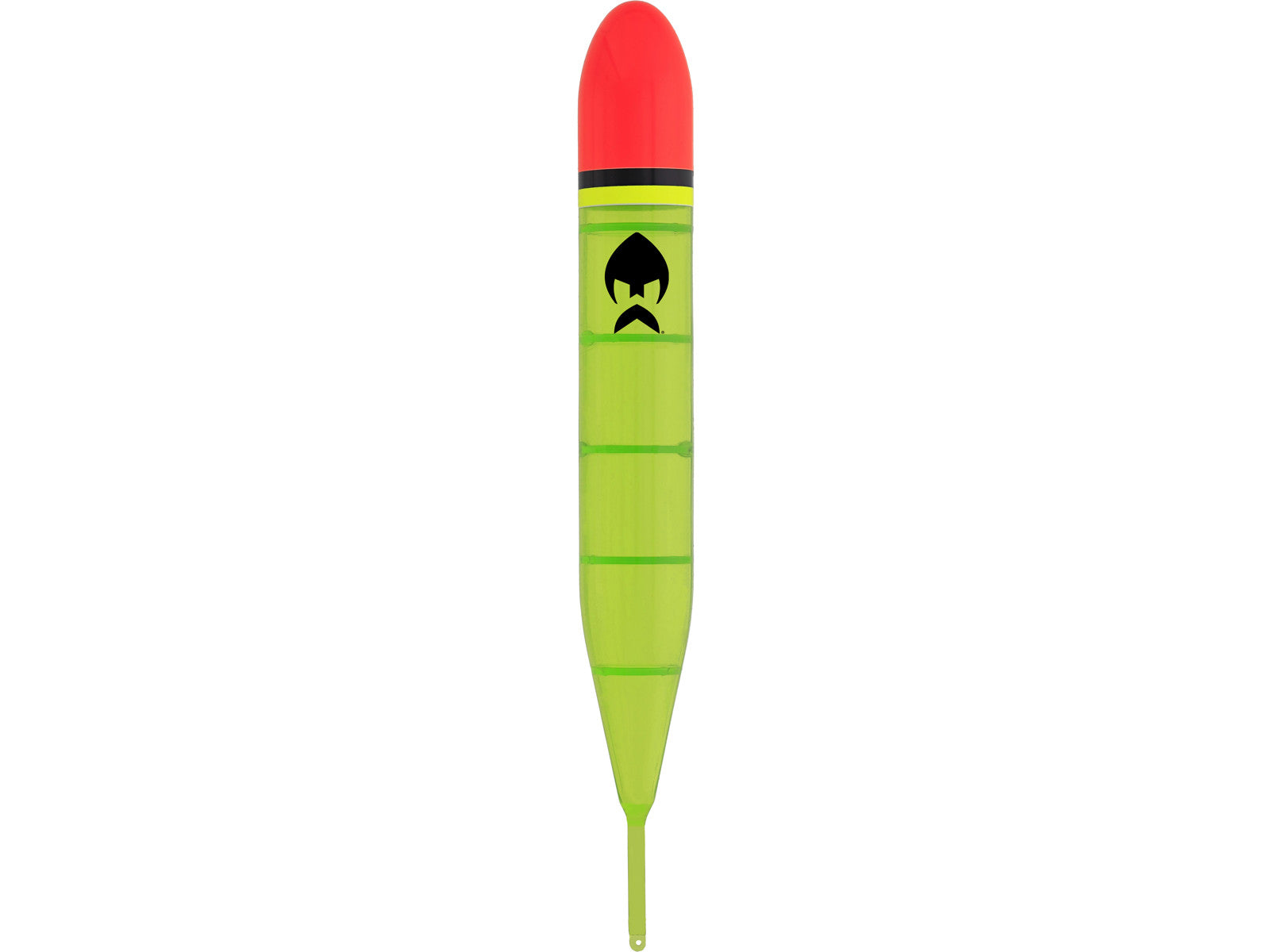
A straight waggler has a consistent body or shaft and offers stability, while an insert waggler uses a finer visible tip for sensitivity. Loaded models carry weight in the base, reducing the amount of shot needed on the line. Pellet wagglers are more robust and are often used for shallow commercial-fishery methods.
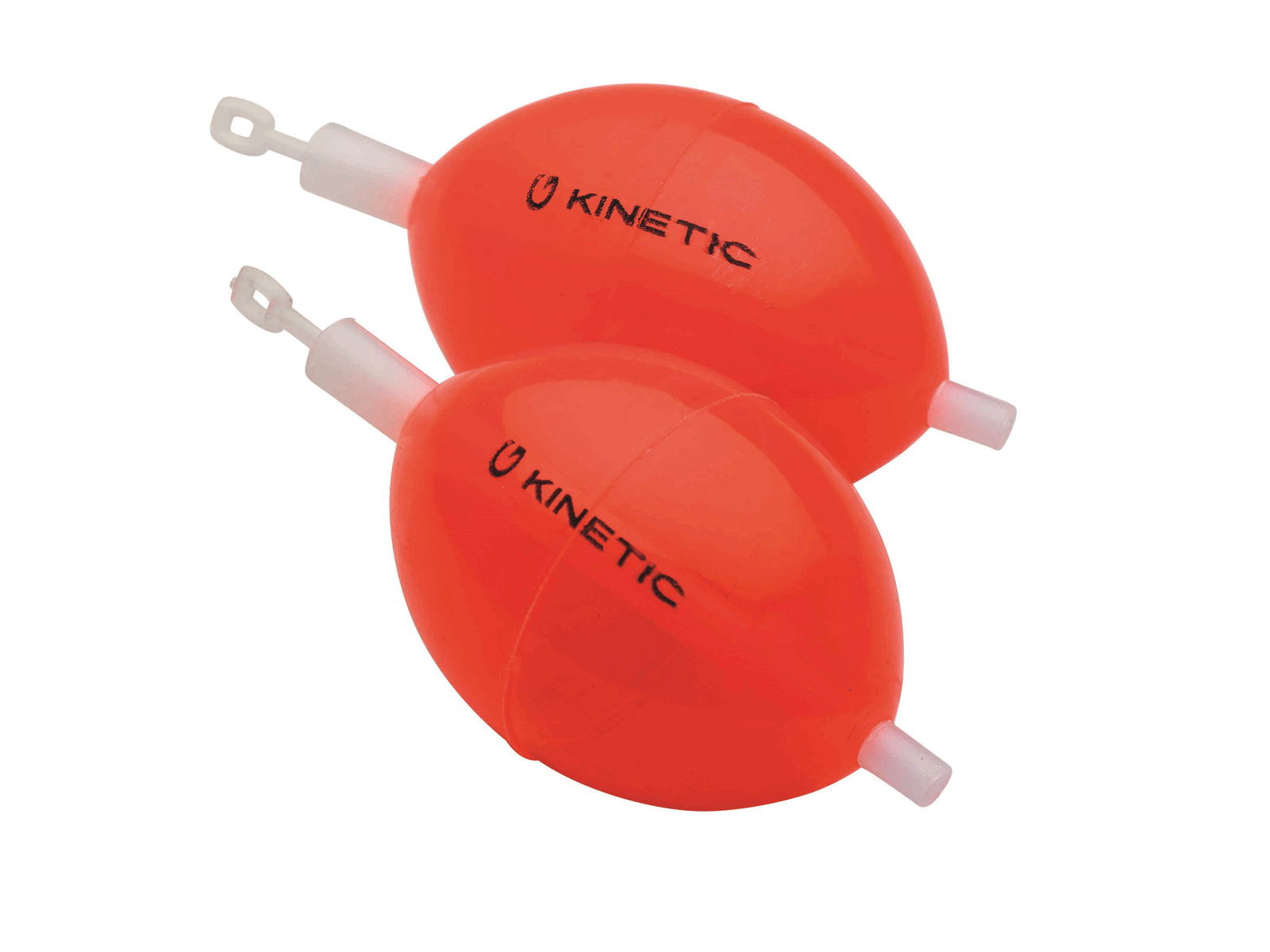
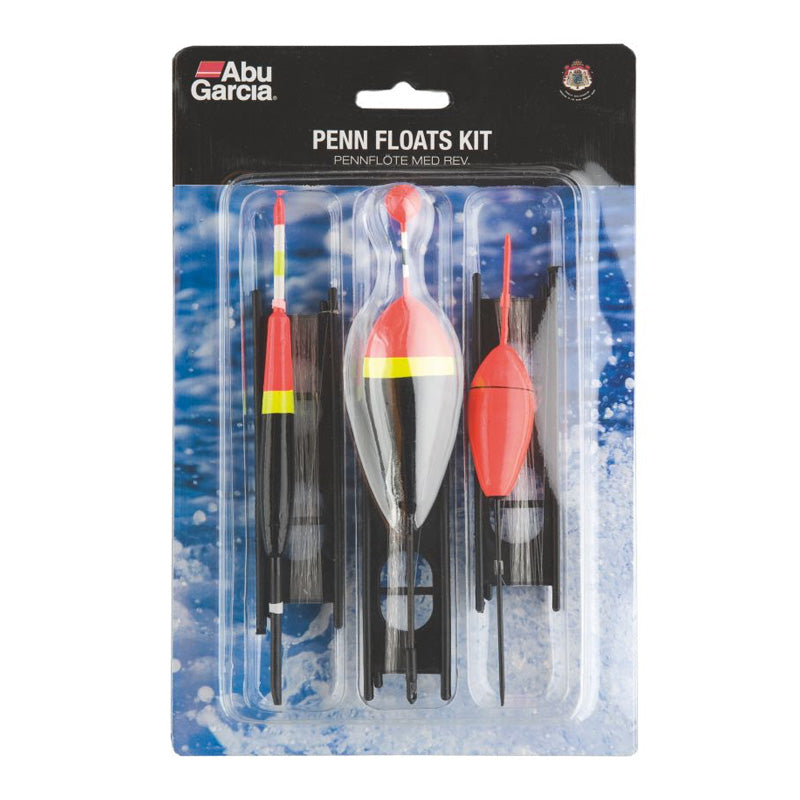
Browse all fishing floats, compare close-control pole floats, use sliding floats when depth exceeds practical fixed-float rig length, or explore bubble floats for casting light baits or surface presentations.
Choose loading, size and visibility
Match the waggler to casting distance and conditions. More loading improves range and stability but can make entry noisier. Use the lightest float that reaches the feed accurately and remains controllable. Check whether the listed weight is built into the float, the required shot load or the complete carrying capacity.
Tip diameter and colour affect visibility against reflection, sky and bank background. Carry alternatives rather than painting over the tip with material that changes balance. Shot the float so only the required tip remains visible, and test it with the actual hook bait because bait weight can alter the final position.
Fixed attachment suits shallower water and simple rigs; a slider arrangement is better when the swim is deeper than the rod can comfortably handle. Use stops, beads and connectors sized for the line and float eye. Ensure the stop passes through rod guides cleanly where it must be reeled in.
Cast and maintain a waggler rig
Cast smoothly, feather the line before impact and sink the line after the float settles. Keep the rod tip low enough to control surface bow without dragging the float off the feed. Recheck depth with a plummet and adjust shot when tow or wind changes.
Inspect the base eye, loading and tip after knocks or tangles. Store long floats in a rigid tube or float box, separate damaged patterns and dispose of line offcuts securely. Follow venue rules on hook size, shot and bait.