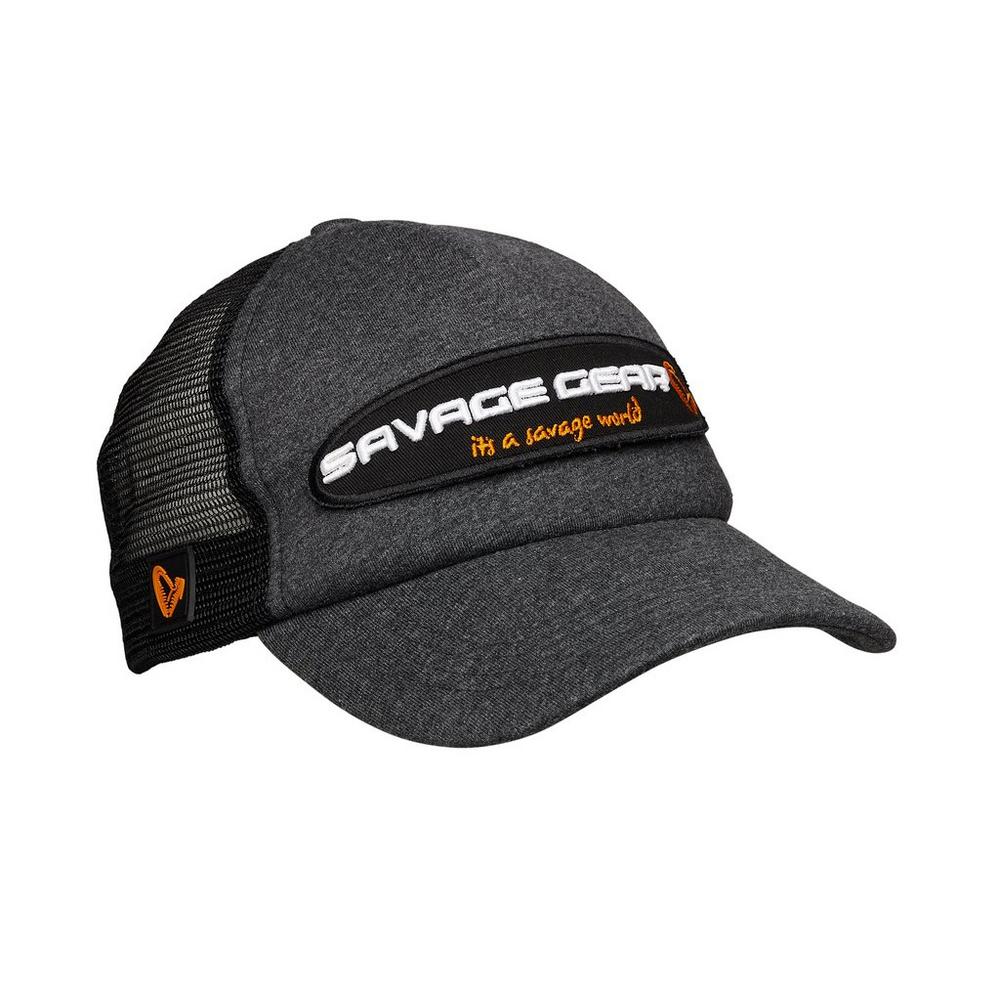
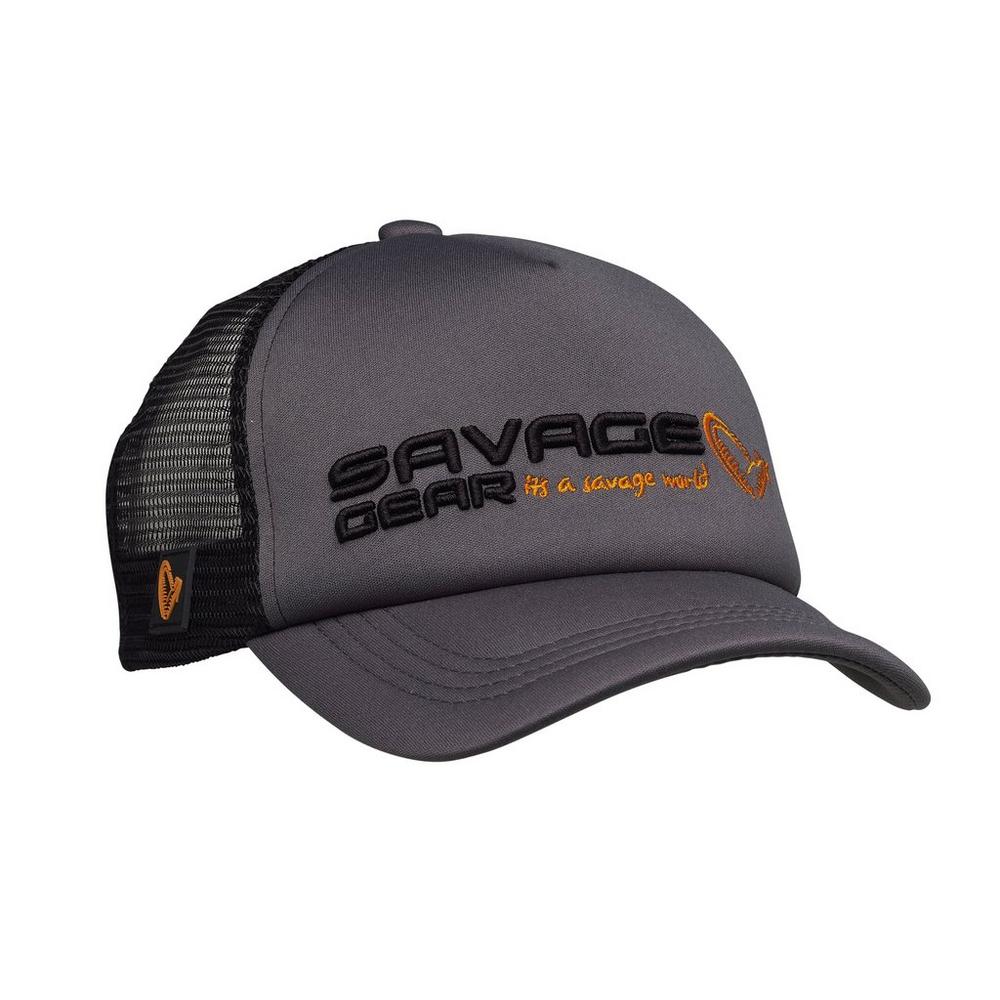
Fishing headwear for sun, rain and cold
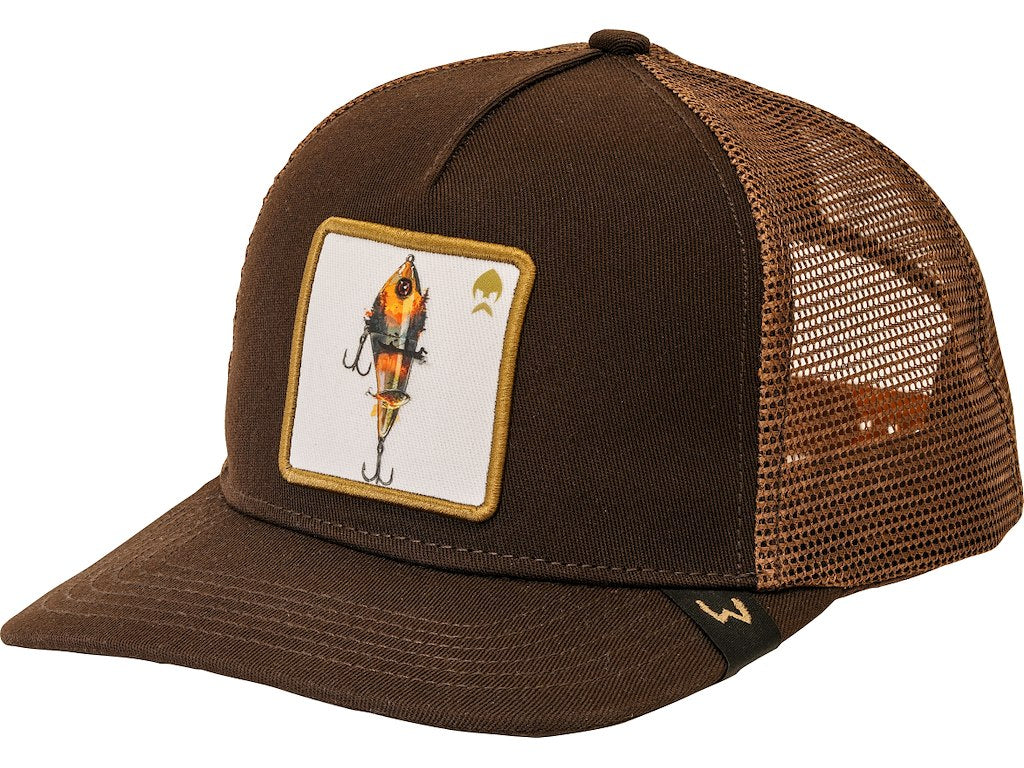
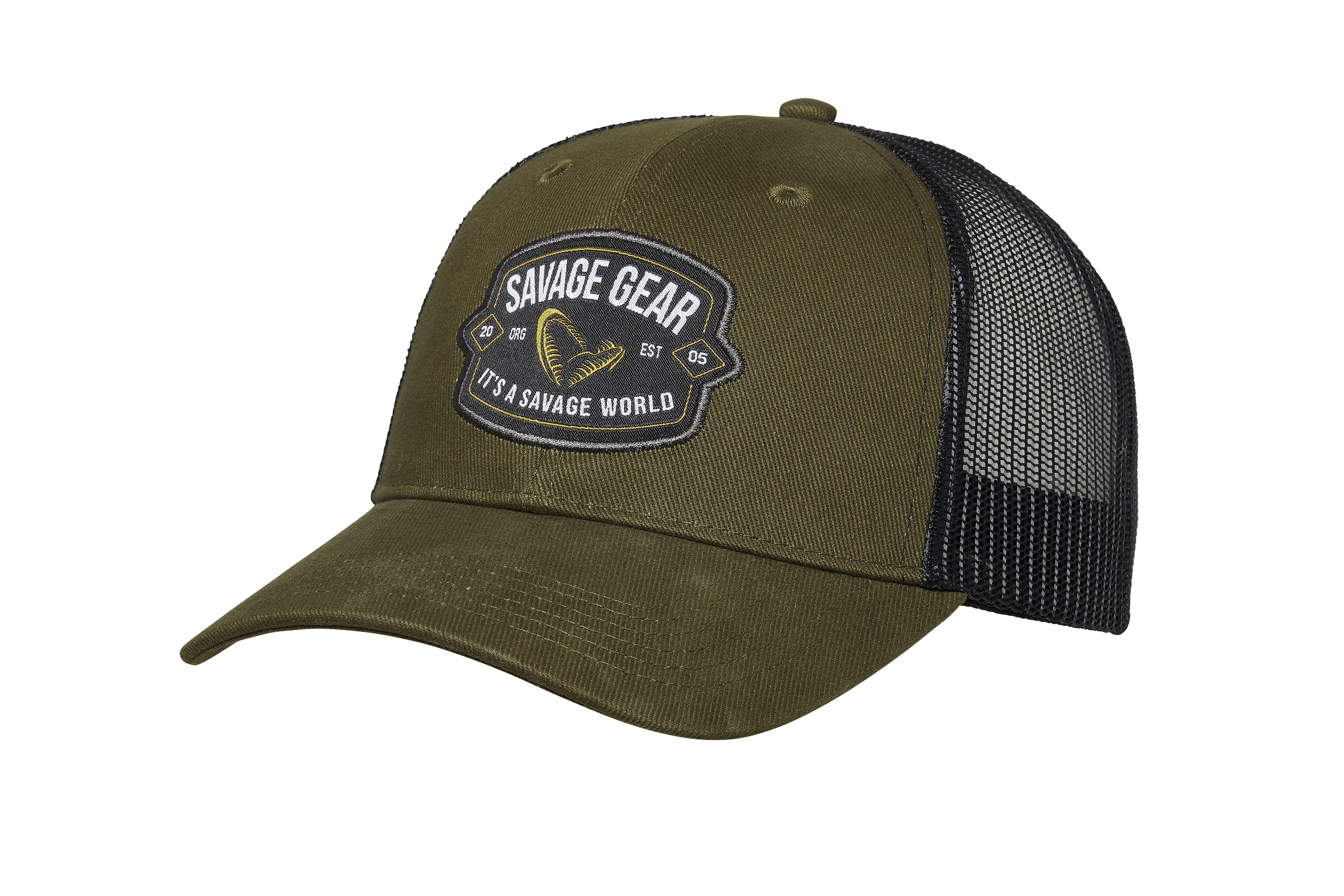
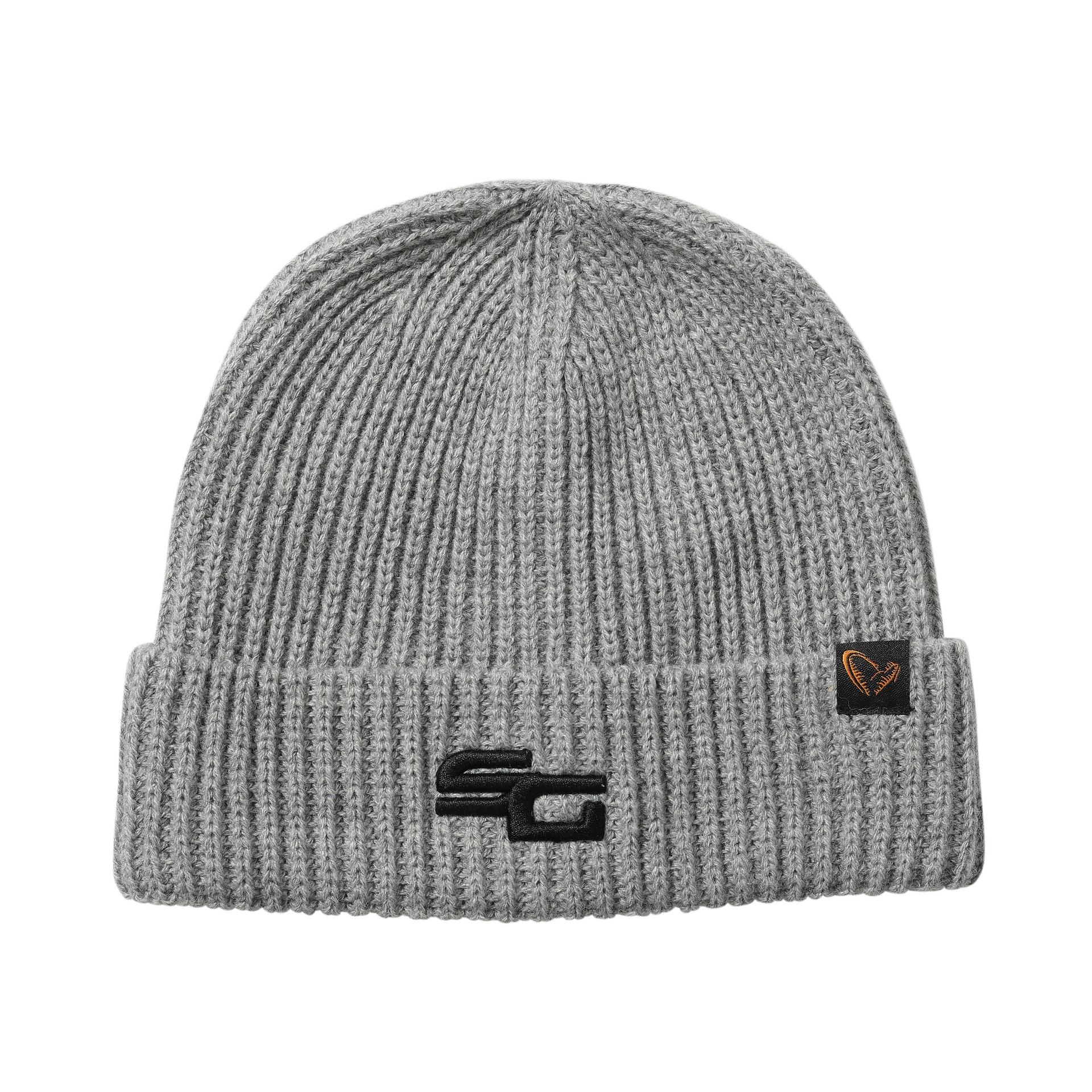
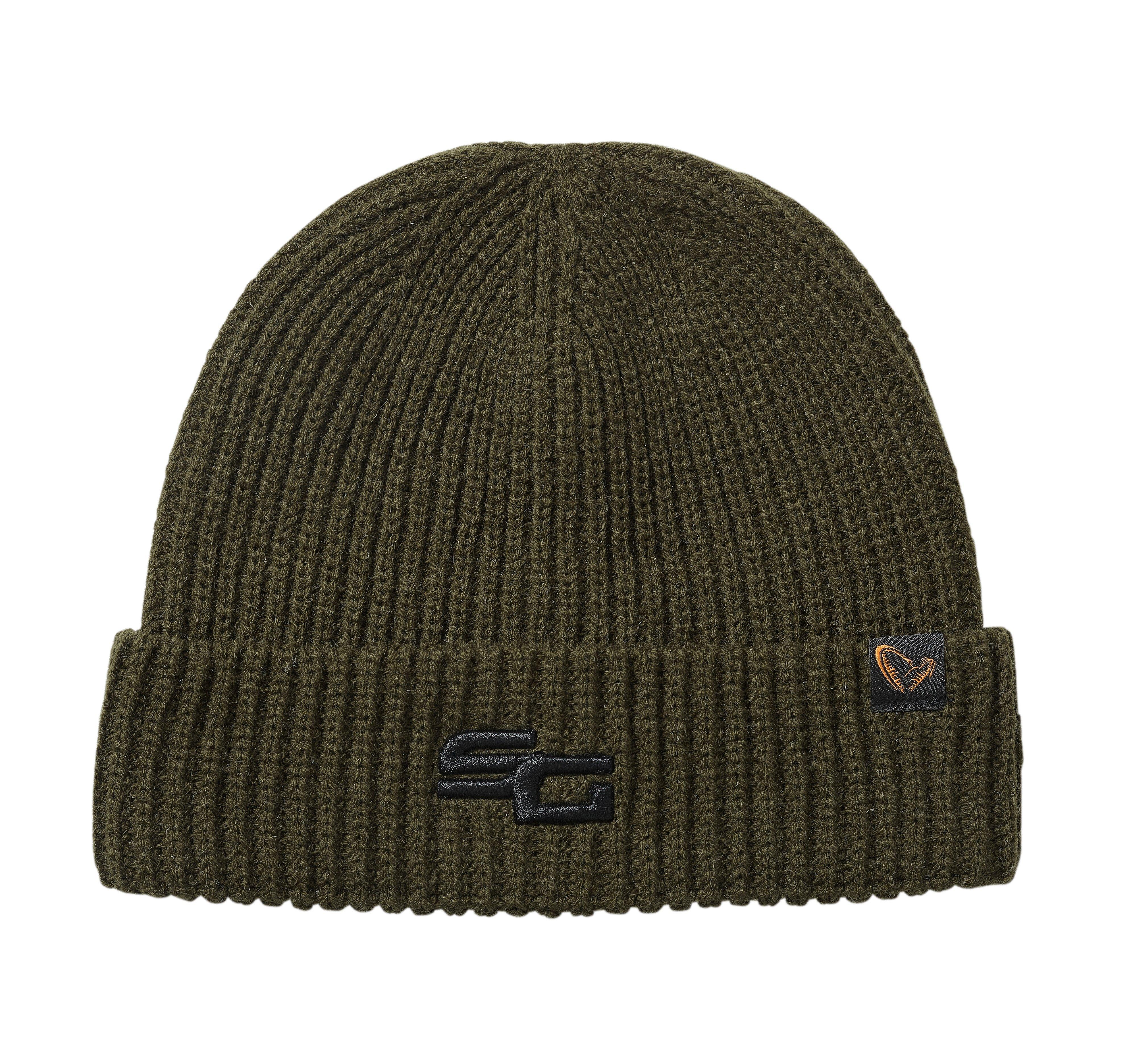
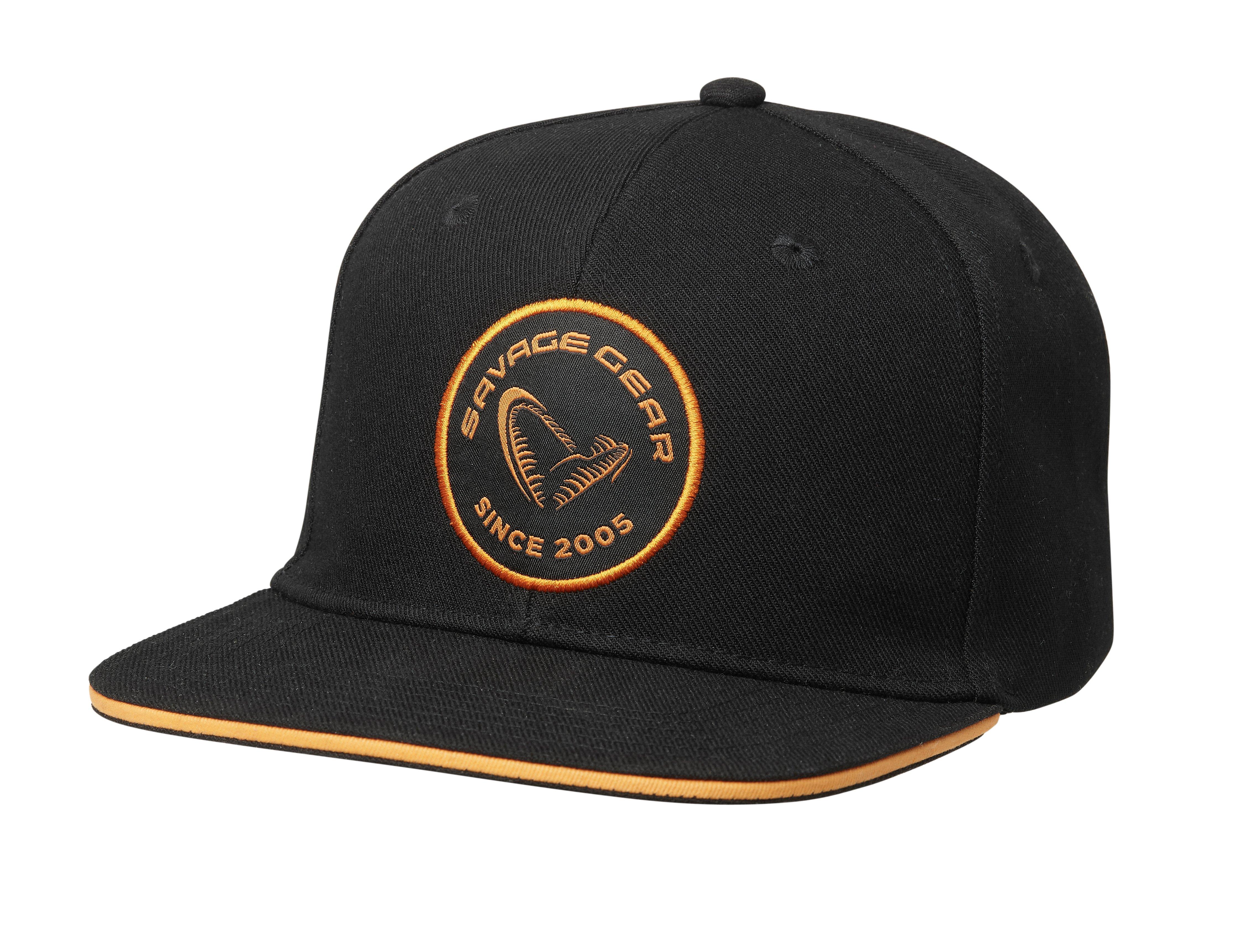
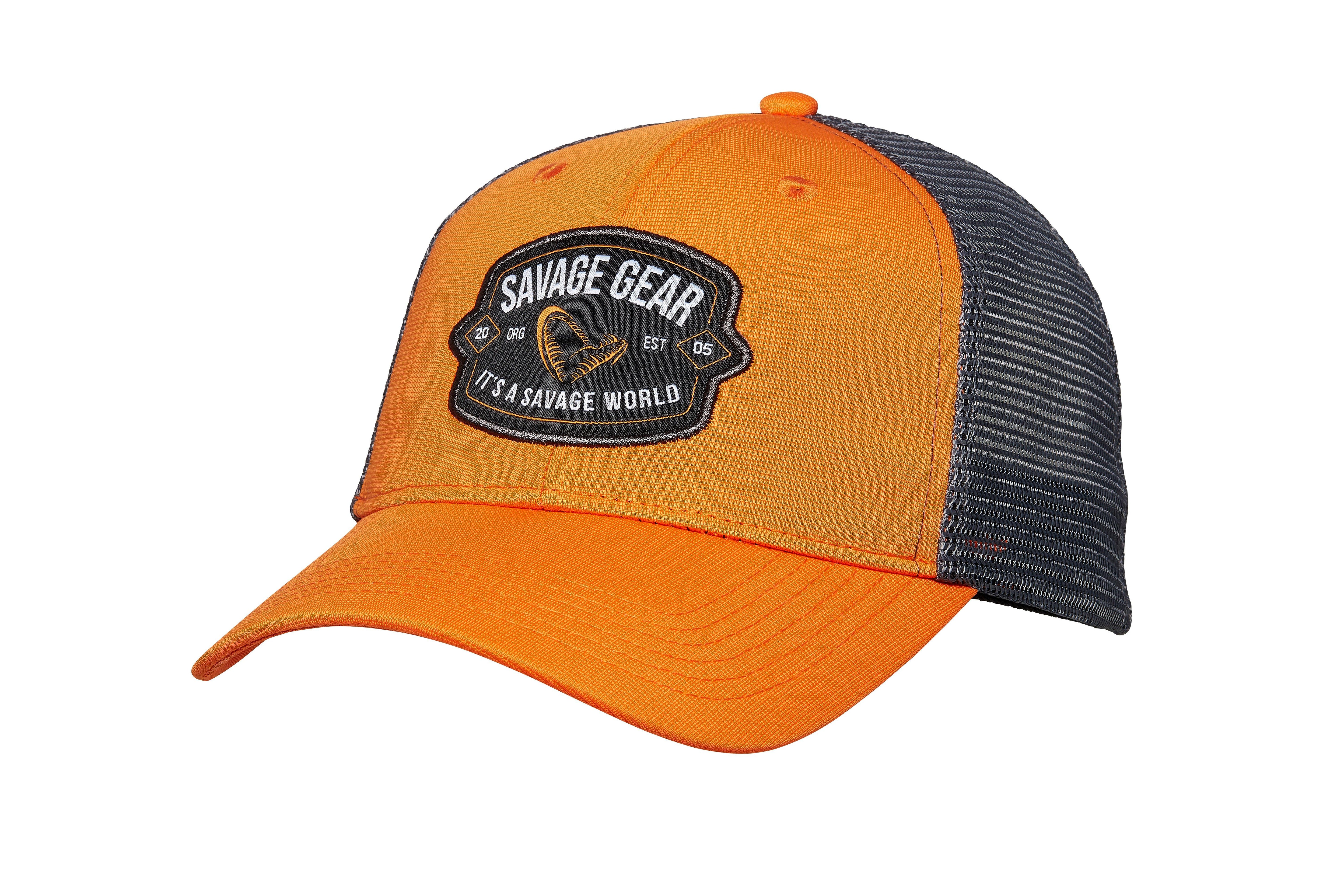
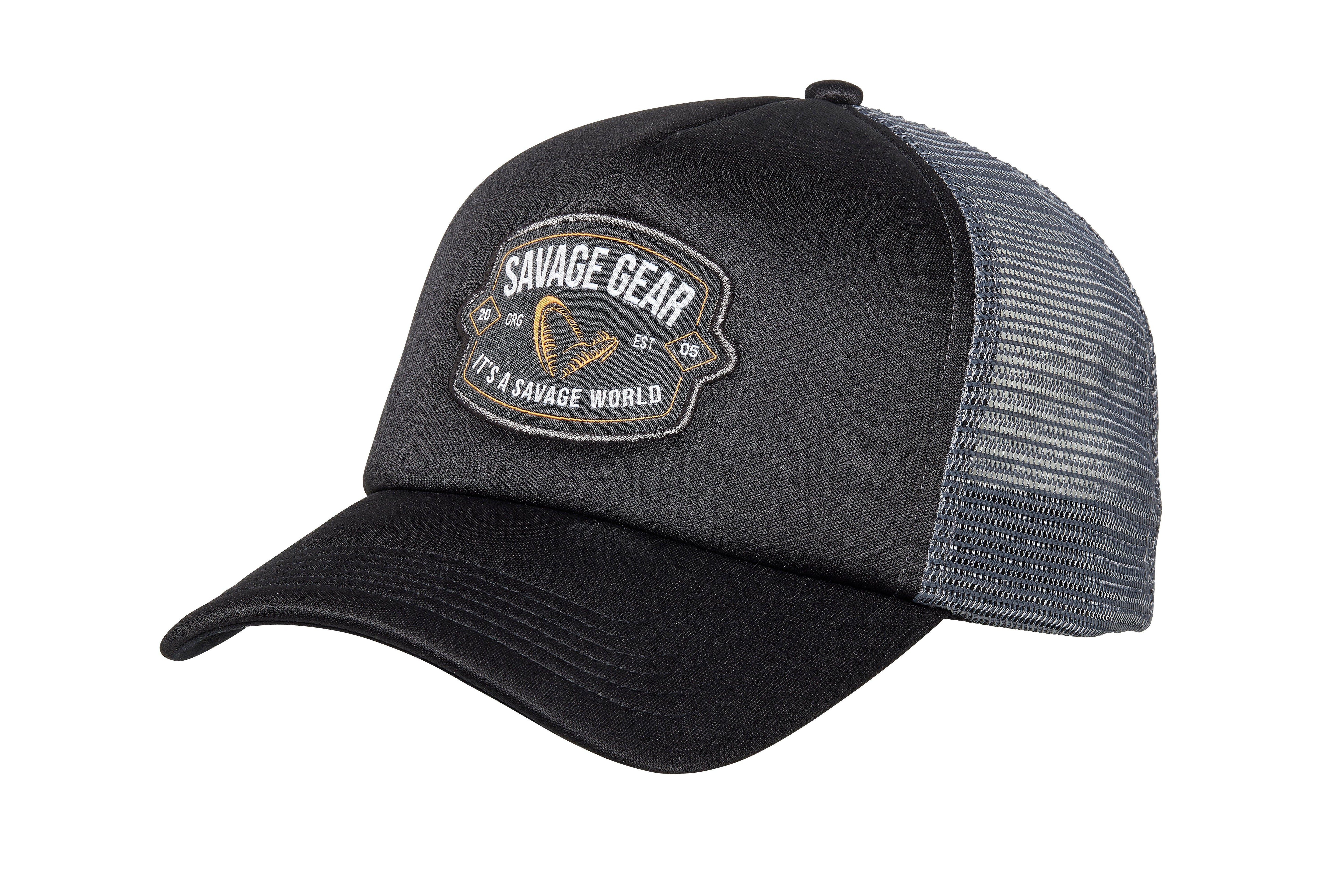
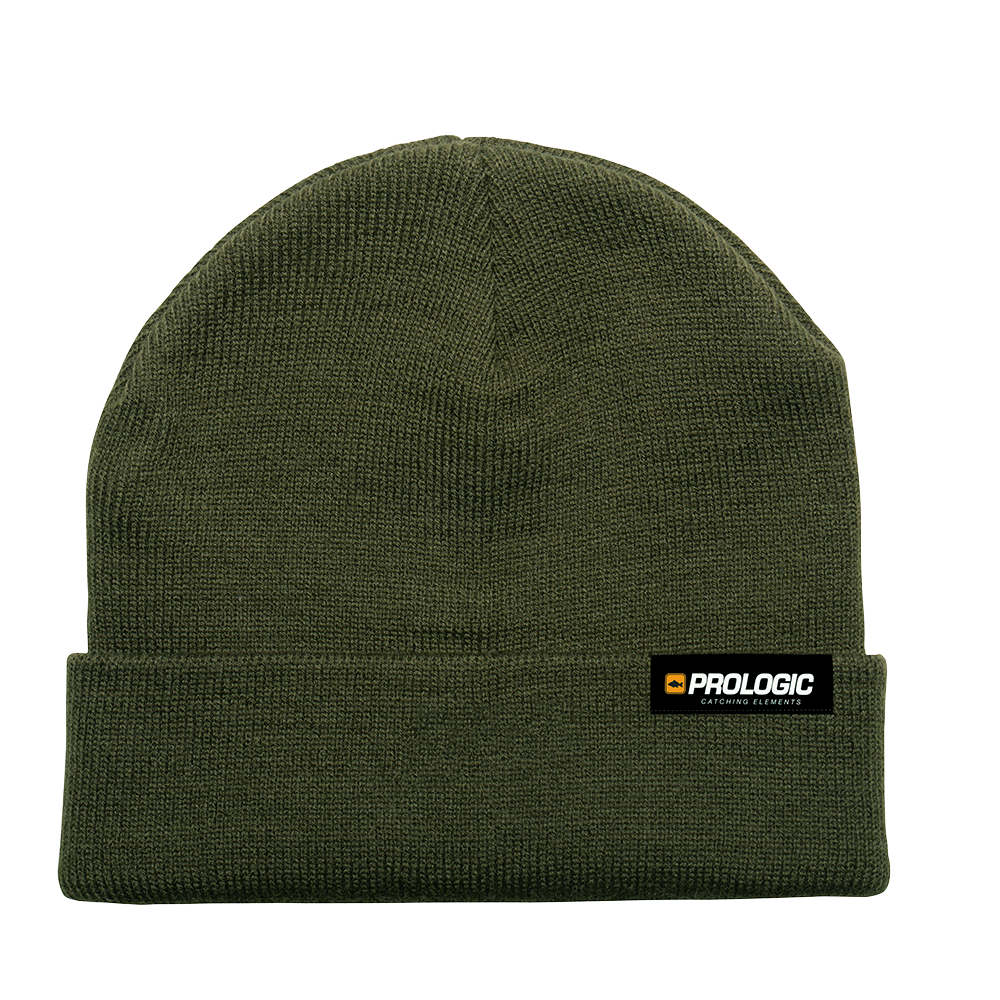
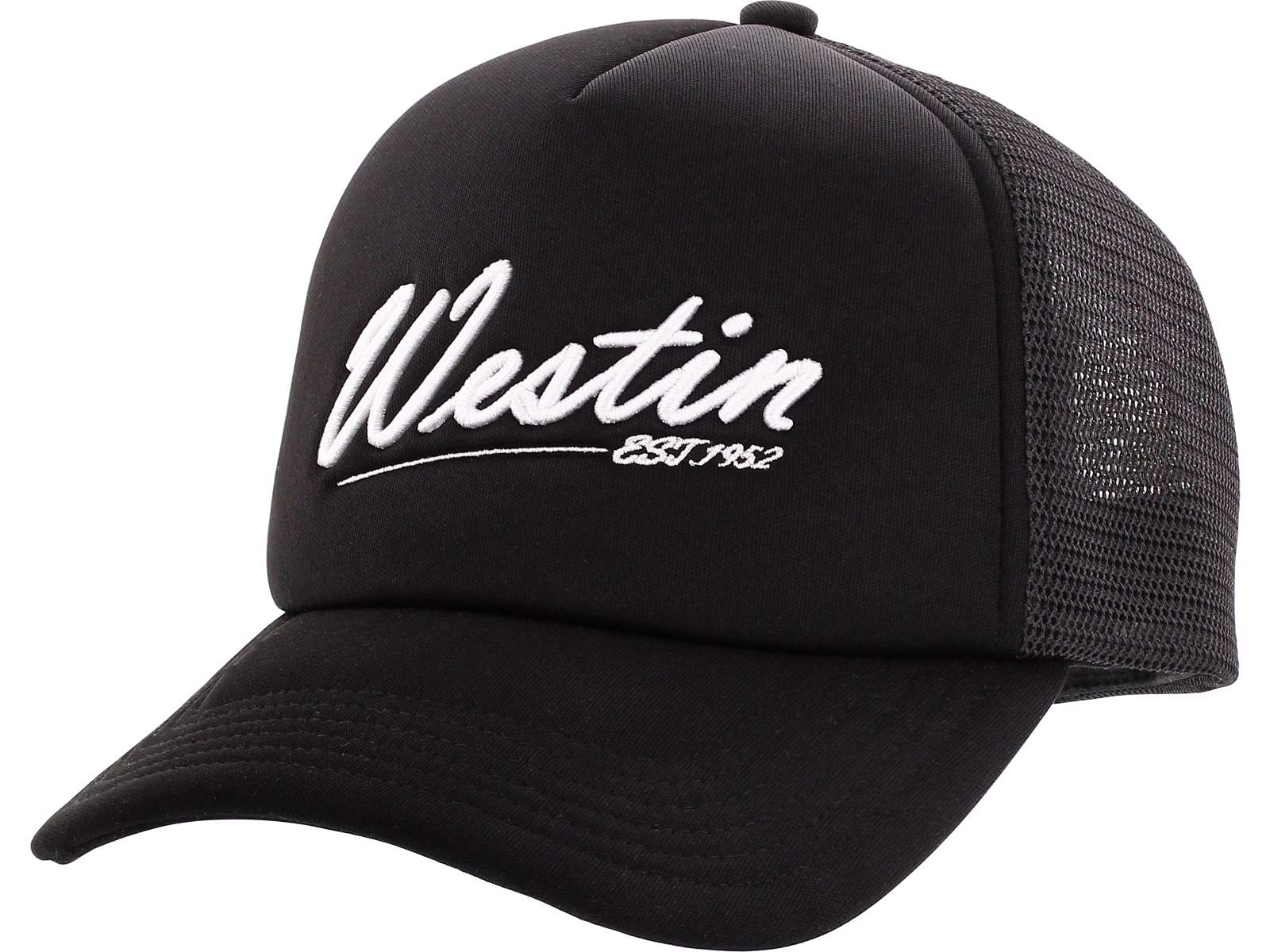
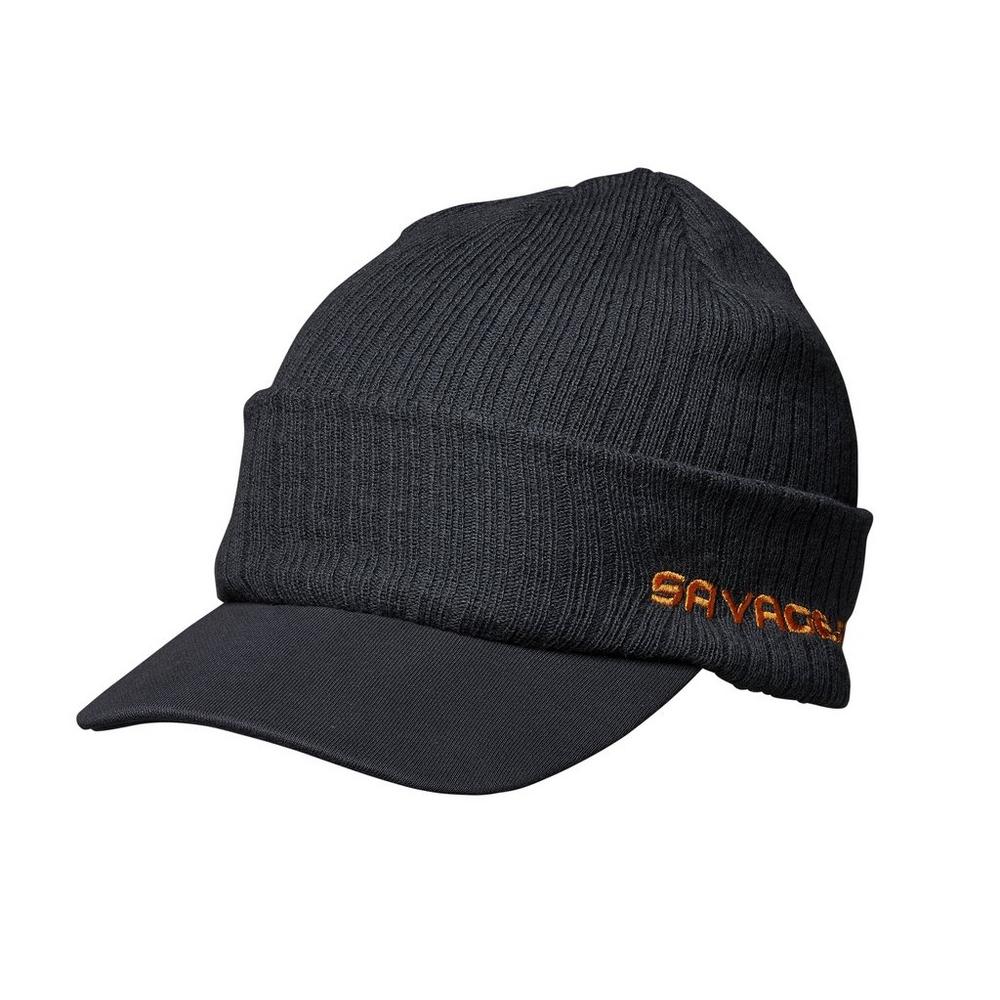
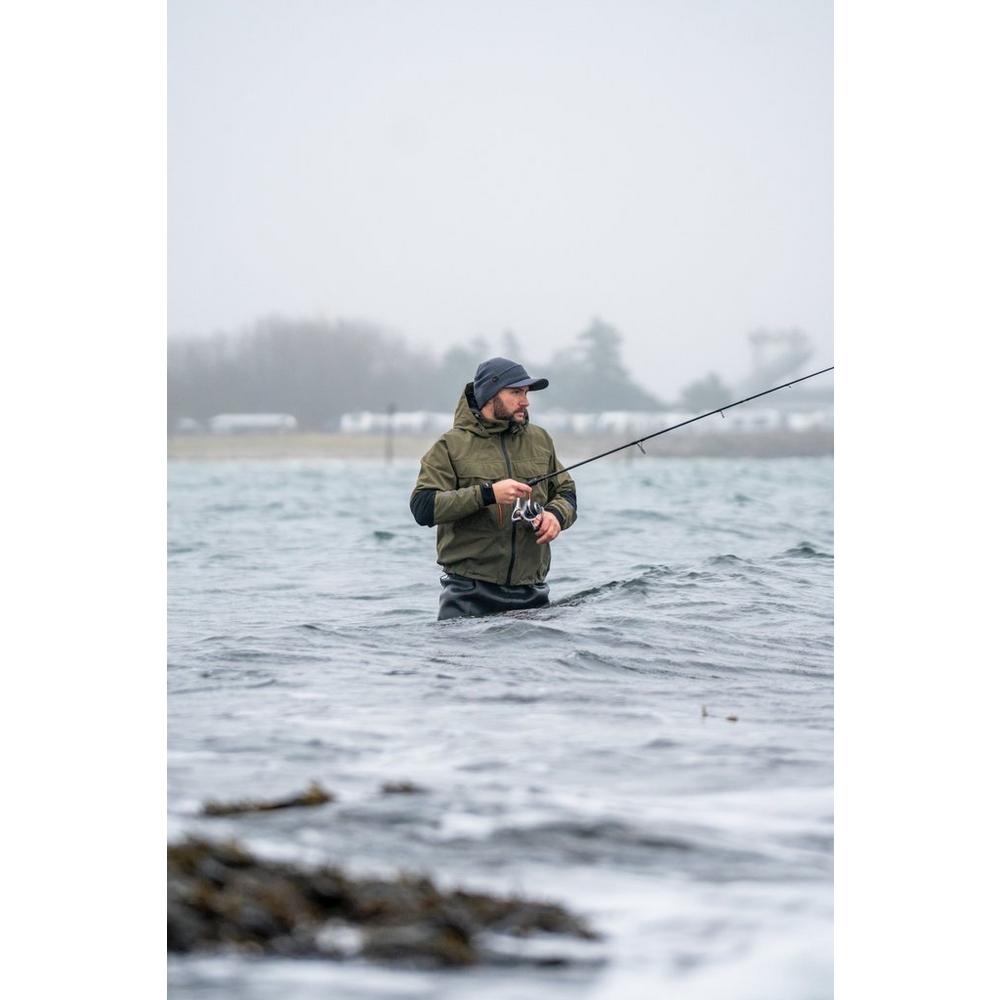
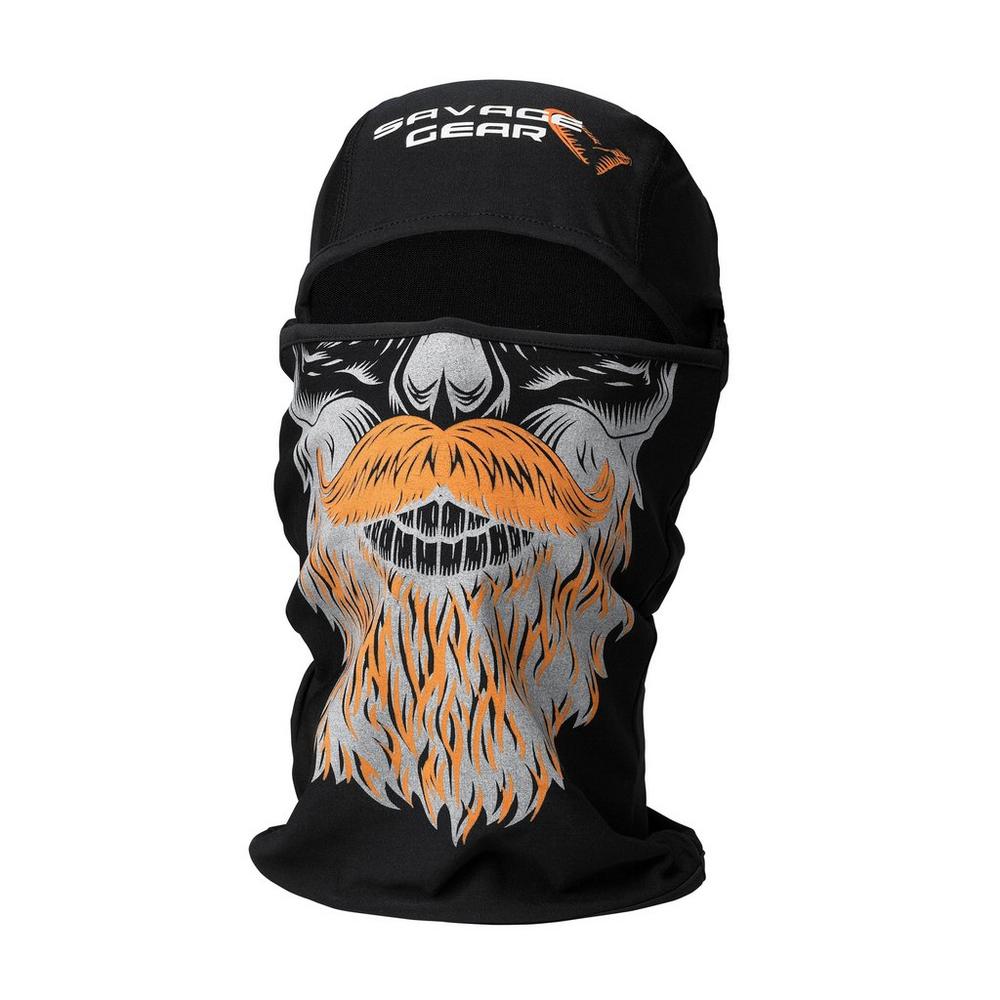
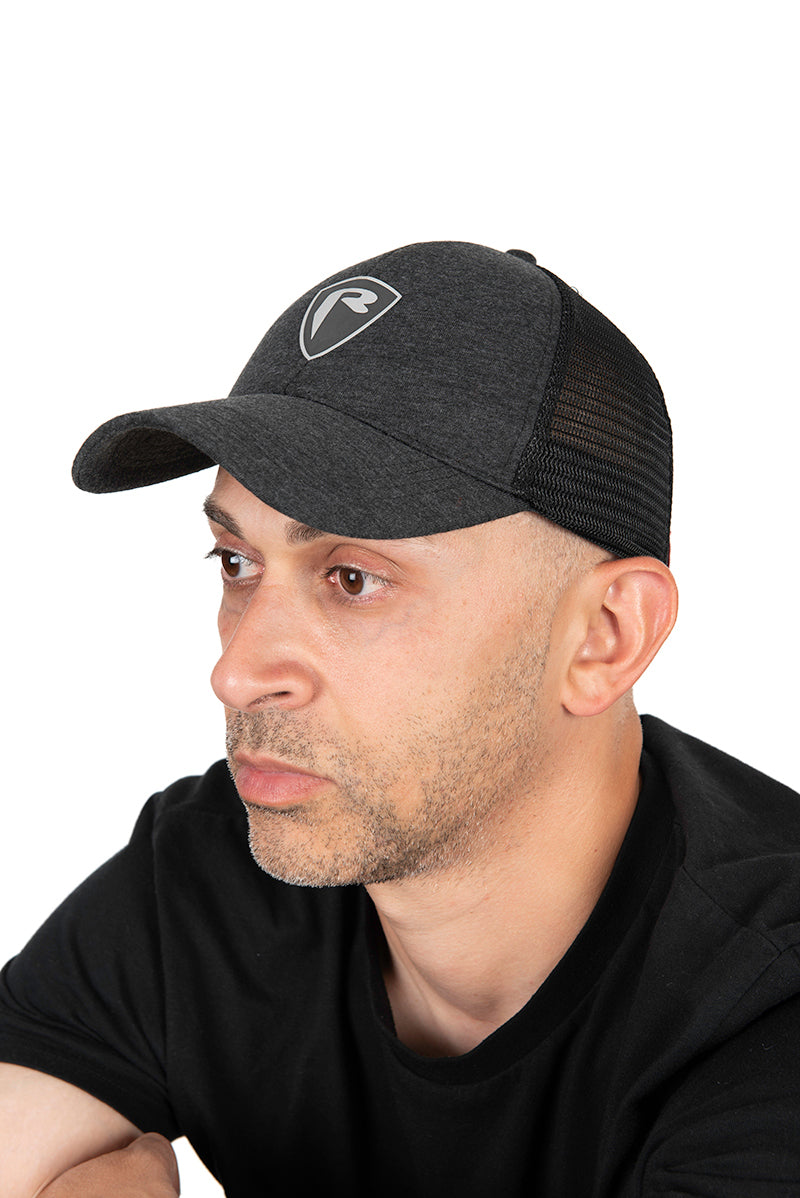
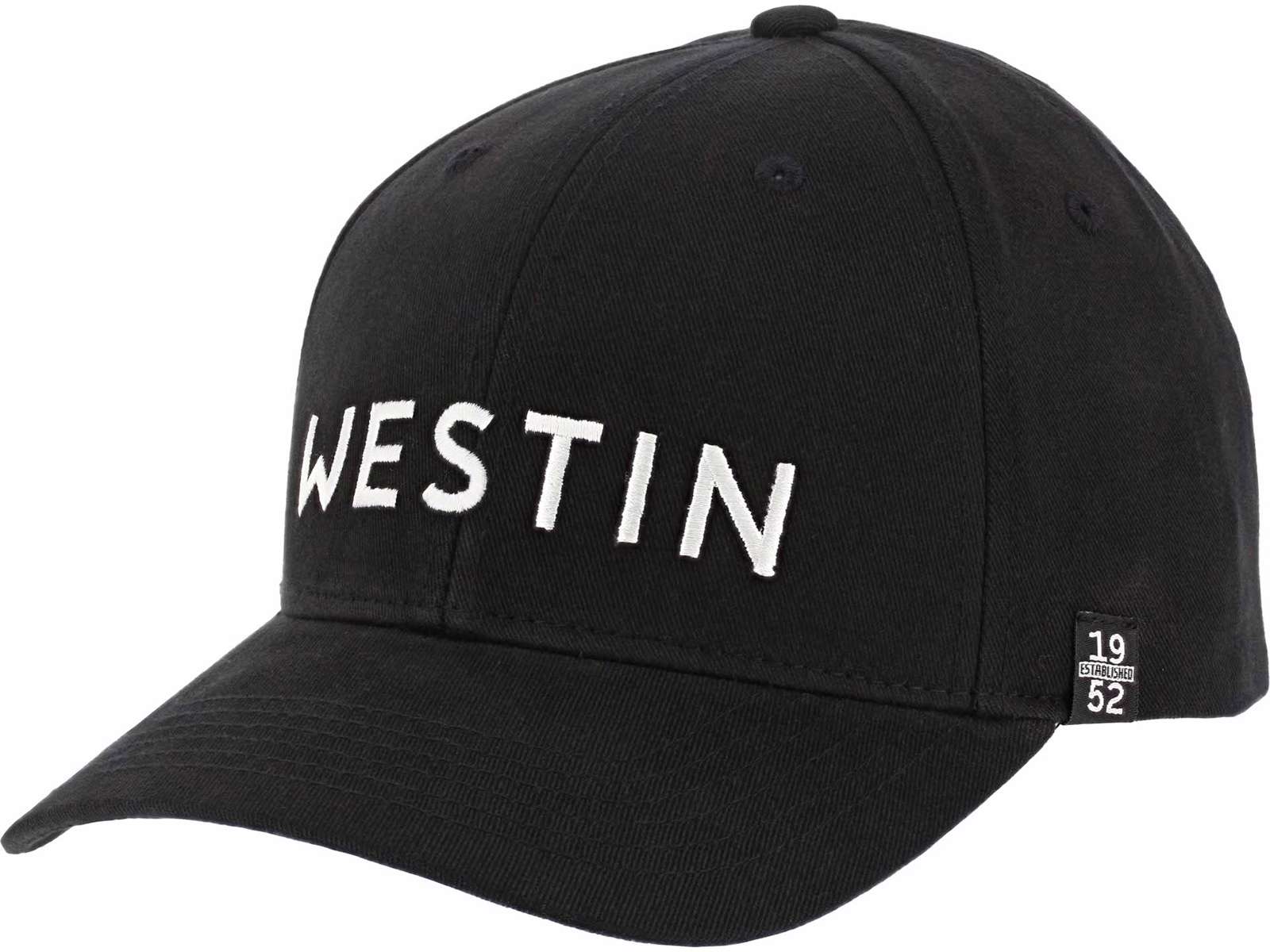
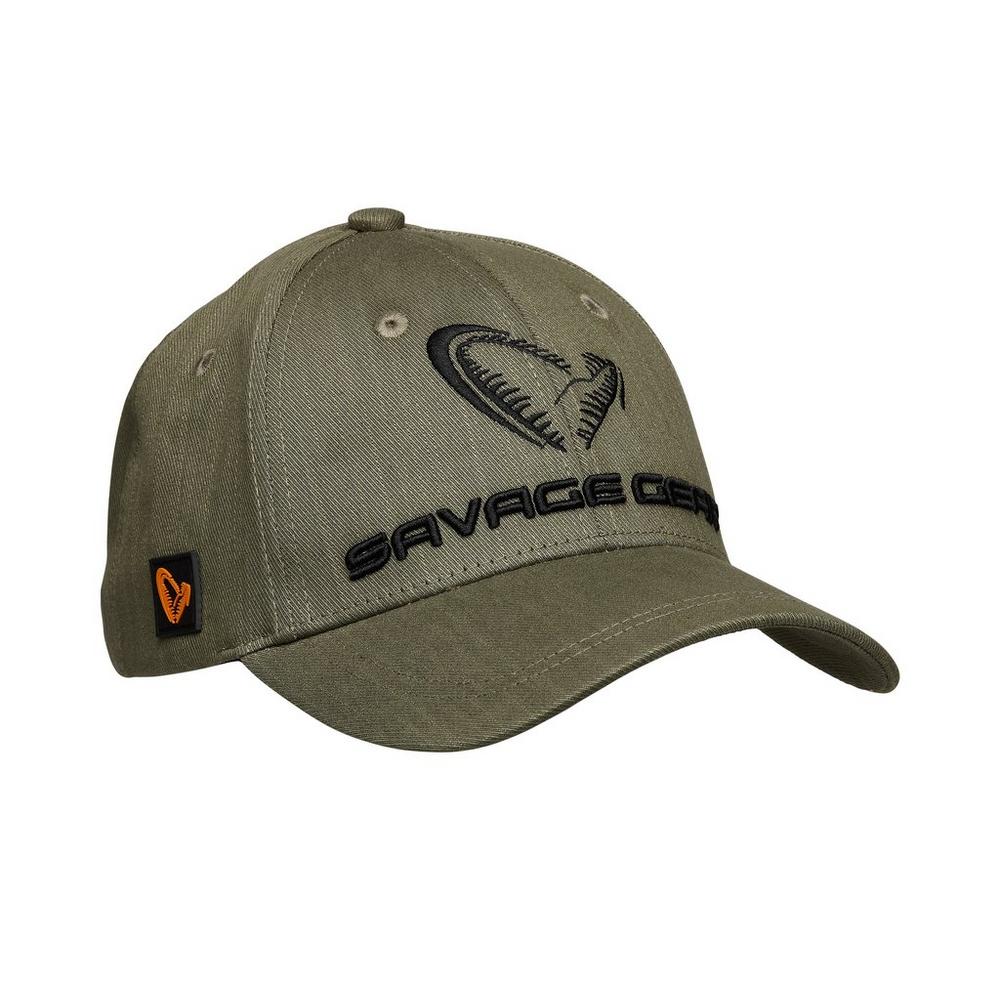
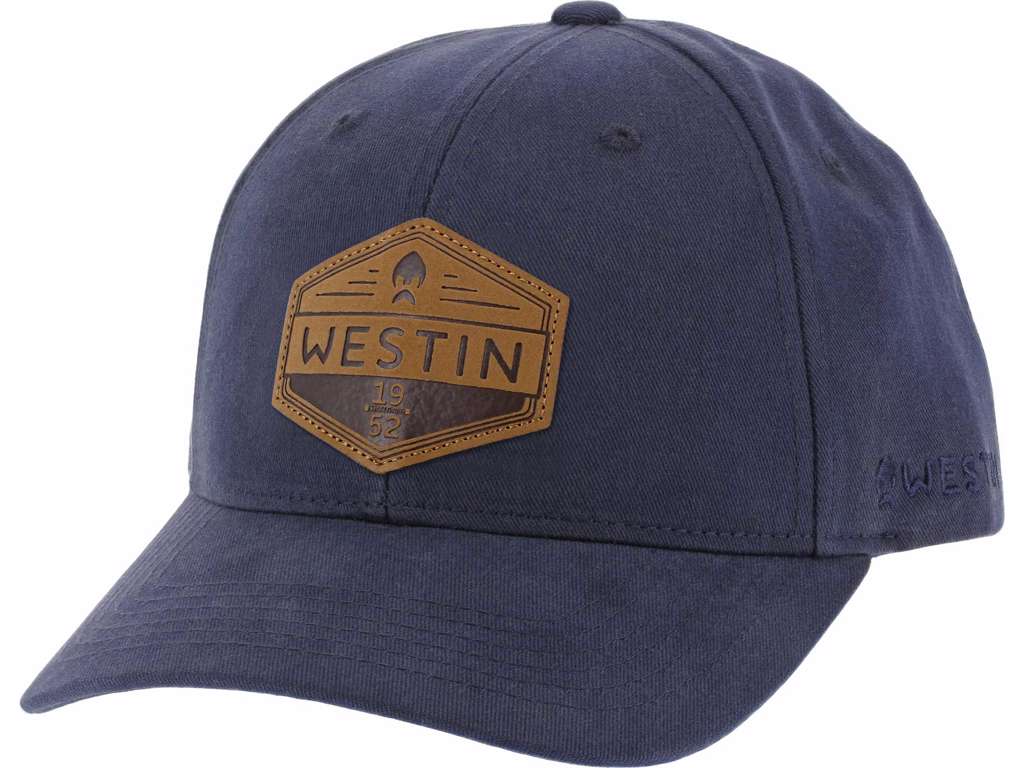
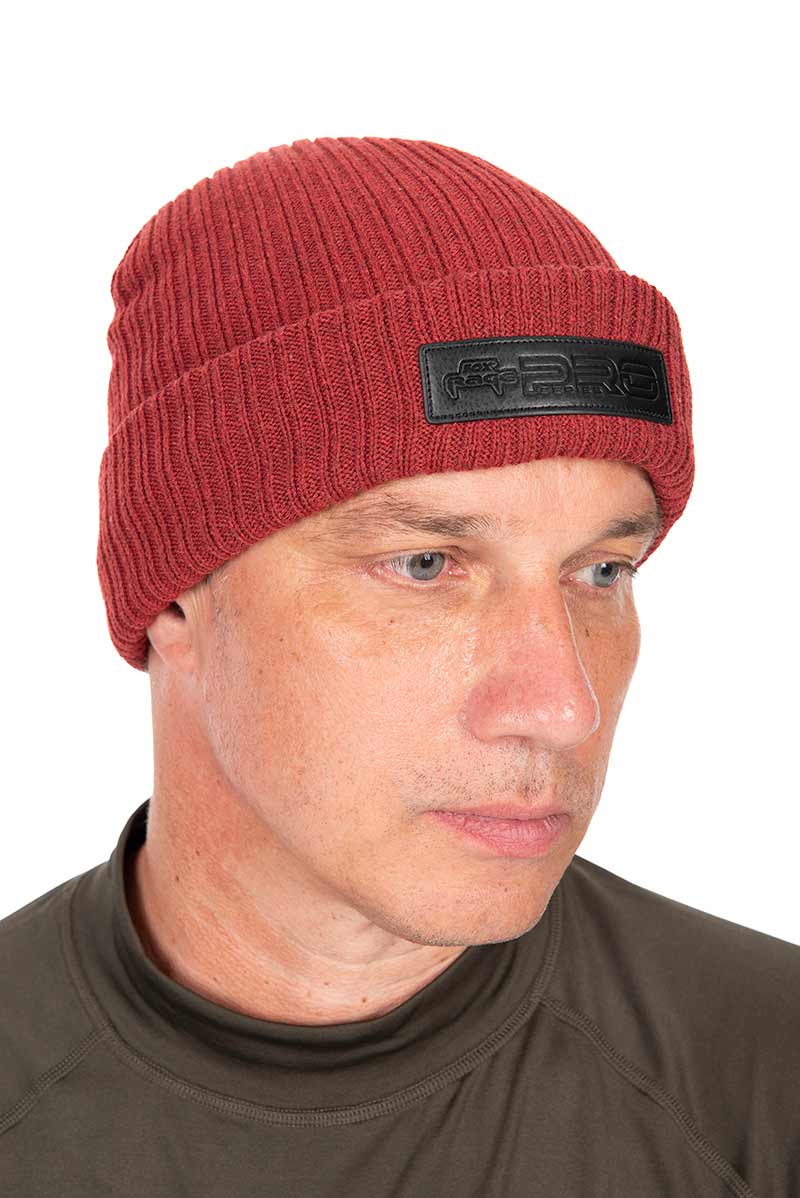
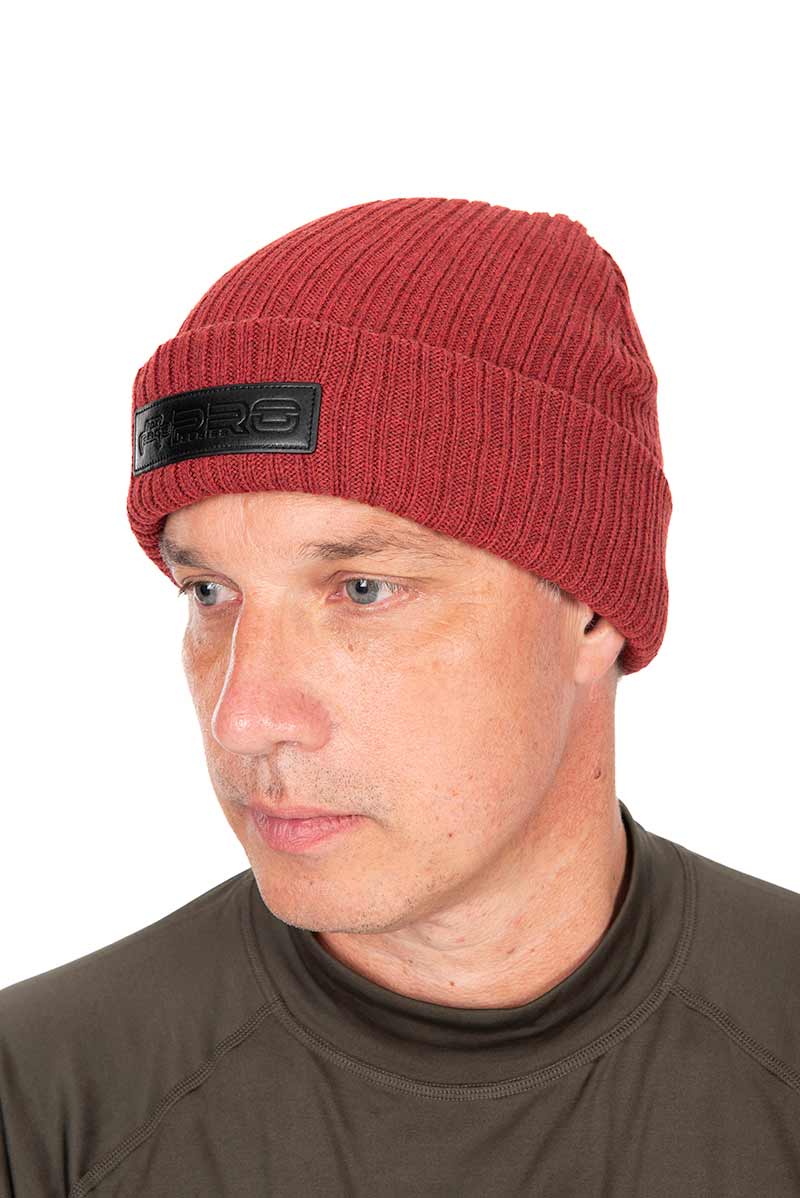
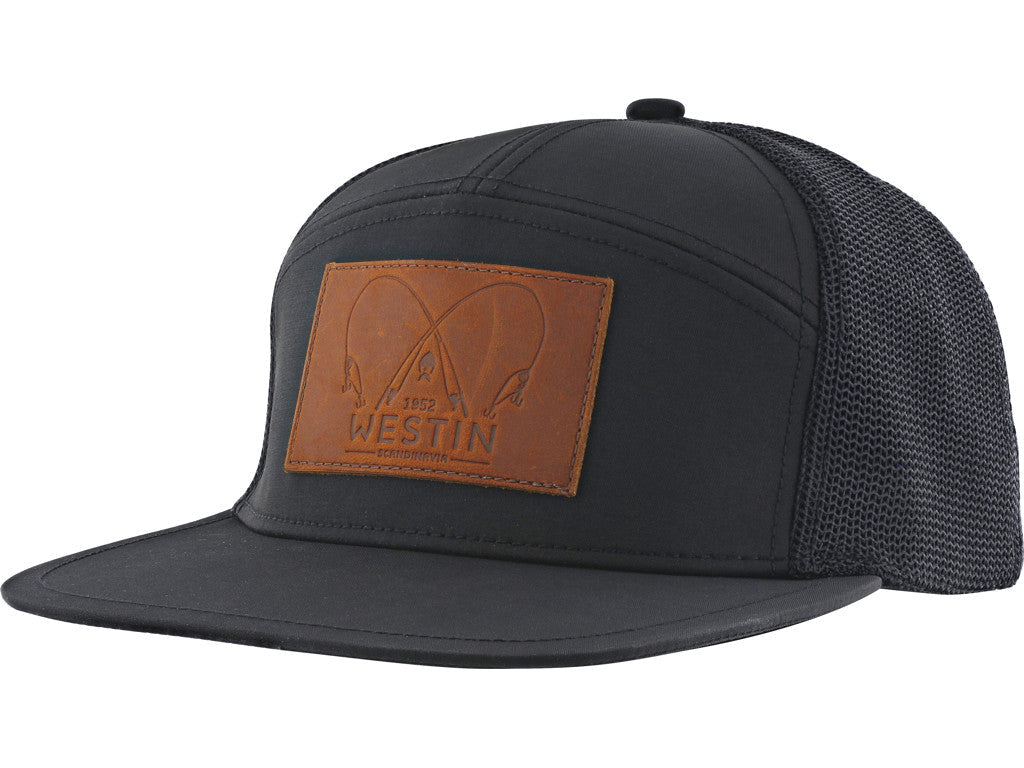
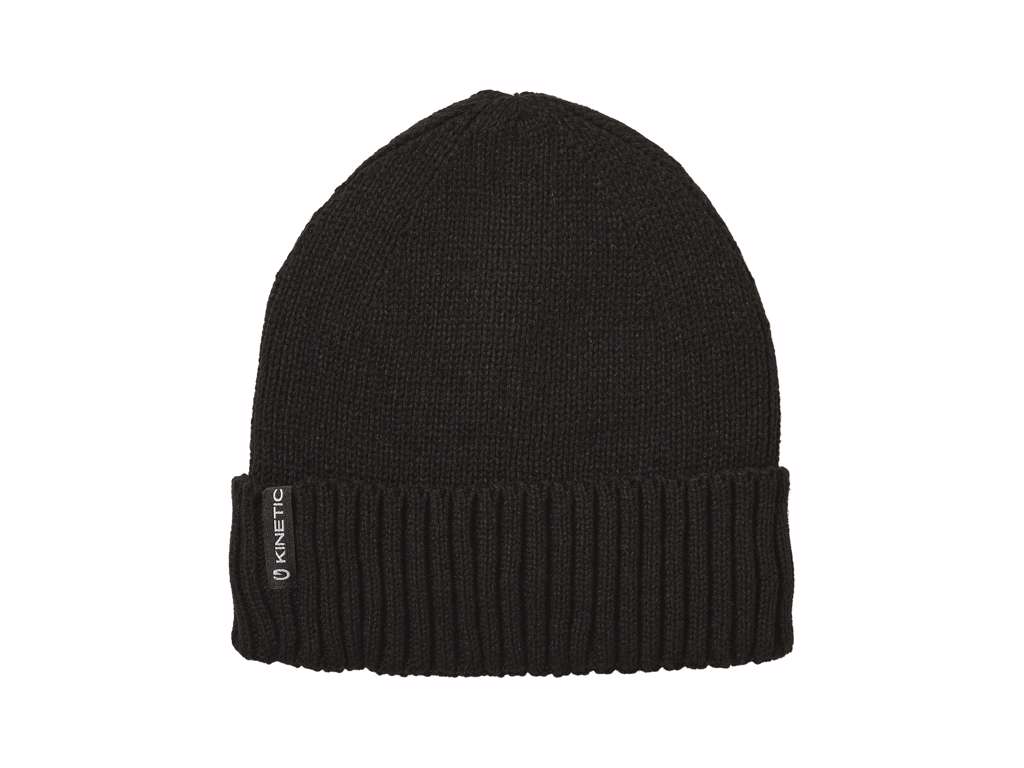
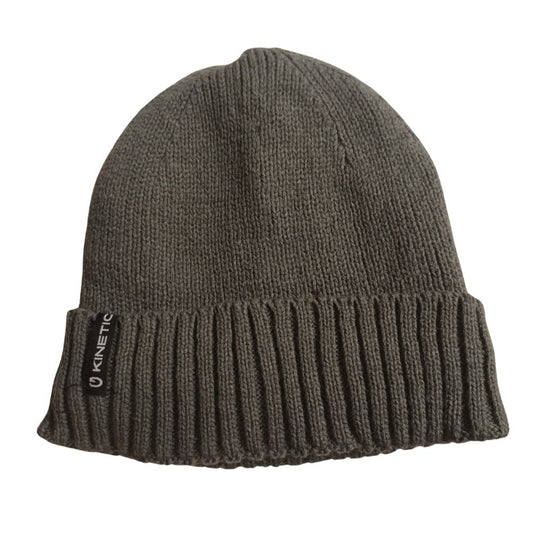
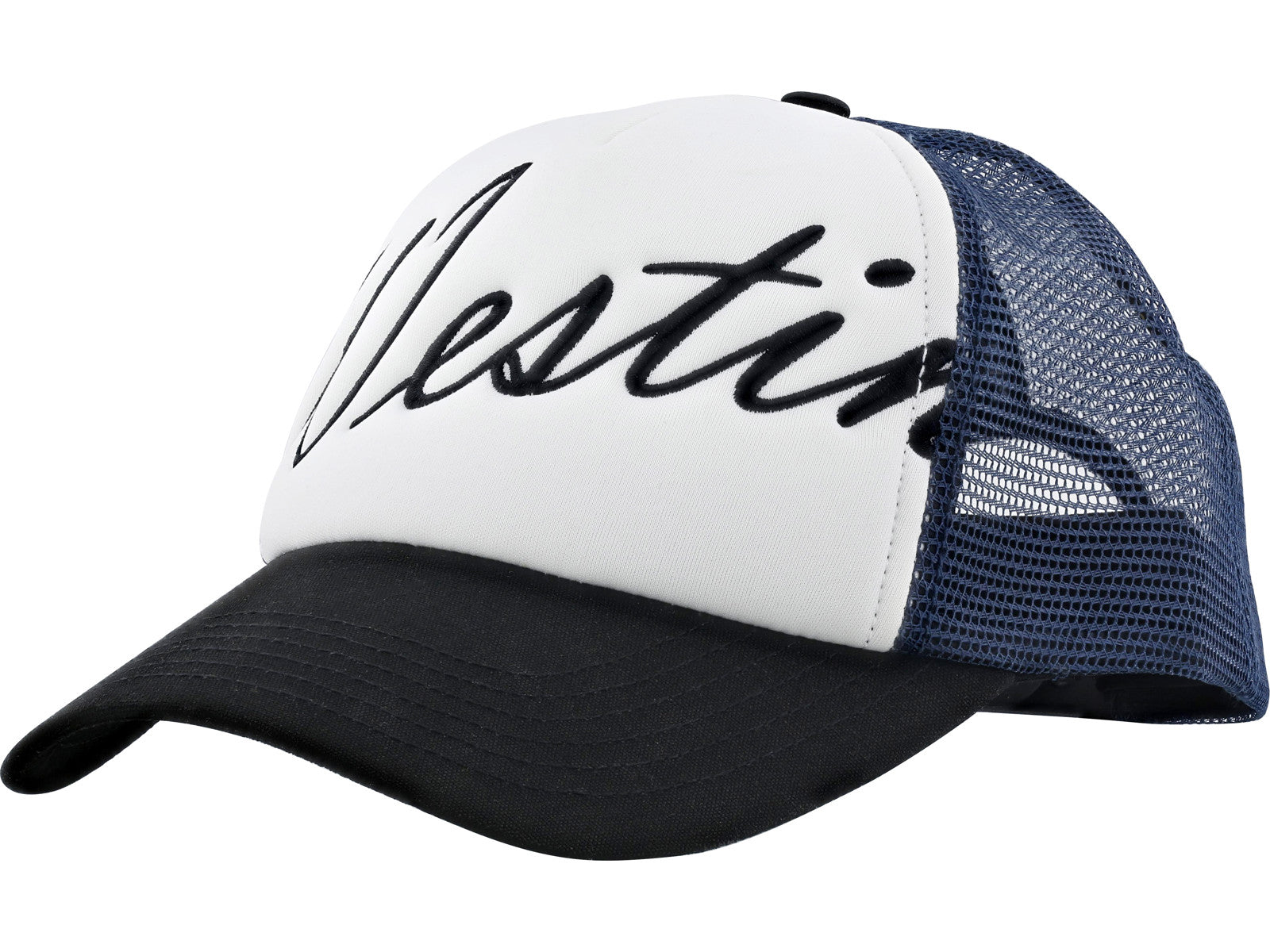
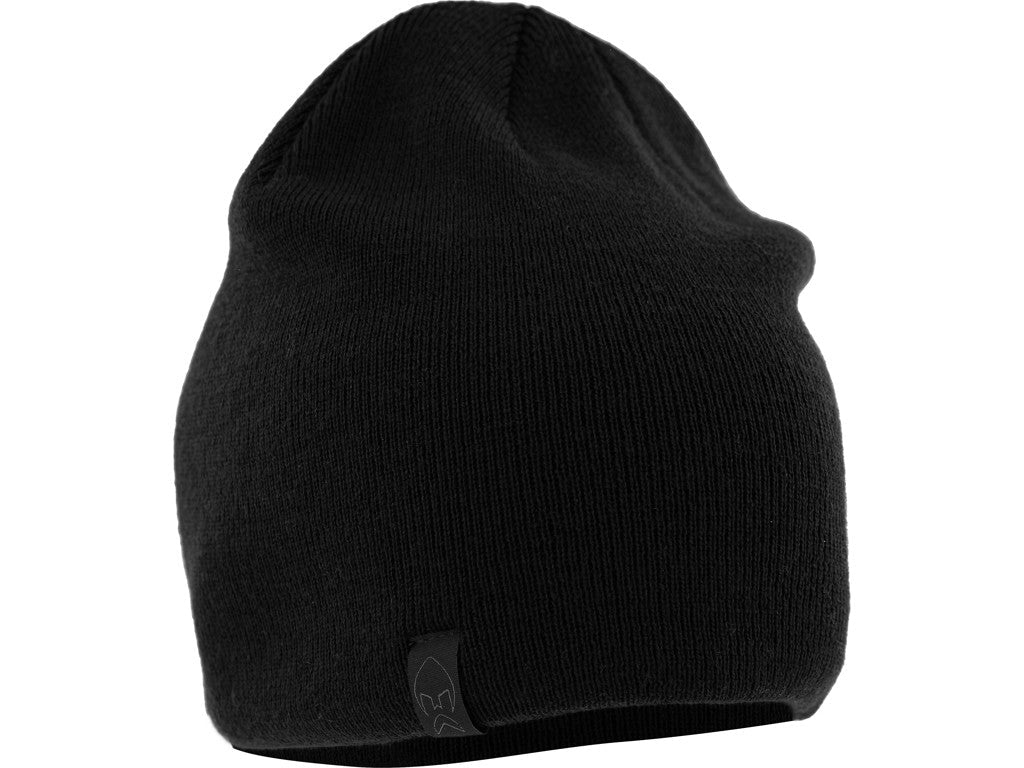
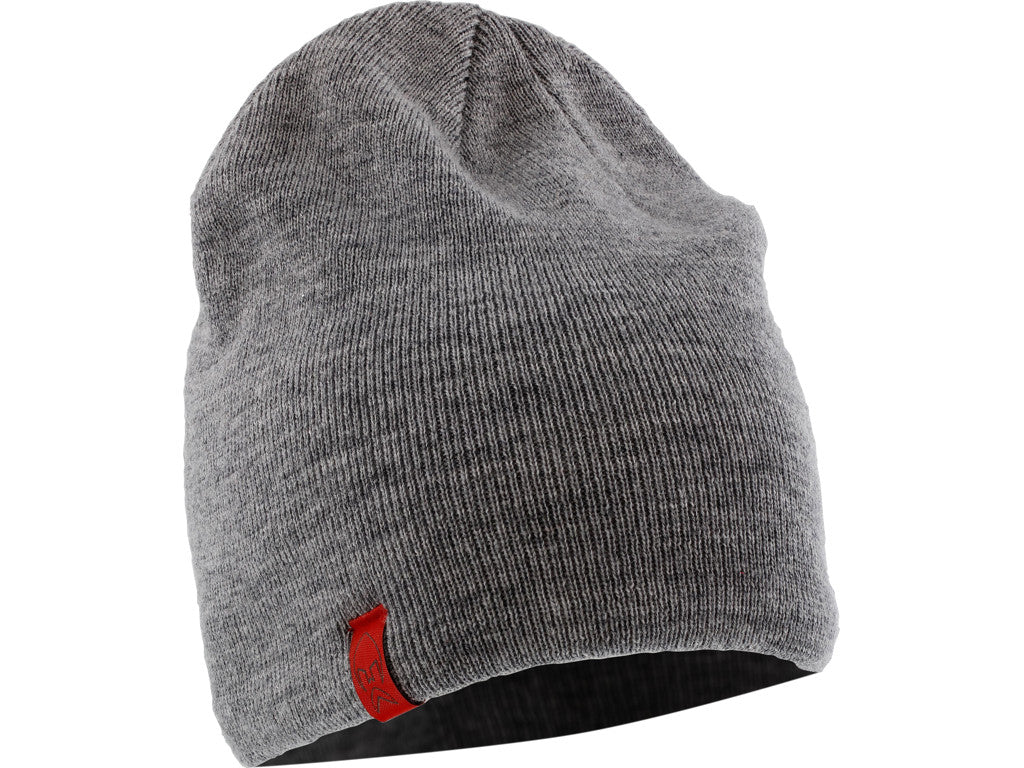
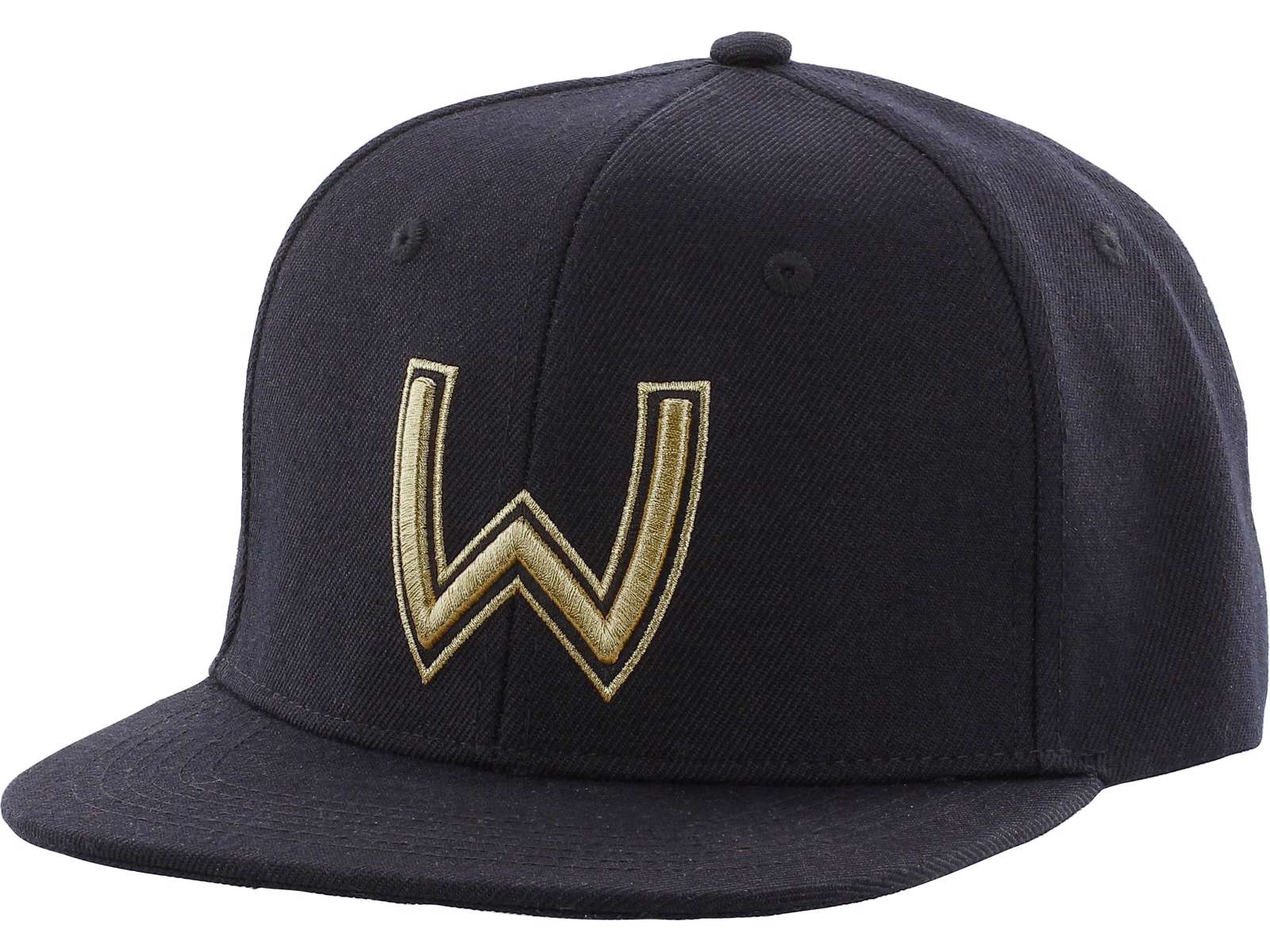
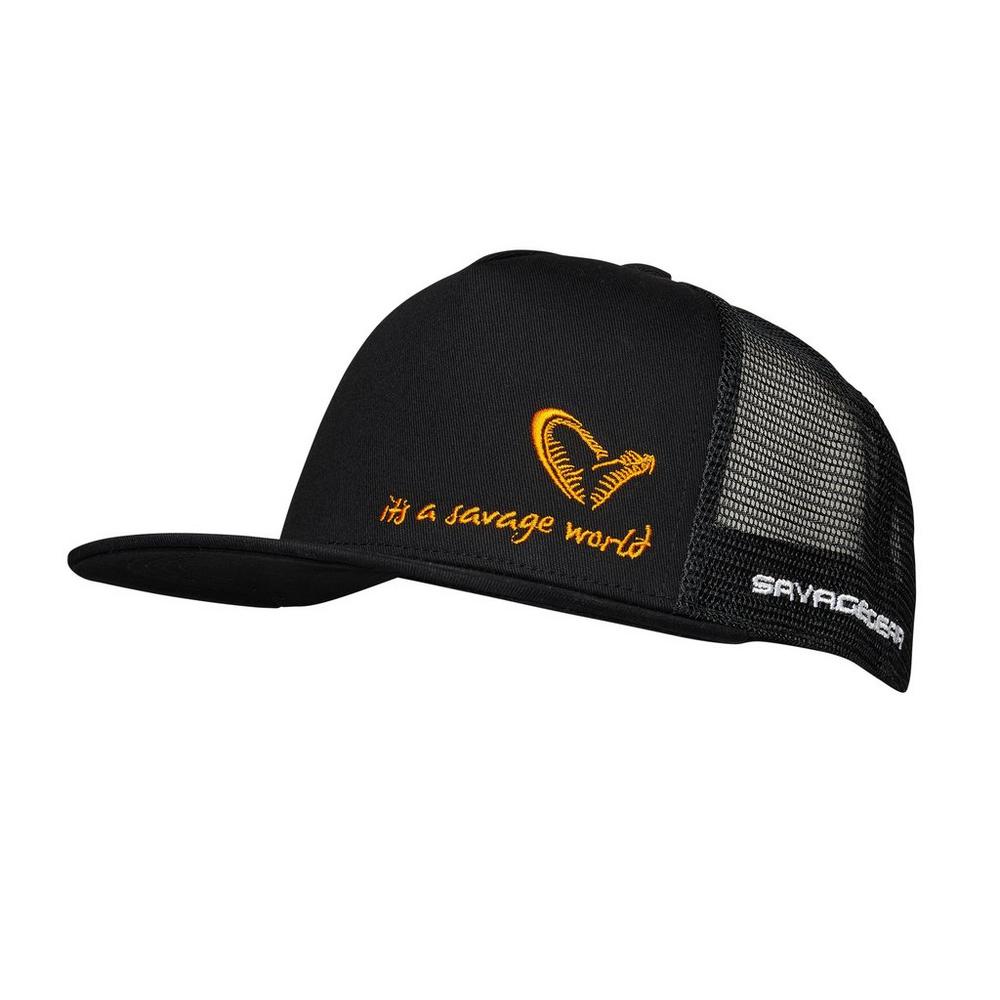
Fishing headwear helps manage glare, heat loss, rain and wind while keeping vision clear for casting and safe movement. Brimmed hats and caps provide shade, beanies and insulated styles retain warmth, and waterproof designs reduce rain exposure. The best format depends on season, weather and the amount of physical activity.
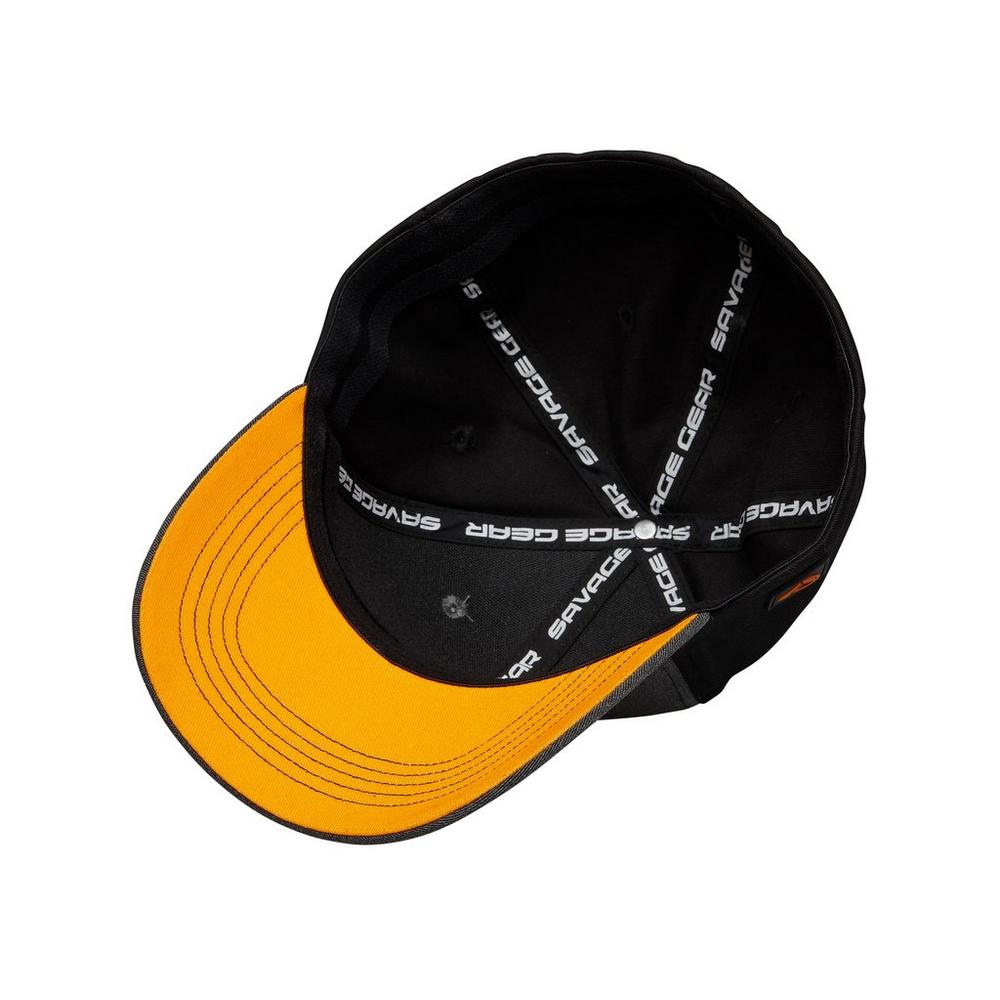
A brim should shade the face without blocking upward or side vision. Dark under-brims can reduce reflected light, while ventilation improves comfort in warm weather. Insulated headwear must remain breathable enough for walking and active casting, and wet hats should be replaced before they increase cooling.
Browse all fishing clothing, coordinate headwear with jackets, gloves and complete fishing suits. Pair suitable hats with polarised fishing sunglasses, checking the eyewear’s stated UV protection separately.
Choose brim, fit and retention
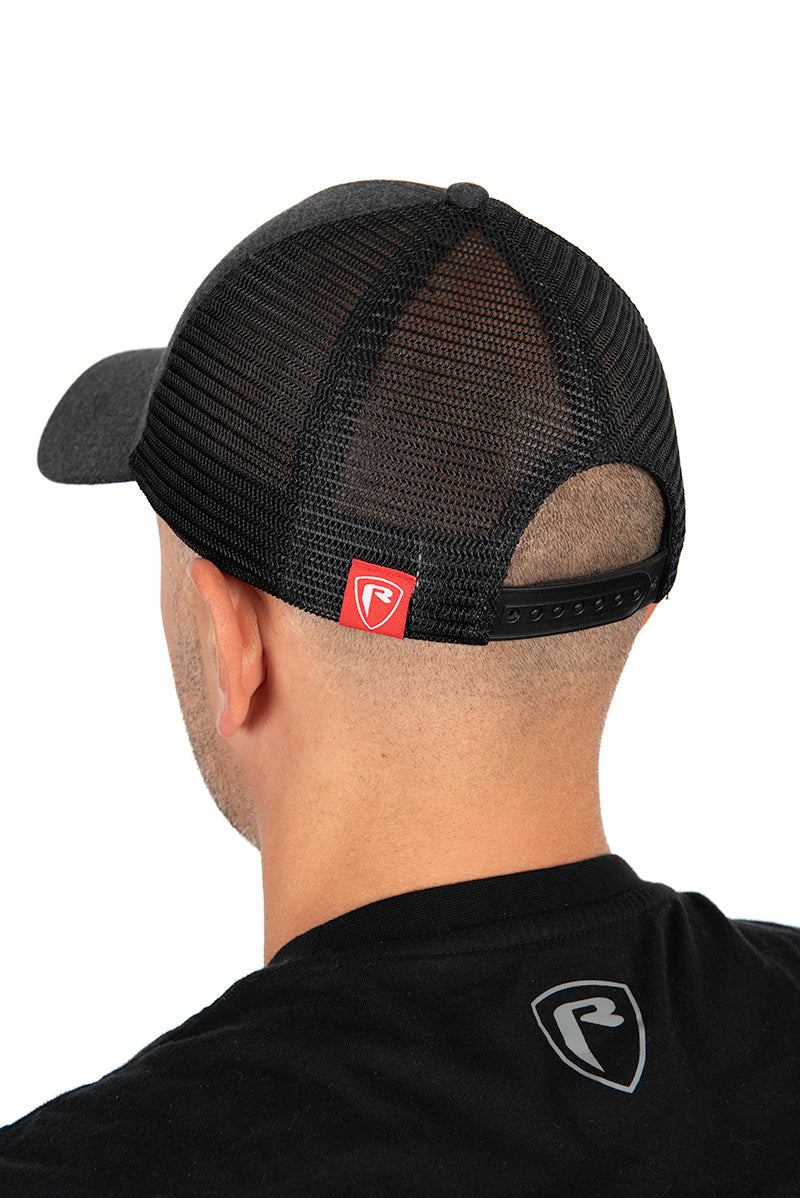
Measure head circumference where the product guide specifies and use the intended adjustment. A cap should remain secure without pressure points, while a beanie needs enough stretch to cover the ears comfortably. Check compatibility with jacket hoods, eyewear arms and hearing protection.
Chin cords and retention clips can help in wind, but they must include safe adjustment and should not catch boat fittings, hooks or branches. Remove or release headwear if the cord creates a snag risk. On a moving boat, follow the vessel operator’s safety guidance.
Sun-protective clothing reduces exposure only where it covers the skin. Use suitable sunscreen on uncovered areas, seek shade when possible and remember that cloud and reflected water do not eliminate ultraviolet exposure.
Carry a dry spare in cold weather and replace the first hat promptly if it becomes soaked or heavily contaminated.
Wash and store fishing hats
Follow the care label for washing, reshaping and drying. Caps with stiff brims, waterproof membranes or bonded logos may require hand cleaning. Remove salt, sweat, bait and sunscreen residue before long storage.
Dry headwear fully in its natural shape and inspect seams, adjusters, cords and fasteners. Replace items that no longer fit securely or provide the intended coverage, and keep a dry spare with the rest of the clothing system.