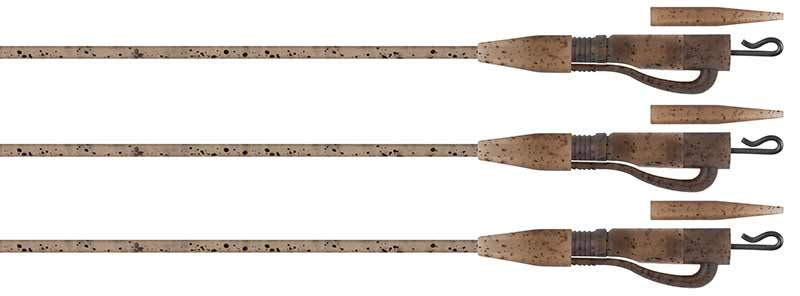
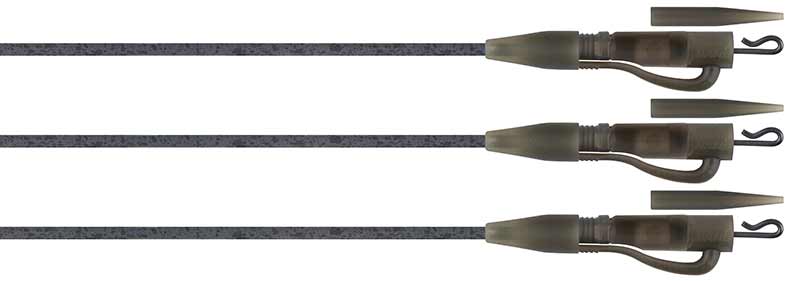
Terminal tackle for building reliable fishing rigs
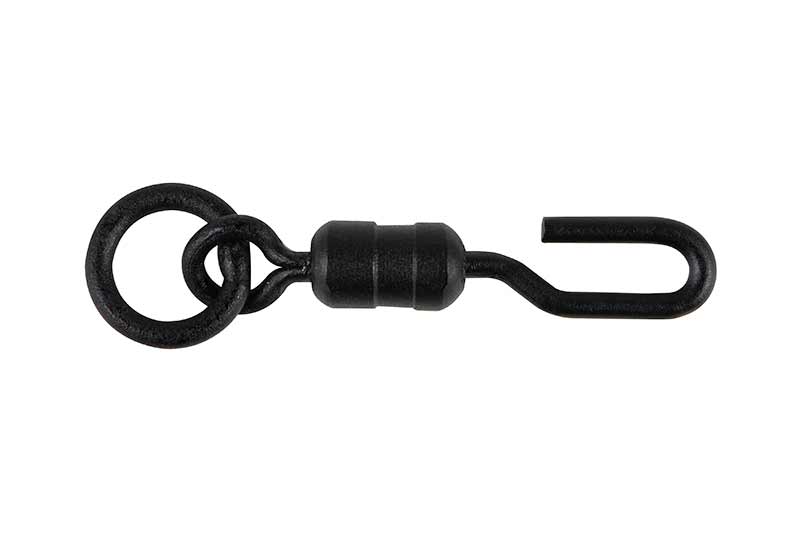
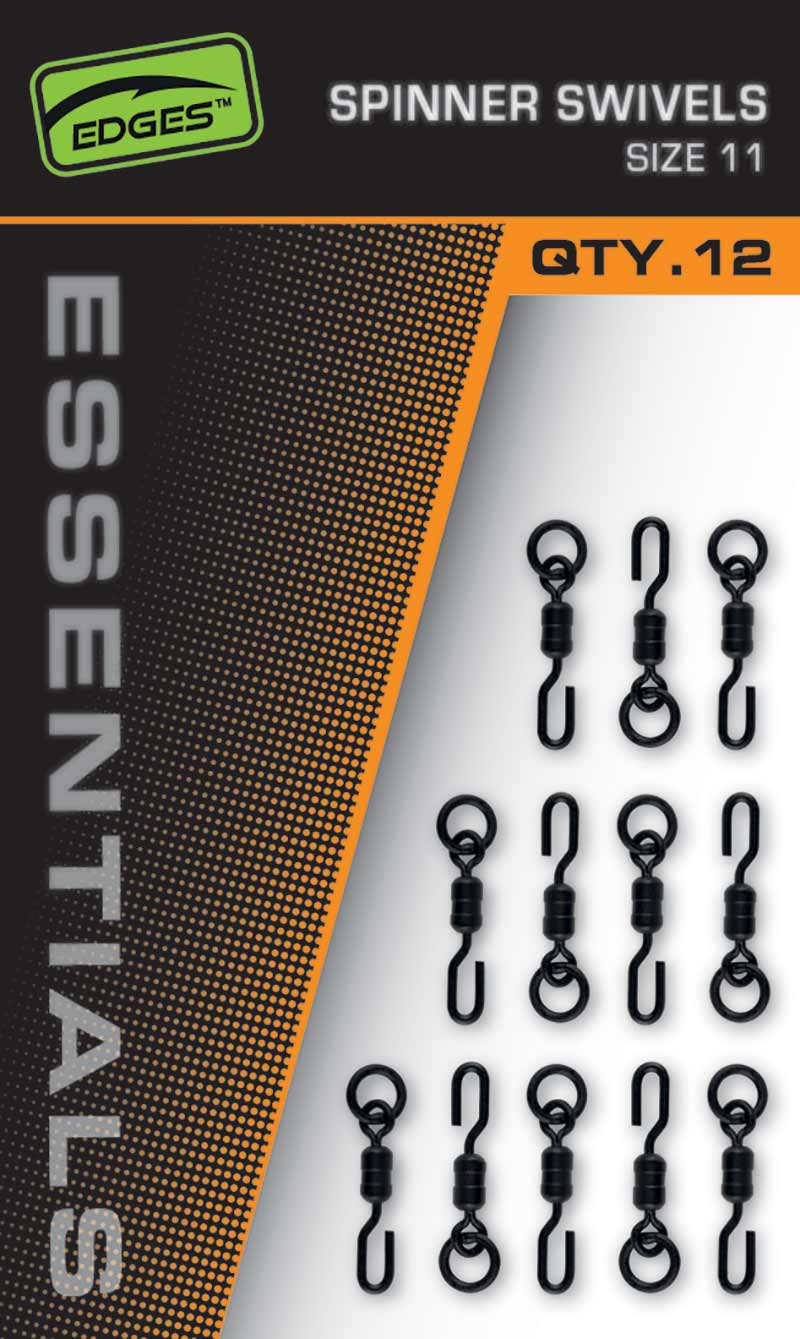
Terminal tackle covers the small components that connect the main line to a hook, lure, feeder or ready-made rig. Snaps and swivels help connect parts, reduce line twist and make changes faster where the method allows. Choose a size and stated strength appropriate for the line, lure or rig rather than adding unnecessary bulk.
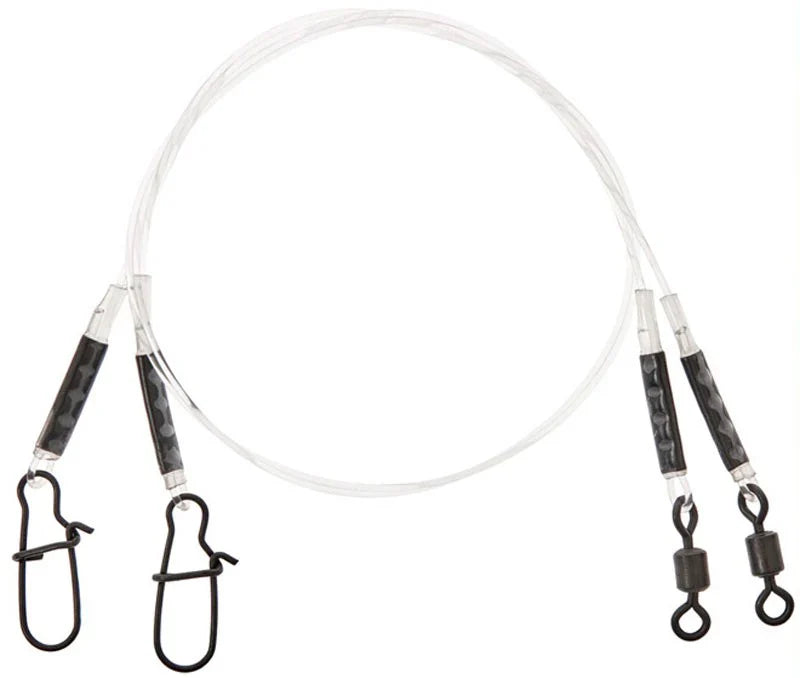
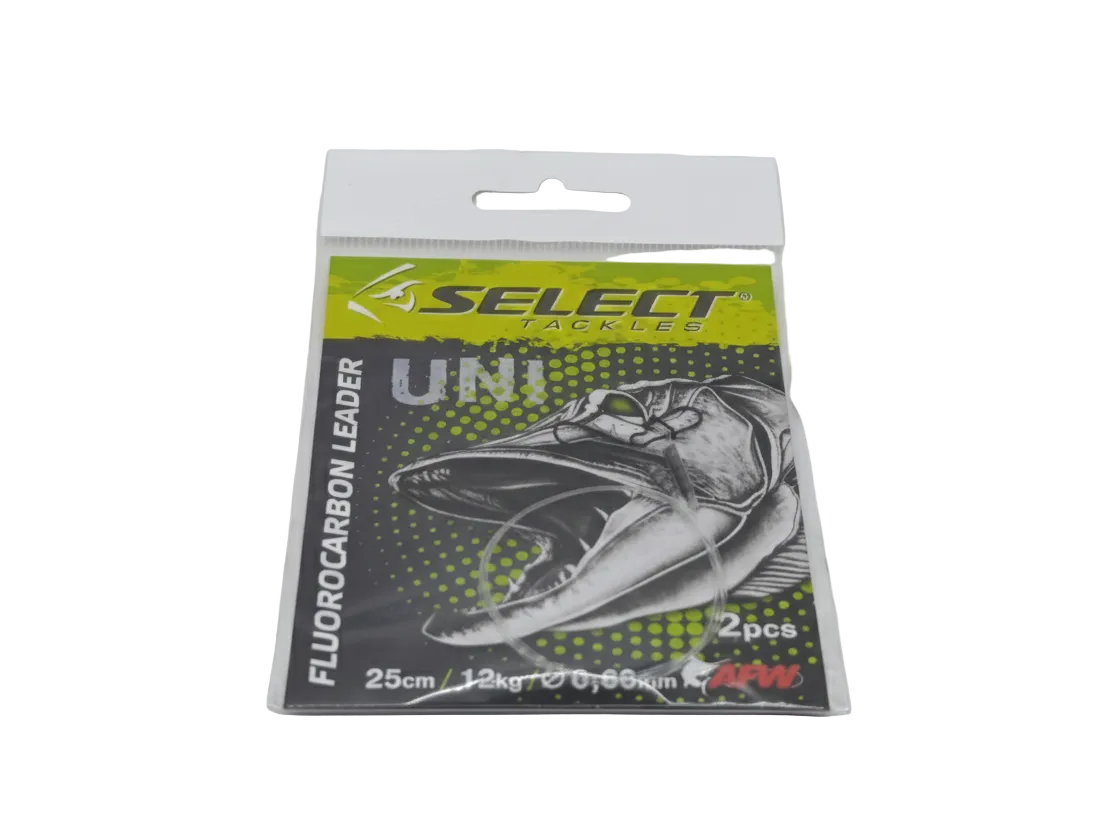
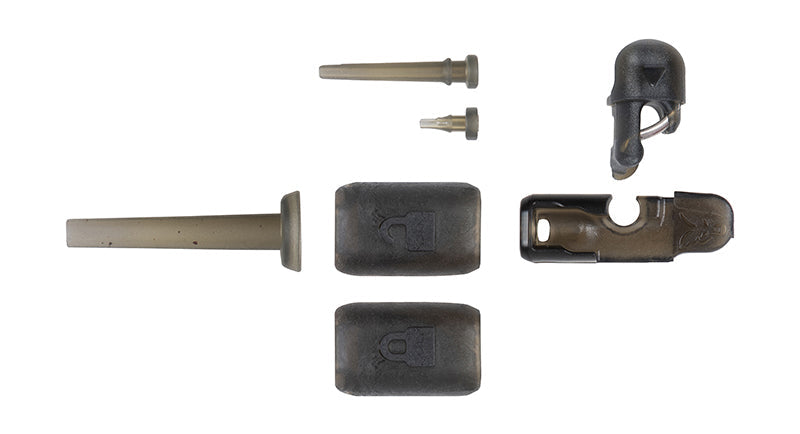
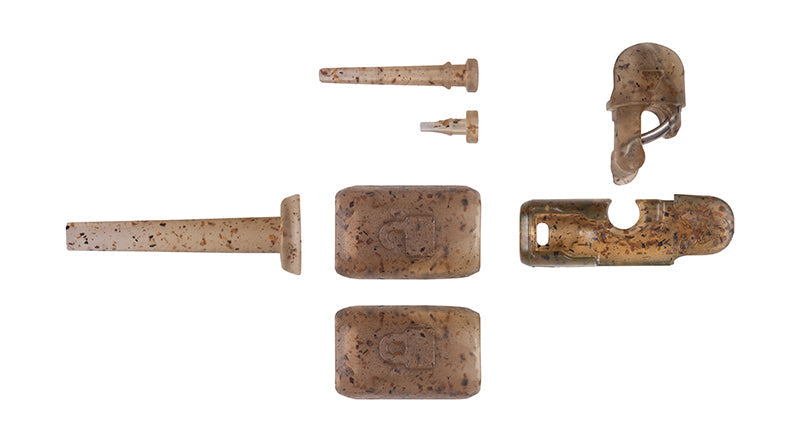
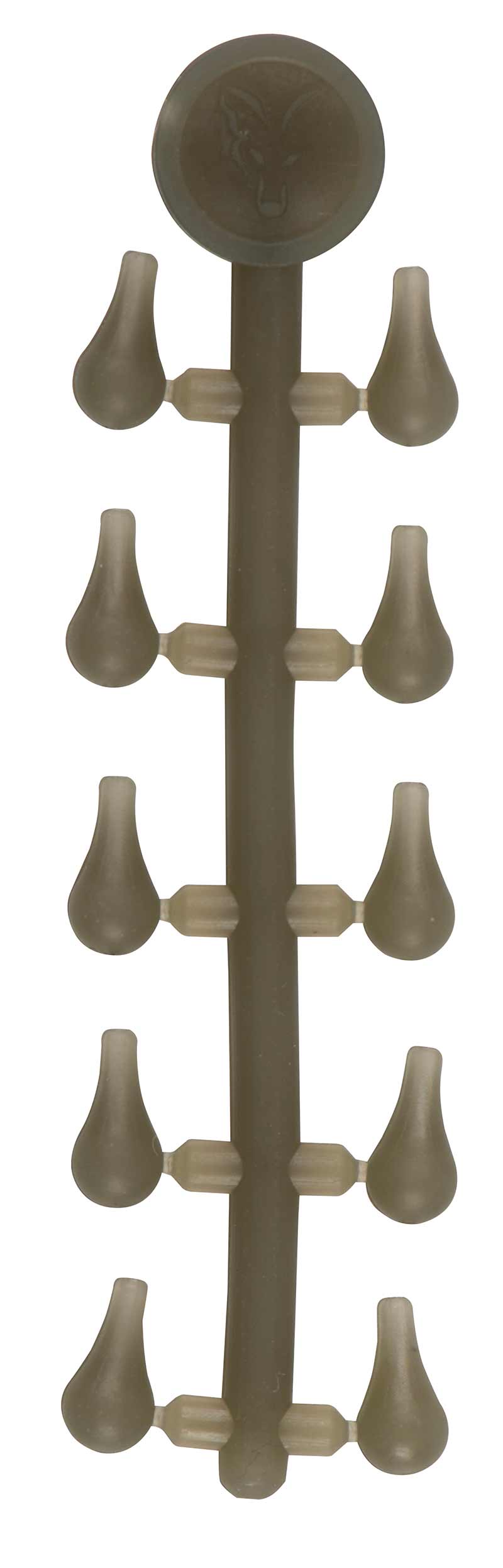
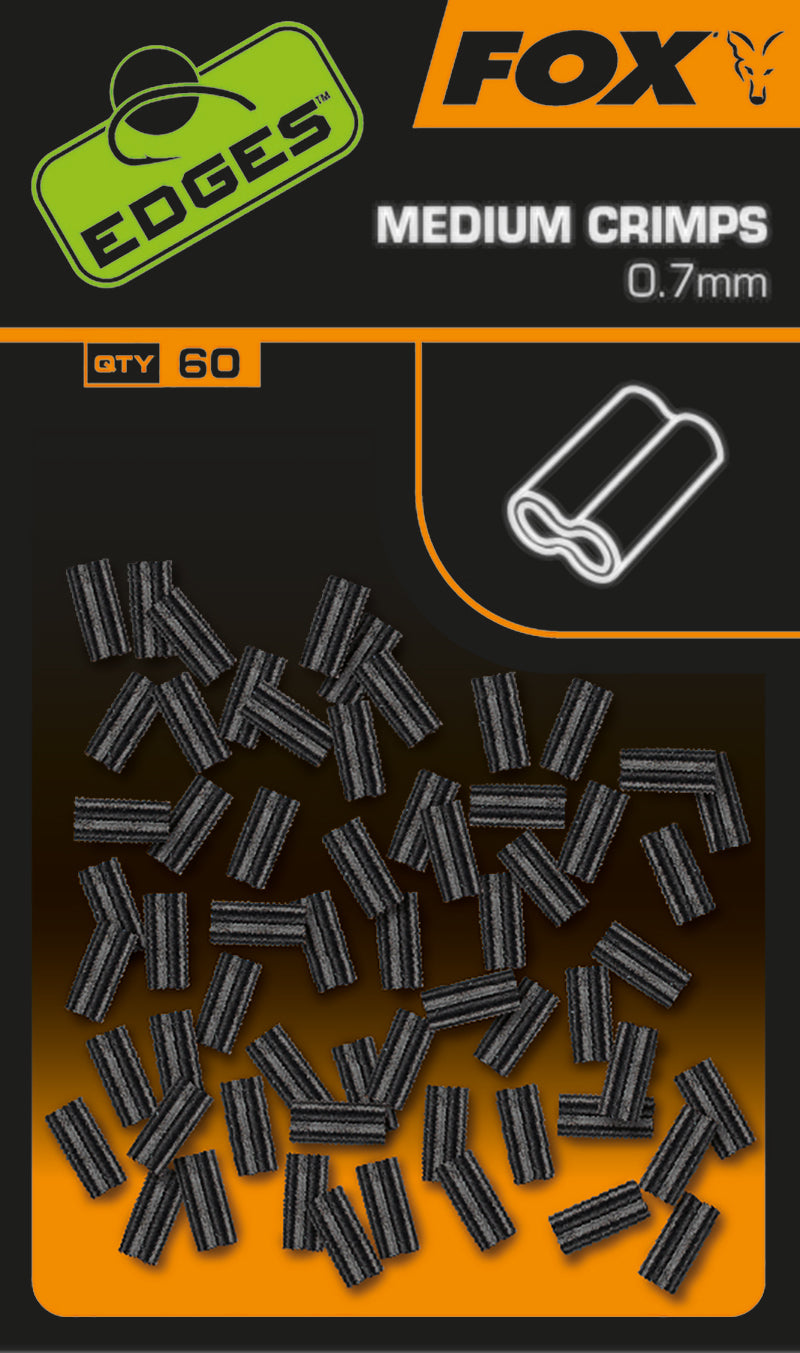
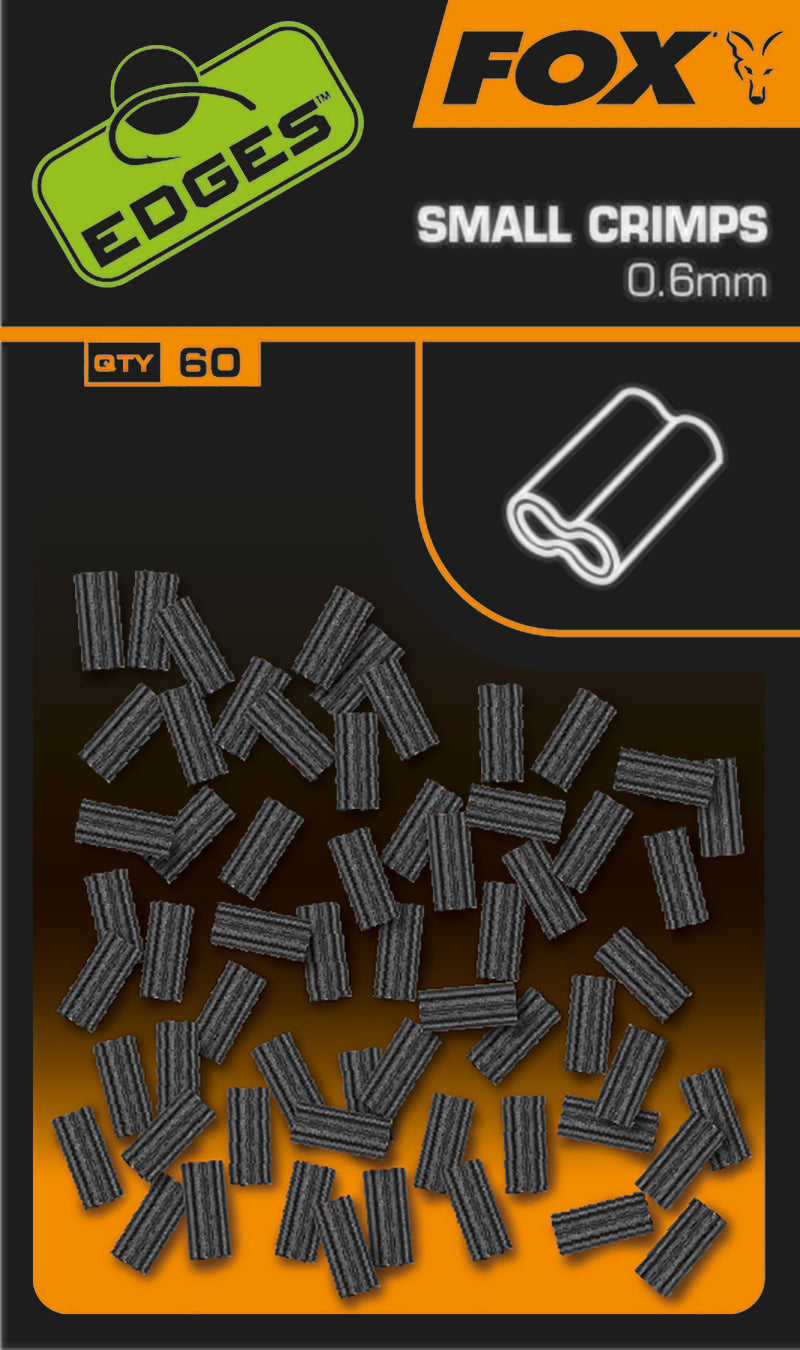
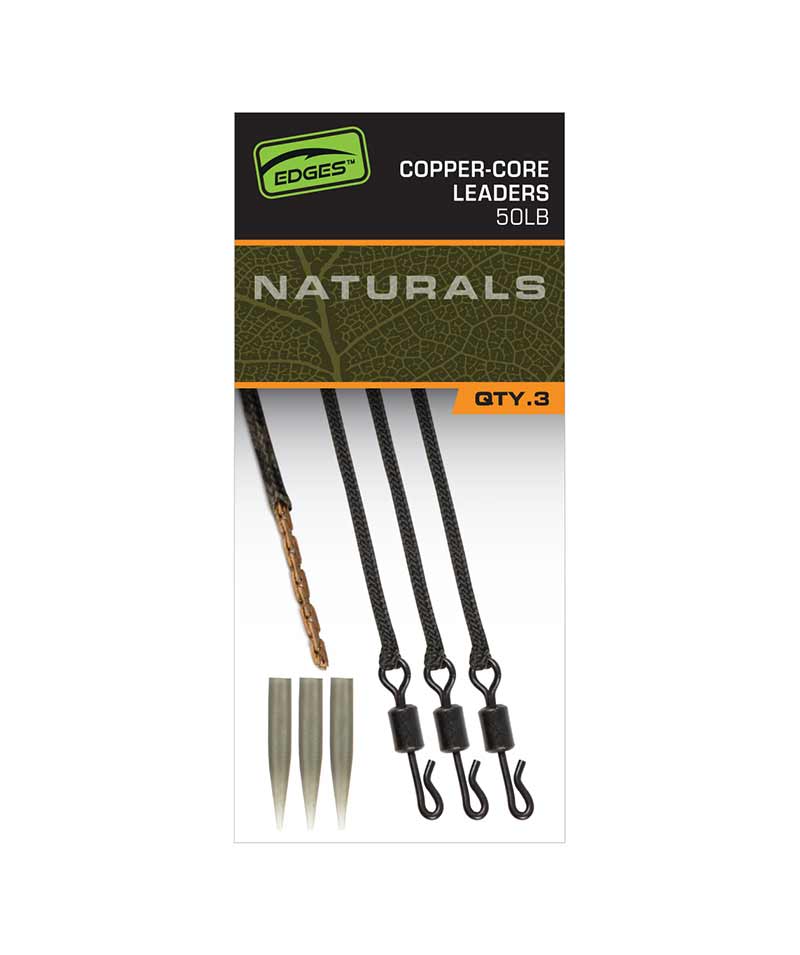
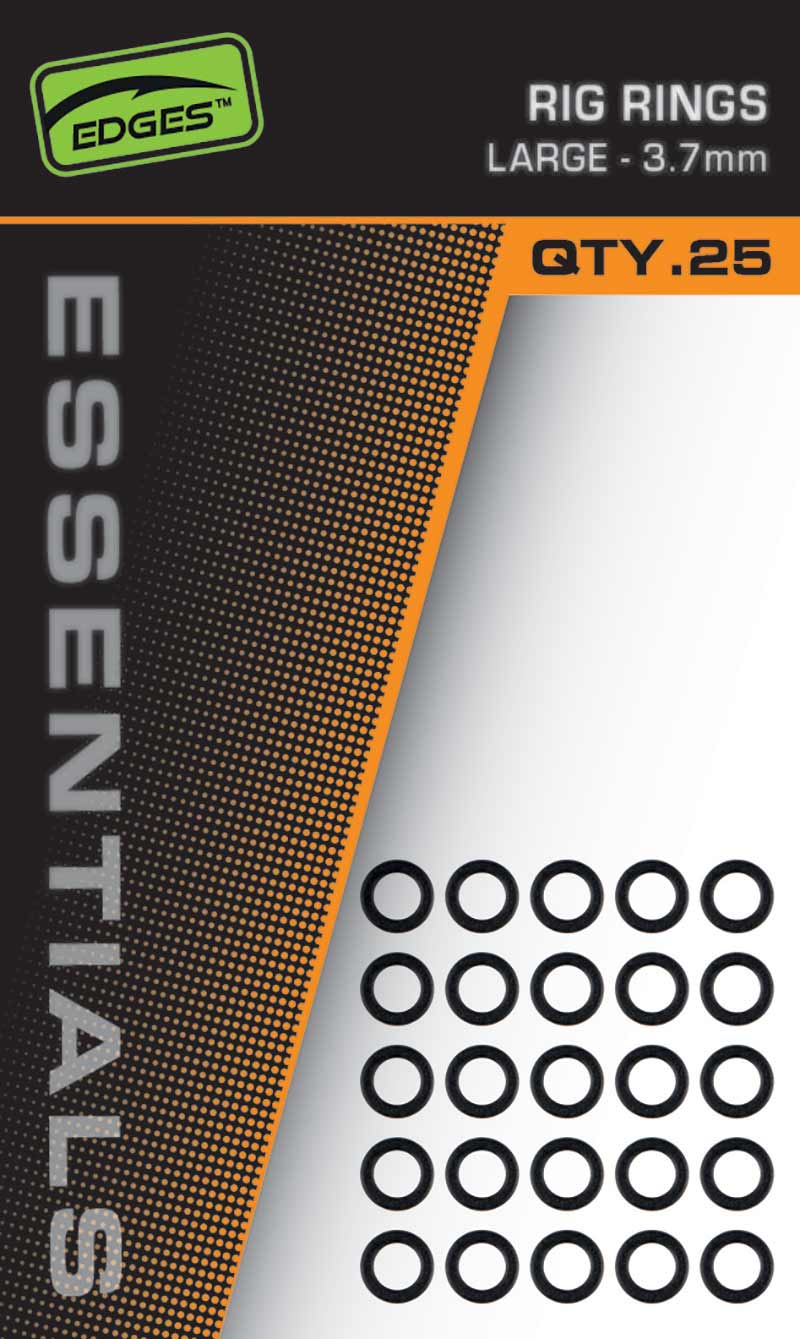
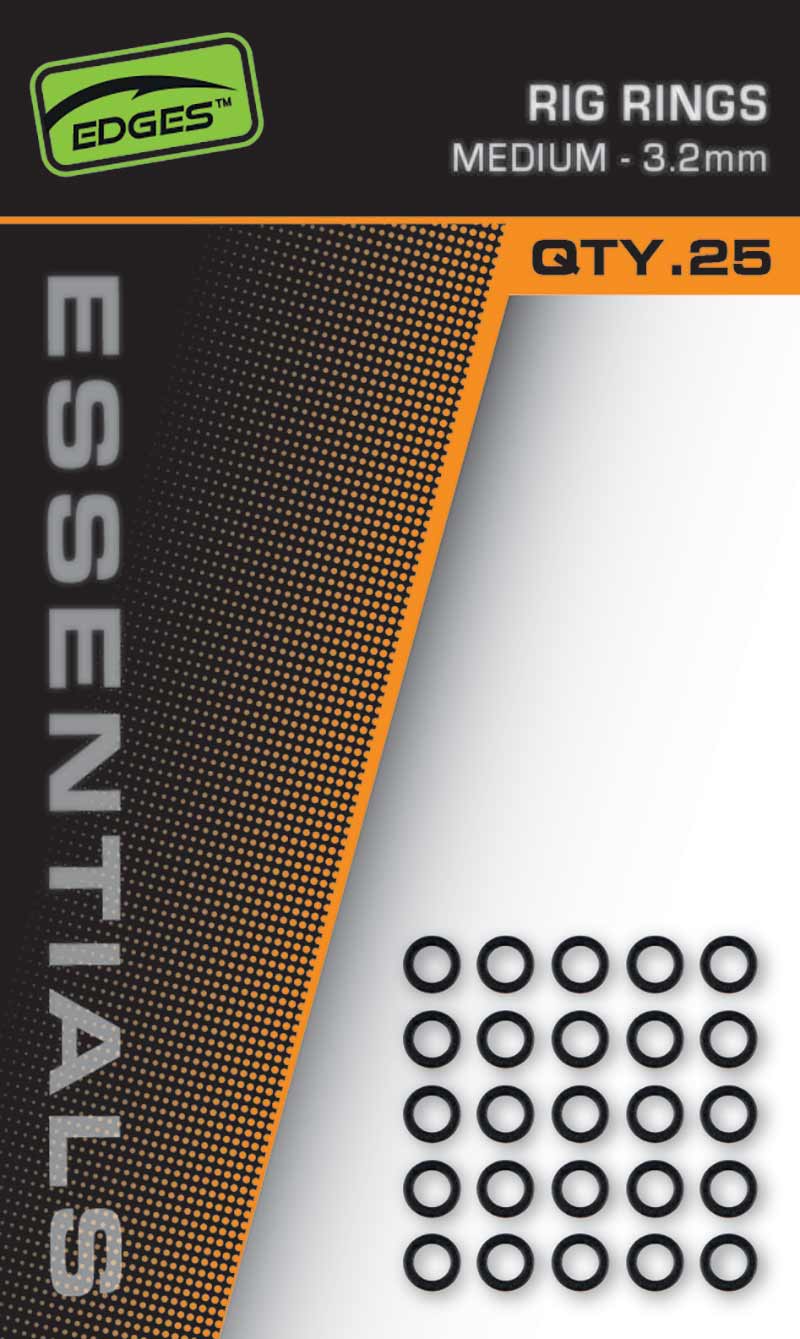
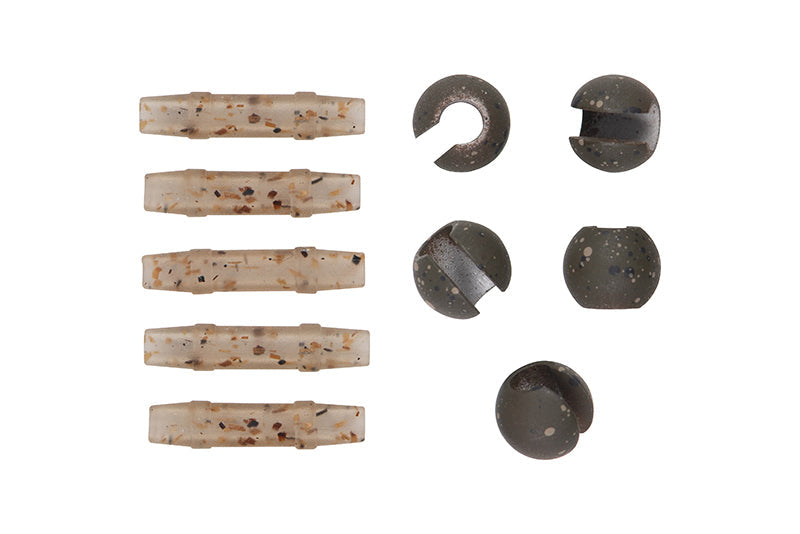
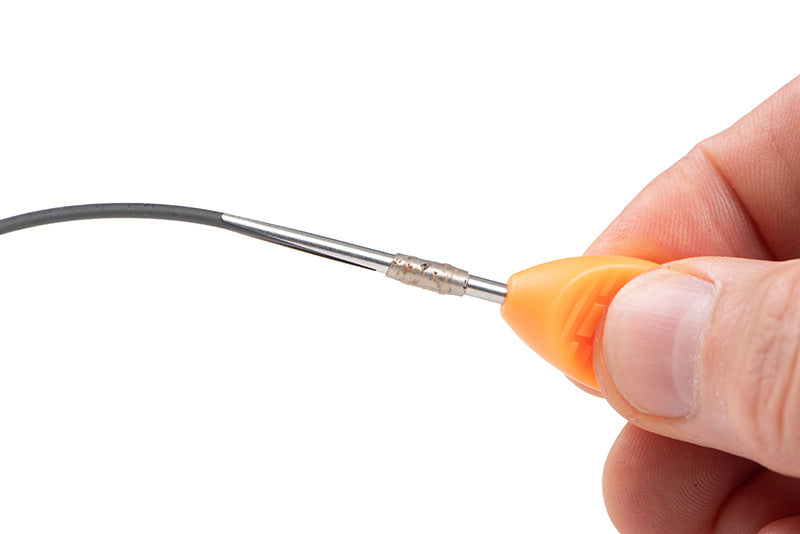
Rings and crimps are used for lure connections, traces and specialist rig construction. Stops and bands help secure pellets, boilies and other hookbaits or position small items on a rig. For predator and sea fishing, leaders and traces provide a stronger or more abrasion-resistant final section between the main line and the hook or lure.
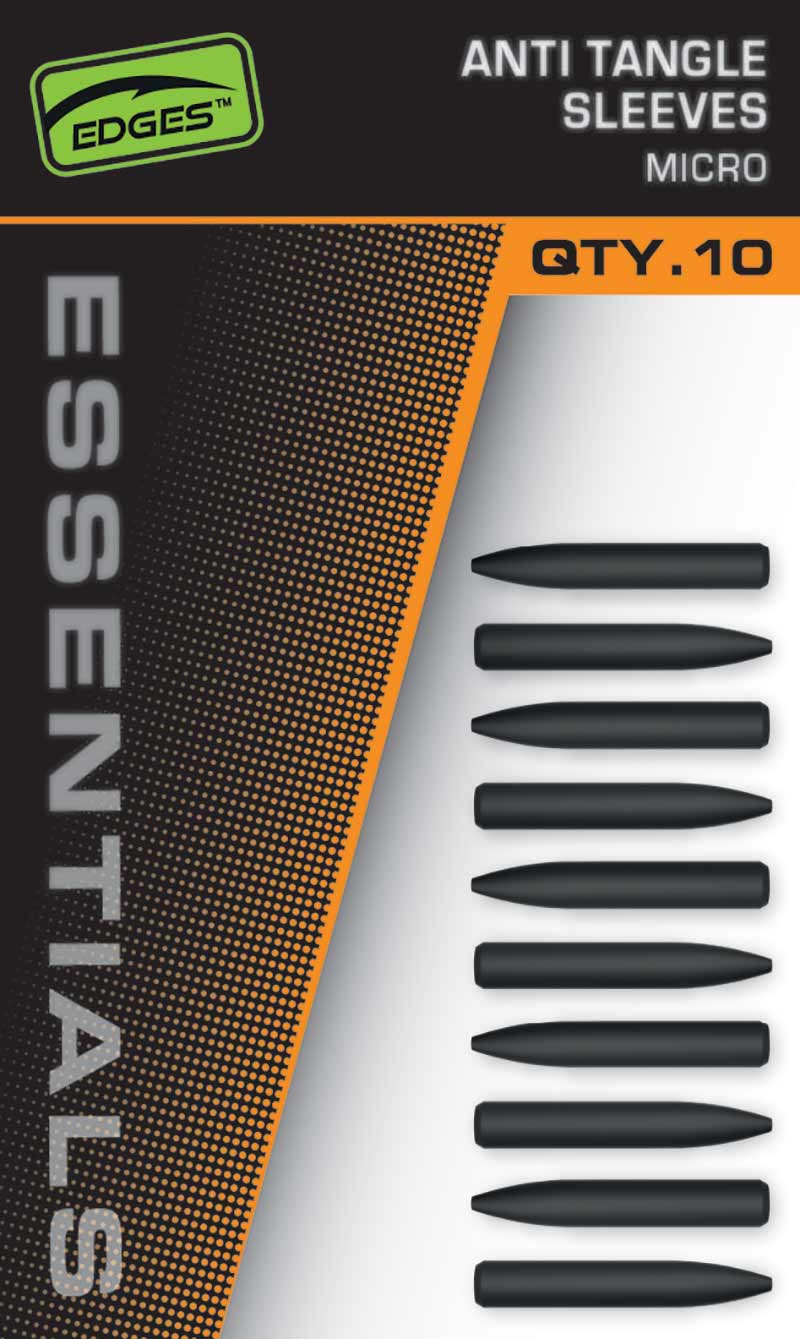
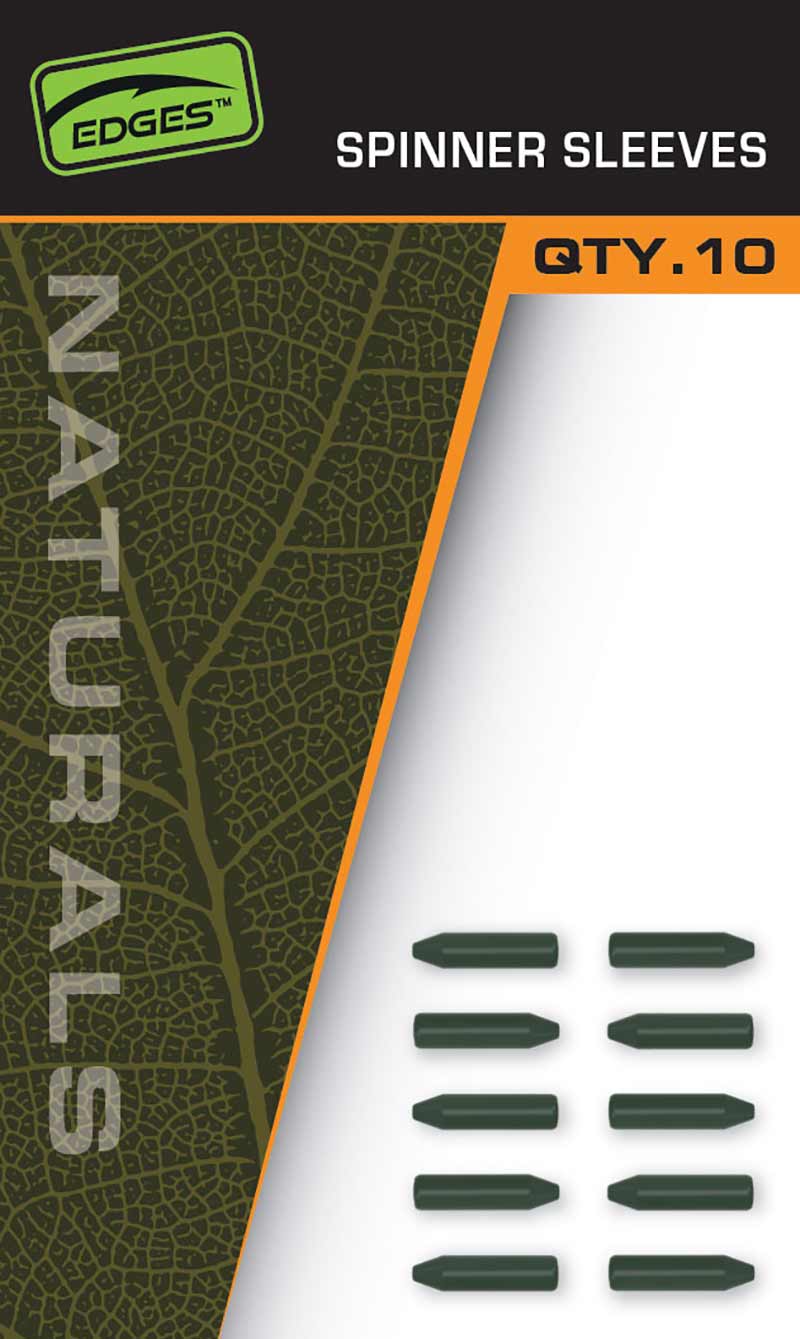
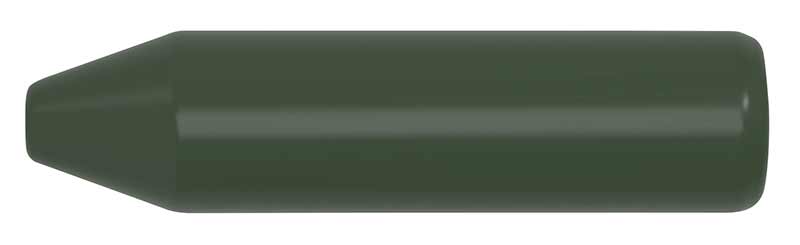
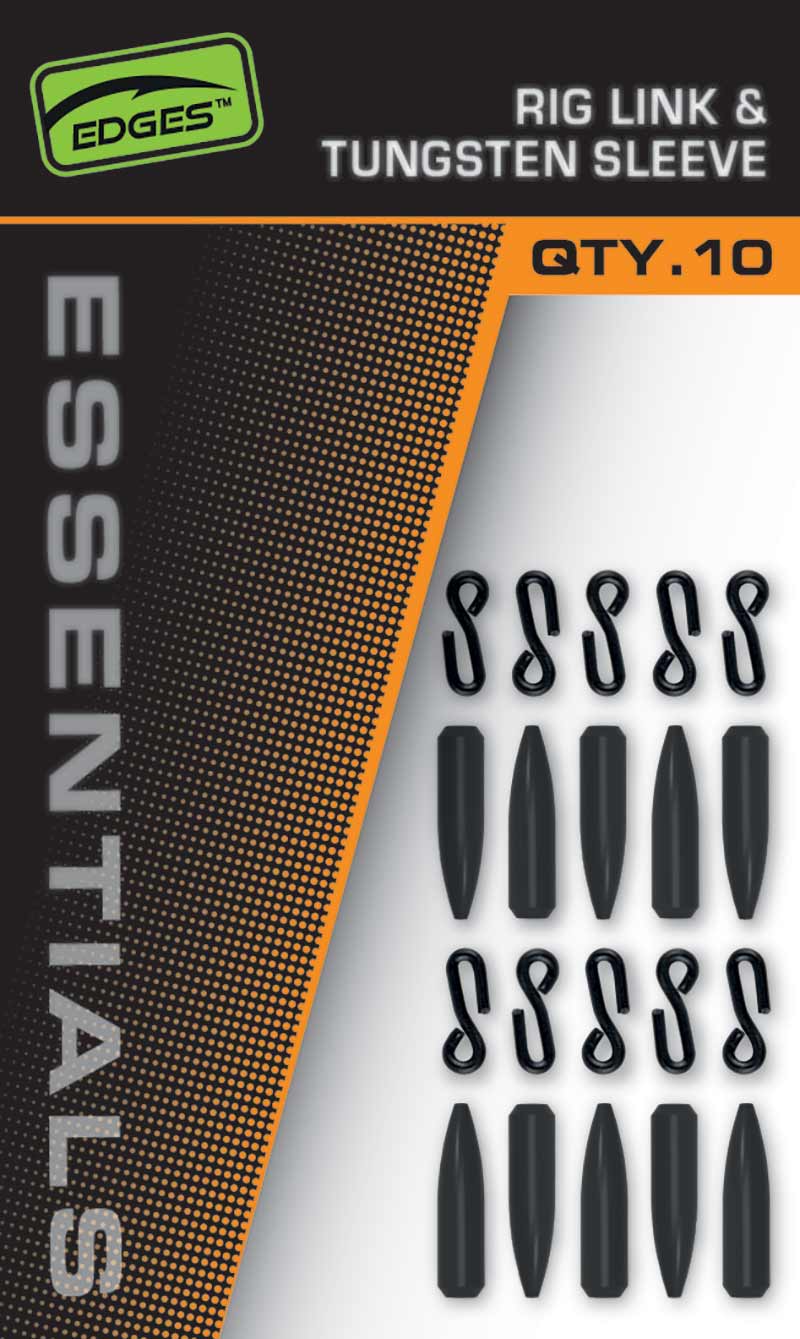
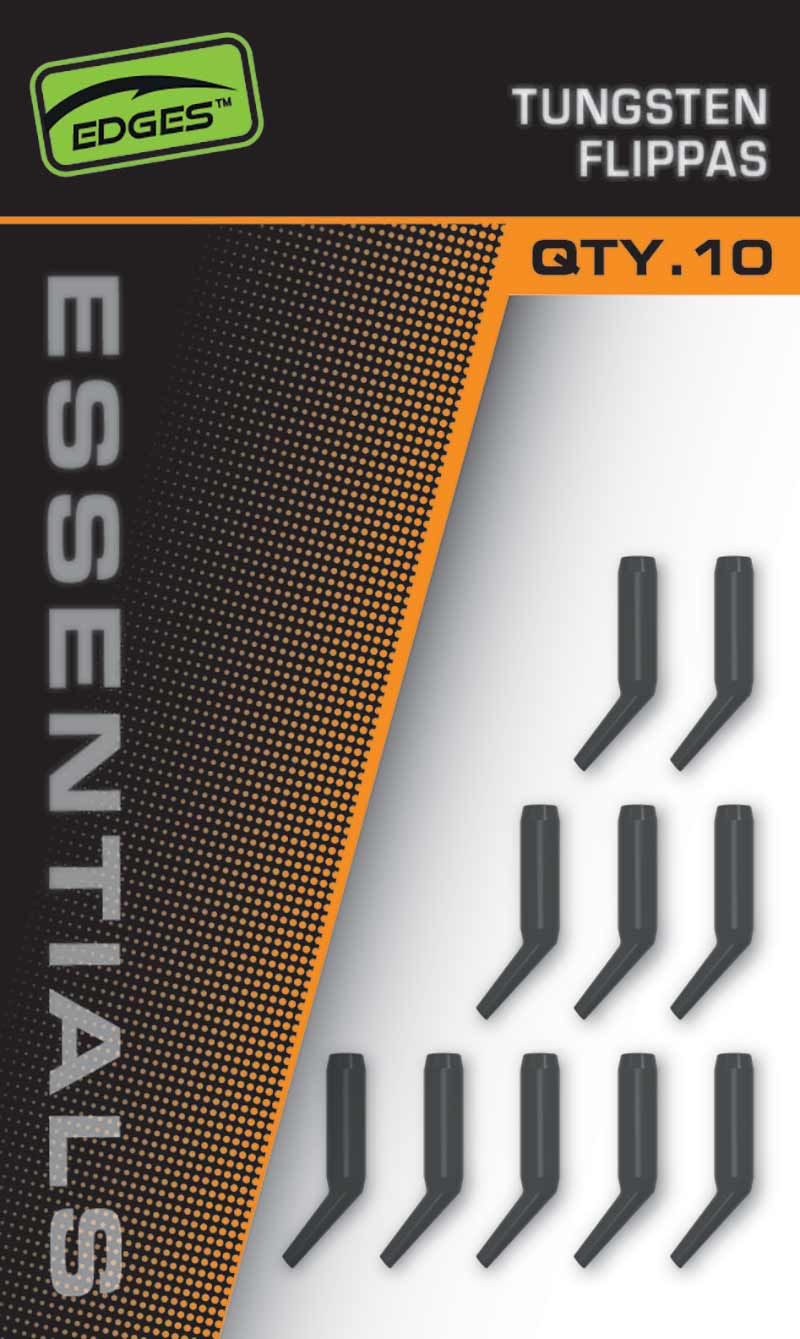
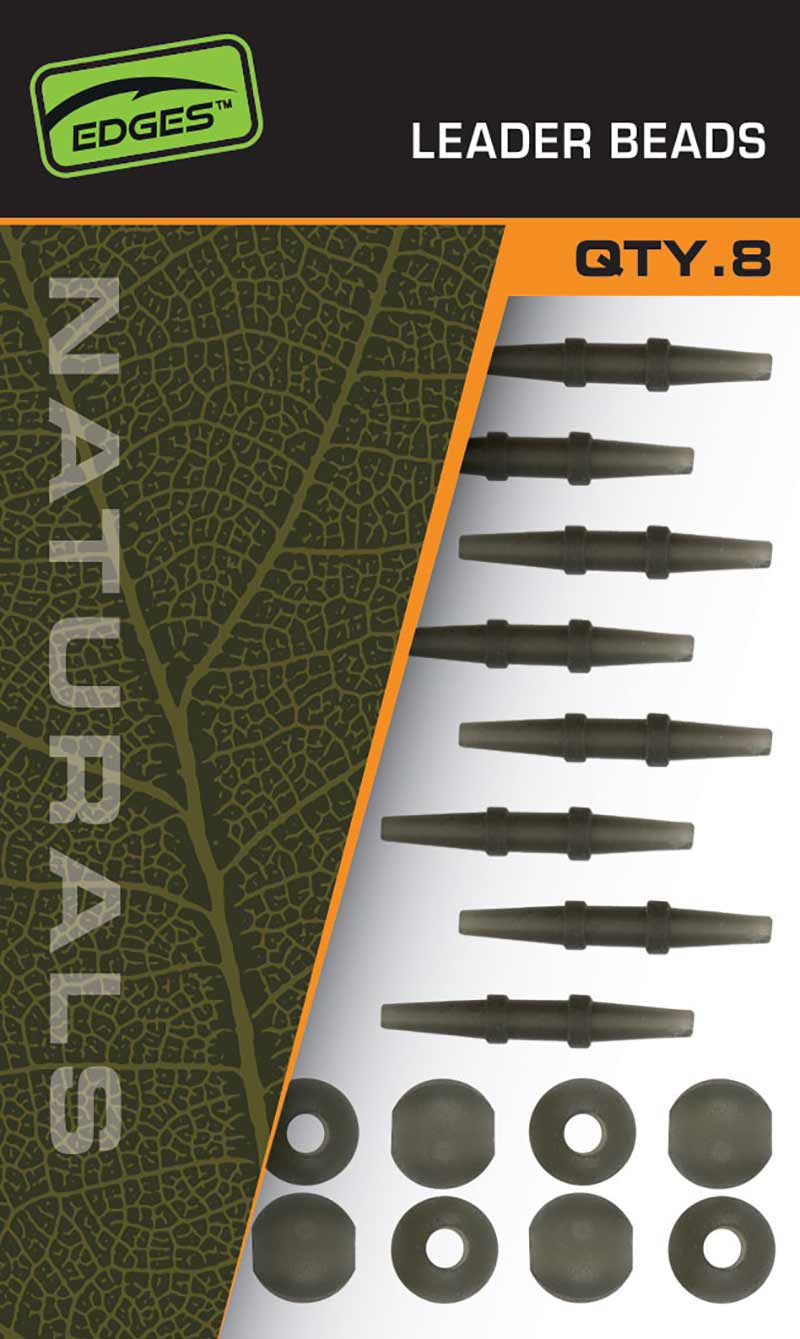
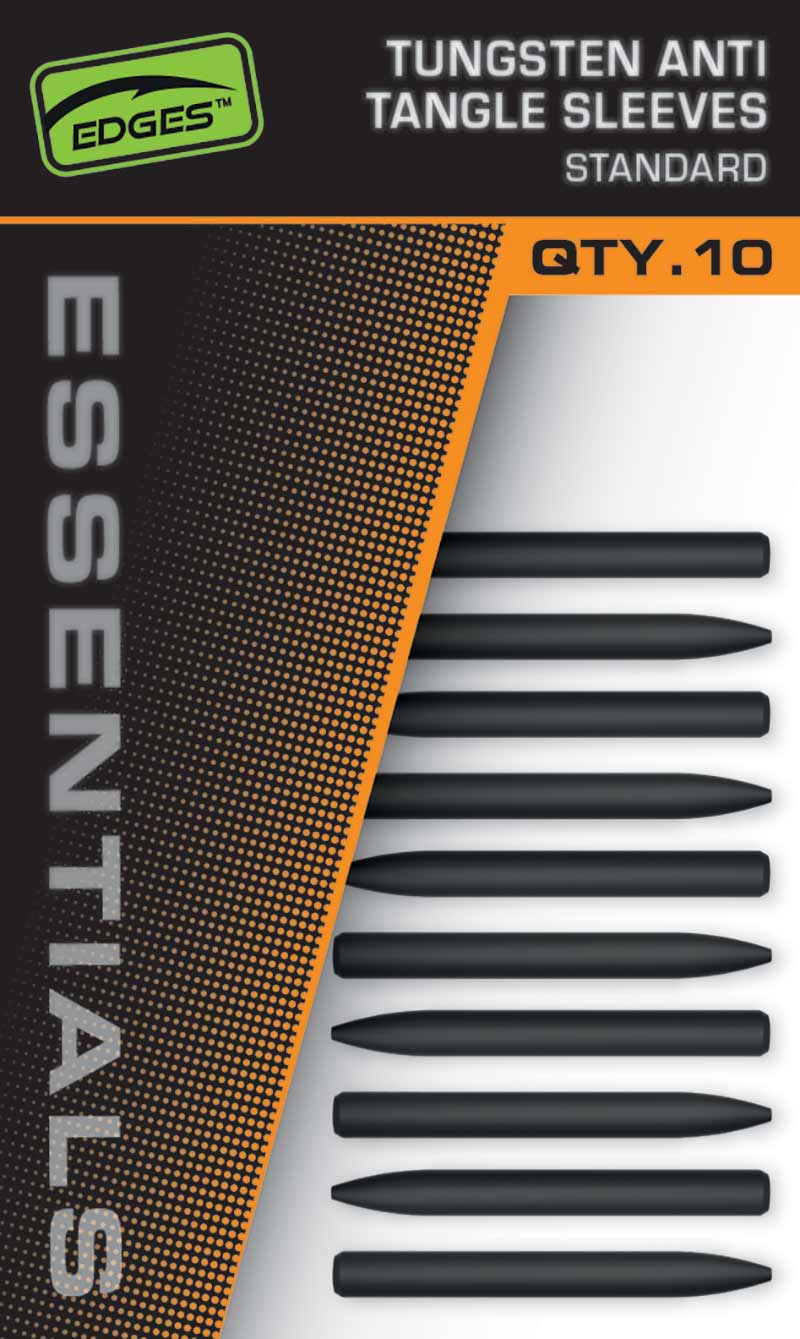
Coarse and feeder anglers can compare feeder links and booms for controlled attachment and reduced tangling. Beads, tubing and sleeves can protect knots, cover connections, space components or help shape a rig. The correct item depends on its diameter, stiffness, material and compatibility with the rest of the setup.
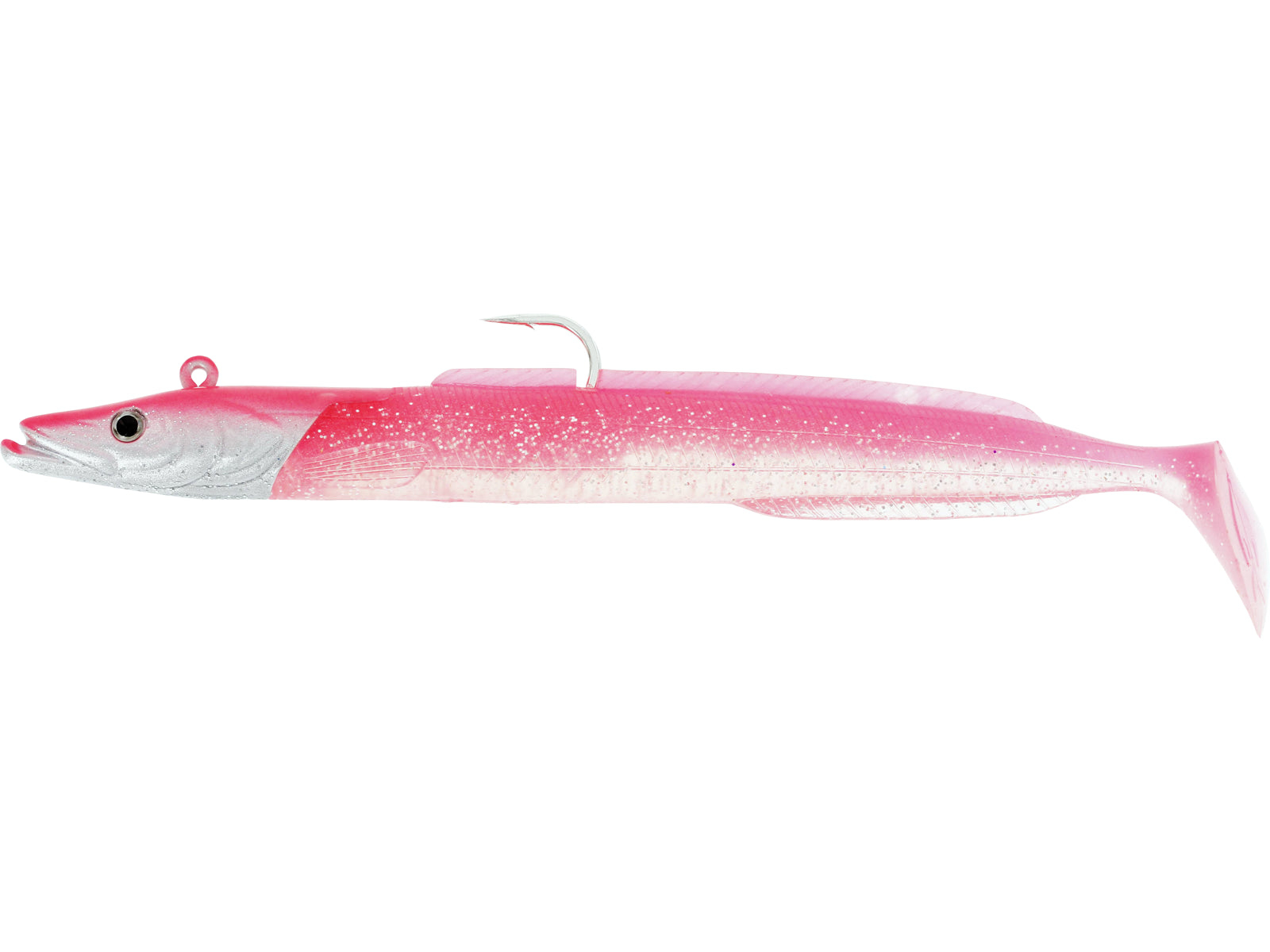
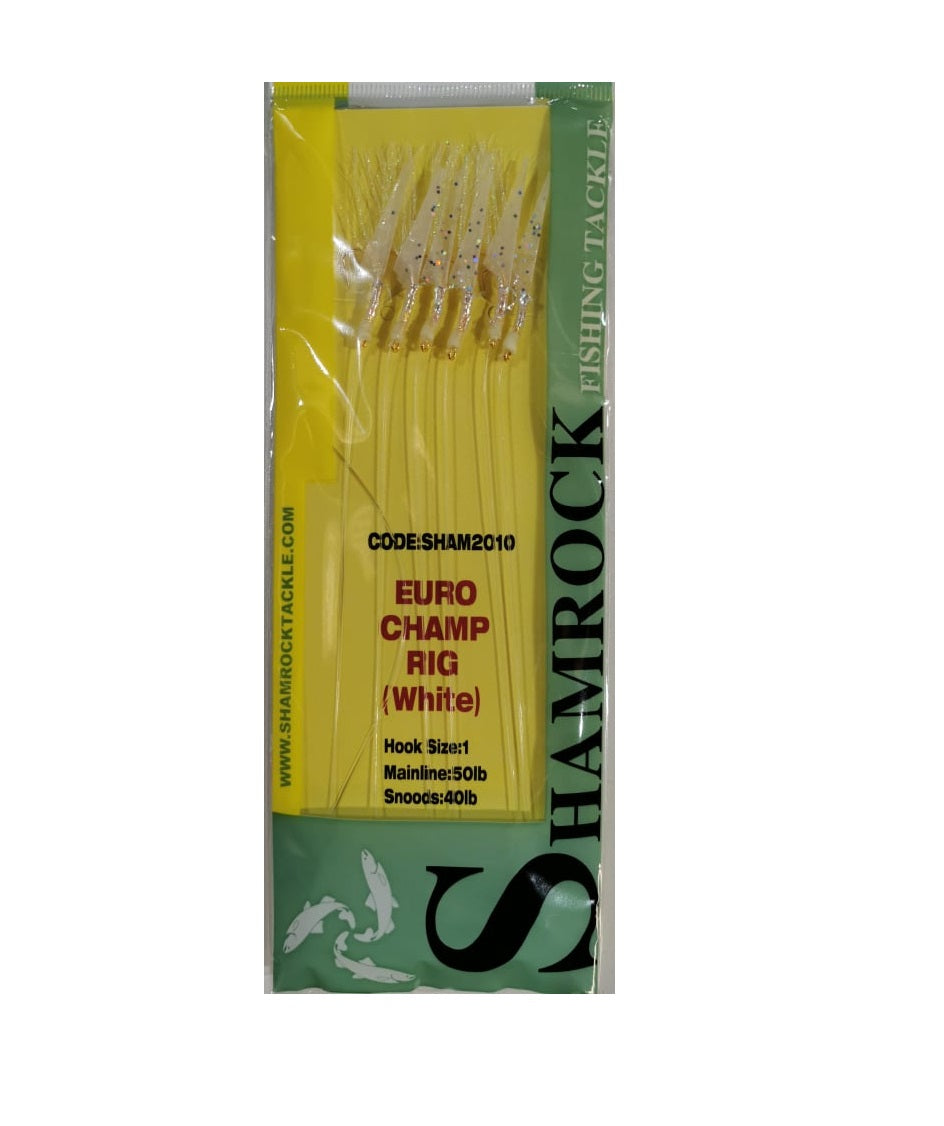
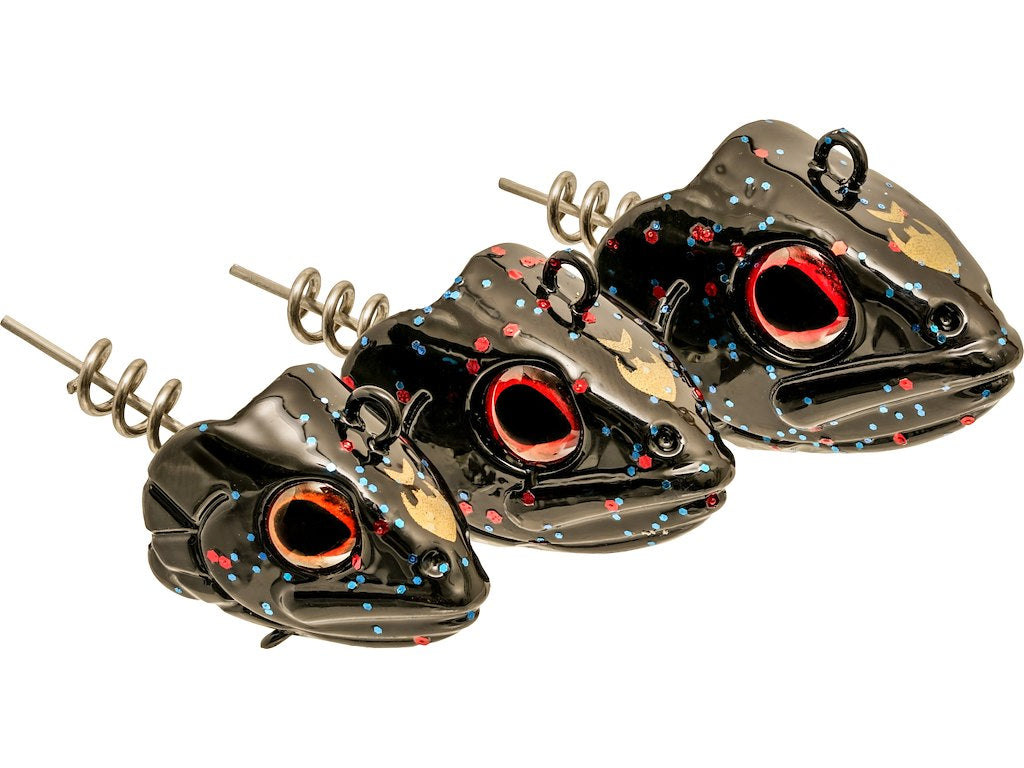
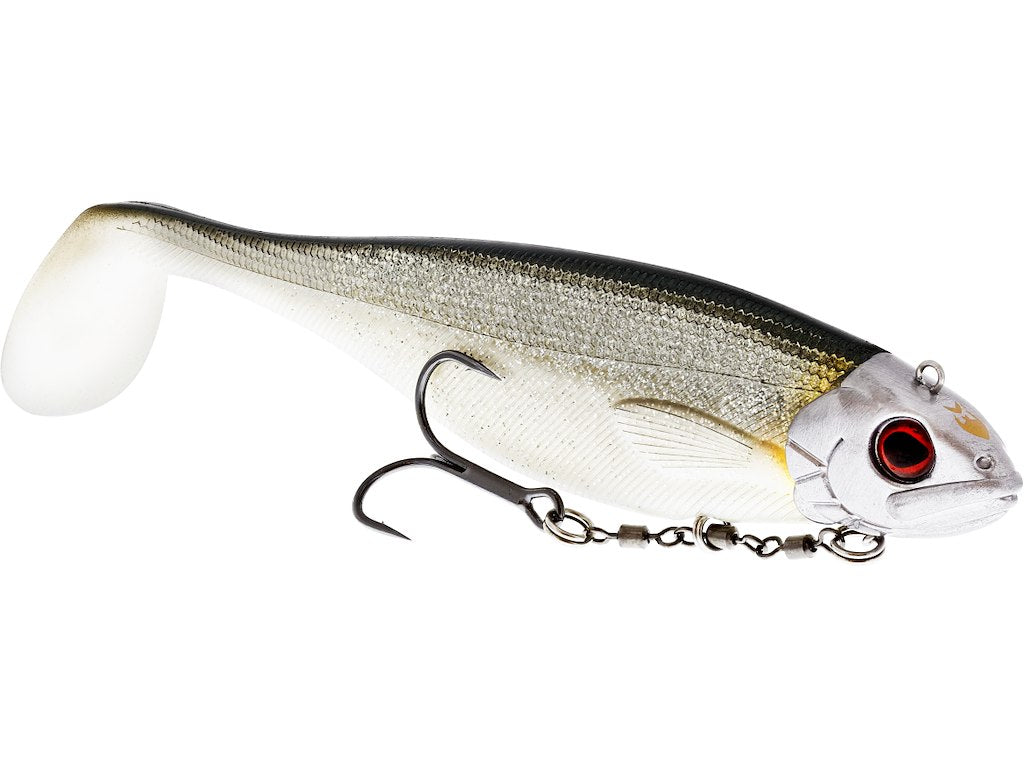
Jig heads add casting weight and depth control to soft-lure presentations, while stingers provide an additional hook position on selected predator rigs. Anglers who prefer a prepared setup can browse ready rigs, but should still inspect every hook, knot, swivel and connection before use.
The current collection includes products from Fox, Westin, Zebco, Kinetic, Savage Gear, Shakespeare, Matrix, Preston Innovations and other established brands across predator, carp, coarse and sea angling. Brand can indicate a familiar system, but size, material, strength and intended method are more important than the logo alone.
How to choose compatible terminal tackle
Begin with the rig you want to build and work through each connection in order. Components should be strong enough for the target species and line, yet small and light enough to preserve the intended presentation. Check stated breaking strain where supplied, but also consider wire diameter, opening size, swivel movement and whether adjoining parts can move freely without slipping through or jamming.
For crimps and sleeves, match the internal diameter to the trace or line material and use the correct tool. Avoid damaging wire or fluorocarbon by over-compressing a crimp. With snaps, split rings and swivels, inspect closures and edges for distortion or rough points. In saltwater, choose suitable materials where possible, rinse reusable items after exposure and replace any component showing corrosion or wear.
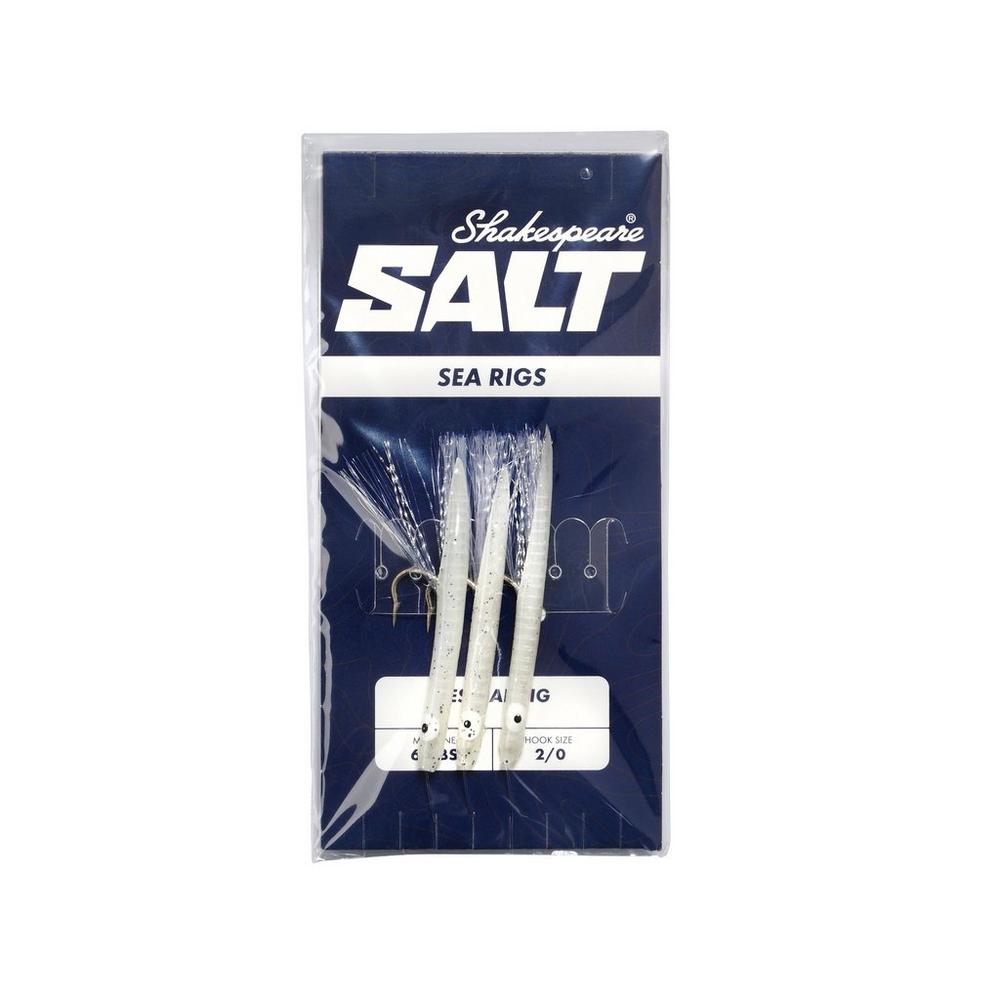
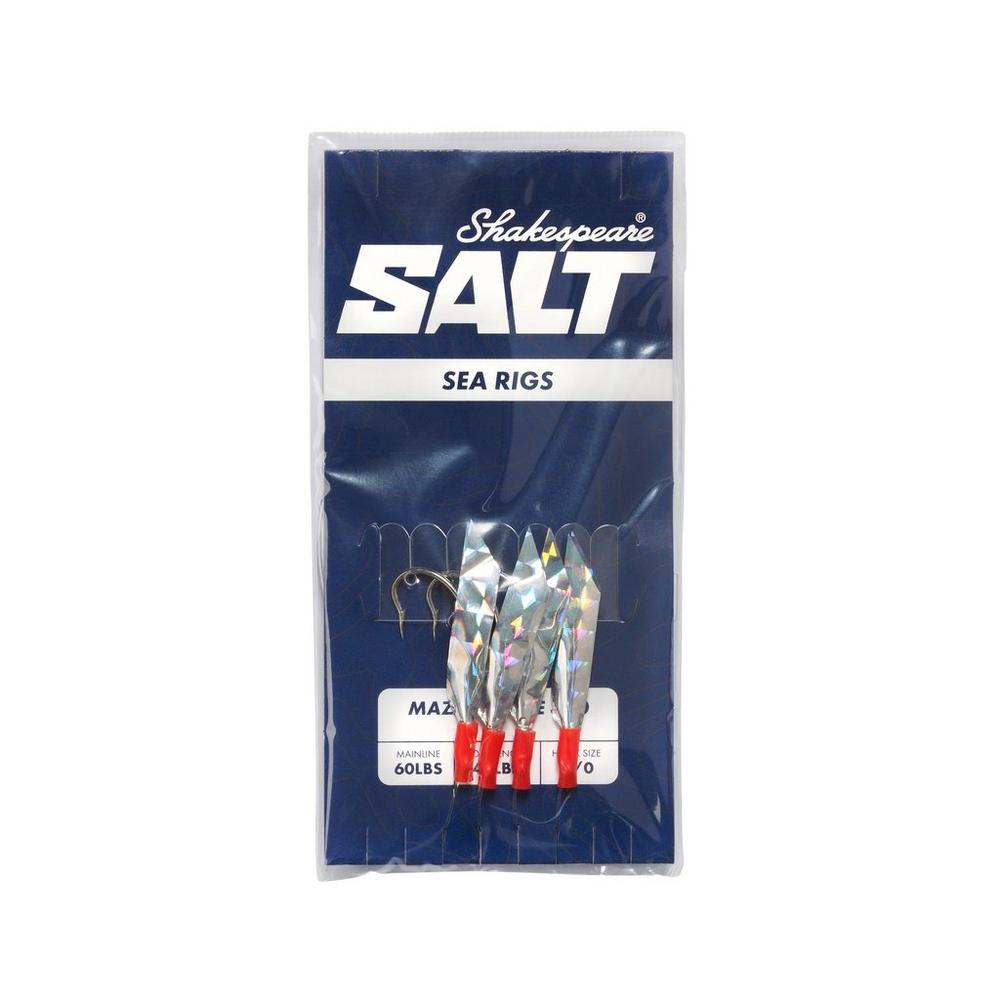
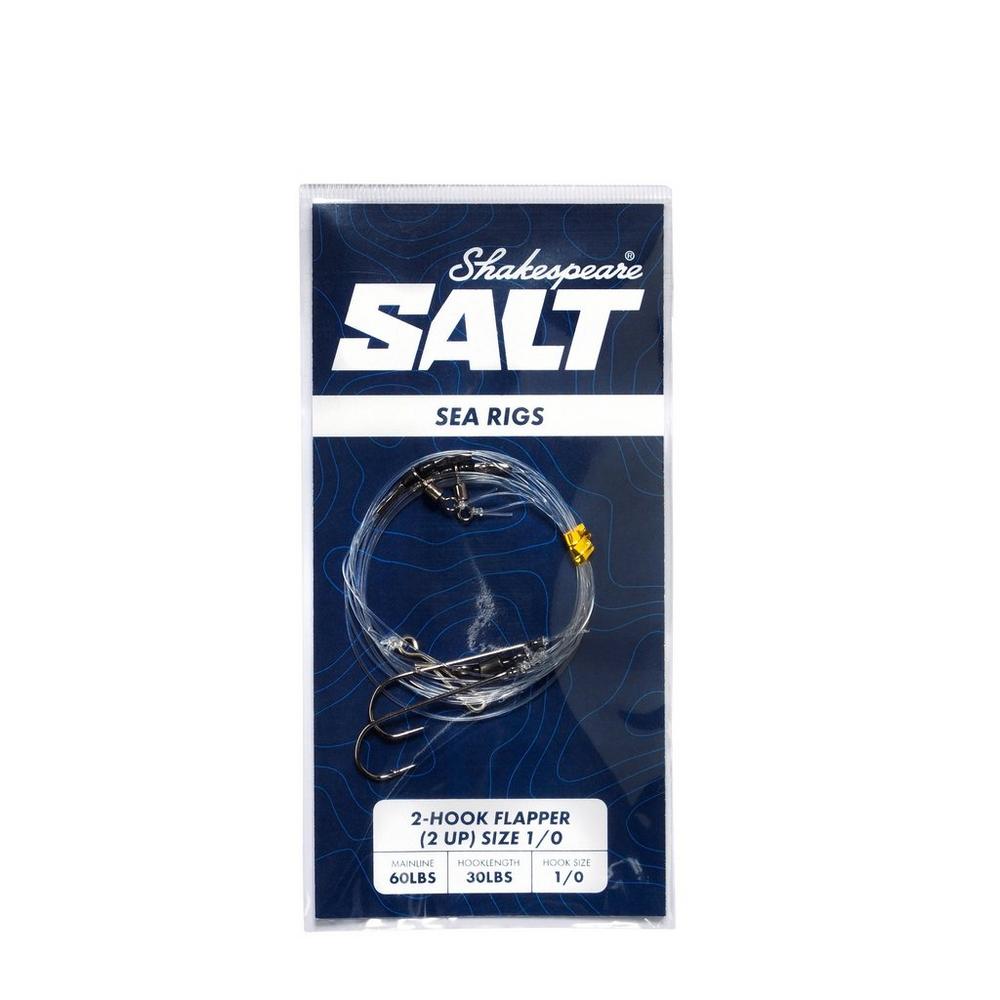
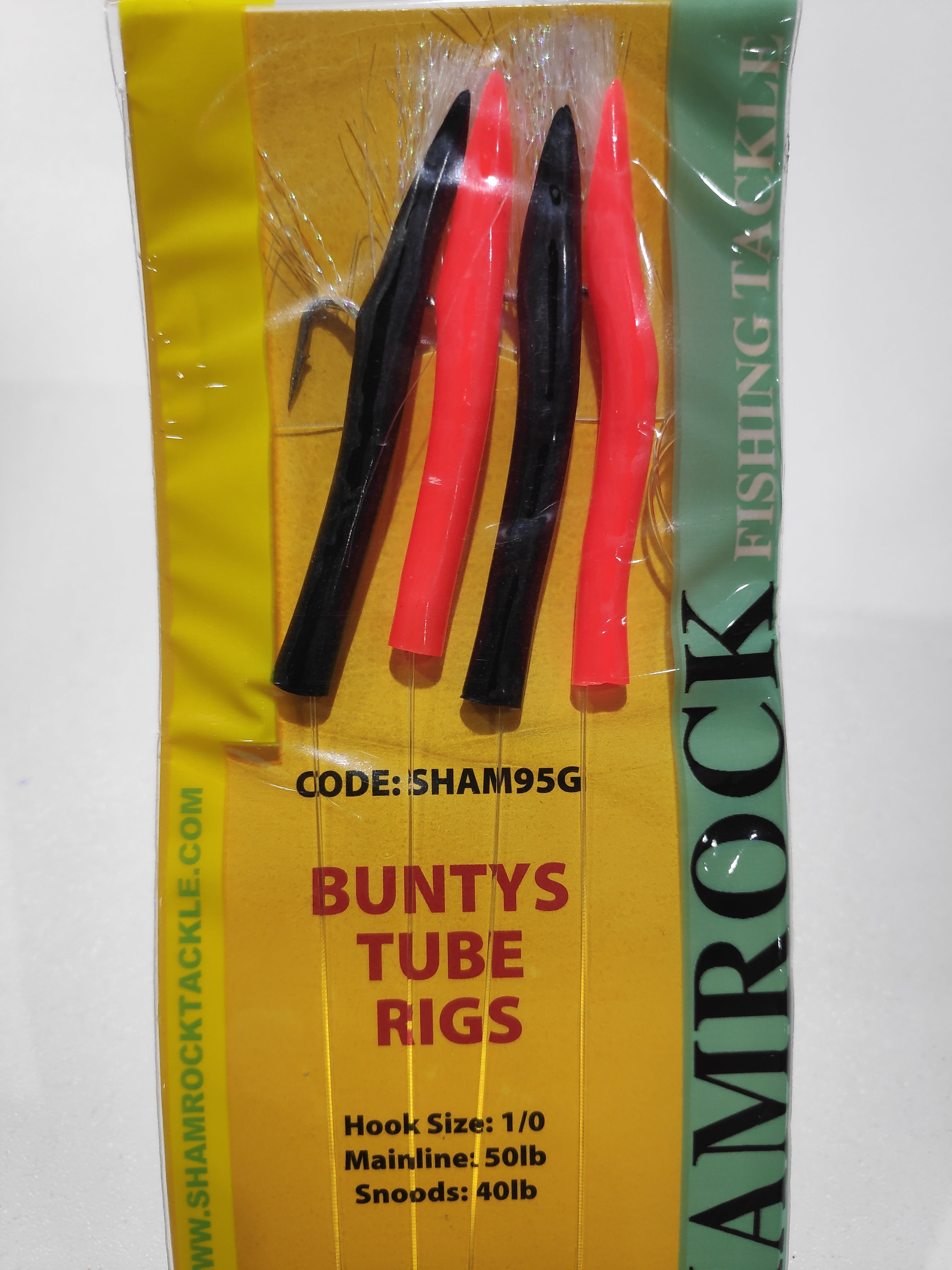
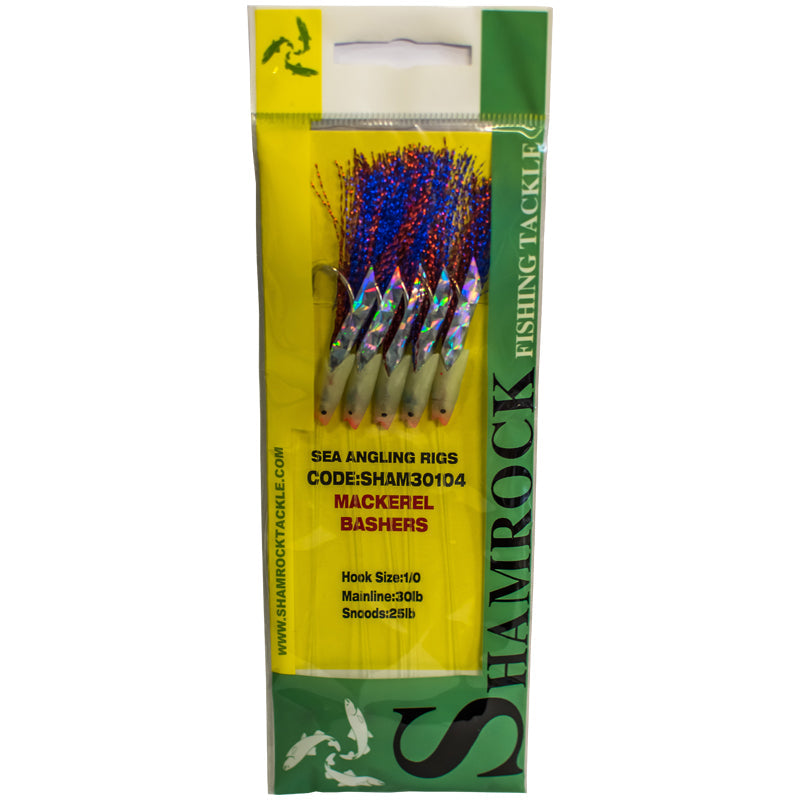
Ready-made rigs save preparation time, but they are not automatically suitable for every venue. Confirm hook size, trace material, overall length, connection type and the species or method stated on the product page. Recheck factory-tied knots and crimps before the first cast.
Complete the full rig
Match terminal components with suitable fishing hooks, the correct fishing line and appropriate weights and leads. Building the system from the rod and main line down to the final hook or lure makes it easier to spot weak or incompatible connections before you reach the water.