Hooklength and hooklink line for rig making
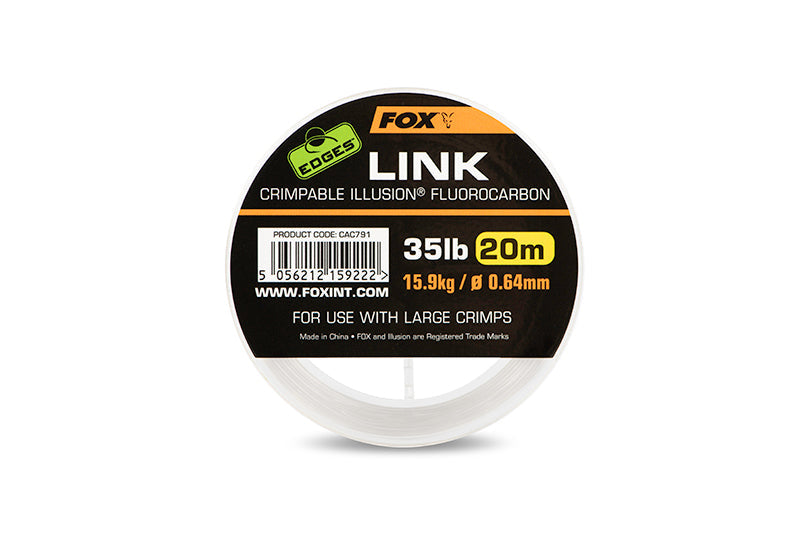
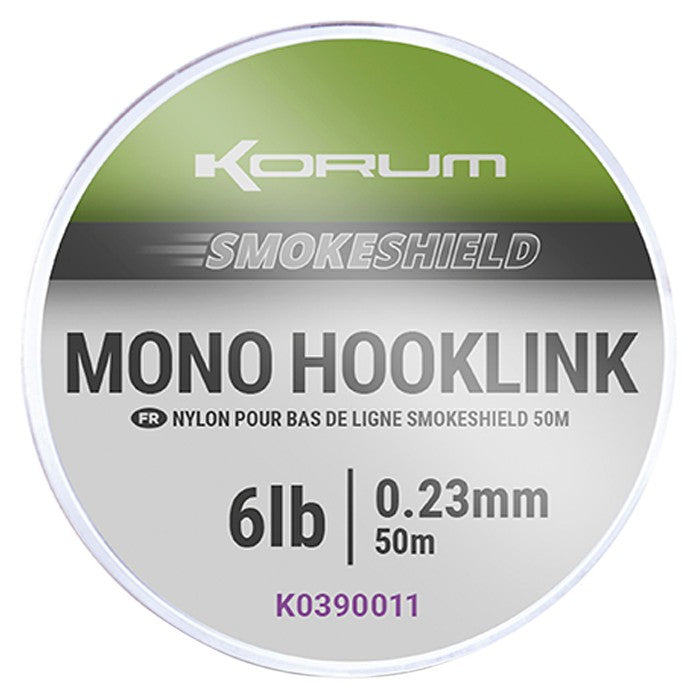
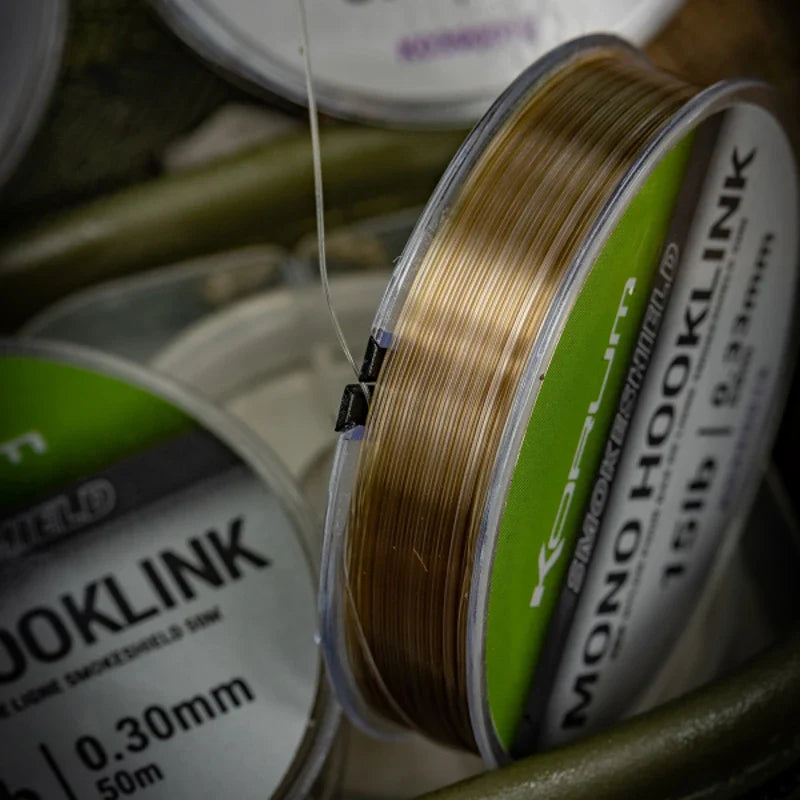
Hooklength line forms the final section between the main line or rig body and the hook. The required properties depend on the method: feeder and float rigs may use fine mono, while carp rigs can use coated braid, supple braid, stiff mono or fluorocarbon. The collection includes JRC, Matrix, Preston Innovations, Korum and Fox.
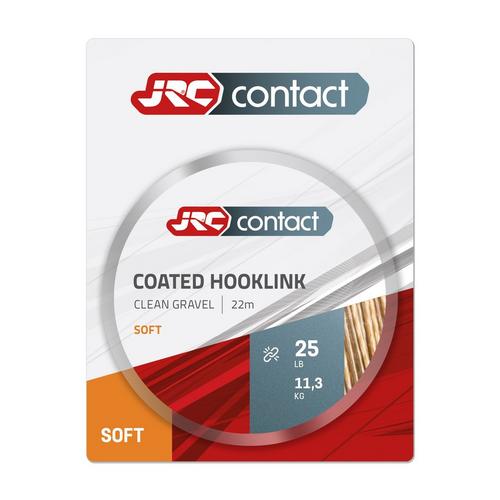
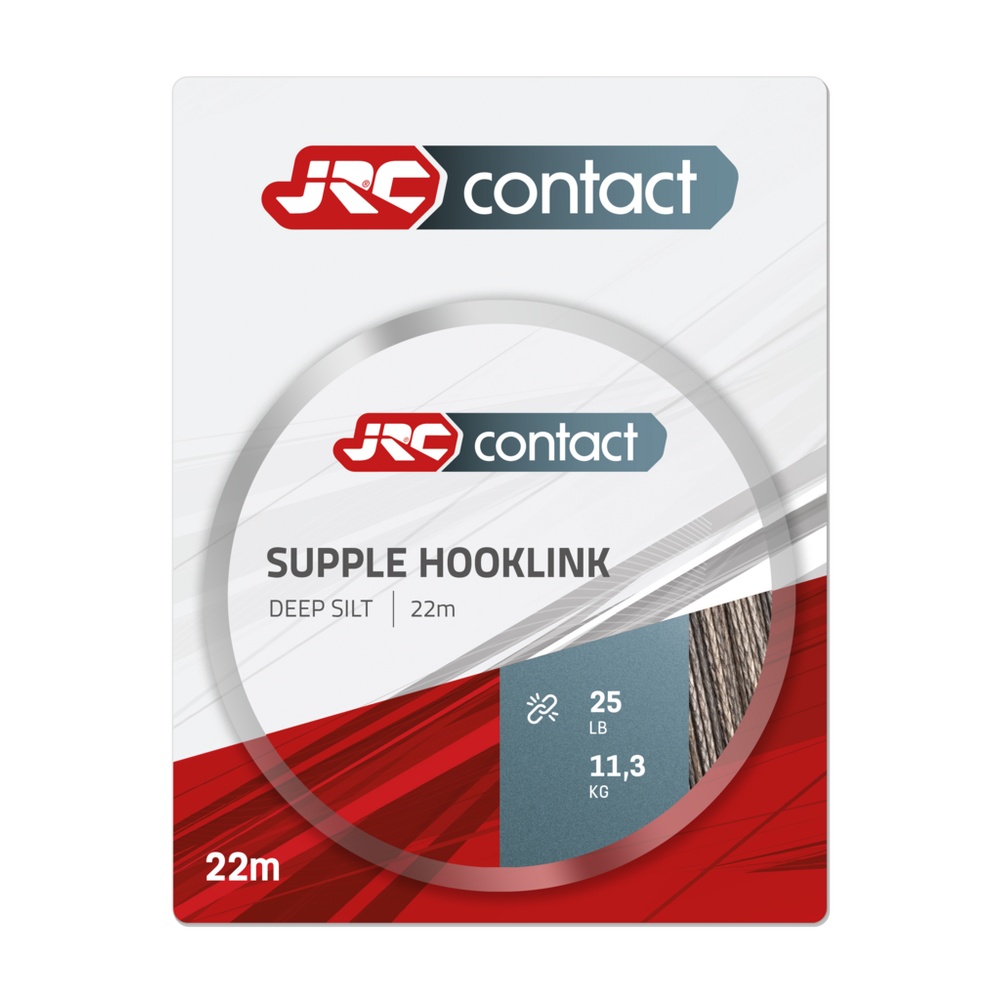
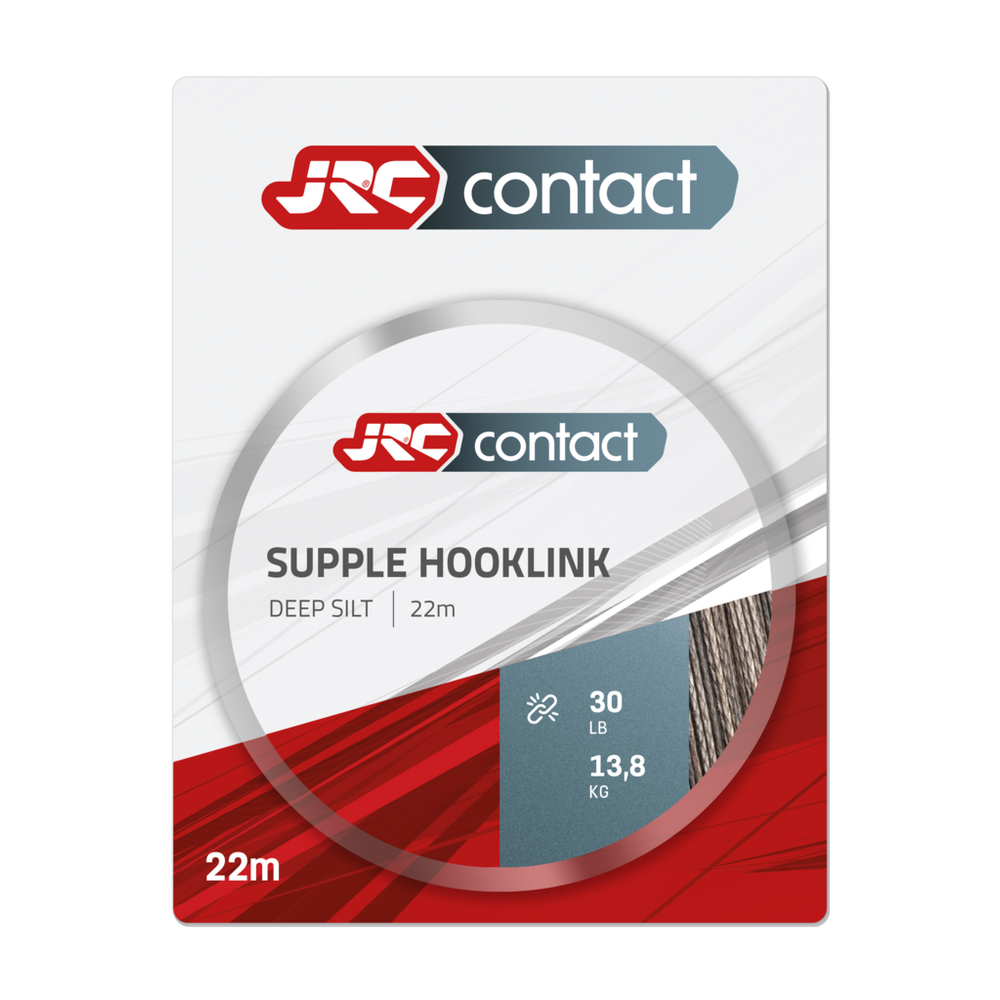
Material choice affects how the bait settles and how the rig responds to a fish. Supple braid follows uneven bottoms, coated hooklink can create a stiff boom with a flexible stripped section, and rigid materials help some rigs reset after movement. No single material suits every hook, bait, bottom or target species.
Browse the parent fishing lines range, compare fluorocarbon line, explore fly line for a different casting system, or use braided line where a low-stretch main line is required.
Choose strength, stiffness and coating
Start with the target fish, hook size, main line and likely snags. The hooklength should not be selected only by maximum breaking strain; diameter, knot strength, abrasion and presentation matter. Build a deliberate weak point where appropriate so a break leaves as little tackle as possible attached to a fish.
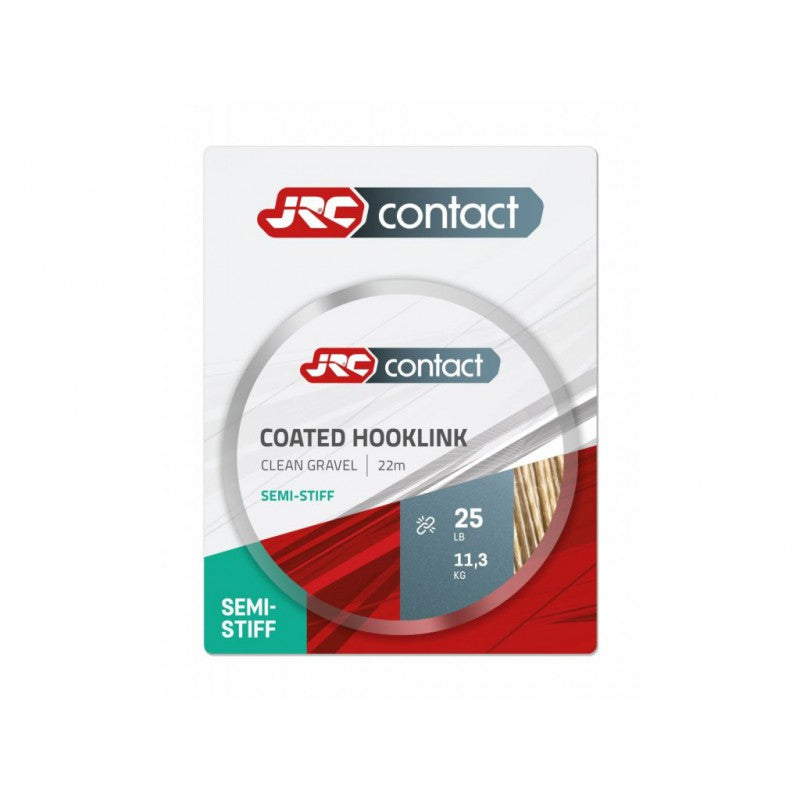
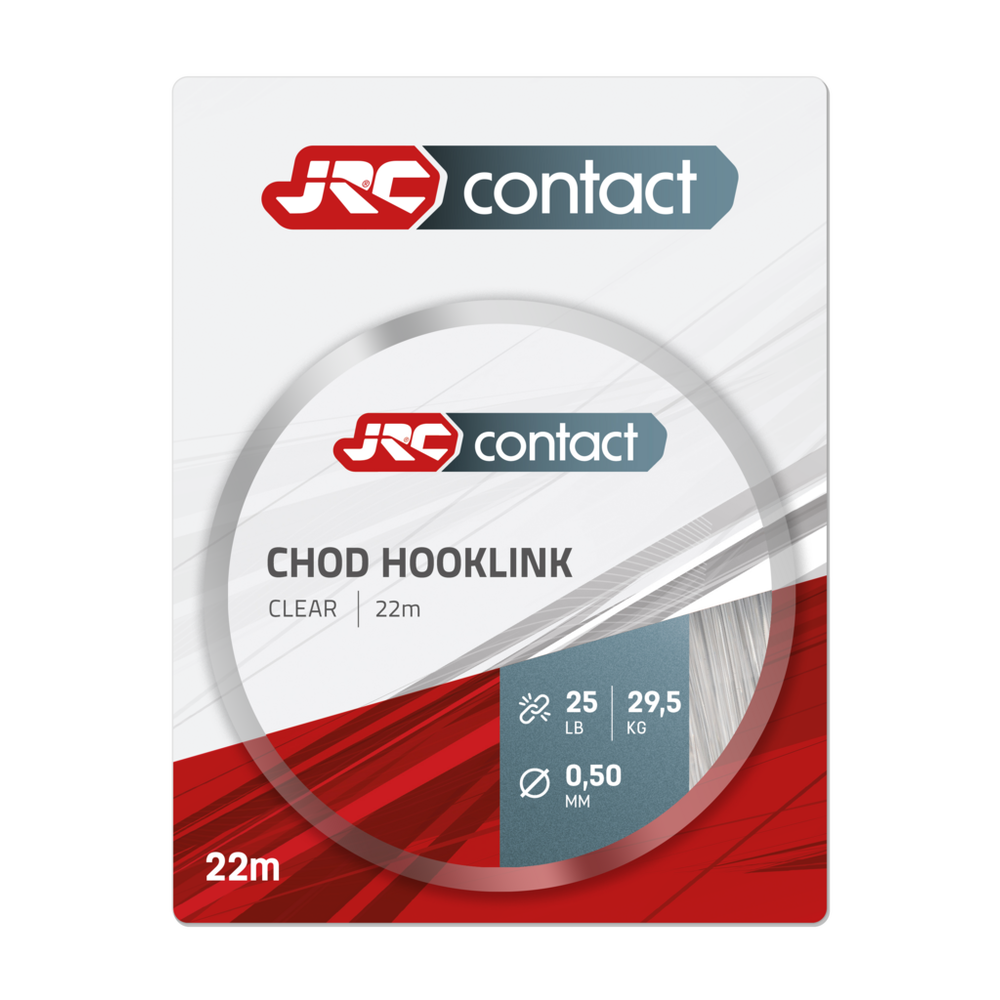
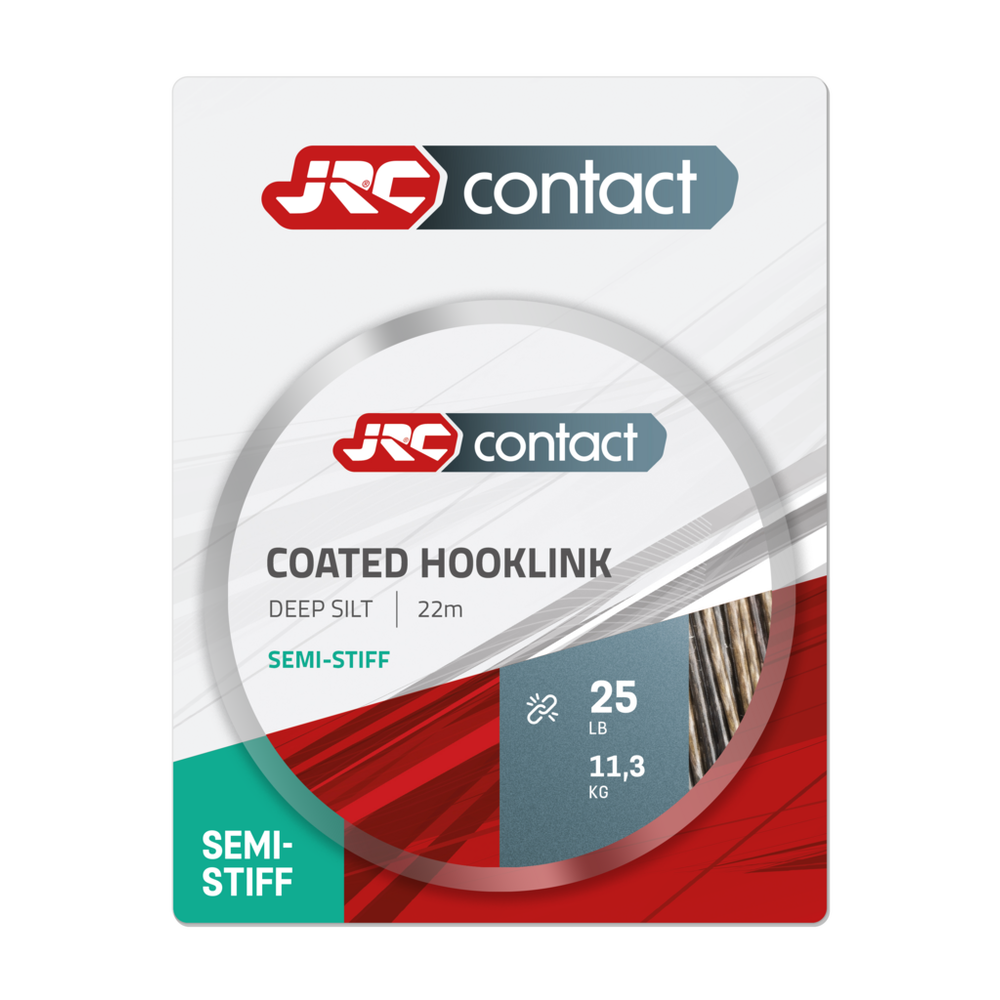
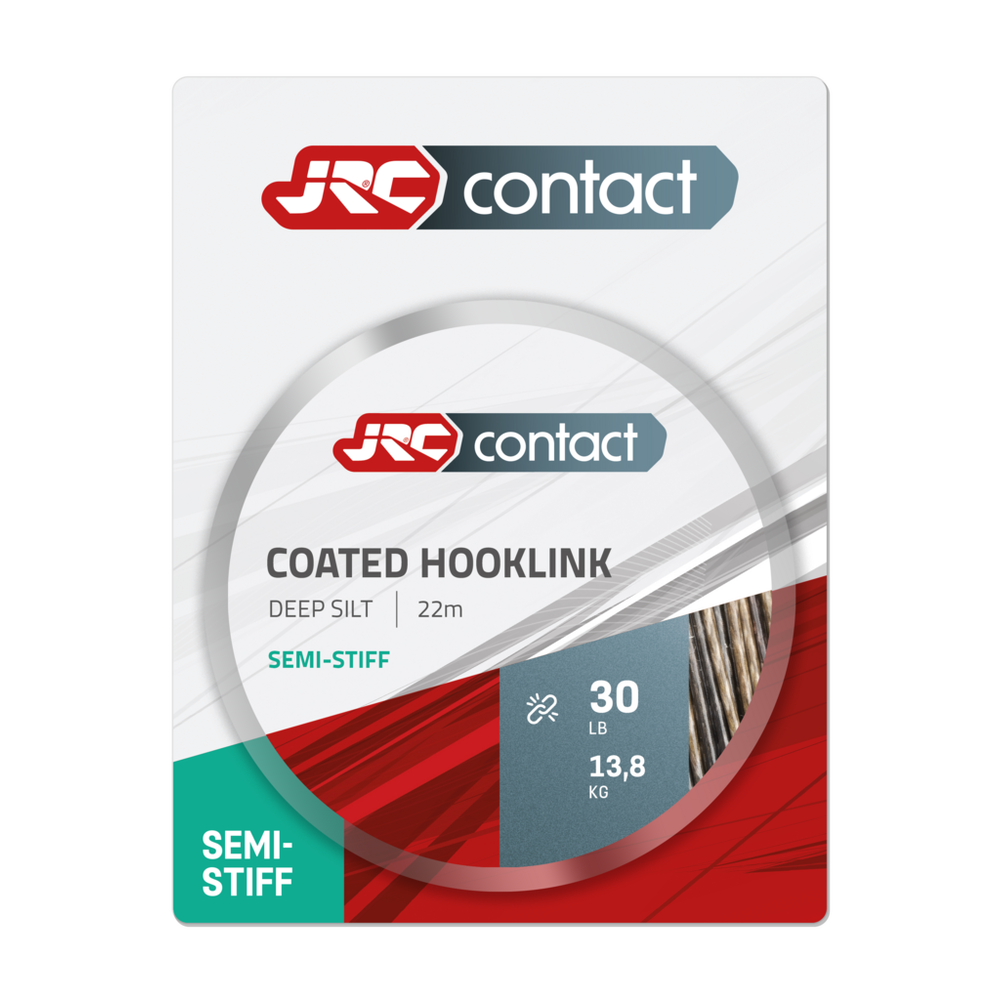
Coated braid may be stripped near the hook to form a hinge, but avoid damaging the core fibres. Semi-stiff and stiff materials can reduce tangles, while soft hooklinks offer natural movement. Check whether a product is designed for knots, crimps or both, and follow its instructions rather than copying a connection from a different material.
Colour can help the hooklink blend with silt, gravel or weed, but correct rig behaviour remains more important. Test the finished rig in the margin to see how it settles. The fishing with maggots guide provides a practical coarse-fishing context.
Tie, inspect and store finished rigs
Wet knots before tightening, seat them slowly and test every finished hooklength. Use leaders and traces where a separate abrasion or bite-resistant section is needed. Never use ordinary hooklink material as pike protection unless it is explicitly suitable.
Store prepared rigs straight or tensioned in suitable hook and rig storage. Check coatings for cracks, fibres for fraying and mono for kinks before every cast. Discard offcuts securely and label spools or rigs when similar-looking materials have different strengths.