Baiting equipment for preparation and delivery
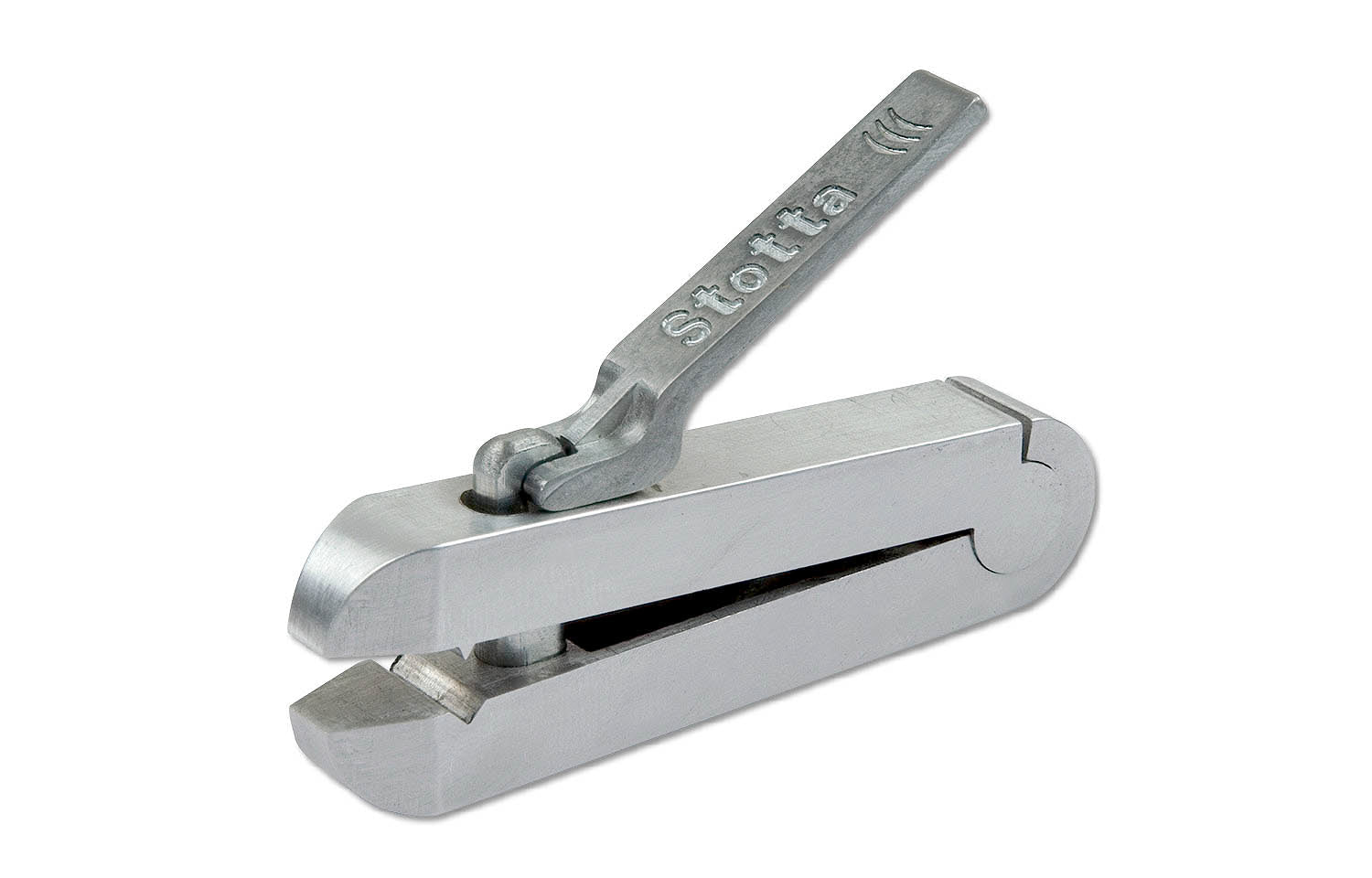
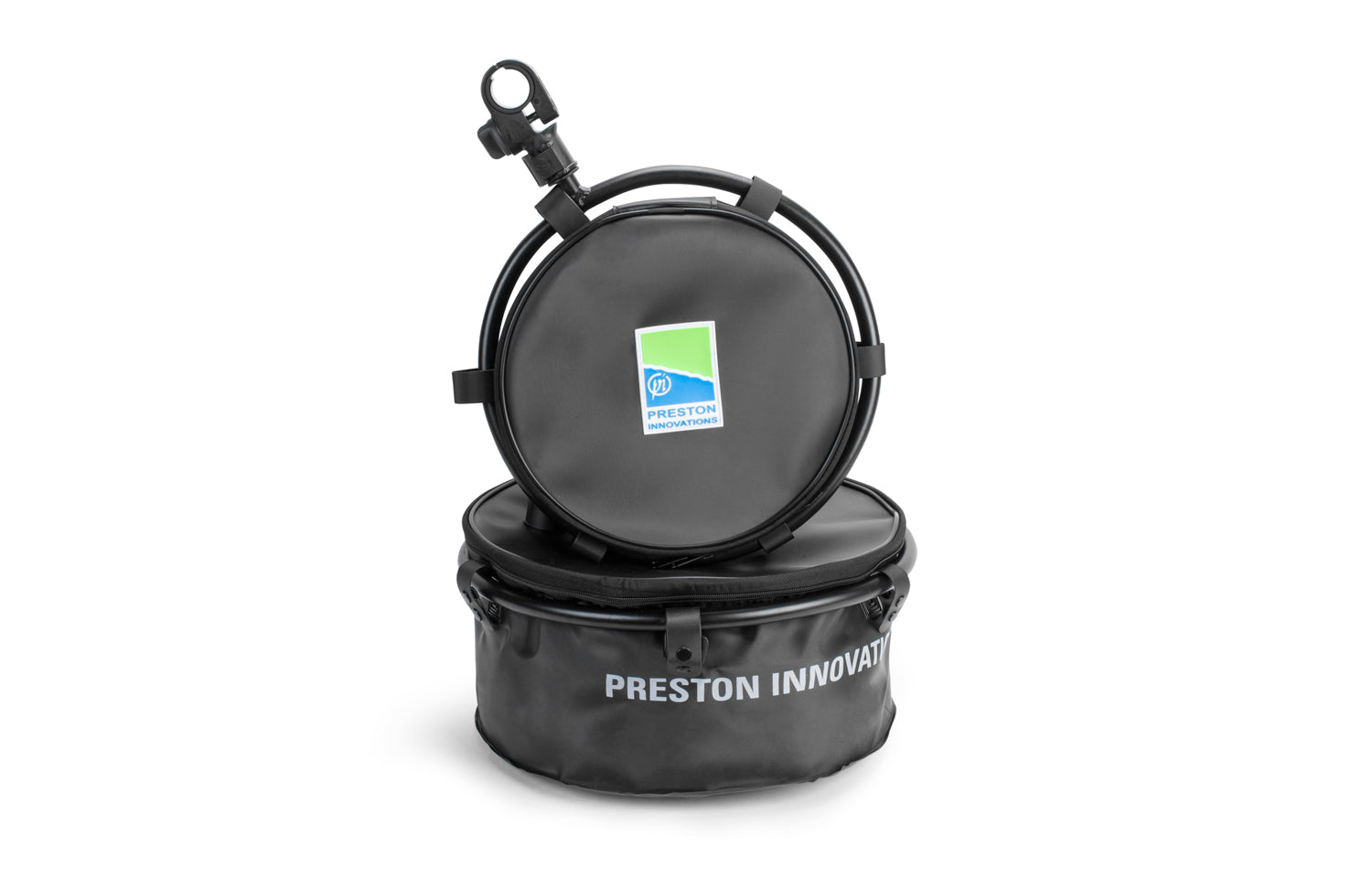
Baiting equipment covers tools used to prepare hook baits, build presentations and introduce feed accurately. Depending on the method, this can involve needles, drills, banding tools, cutters, scoops, mixing accessories and distance-delivery equipment. Each item should be selected for a defined job rather than added to the tackle box without a clear use.
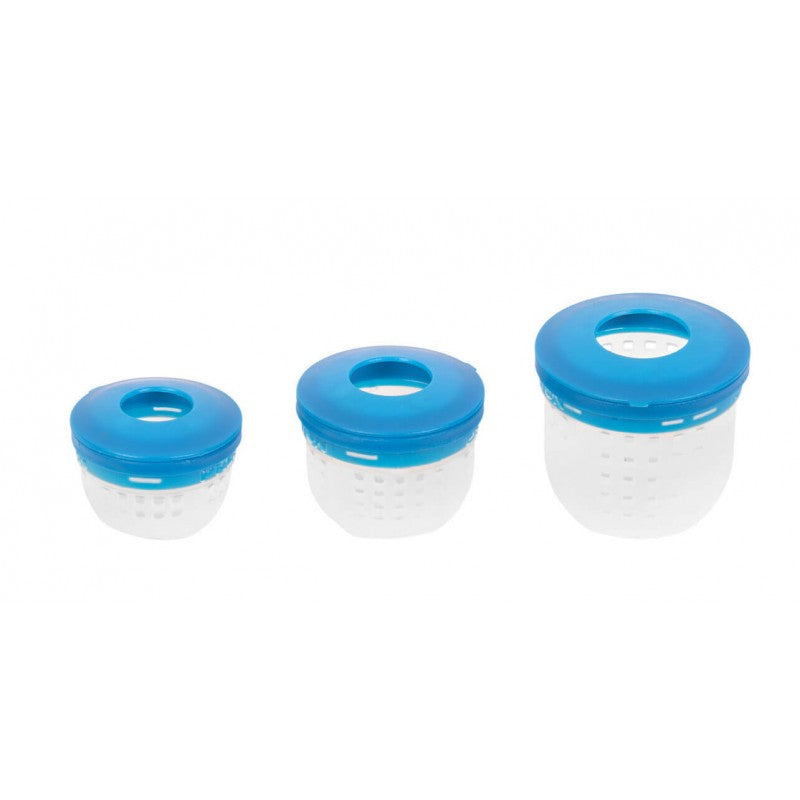
Fine tools suit small pellets and delicate hook baits, while harder boilies or larger baits need stronger shafts and suitable handles. A delivery tool must match the bait size, range and venue. Accuracy and repeatability are normally more useful than introducing a large quantity without observing fish response.
Browse the parent fishing bait range, compare water-soluble PVA products, use compatible bait elastic, or prepare measured additions with bait attractants.
Choose tools for the bait and method
A bait drill should create a clean hole without splitting the bait, and the needle must suit the hair loop and bait density. Do not force a fine needle through a hard bait. Banding tools should open the correct band size without overstretching it, while cutters and scissors need guarded storage.
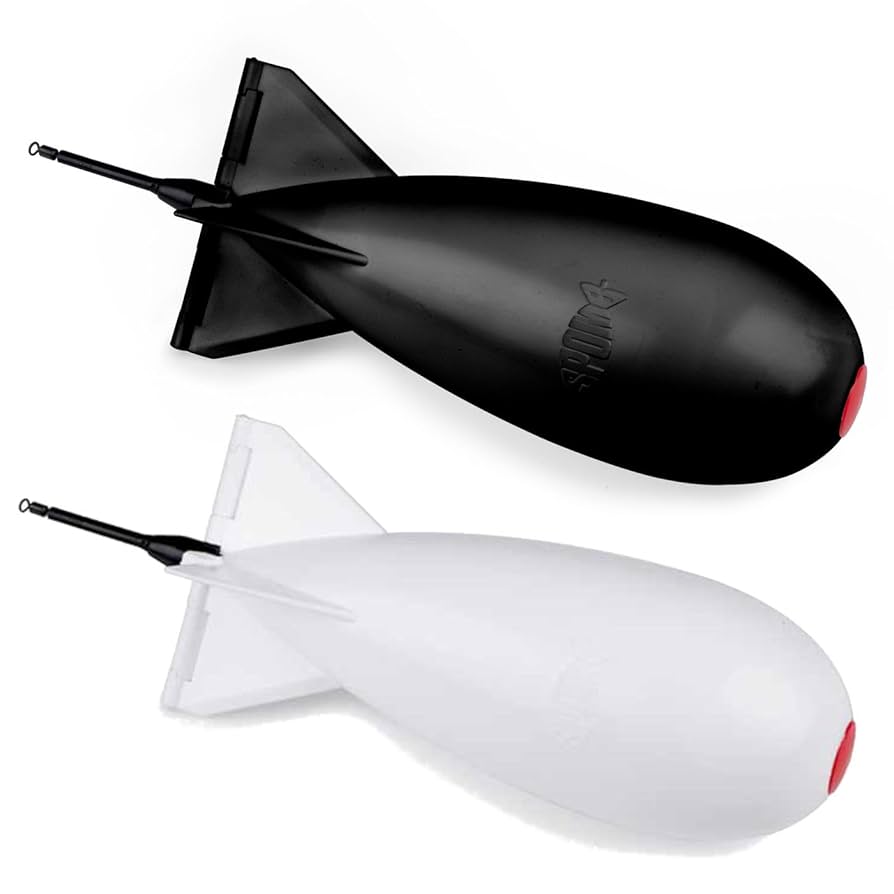
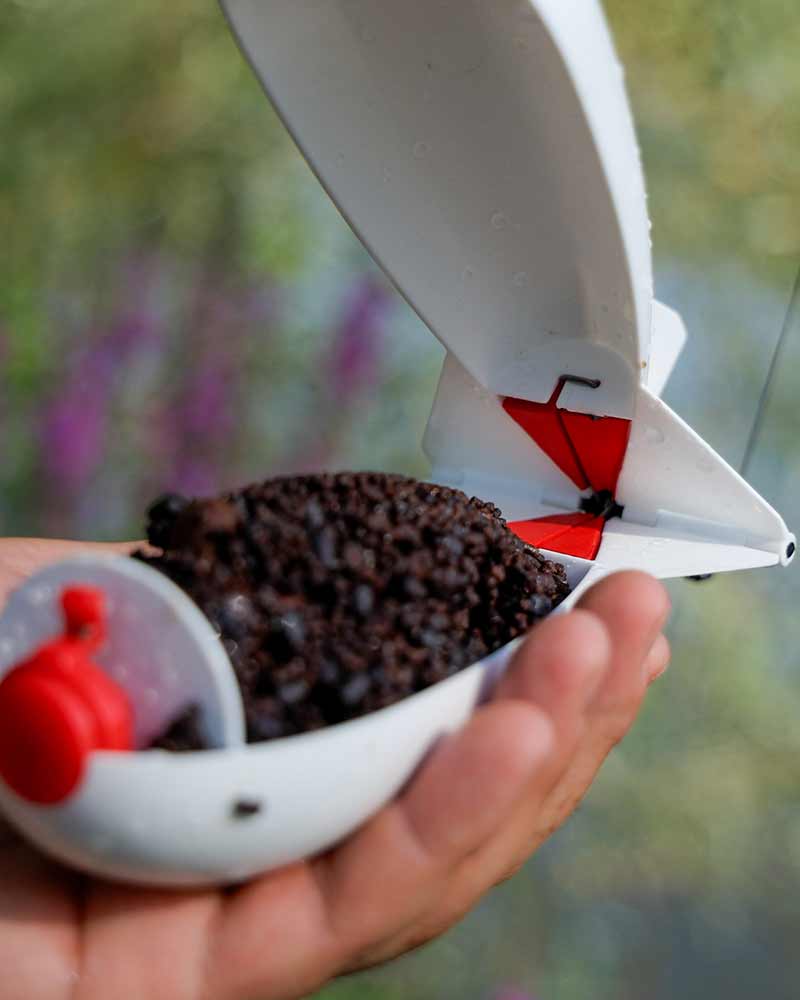
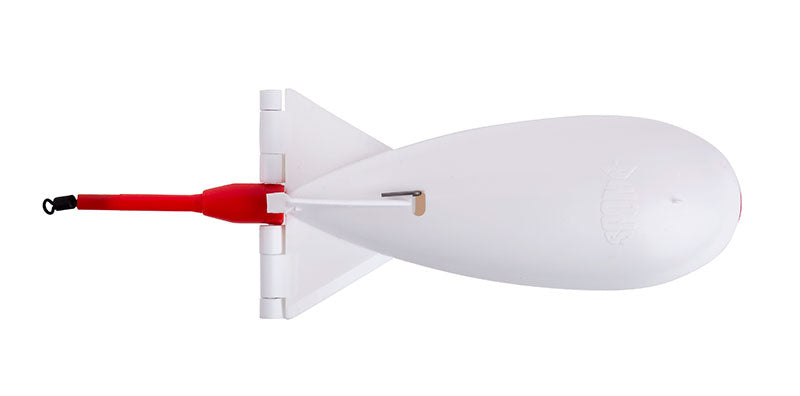
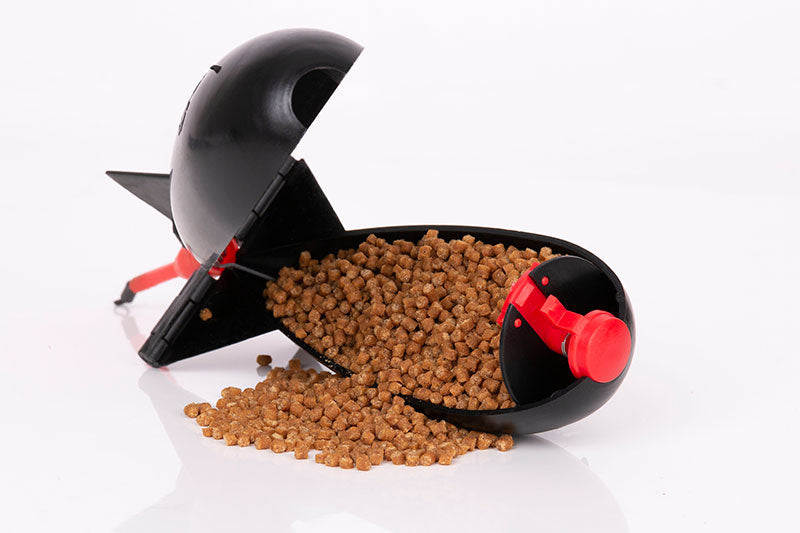
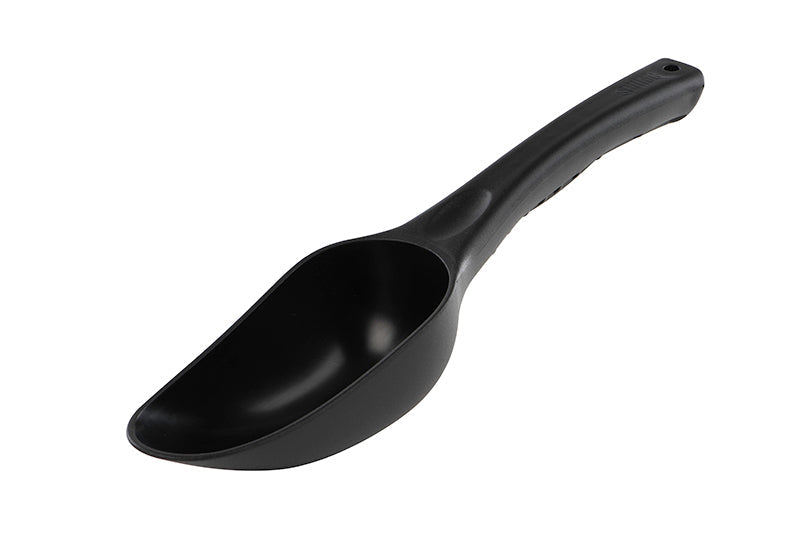
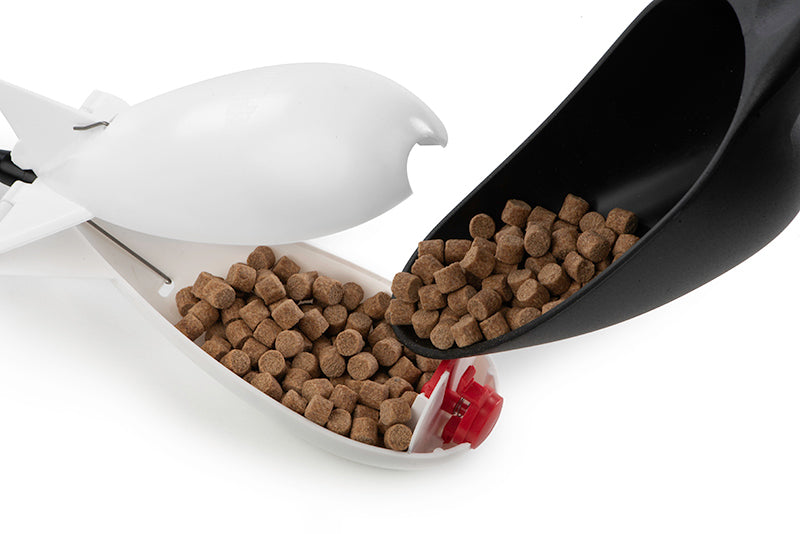
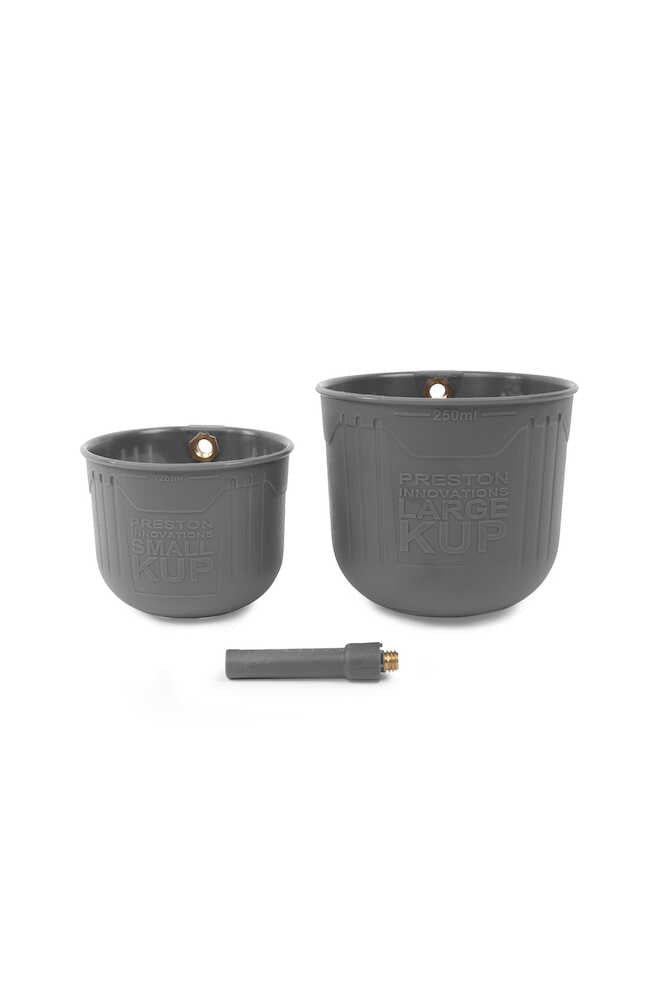
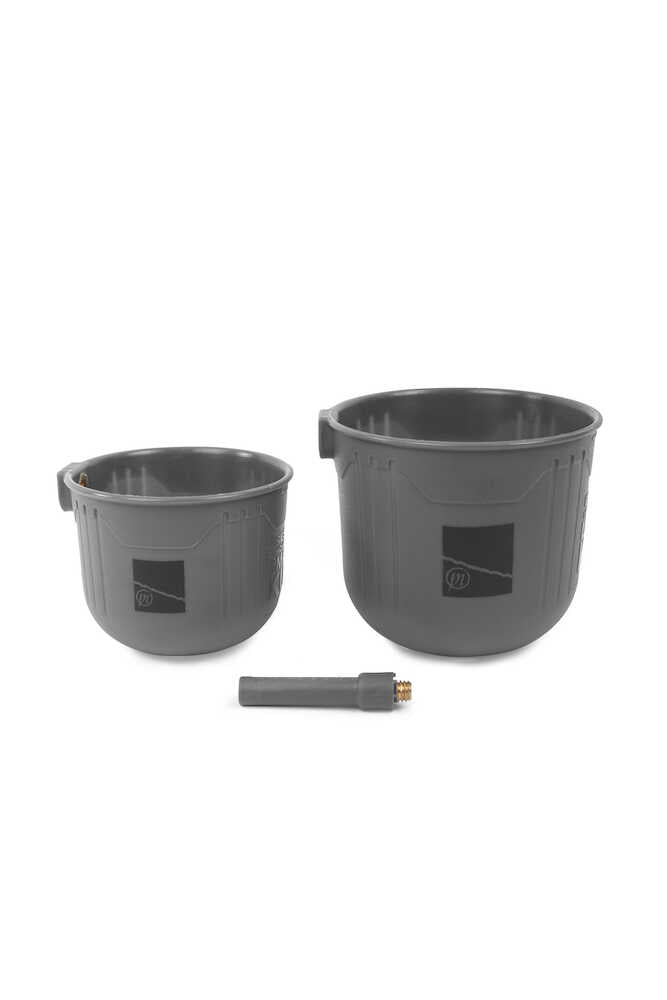
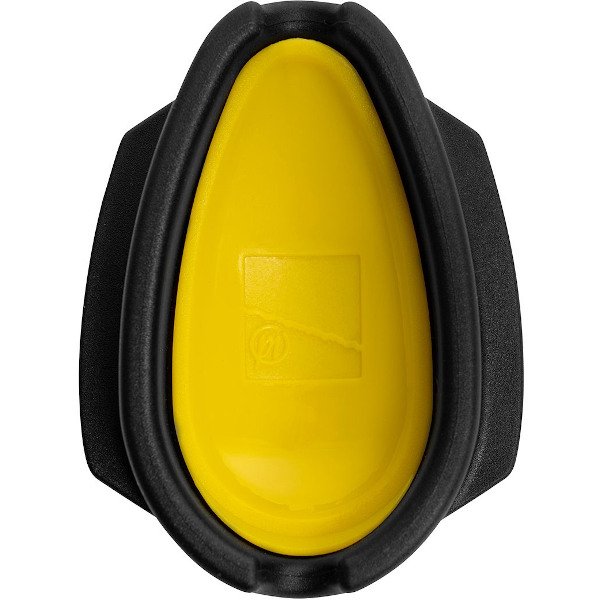
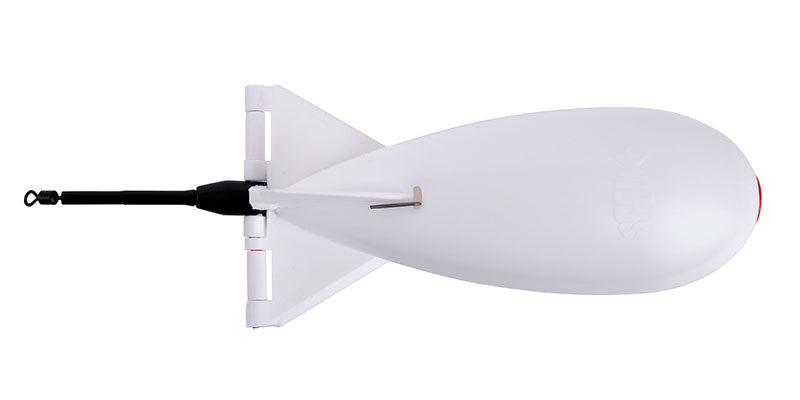
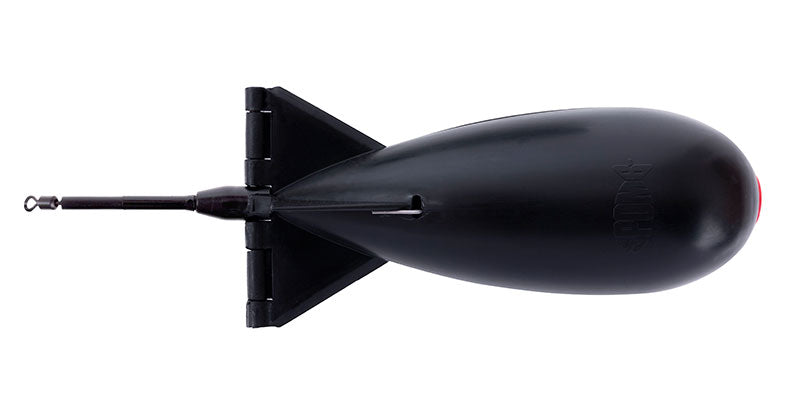
For loose feed, choose a scoop, catapult, cup or other permitted delivery method by range, bait size and wind. Keep the total casting or throwing area clear of people. Check venue rules on spods, boats, catapults, quantities and feeding times before setting up.
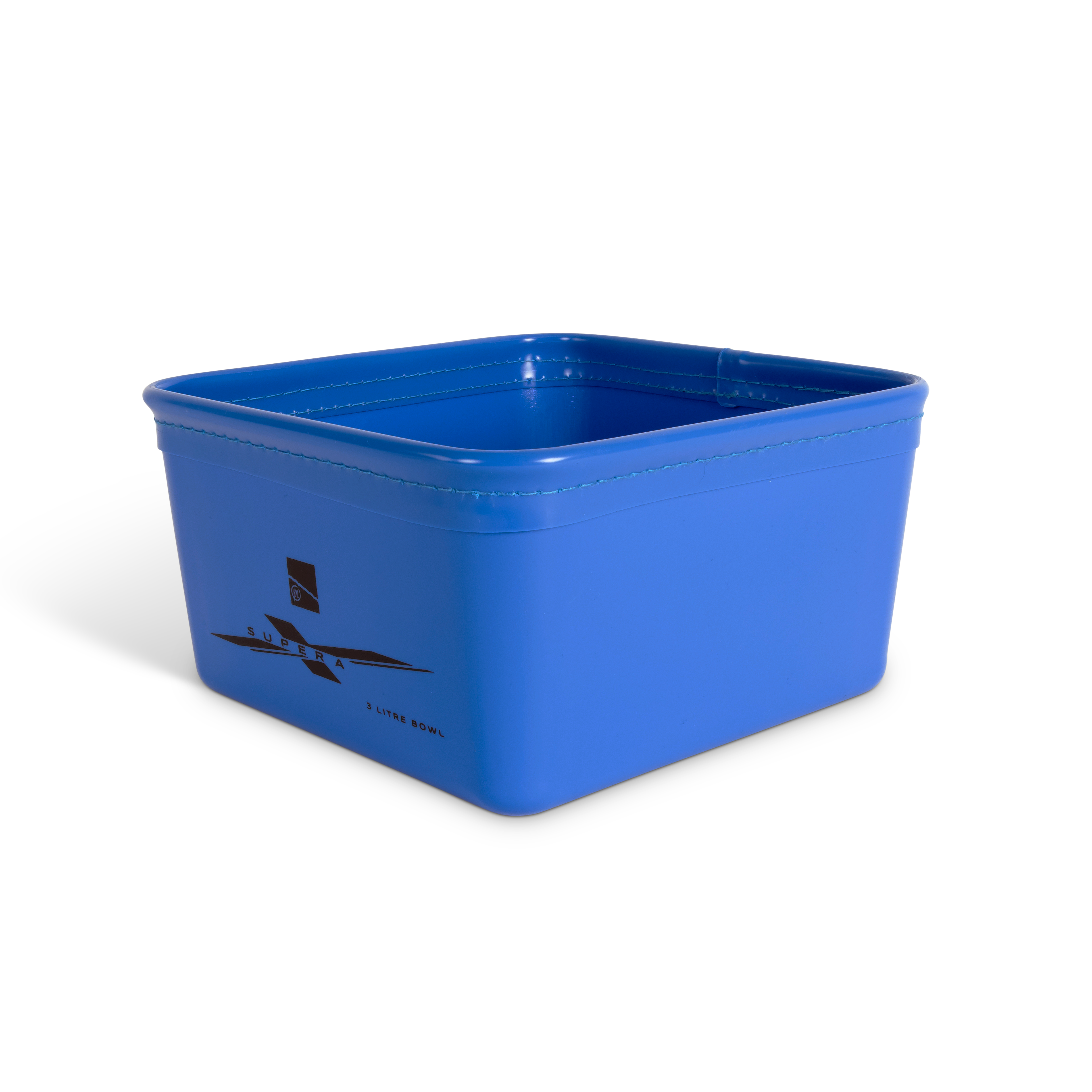
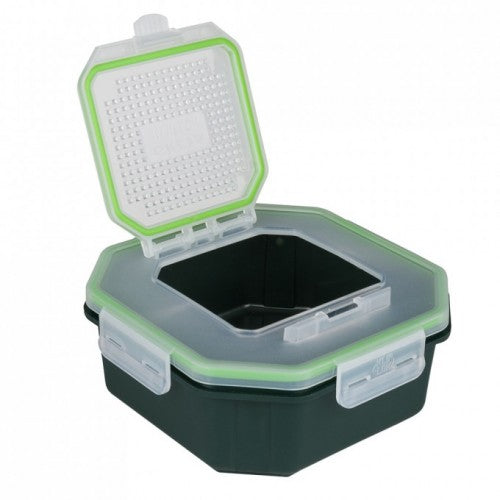
The best carp baits guide helps match the tool to the feed. Measure liquids and powders rather than estimating, and keep separate utensils for products with strong flavours or oils to avoid unwanted cross-contamination.
Clean, inspect and transport safely
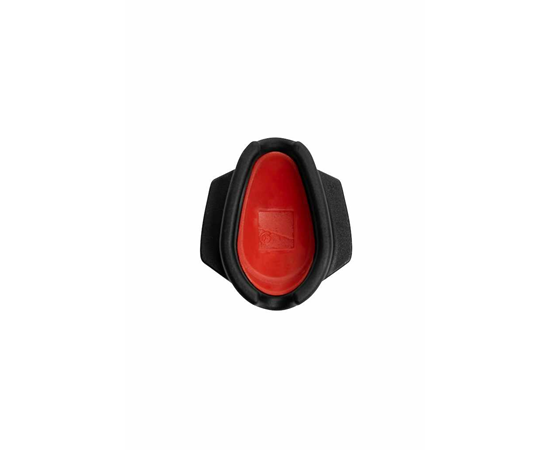
Rinse and dry non-disposable equipment after use, especially after contact with fish bait, saltwater or strong additives. Follow local biosecurity guidance before moving between waters. Replace bent needles, cracked handles, stretched elastic and damaged pouches or seals.
Cover points and blades, keep small parts away from children and store tools so they cannot puncture bags or hands. Take bait waste and packaging home, and never leave broken plastic, elastic or metal components at the fishery. Count every item afterwards.