Maggot feeders for steady live-bait release
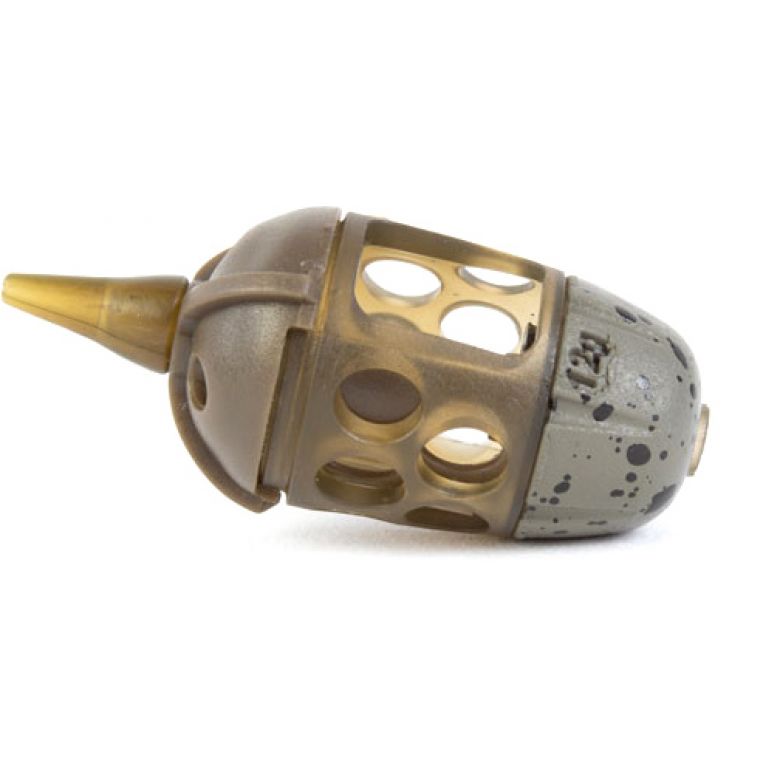
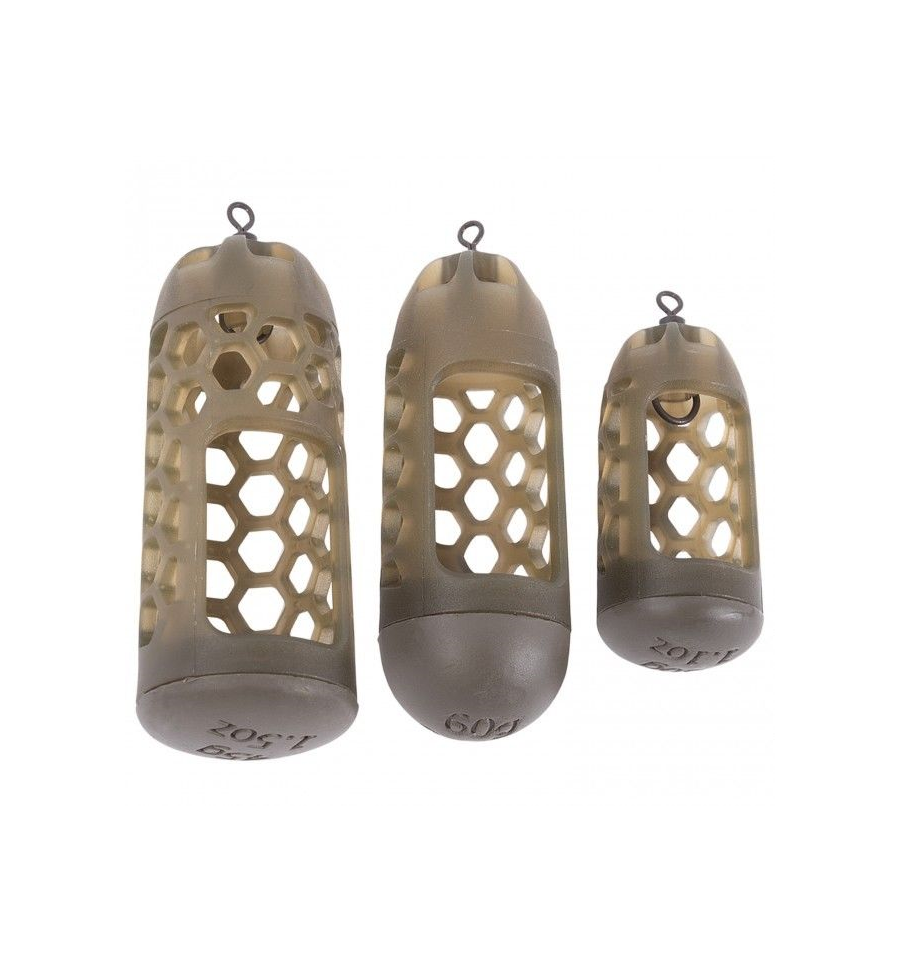
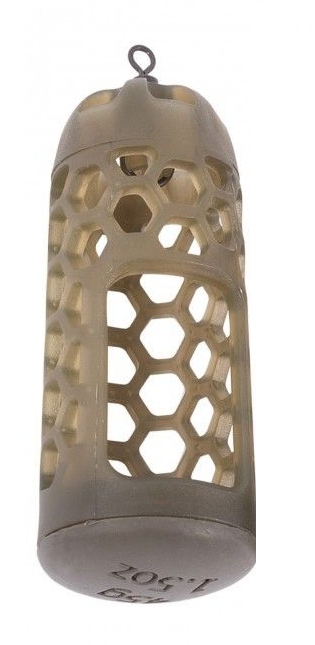
Maggot feeders carry live maggots to the swim and release them through holes in a closed or partly closed body. Hole size and pattern, feeder volume and water conditions determine release speed. The feeder should contain bait during the cast while allowing healthy maggots to exit once it settles.
Smaller holes slow release and can suit deeper water or a measured feeding approach, while larger openings allow quicker escape. Cold, inactive or damp maggots may leave more slowly. Test the loaded feeder in the margin rather than assuming the same design behaves identically in every season.
Browse all fishing feeders, compare long-range distance feeders, use method feeders for compact groundbait or pellet presentation, or select versatile cage feeders.
Choose capacity, holes and weight
Match feeder size to the amount of bait needed per cast. A small body maintains a cautious trickle, while a larger feeder can establish a swim faster. Avoid overfilling or crushing maggots against the lid. Check that the closure remains secure and cannot open in flight.
Use enough weight to cast accurately and hold position, counting the full bait load. Pair the rig with suitable feeder rods and feeder reels. Main line and hooklength must suit the feeder weight, range and expected fish.
The fishing with maggots guide covers bait care and presentation in more detail. Keep maggots cool, ventilated and clean according to supplier instructions, and use only quantities permitted by the venue.
Load, cast and clean maggot feeders
Load the feeder shortly before casting, close it fully and confirm the holes are clear. Cast smoothly and retrieve at a controlled pace. If the feeder returns full, review hole size, bait condition, depth and soak time.
Rinse and dry the body after use, inspect hinges, lids, weights and swivels and remove trapped bait. Follow fishery biosecurity and bait-disposal rules, take unused maggots and packaging home and replace cracked or sharp components. Keep a small record of feeder size, maggot condition and release time. This makes it easier to repeat a successful feeding pattern without overfeeding later.