Fishing catapults for controlled loose feeding
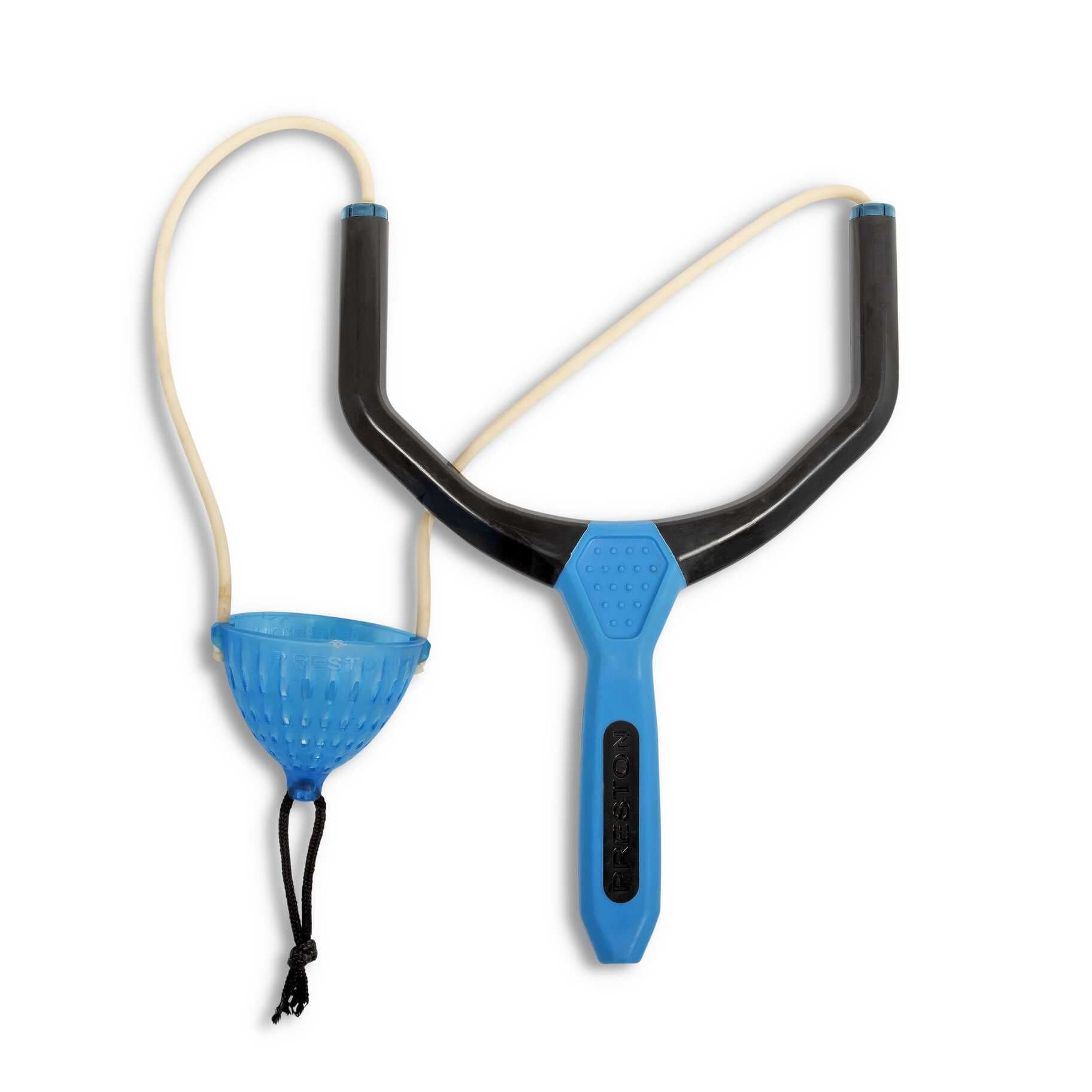
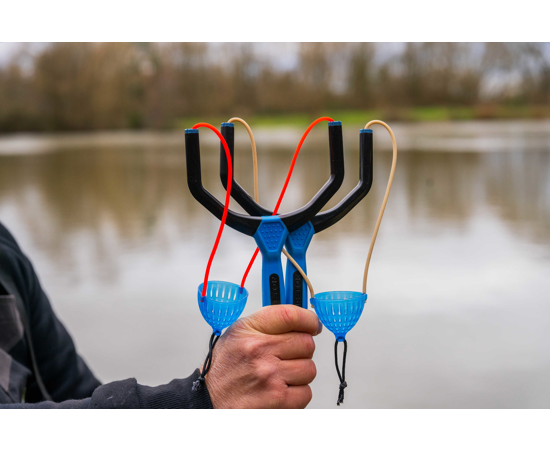
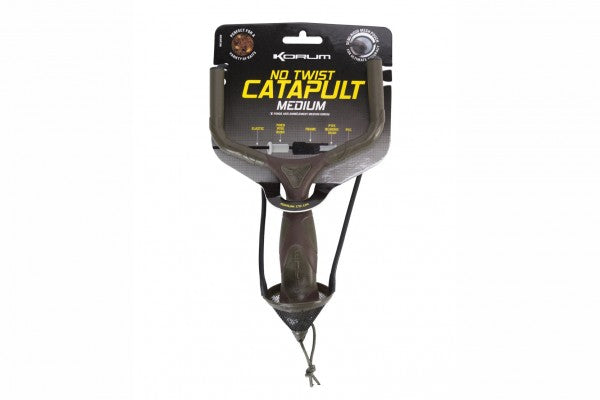
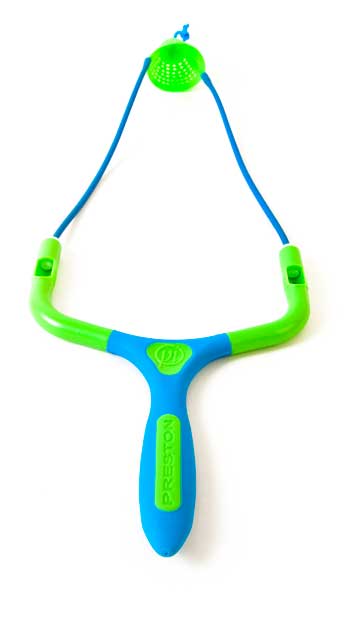
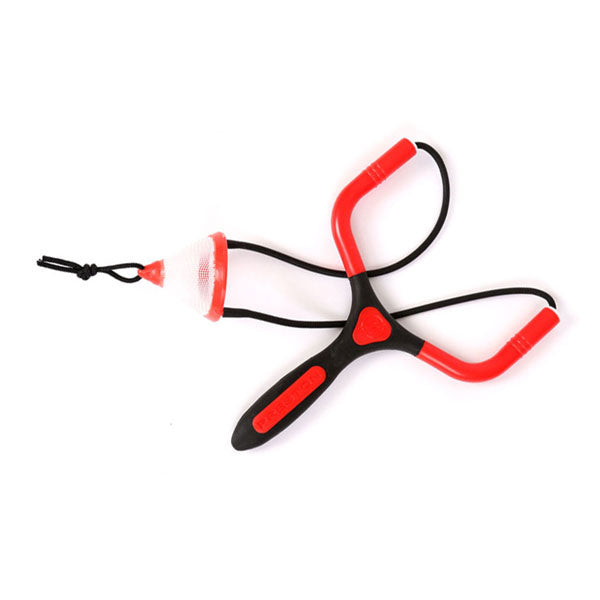
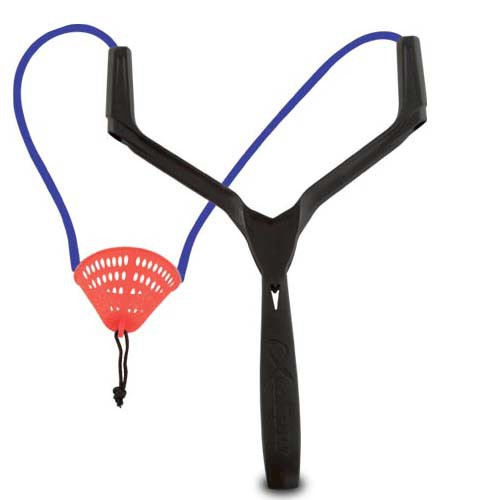
A fishing catapult delivers measured loose feed to a chosen area when hand feeding is impractical. Frame size, elastic strength and pouch design determine how comfortably the bait can be loaded and released. The best setup provides repeatable accuracy at the required distance without unnecessary force.
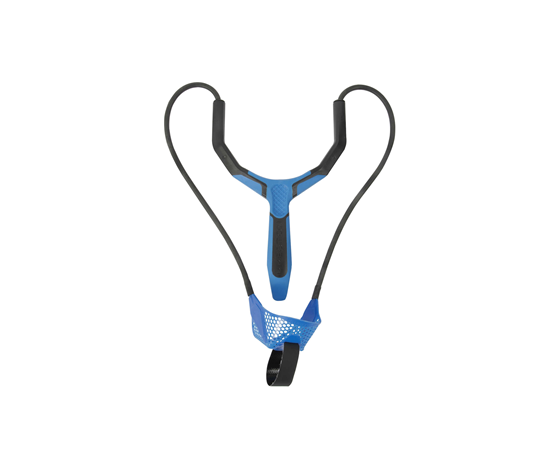
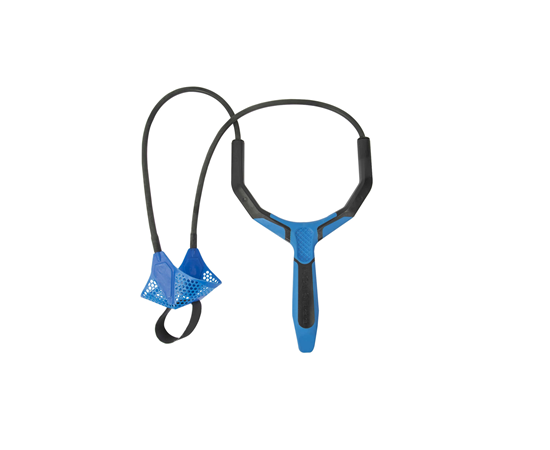
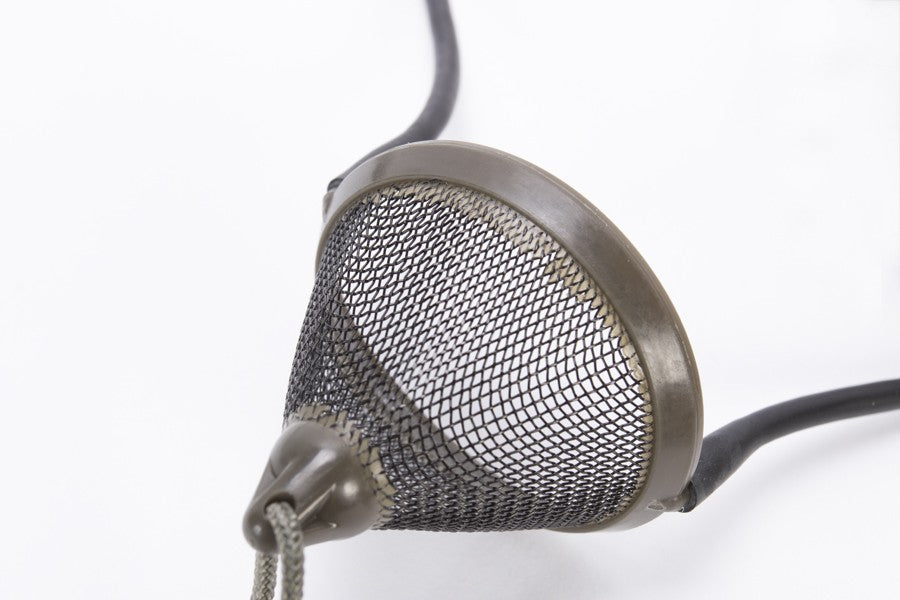
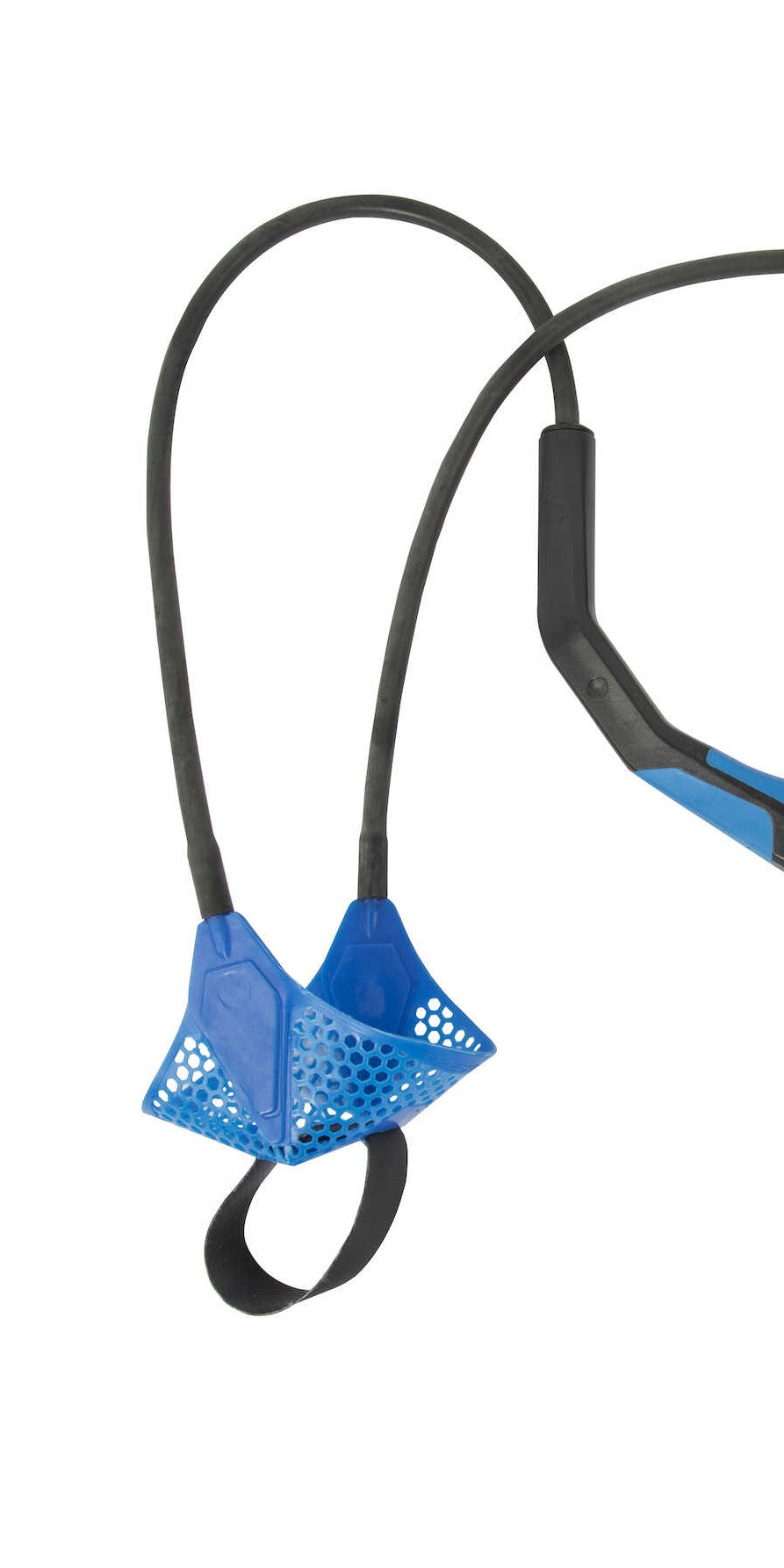
Small pouches suit maggots, casters and limited quantities, while broader or deeper pouches carry pellets and particles. Mesh can release water from wet bait; solid material contains finer feed. Elastic strength should match range and payload rather than simply being the heaviest available.
Browse all fishing tools, keep small items accessible with line snips, compare fishing accessory carabiners, or attach lightweight tools using zingers.
Match pouch, elastic and feed size
Use a pouch that contains the bait securely without trapping it at release. Load a consistent quantity and practise at short range with the swim clear. Increase tension gradually while maintaining a stable stance and the same draw length.
Never fire stones, metal, hooks or other hard objects. Keep the frame pointed away from people, animals, windows, vehicles and boats, and check behind and across the intended line. Do not place fingers in front of loaded elastics or use a damaged frame.
Follow venue limits on bait type, quantity and feeding method. Wind can move light bait away from the target, so adjust range conservatively rather than drawing harder. Stop if anglers, walkers or wildlife enter the area.
Inspect elastics before every session
Stretch bands gently and look for cracks, flat areas, fading, cuts and weakness at the frame or pouch connectors. Replace both sides as a matched set where recommended. Do not tie improvised knots or mix elastic types without following the maker's fitting method.
Rinse bait residue from the pouch, dry the frame and store elastics away from sunlight, heat, oil and sharp tackle. Wear eye protection during testing and never look along loaded bands. Carry suitable spares so worn elastic can be replaced rather than used for one more cast. Check replacement connectors, pouch ties and frame ends after fitting, then make the first test with a light payload in a clear area.