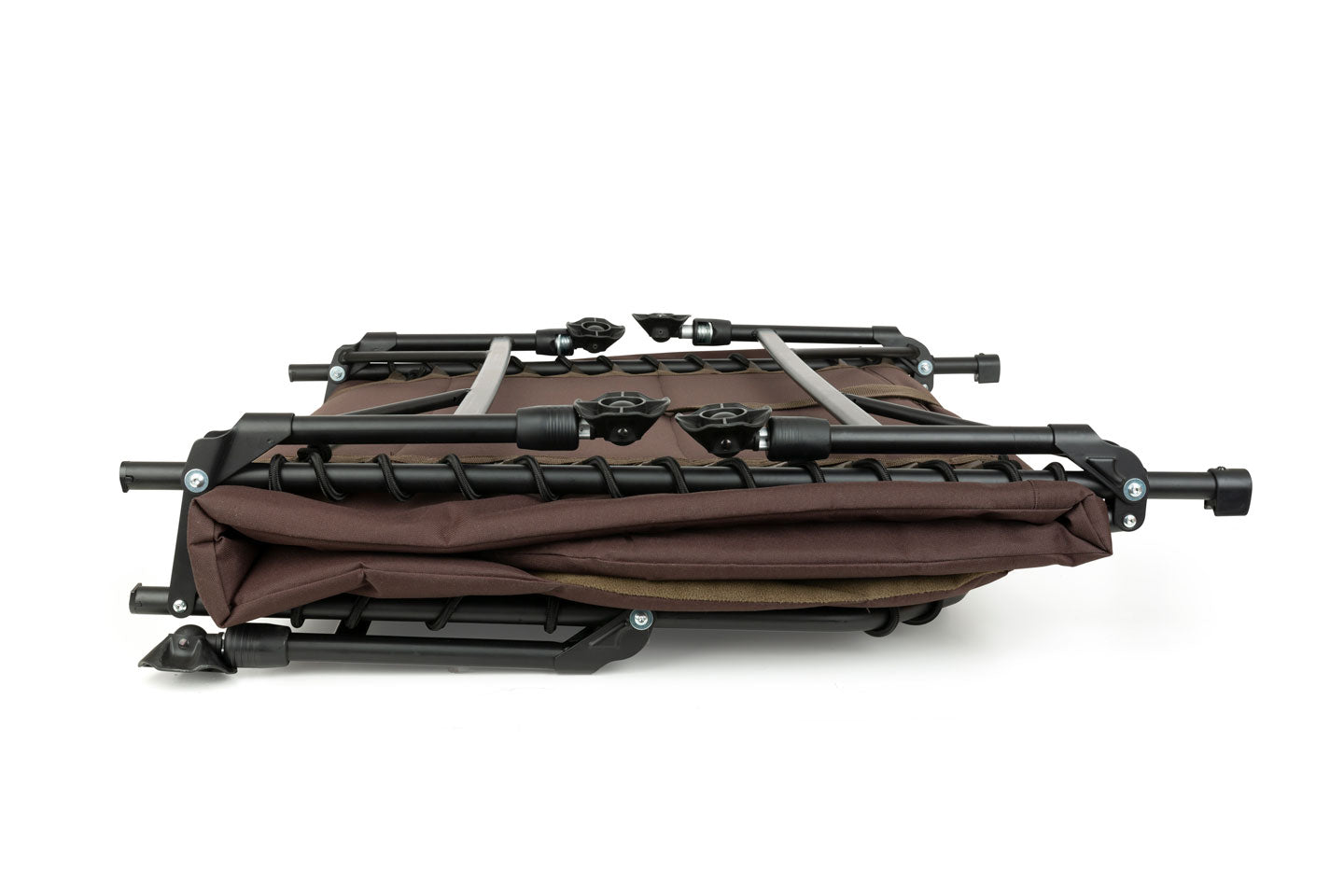
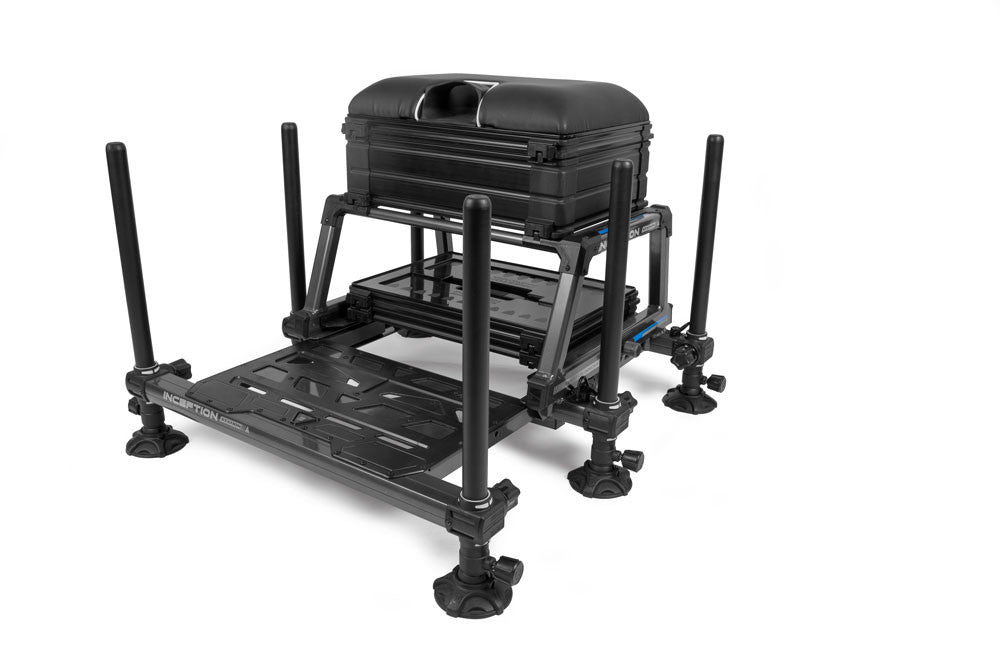
Fishing seating for different sessions
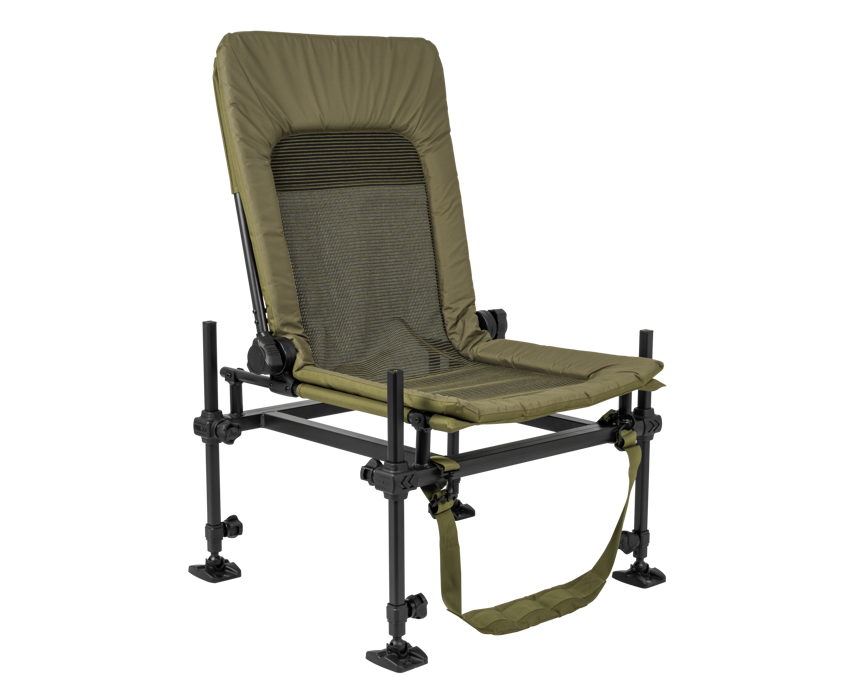
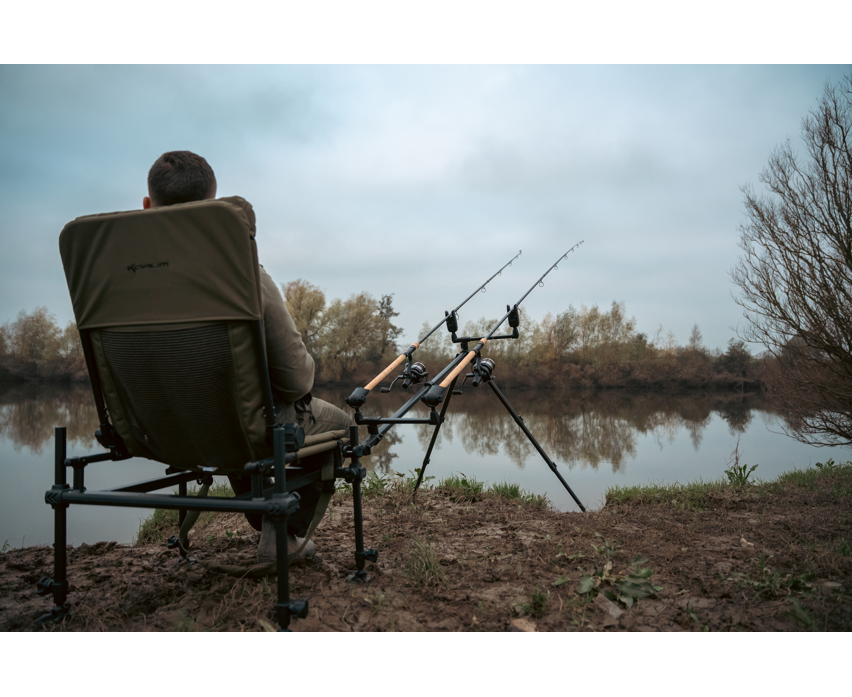
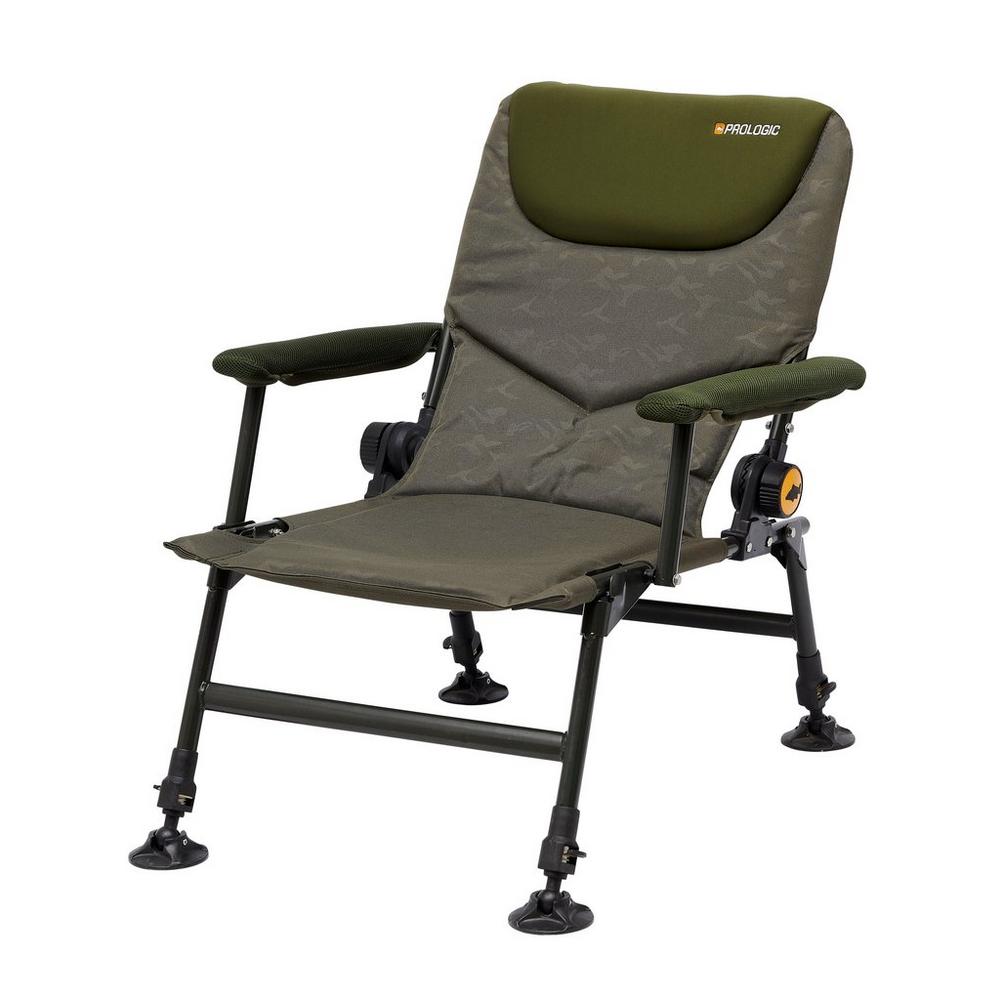
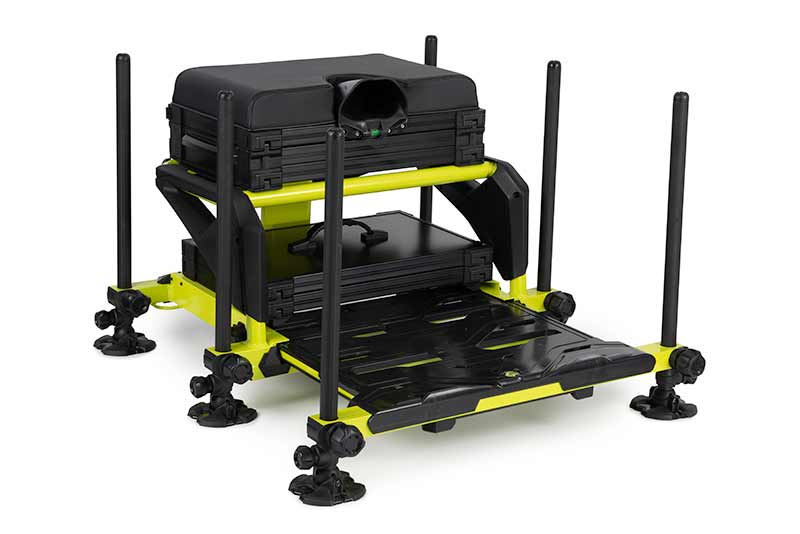
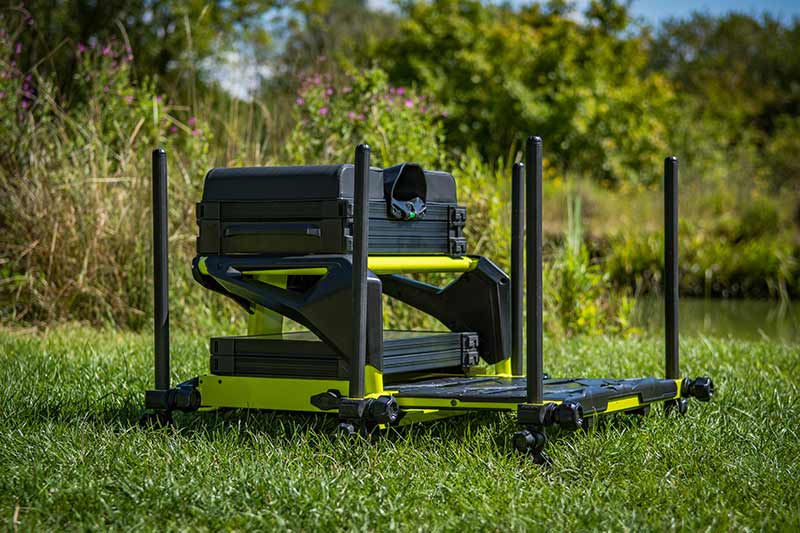
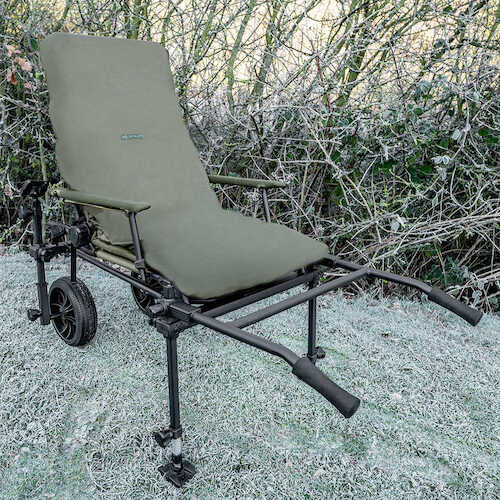
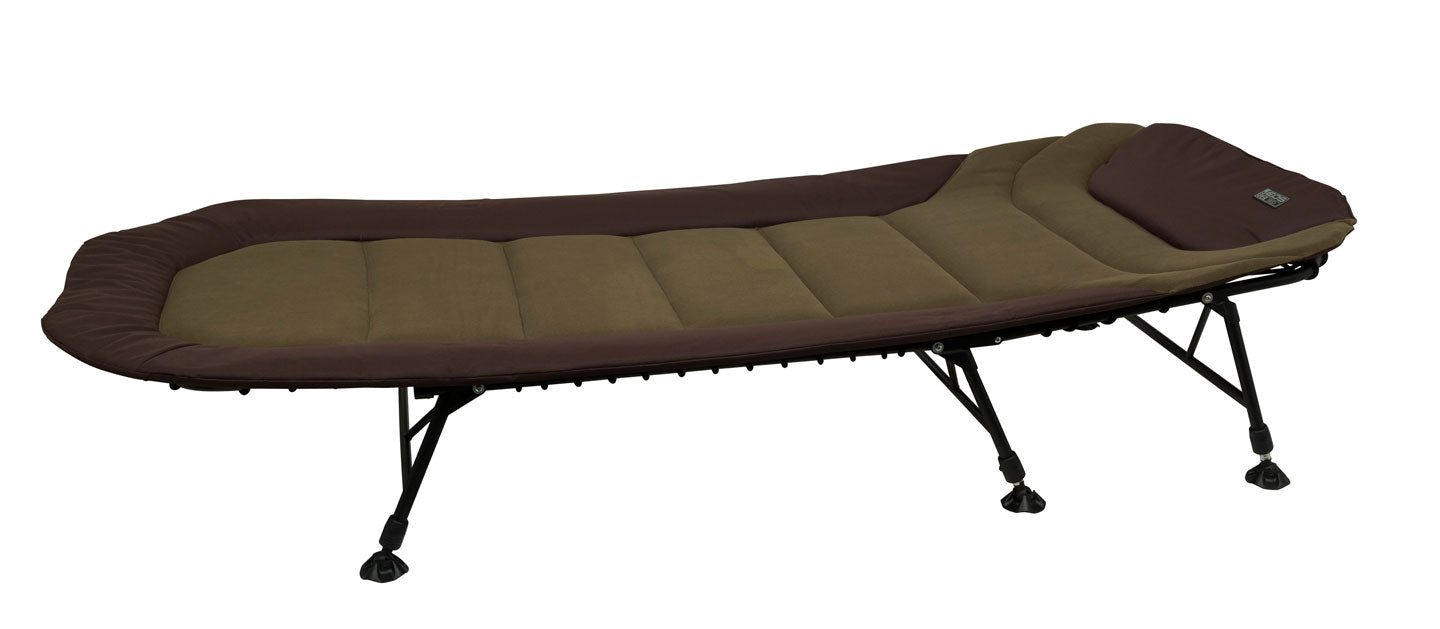
Fishing seating ranges from compact stools to adjustable chairs, modular seat boxes and sleep-capable bed chairs. Each format balances comfort, stability, storage and packed weight differently. The right choice depends on session length, body support, terrain and how far the equipment must be carried.
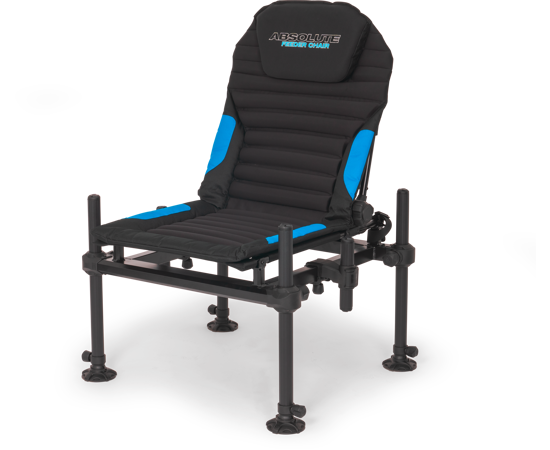
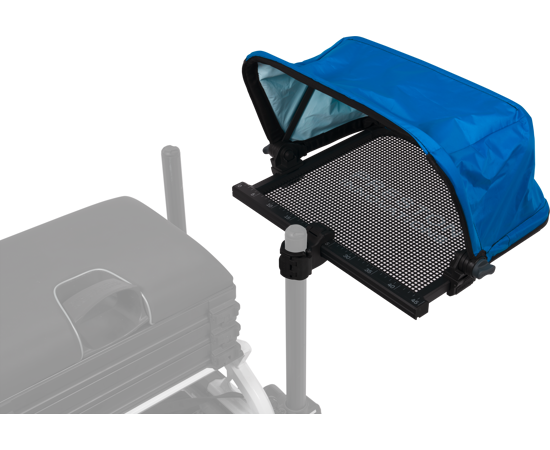
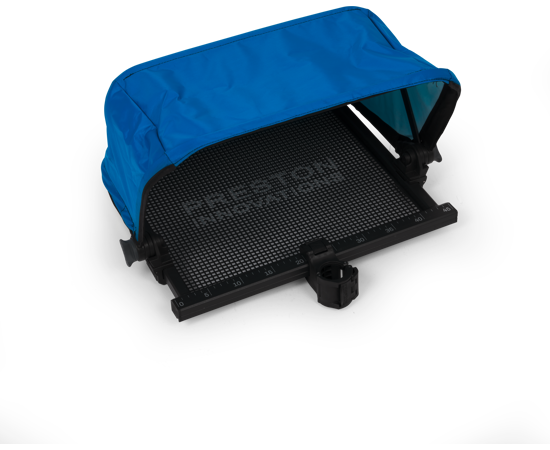
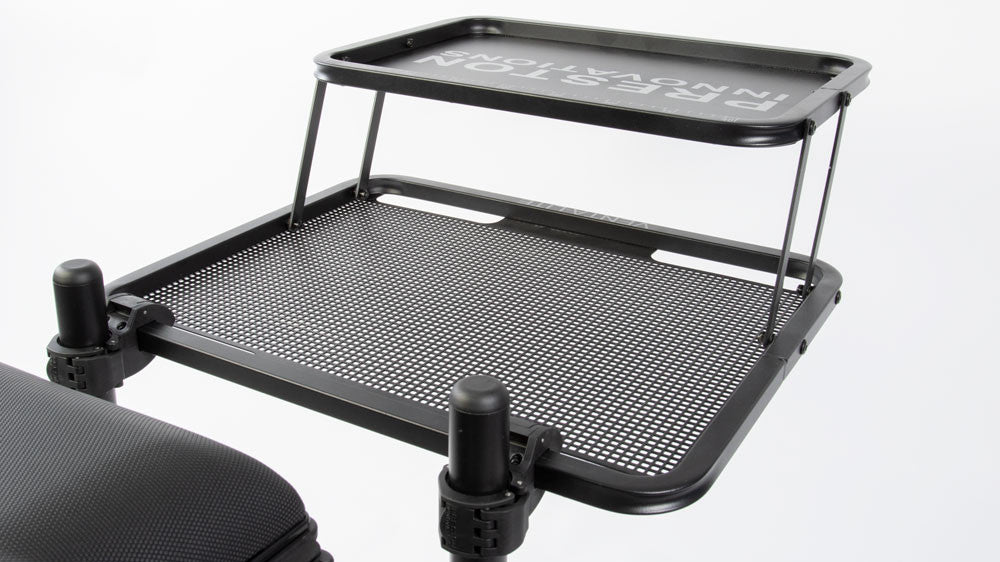
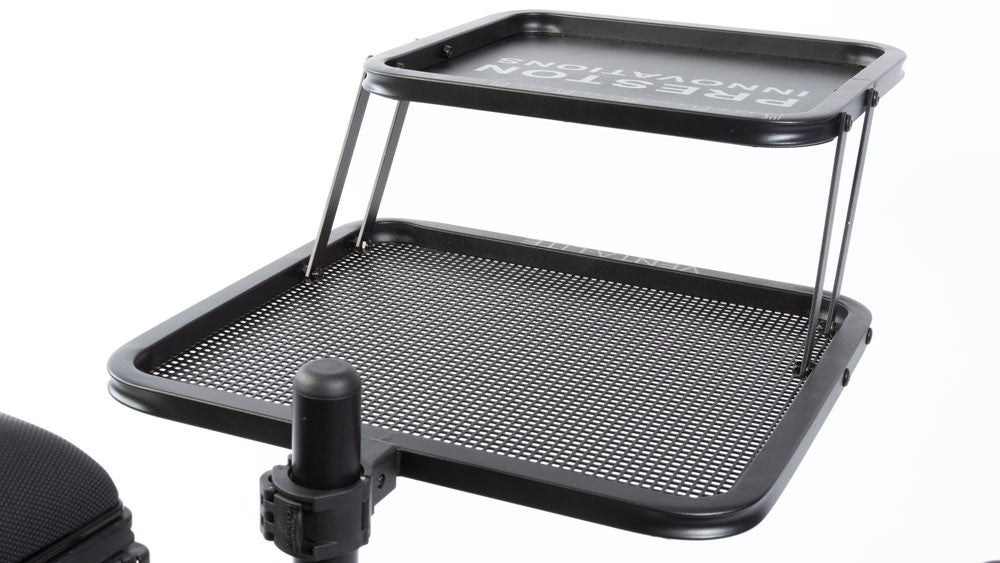
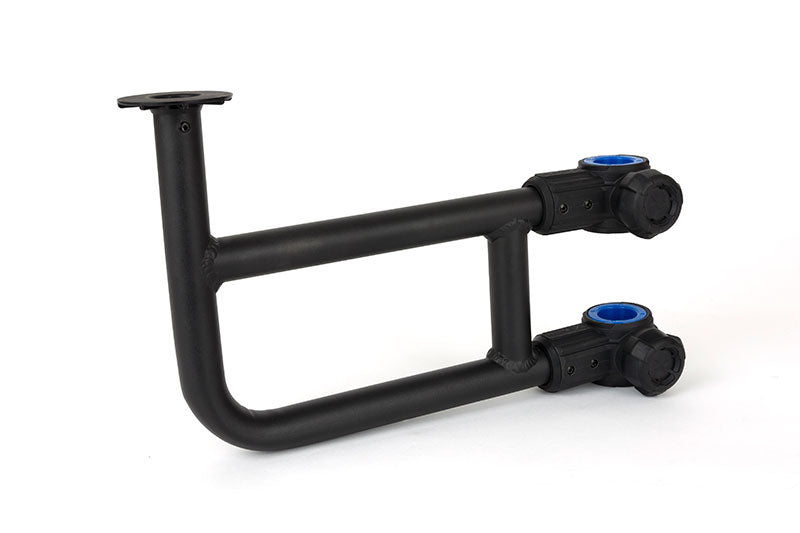
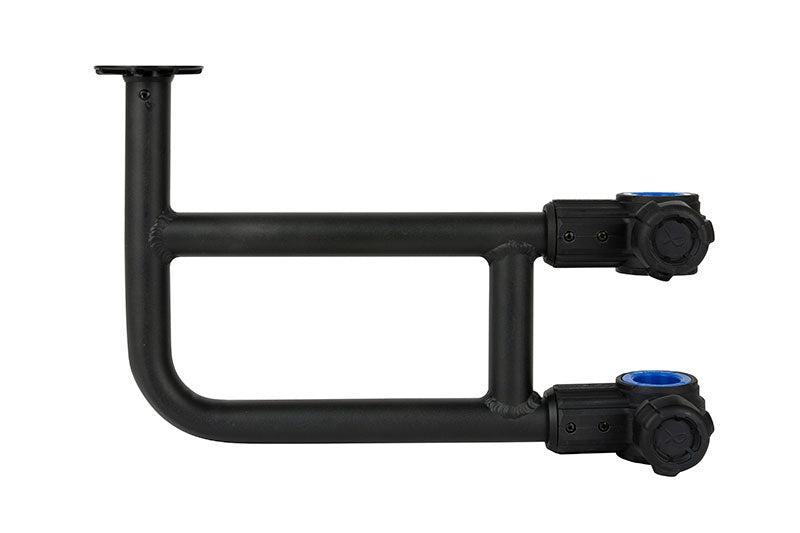
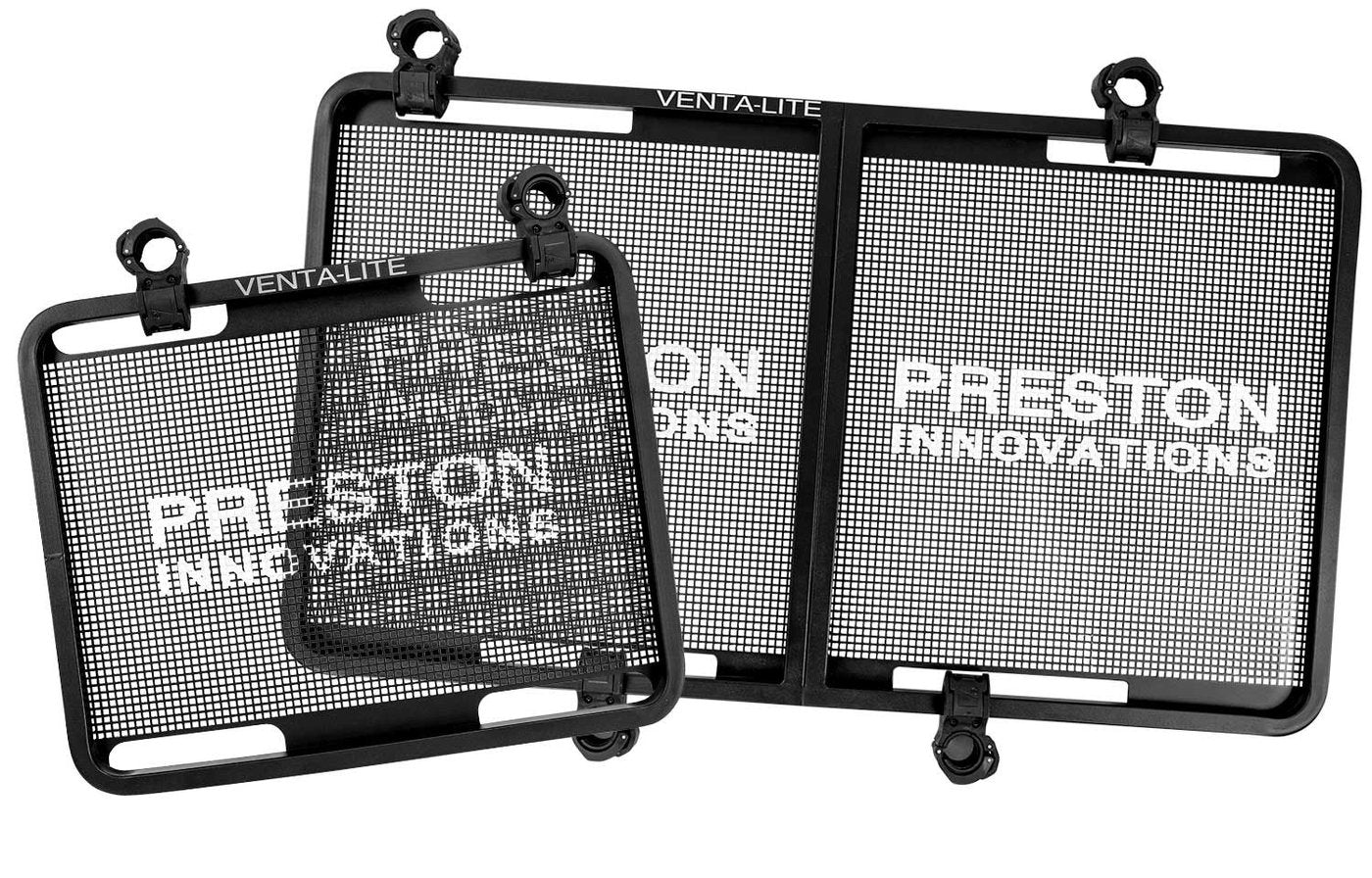
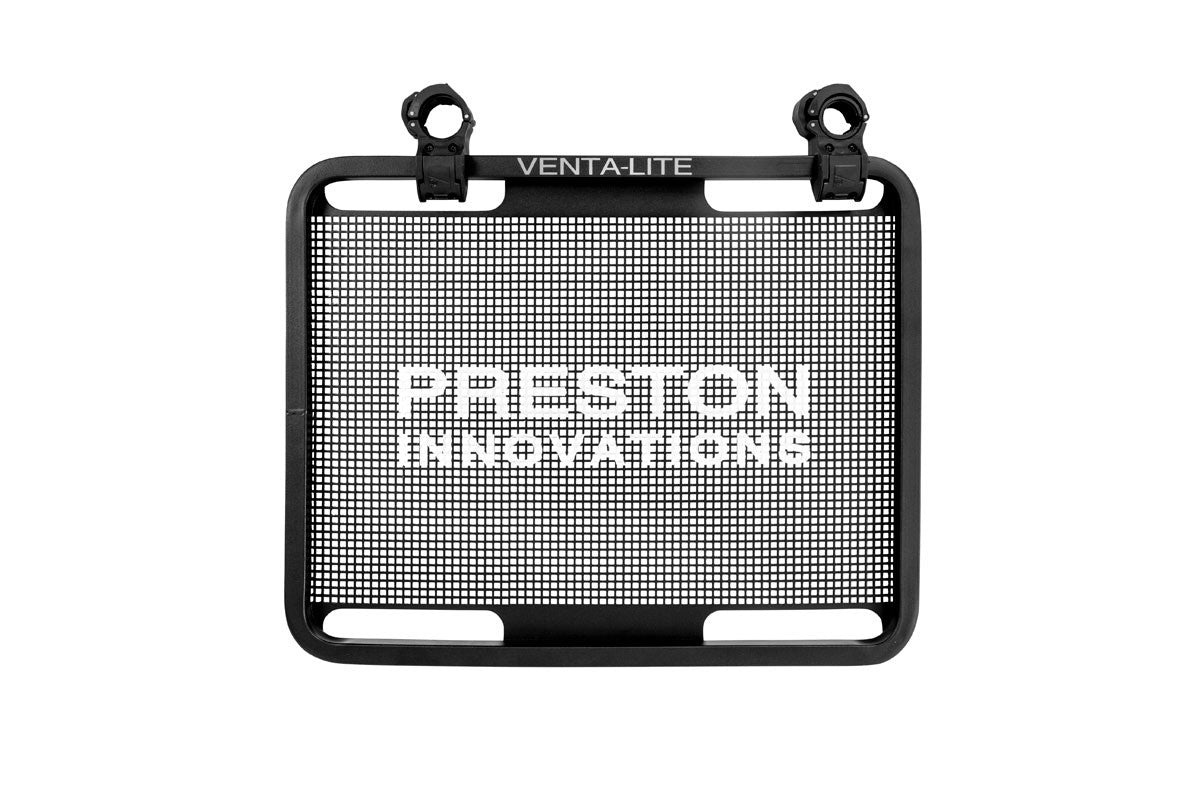
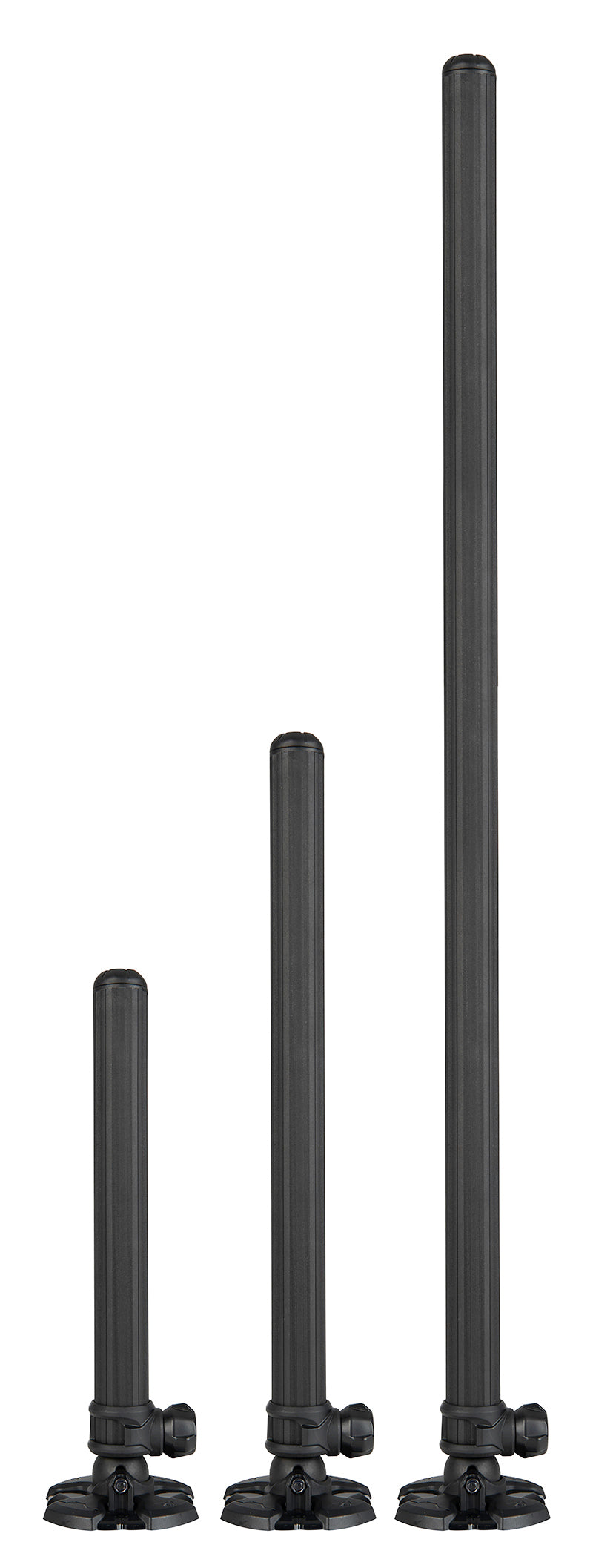
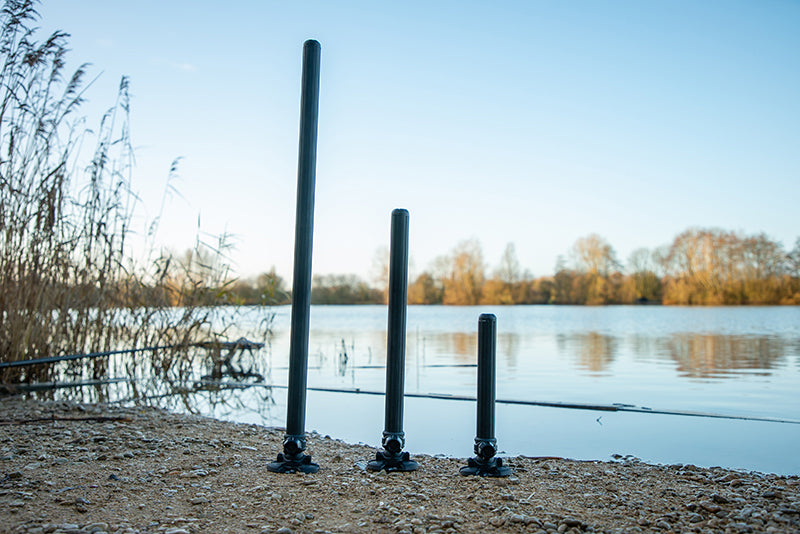
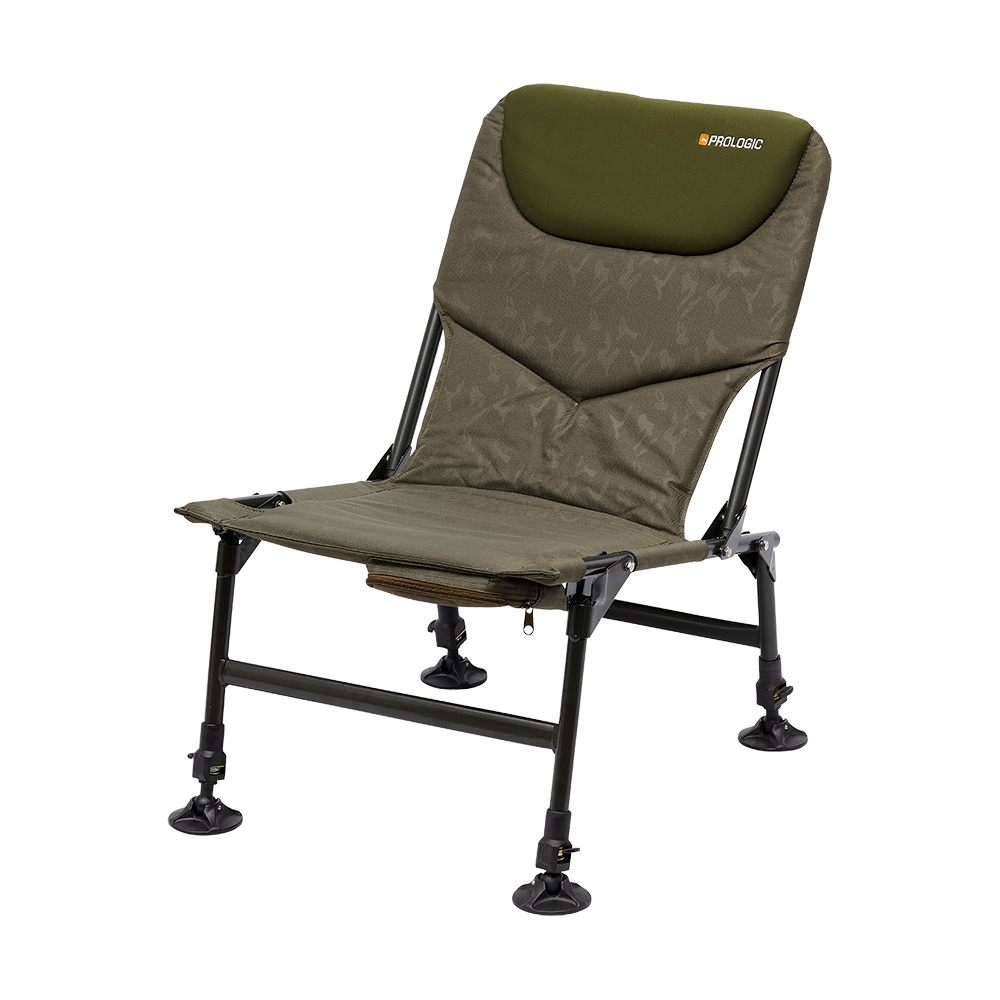
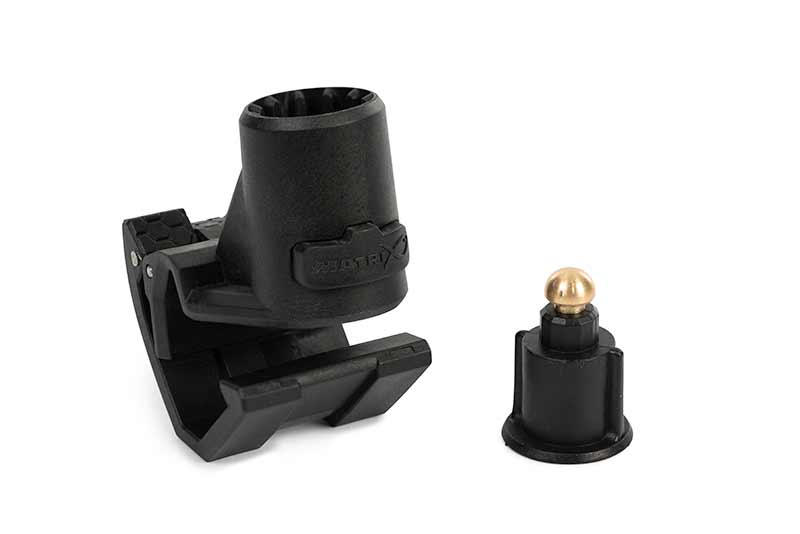
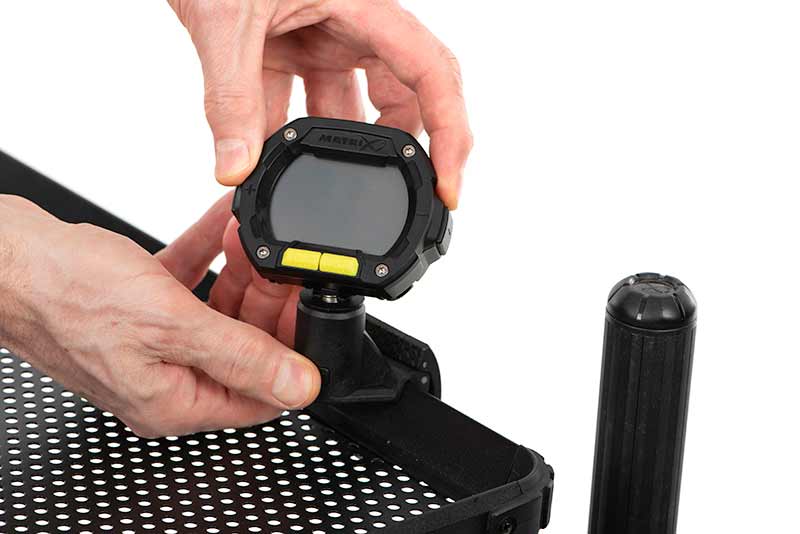
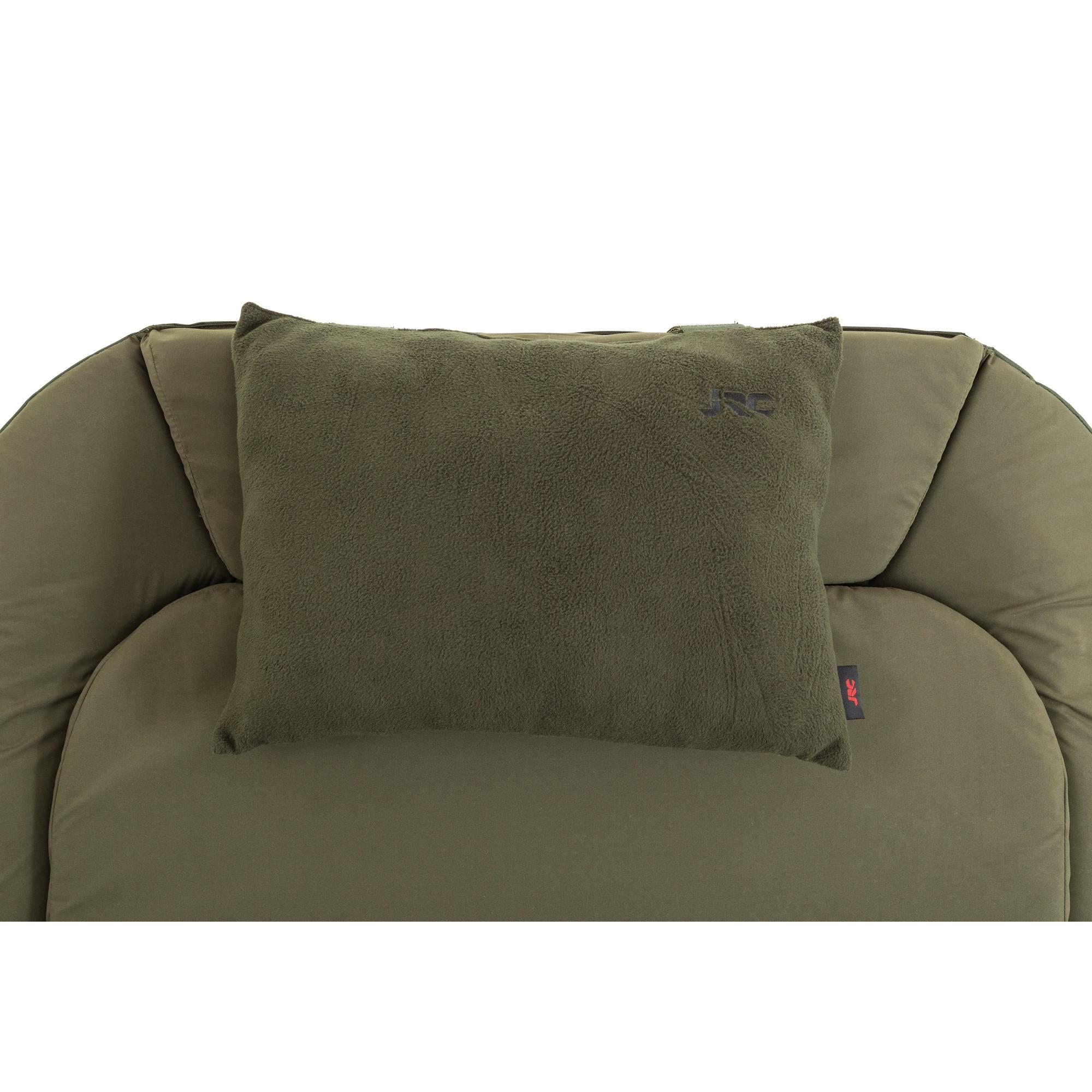
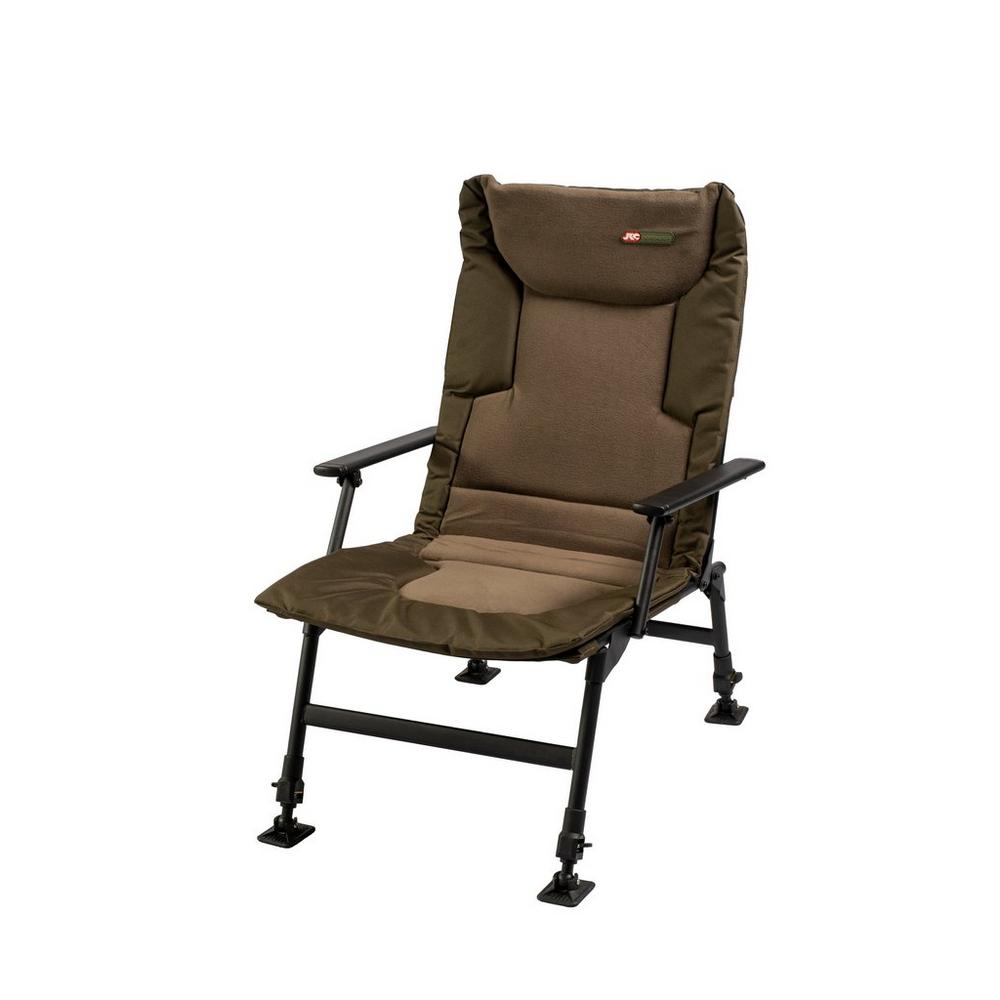
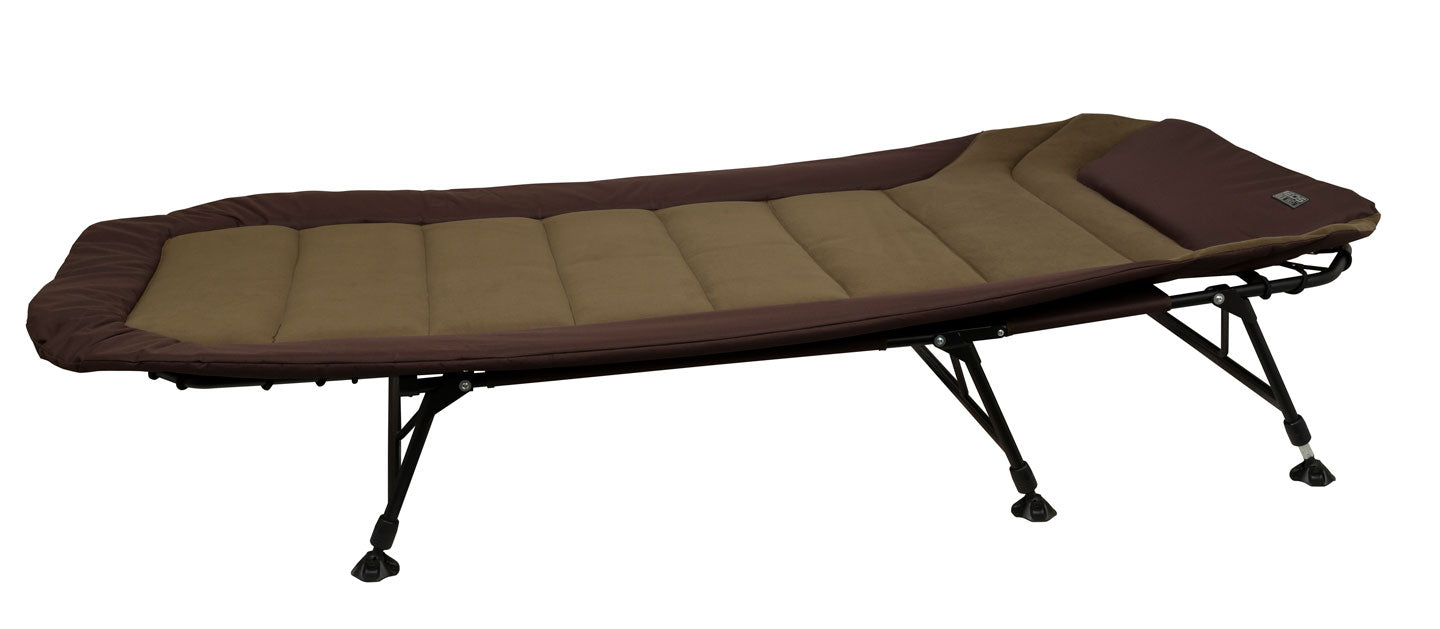
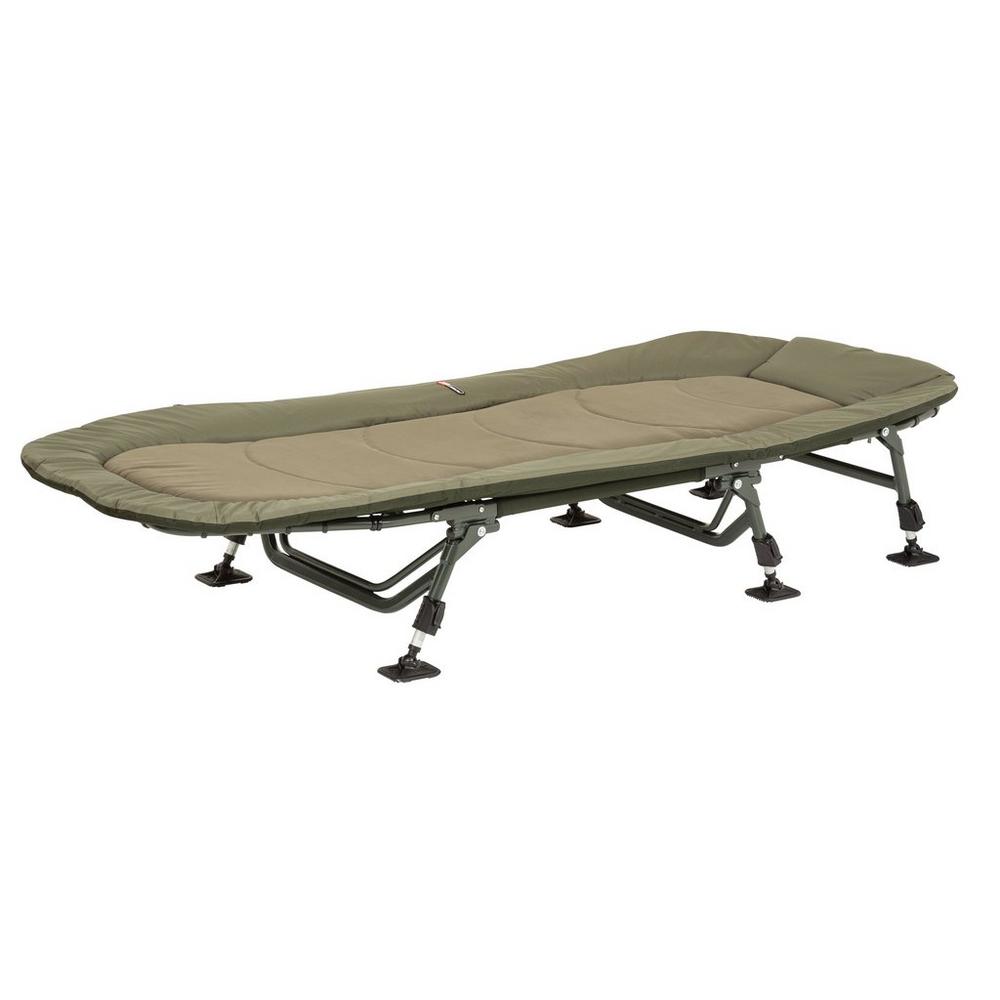
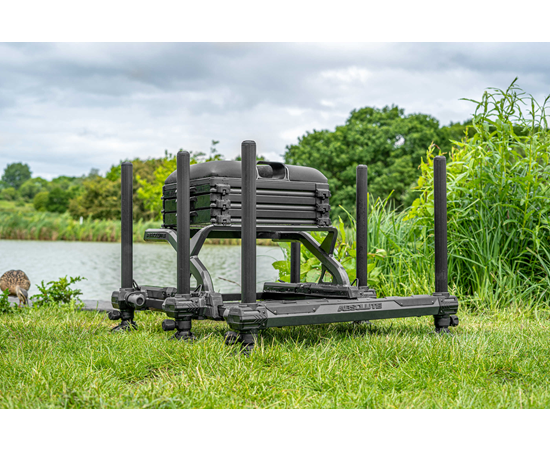
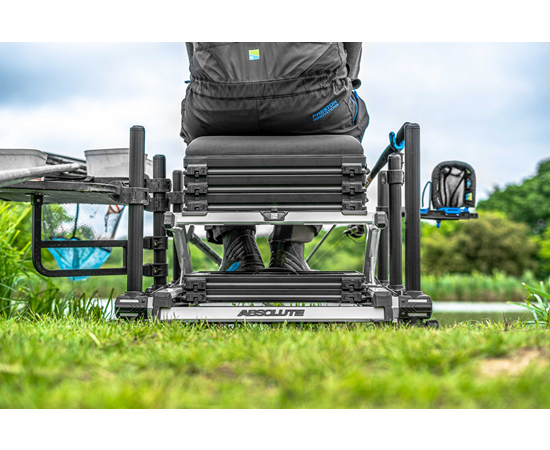
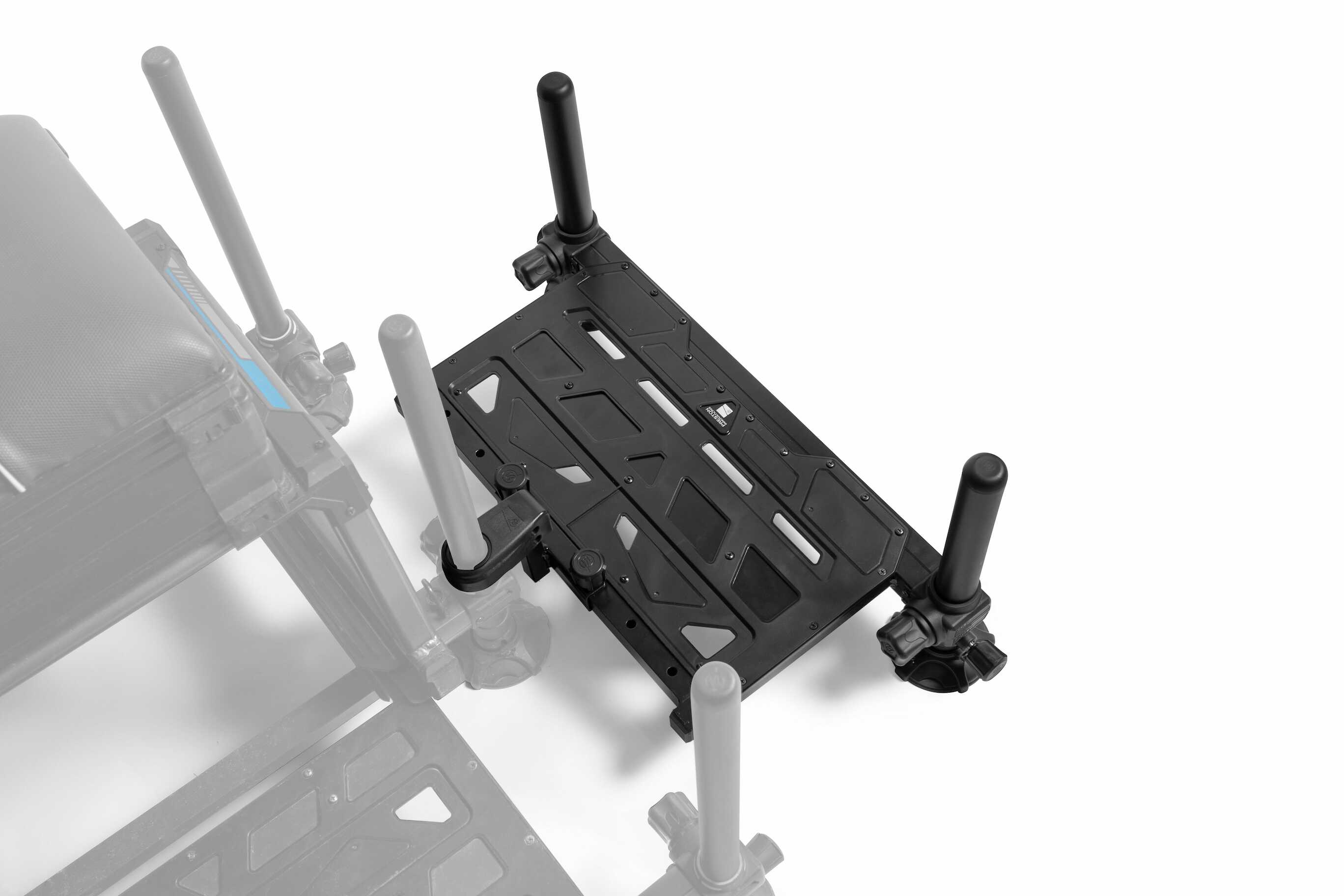
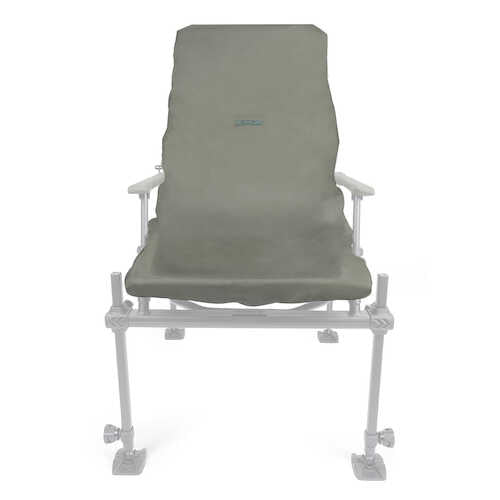
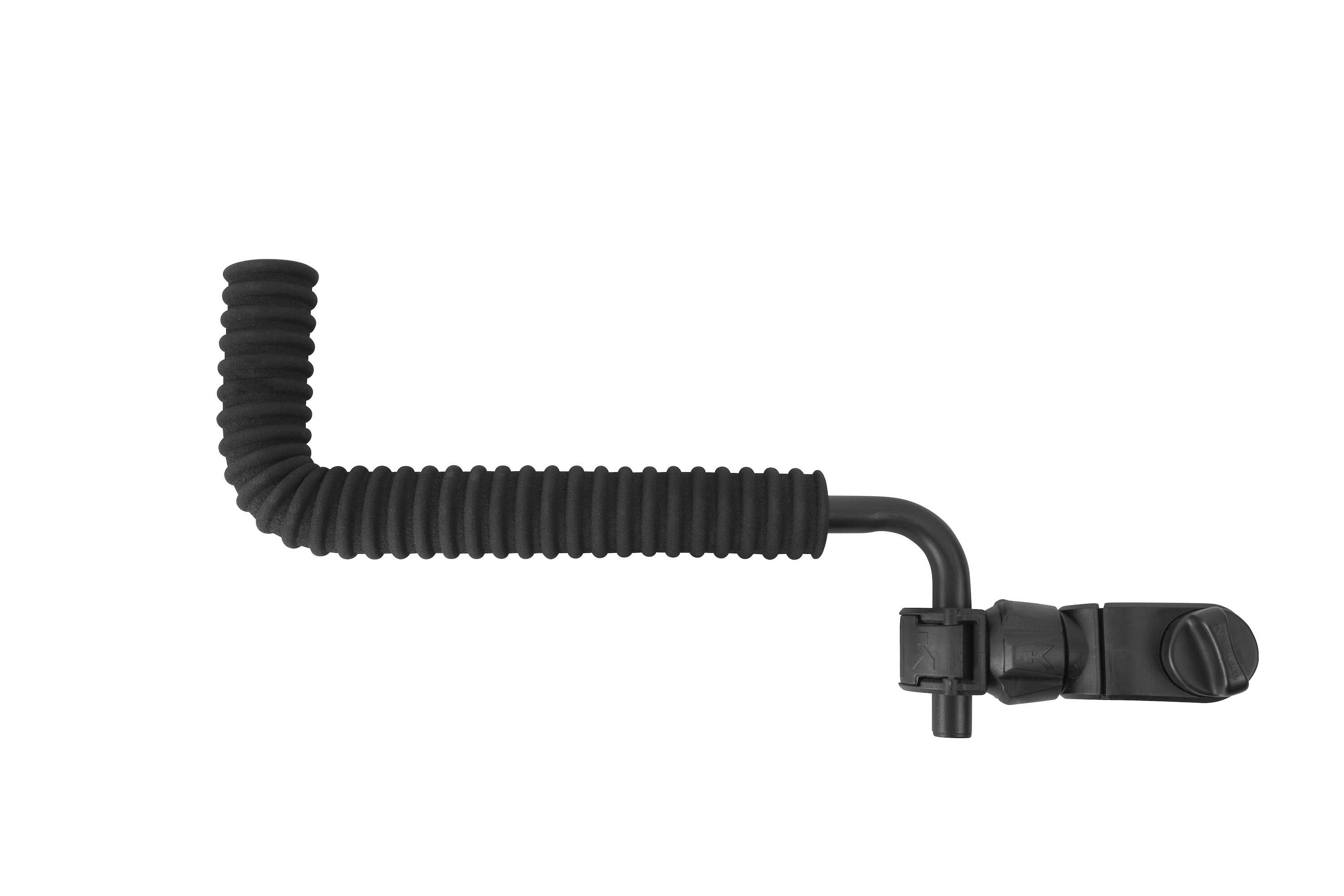
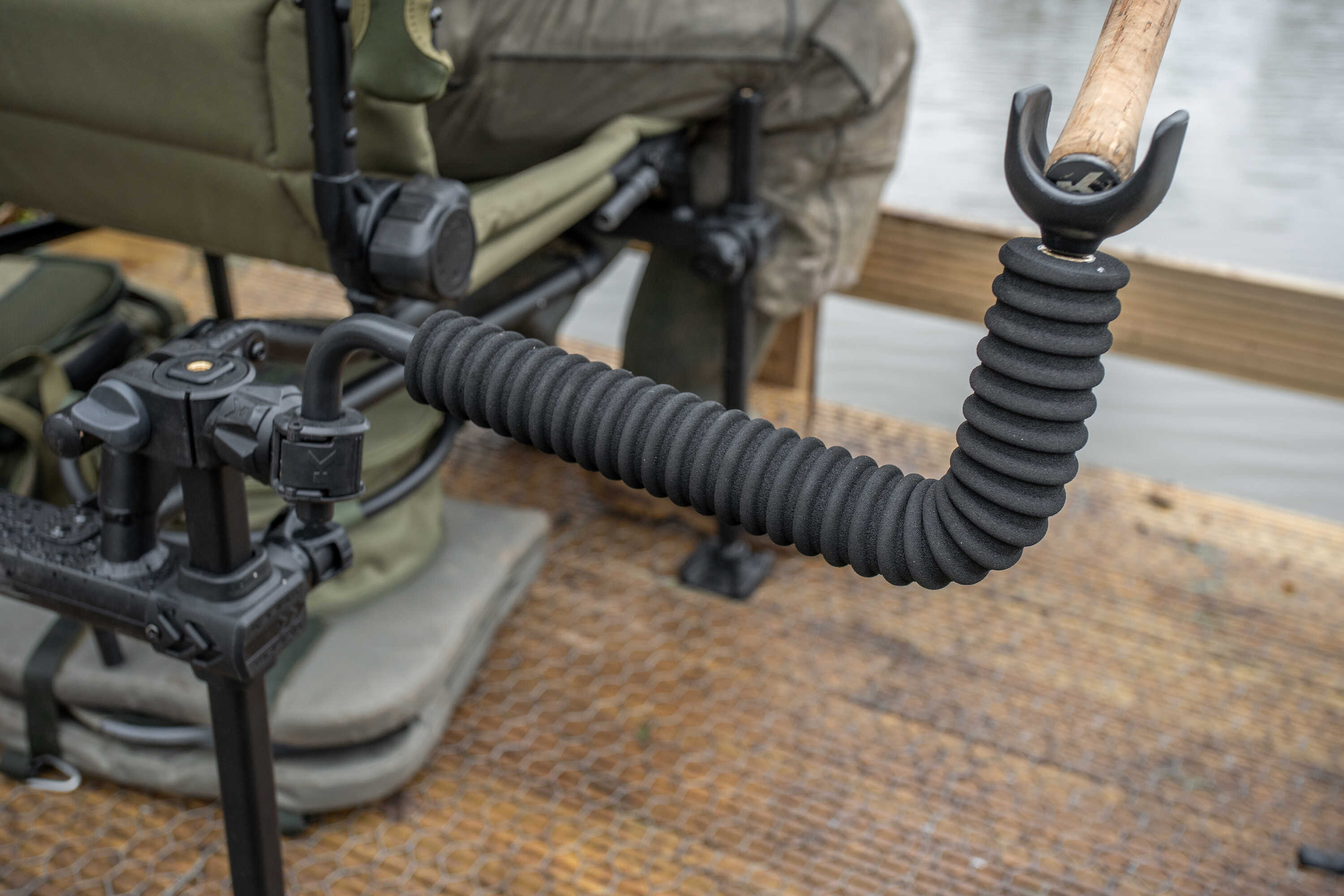
Browse simple fishing stools for compact trips, supportive fishing chairs for general bank use and modular fishing seat boxes for organised coarse or match setups. Longer sessions may call for bed chairs, while chair accessories add compatible trays, arms or supports.
Return to all bank-fishing equipment, add cover from suitable fishing umbrellas, and coordinate sleeping systems with fishing sleeping bags.
Choose support, adjustment and capacity
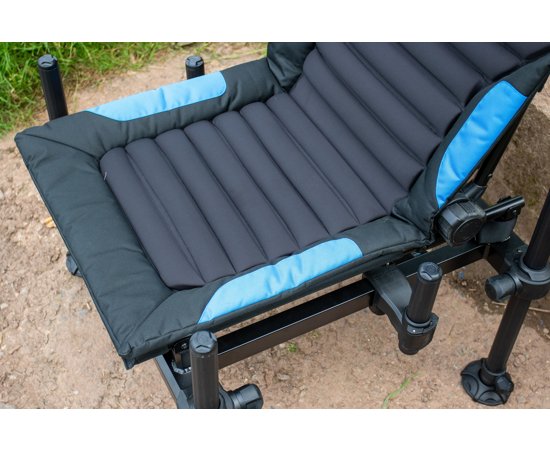
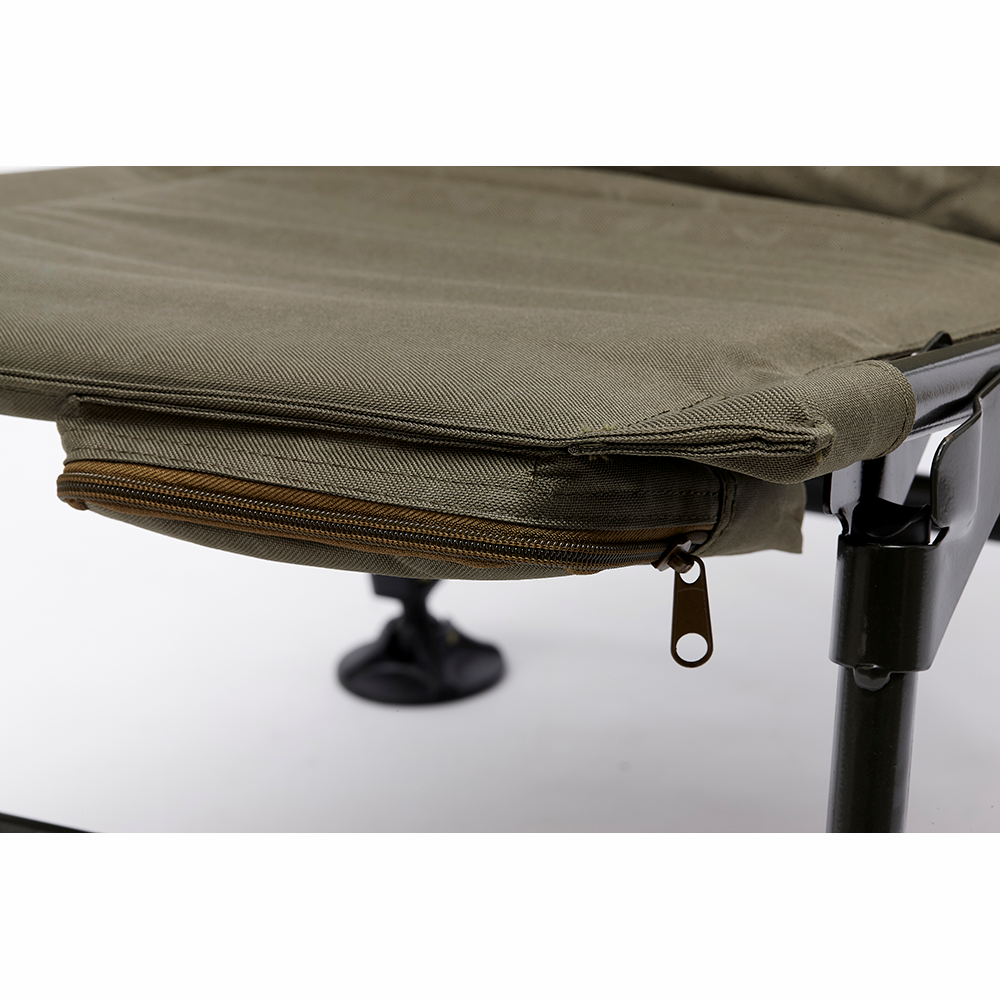
Check seat width, depth, height and stated load capacity. A higher back supports longer sitting, while armrests and lumbar padding affect entry and posture. Test the chair with planned clothing and avoid choosing solely by external size or padding thickness.
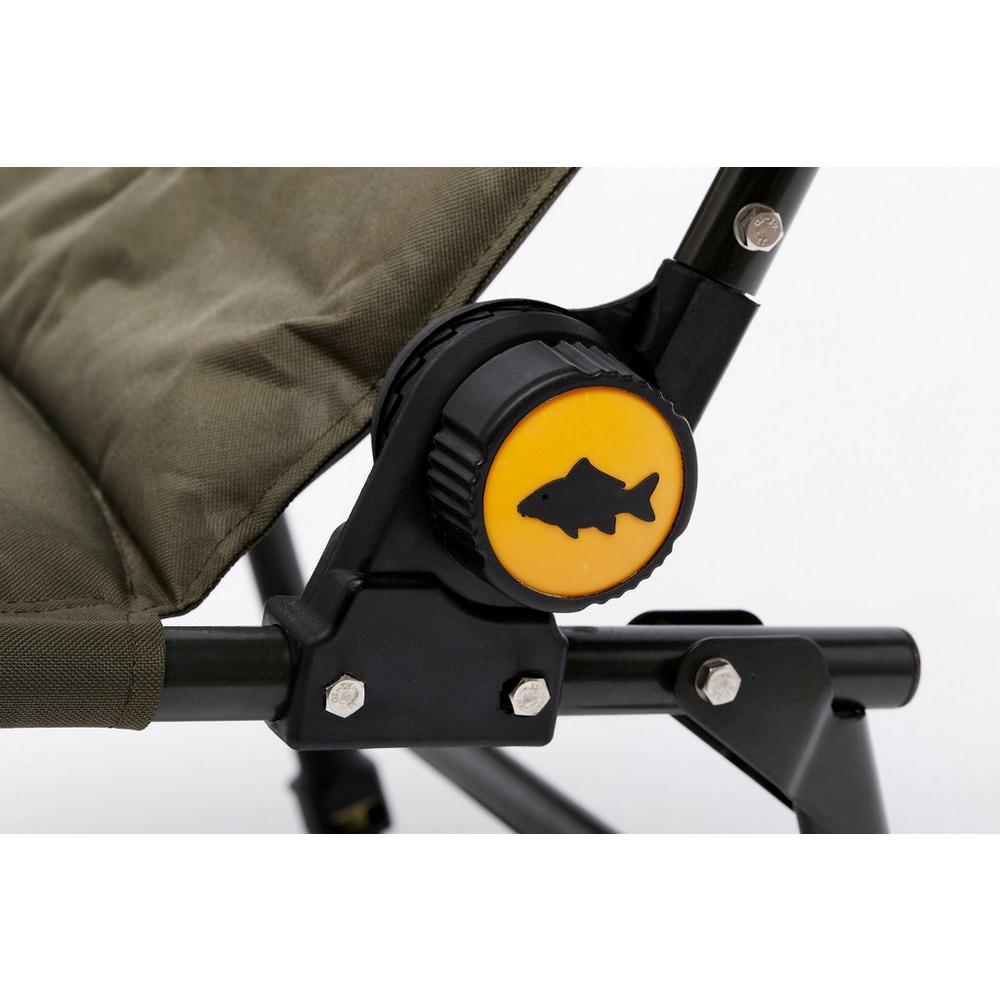
Adjustable legs help level a chair or seat box, but every foot needs firm contact with the ground. Mud feet spread load on soft banks, while narrow feet may sink. Never extend legs beyond their limit or place makeshift objects beneath them.
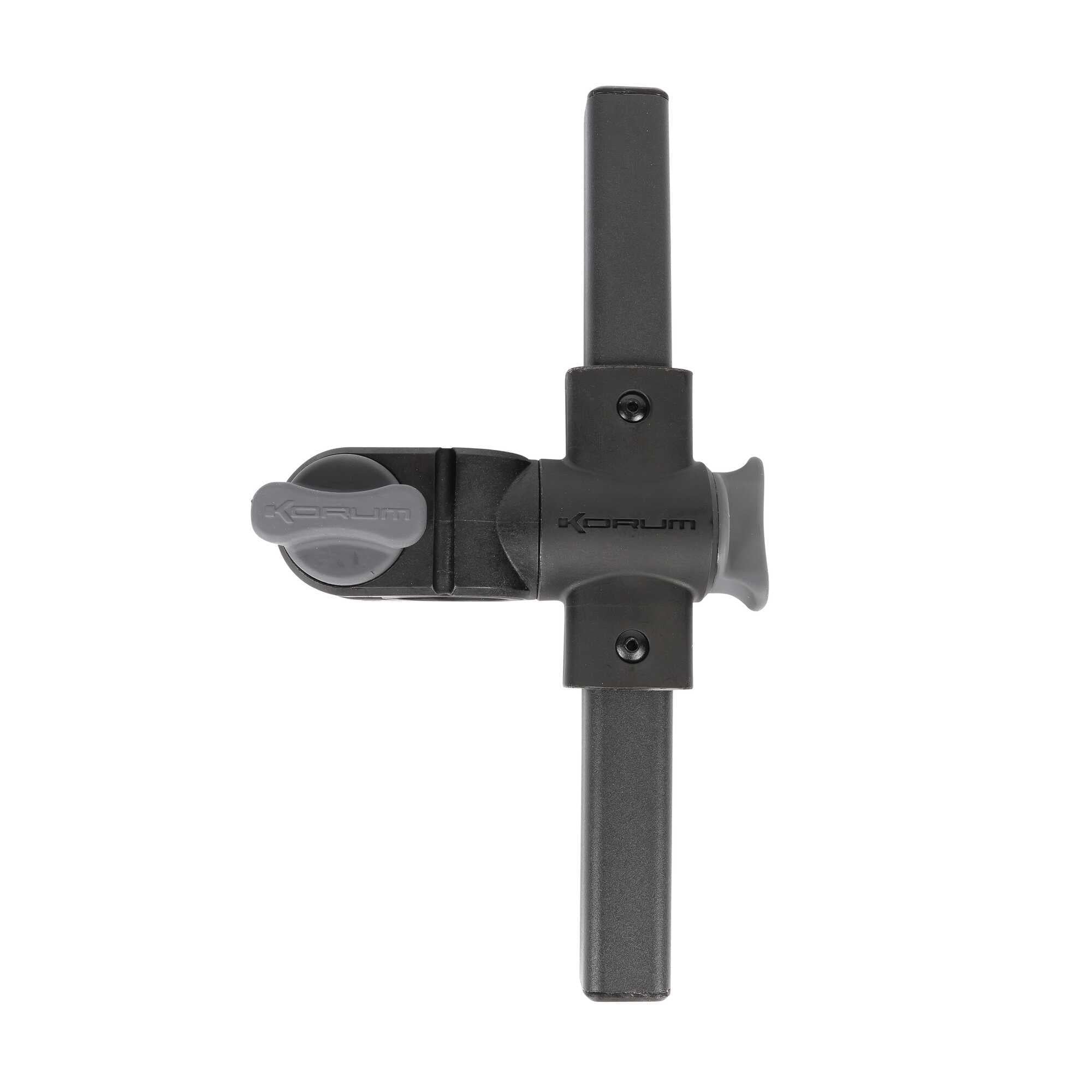
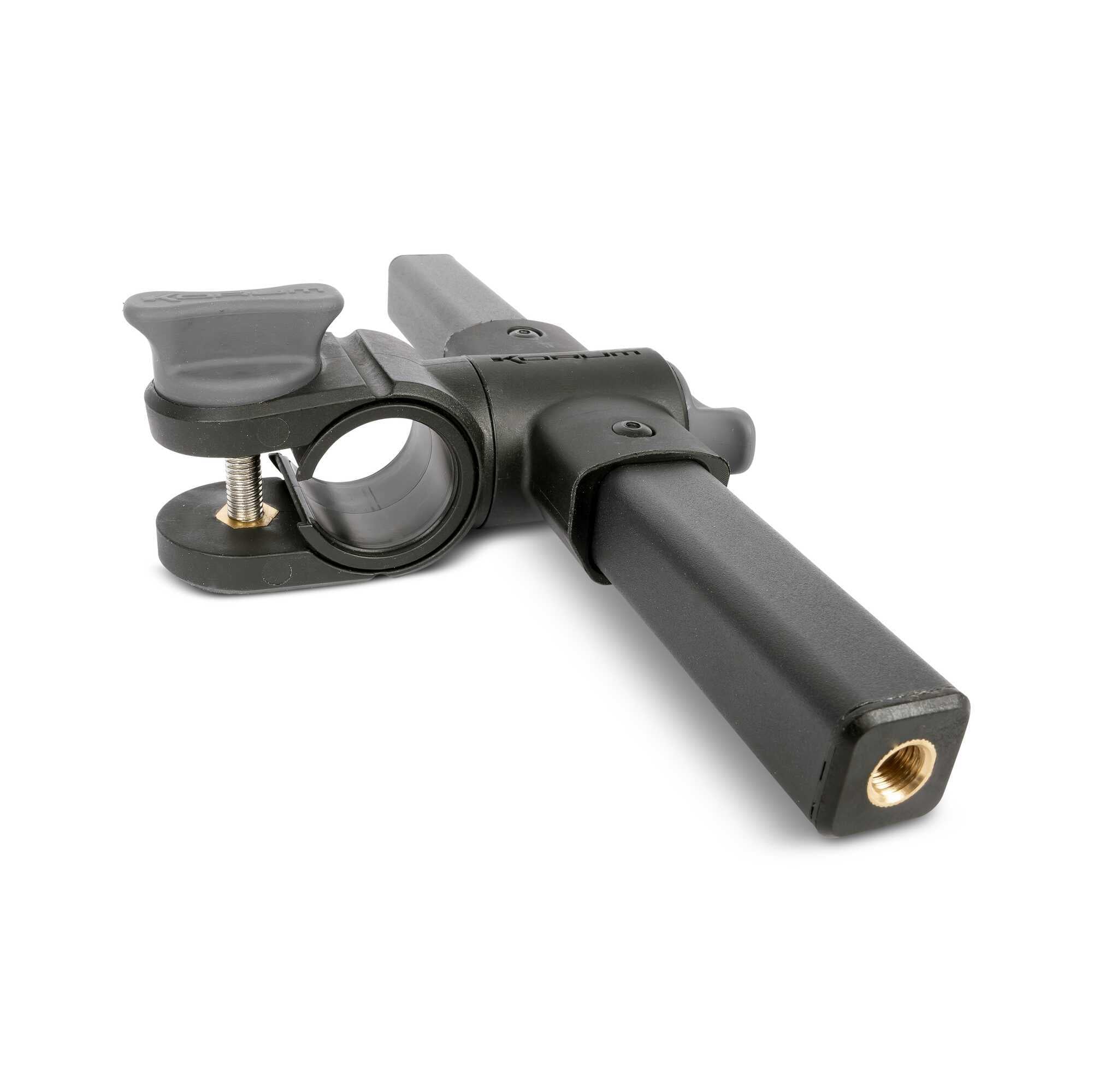
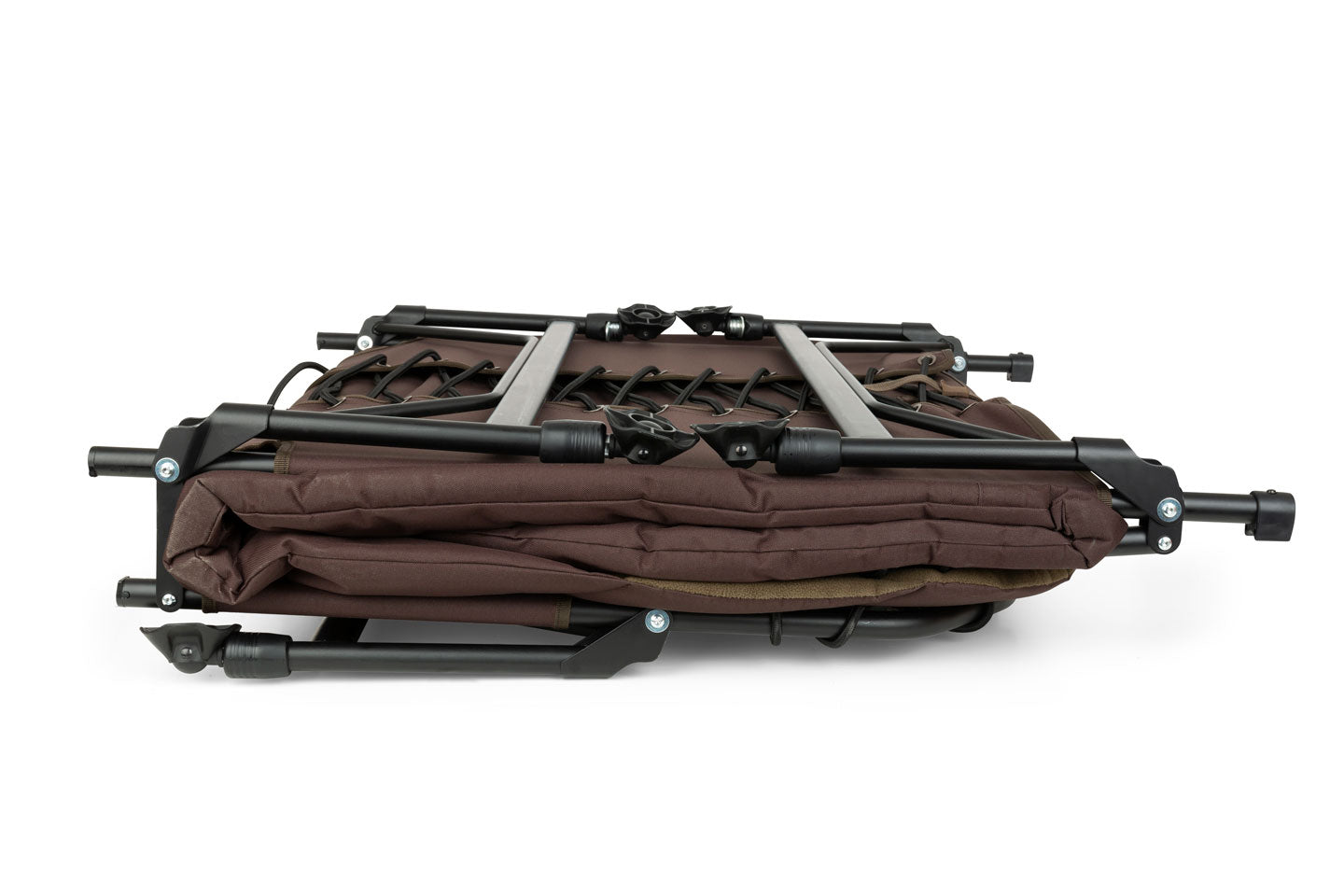
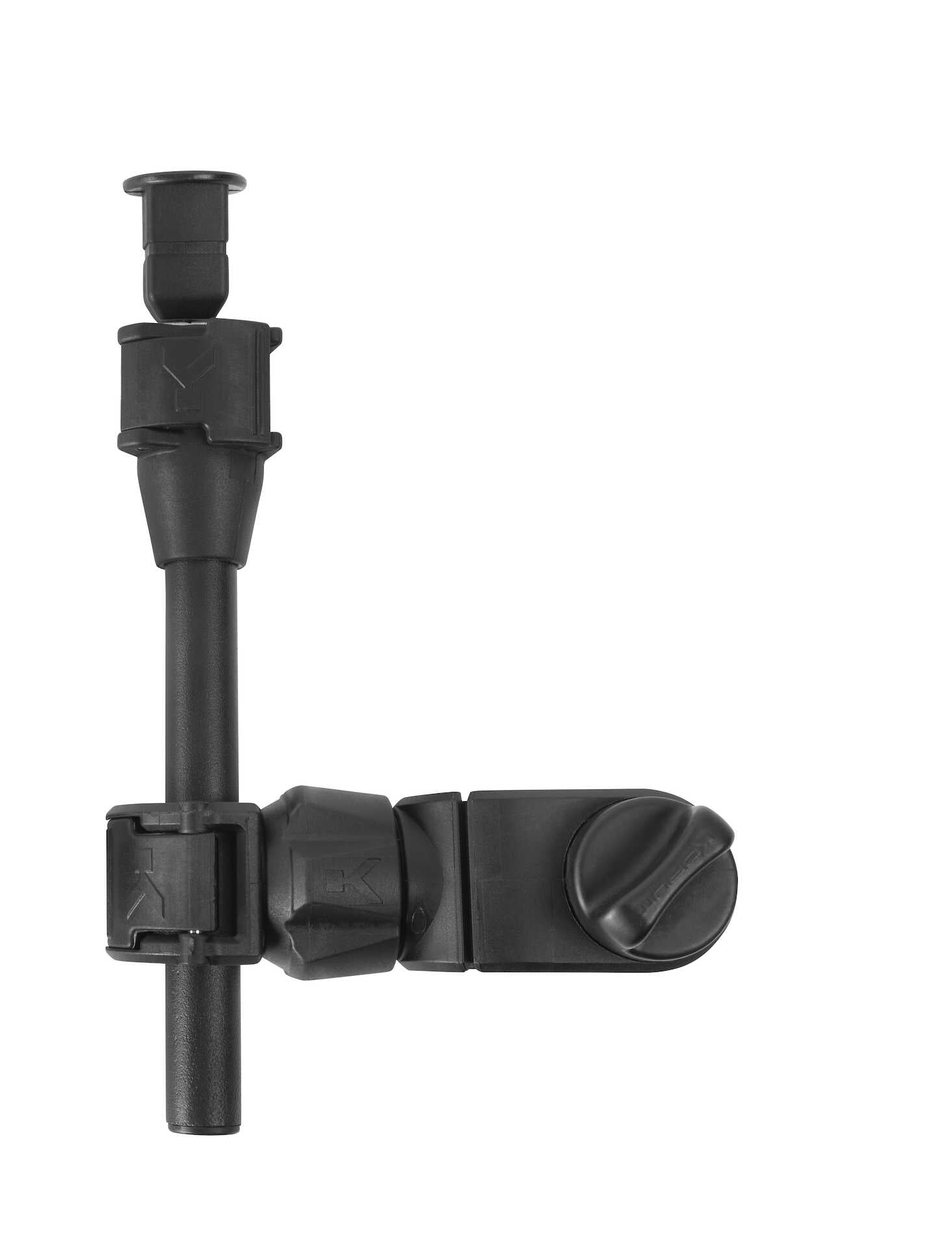
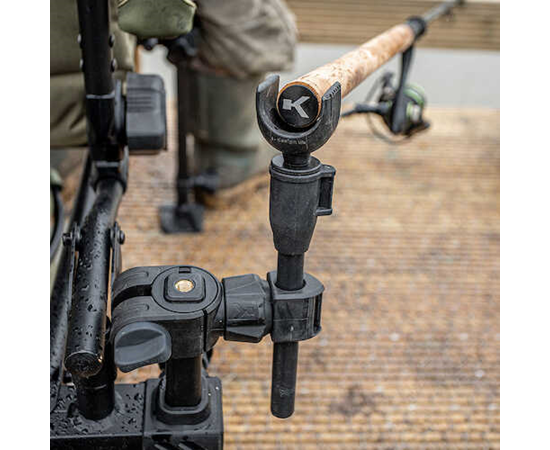
Bed-chair hinges, recline locks and tension systems must engage fully. Attach side trays or accessories only where specified and keep added weight within capacity. A chair is not a step, trolley or fish cradle.
Consider carrying distance as well as comfort at the swim. Compare folded dimensions and total weight with the rest of the kit, then check whether straps, handles or a trolley are required. A larger seat that cannot be transported safely or positioned on the available bank is not a practical choice.
Set up and maintain fishing seating
Inspect the swim for holes, soft edges and slopes before unfolding the seat. Keep legs, guy ropes and attachments clear of the route to rods and landing gear. Recheck stability after rain or ground movement.
Clean mud from feet and locks, dry fabric and padding and inspect frames, welds, hinges and stitching. Store seating folded as directed, protect adjustment threads and replace damaged load-bearing parts before reuse.