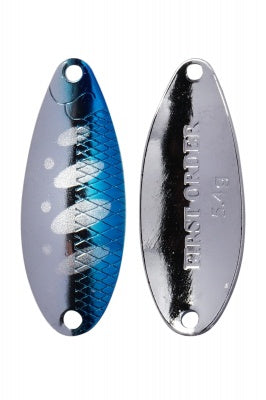
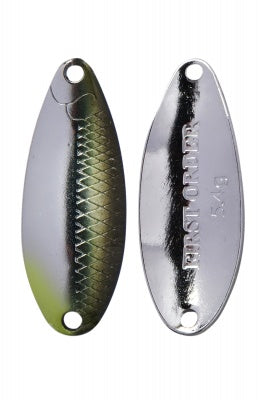
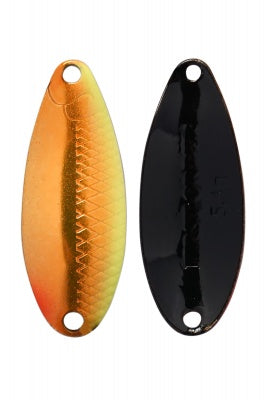
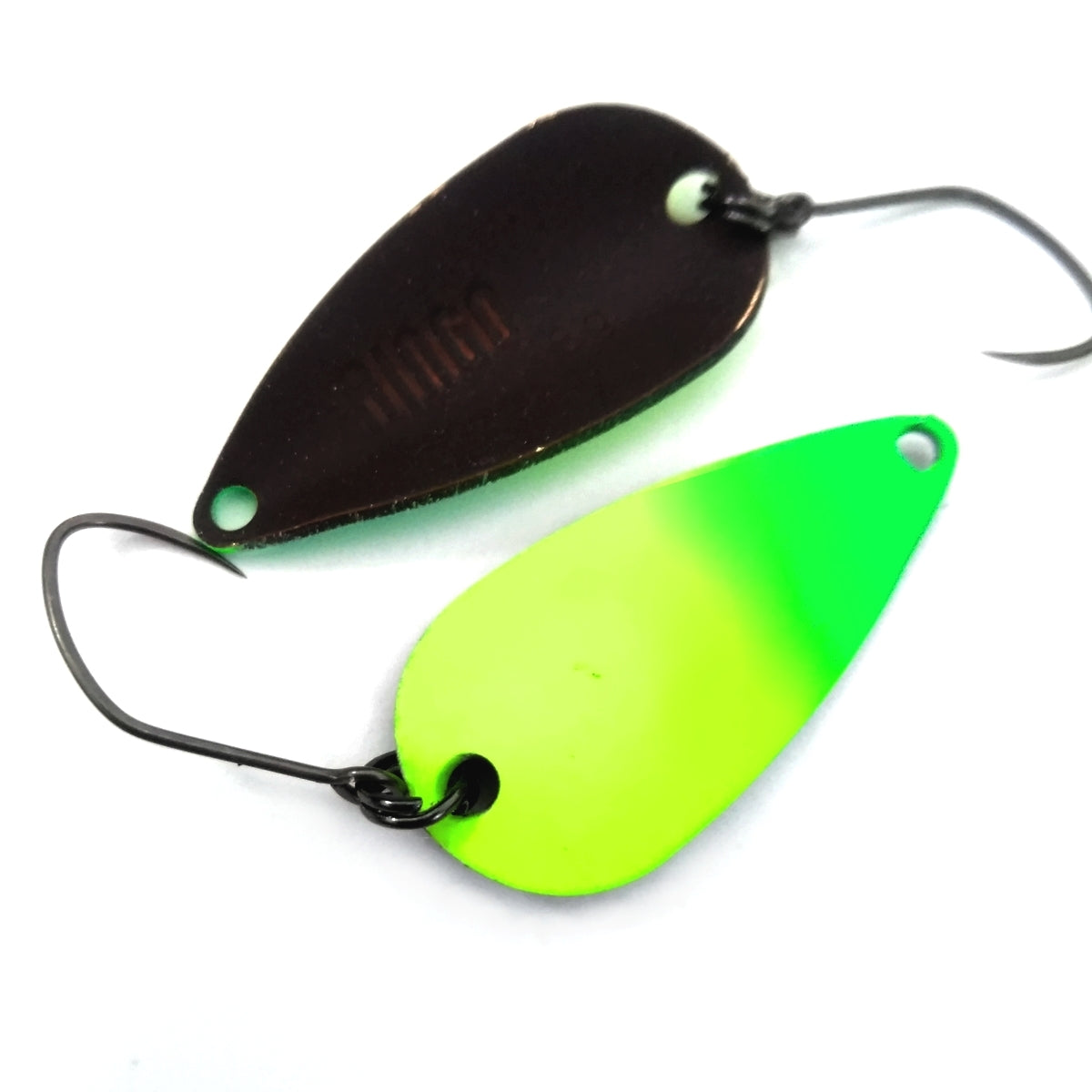
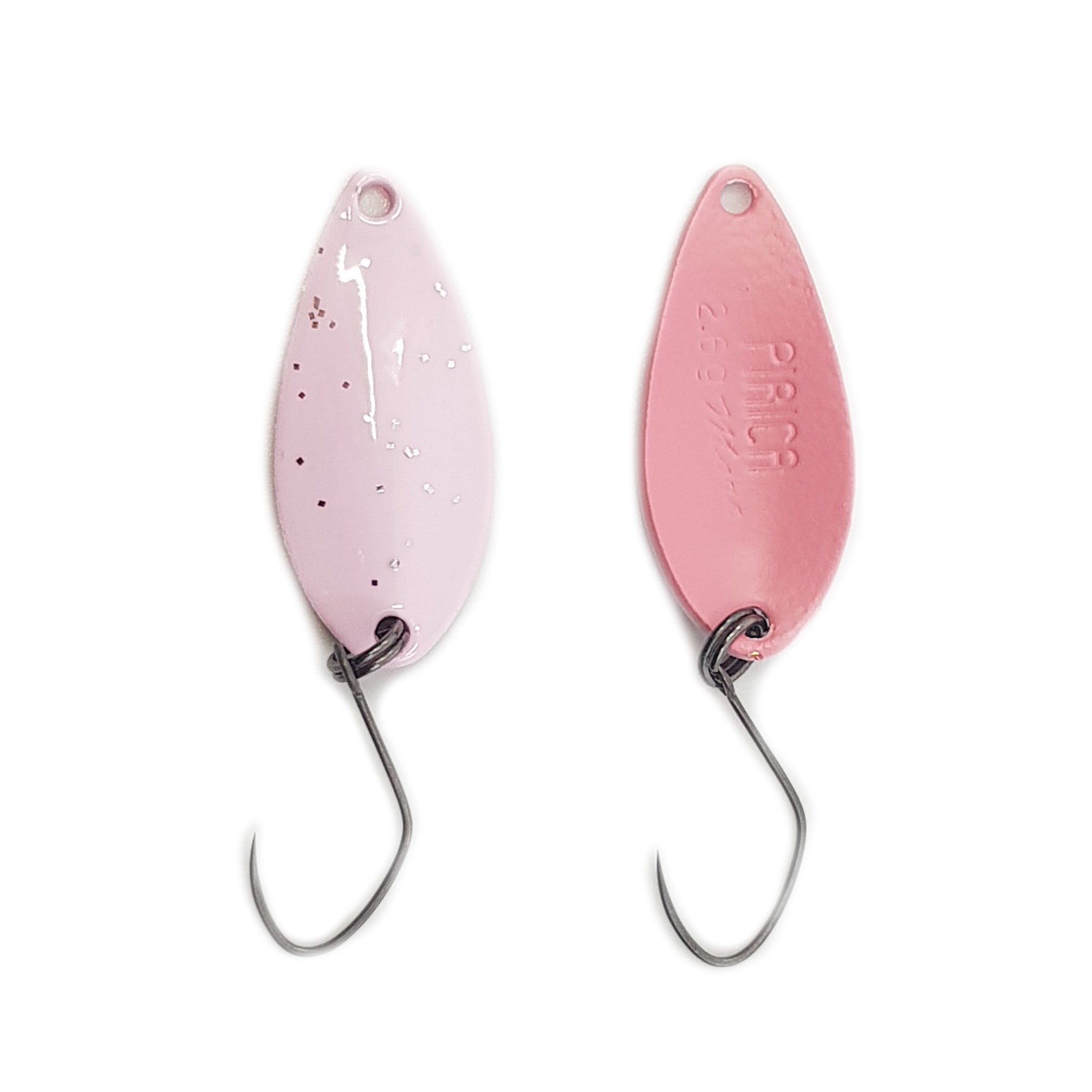
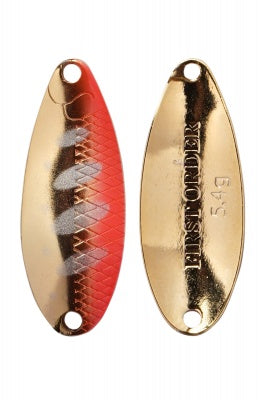
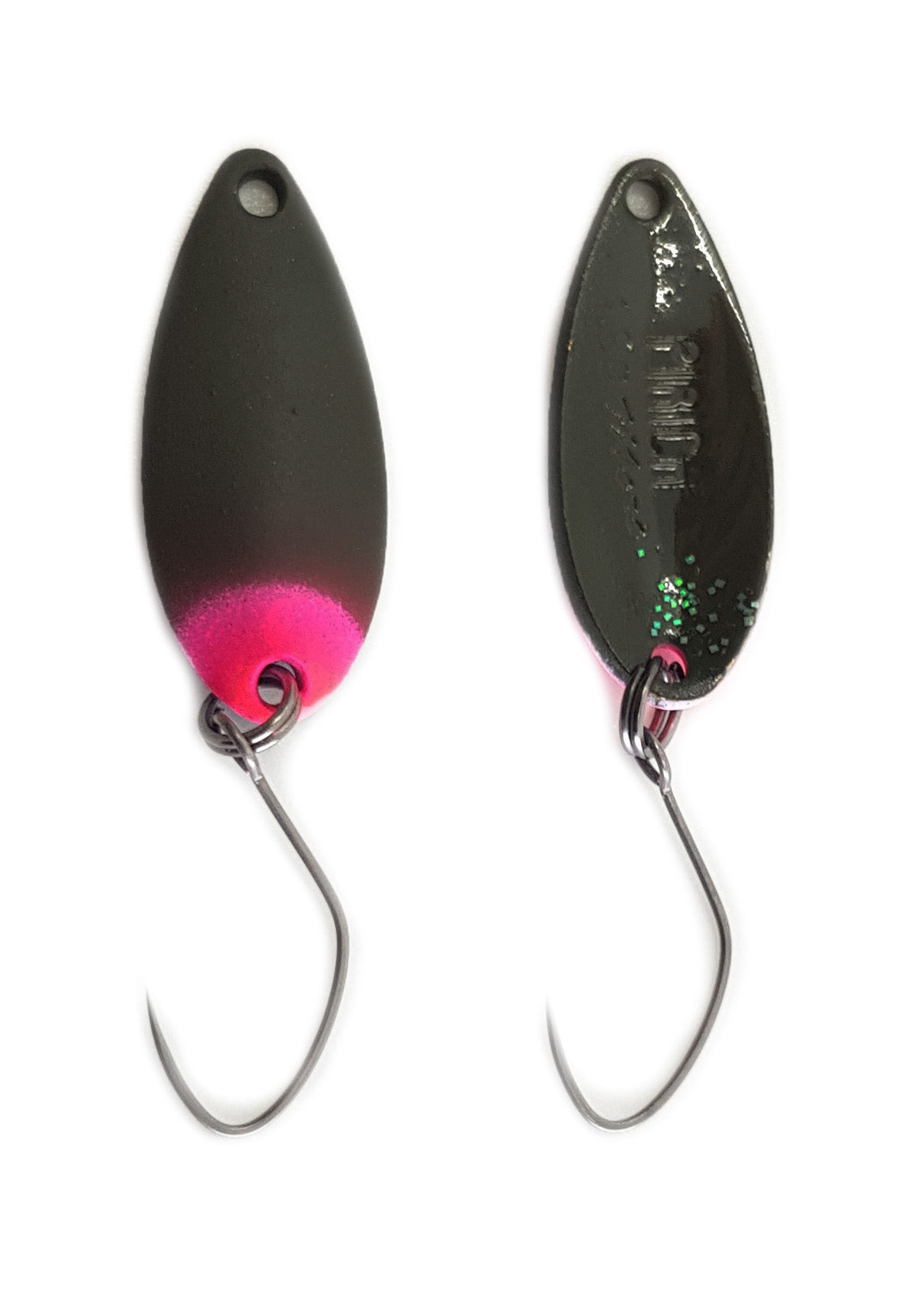
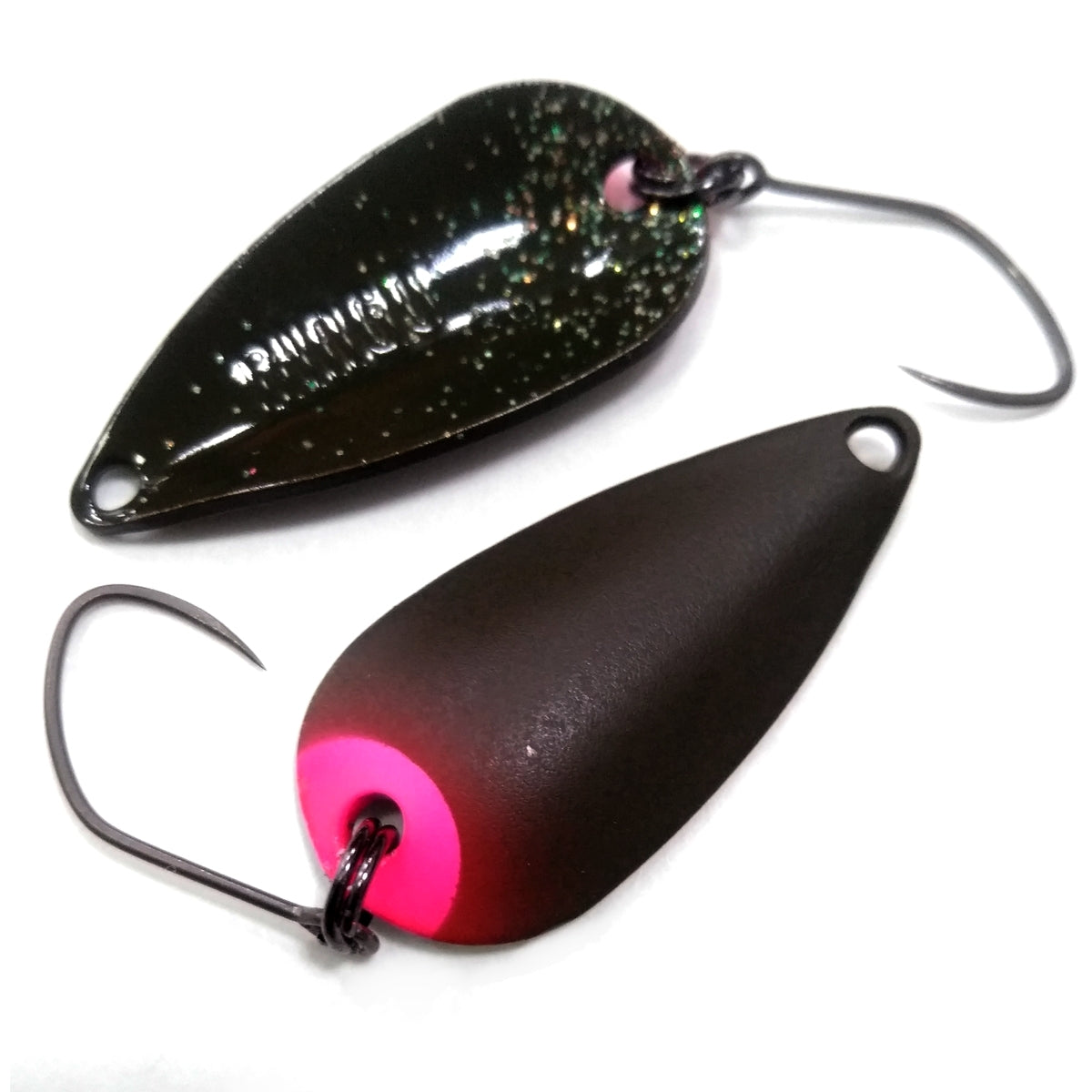
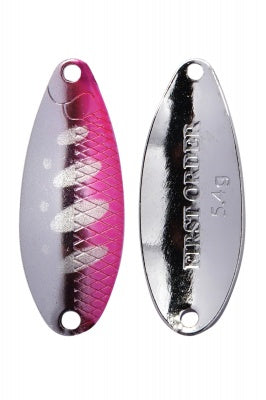
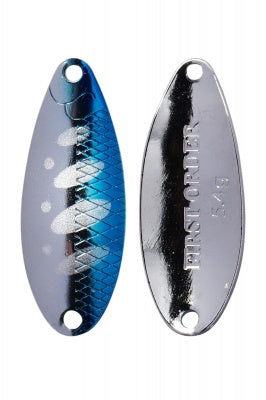
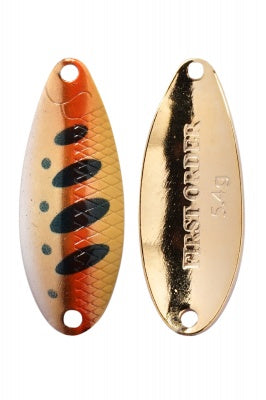
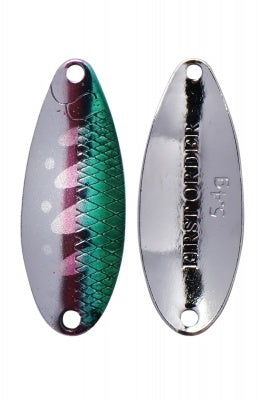
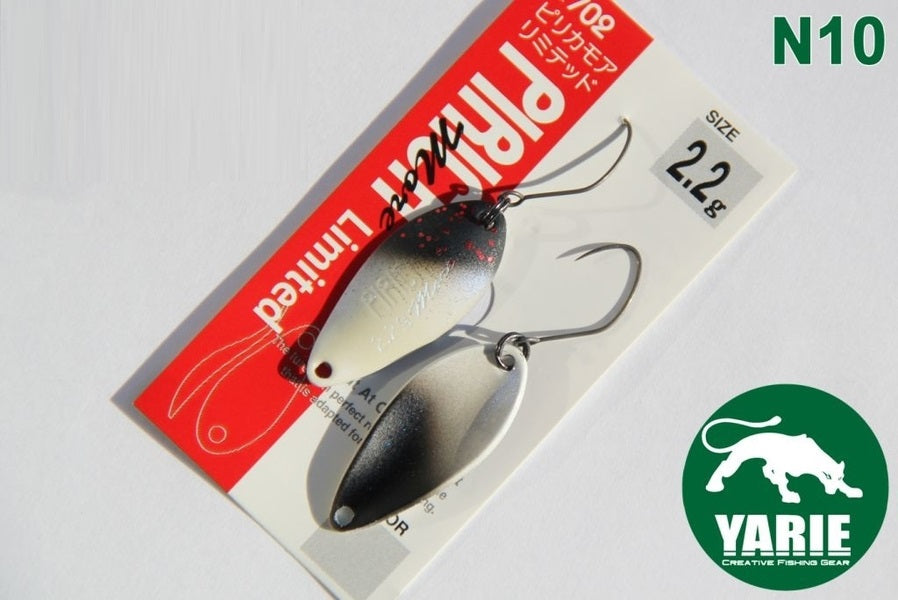
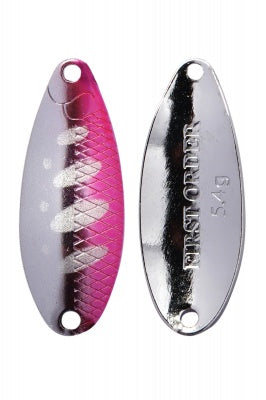
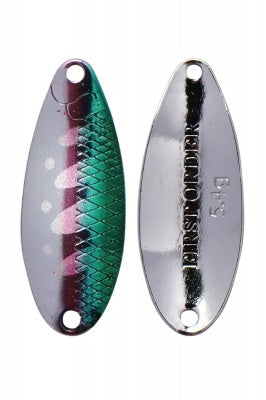
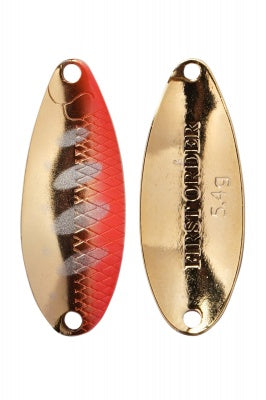
Lightweight spoons up to 5g
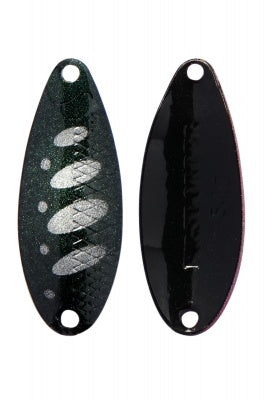
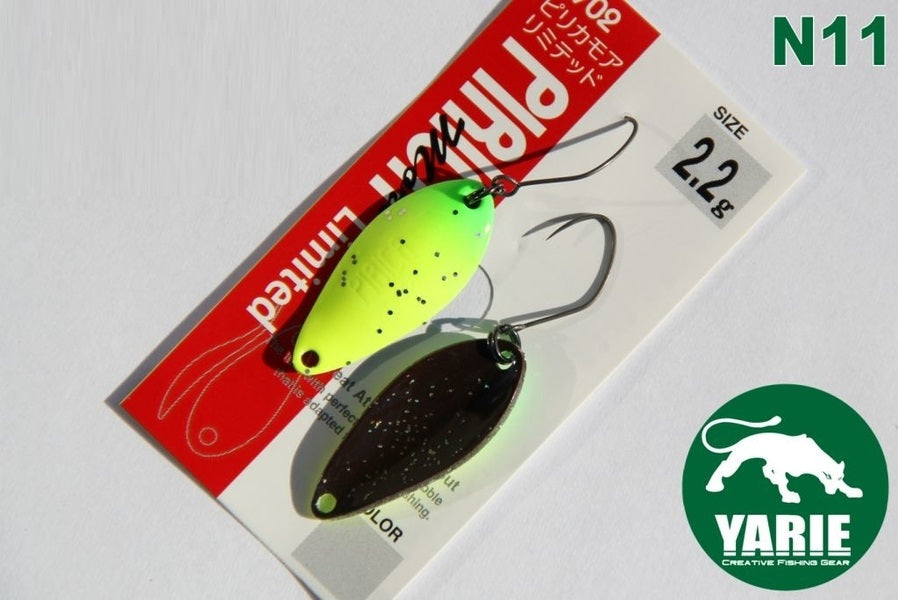
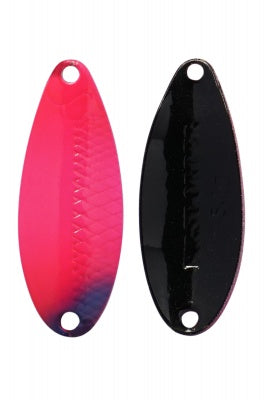
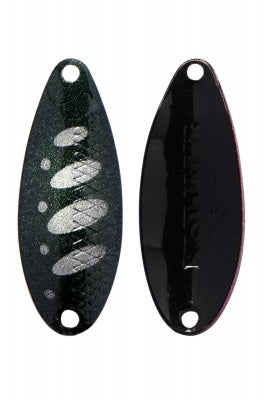
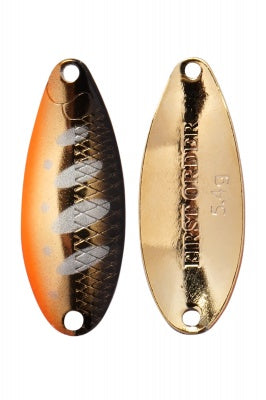
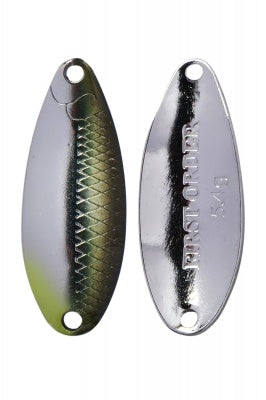
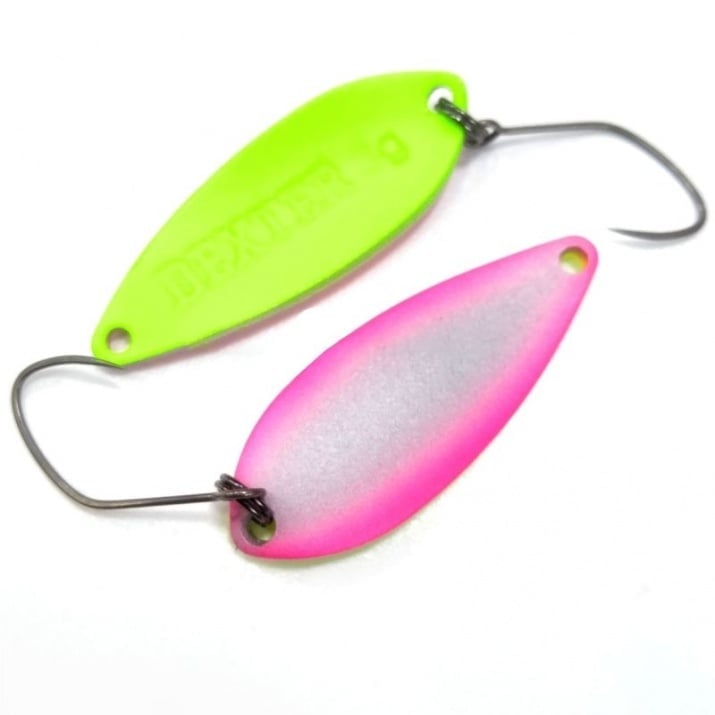
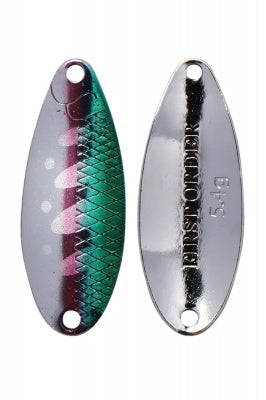
Spoons up to 5g provide a compact metal presentation for trout, perch and other light-tackle targets. Their curved or asymmetrical bodies wobble, flash and flutter through the water. The collection includes Yarie, Select, Kinetic, Berkley, Westin, DAM, DUO and Megabass across subtle natural finishes and stronger high-contrast colours.
Two spoons of the same weight can behave very differently. A broad, thin body usually creates more lift and flutter, while a compact, dense profile can cast further and hold depth. Check the individual size as well as the weight, because a small 5g lure may sink faster than a larger spoon with more surface area.
Browse the wider fishing lures range, compare surface lures, step up to spoons from 5g to 10g, or try vibe lures when more vibration and depth control are required.
Match light spoons to rod, line and water
Use a light rod whose casting range genuinely includes the chosen spoon. A lure at the very bottom of a rod's rating may be difficult to load and cast, while an ultralight blank must not be overloaded by added clips or weights. Fine line improves casting but still needs sufficient strength for the fish, structure and hook pattern.
Retrieve just fast enough to produce a stable wobble. If the spoon spins continuously, slow down or change rod angle. In shallow water, begin retrieving immediately; for deeper water, allow a short controlled sink while maintaining contact. Current increases the lure's apparent speed and lift, so cast angle is as important as reel speed.
Natural silver, gold and baitfish tones work as general starting points. Bright or dark contrast can be useful in peat stain, cloud or low light. Rotate patterns methodically instead of changing after every cast. The metal spoon fishing guide explains basic retrieve variations.
Check hooks and fishery rules
Small spoons may use single or treble hooks. Confirm local rules on barbs and hook style, particularly on trout waters, and carry suitable forceps. A replacement hook must be strong enough without being so heavy that it changes the spoon's fall or action.
The trout fishing rod guide provides more tackle context. Inspect split rings and hook points after rock contact, rinse after saltwater use, dry fully and store light spoons so their finishes are not rubbed against heavier metal lures.