
Gloves
26 products
Showing 25 - 26 of 26 products
Explore fishing gloves for warmth, grip, casting, fish handling and tackle work in Irish conditions. Compare insulation, waterproofing, breathability, palm material, finger coverage, cuff design, dexterity, size and intended use. Choose a close but unrestricted fit, keep separate gloves for incompatible tasks, remove wet pairs before hands become chilled and never assume angling gloves provide certified cut or hook protection.
Recently viewed
Fishing gloves for warmth, grip and dexterity
Fishing gloves must balance protection with the finger control needed for casting, knots and safe unhooking. Insulated designs prioritise warmth, waterproof shells reduce rain exposure, and thinner or fingerless formats improve tackle handling. No single pair suits every task, so select around temperature, wind, water contact and the method being fished.
Fit matters because excess material catches line and small components, while a tight glove restricts circulation and movement. Check the manufacturer’s hand measurement and size chart, then confirm that the fingers can bend, the cuff sits with the jacket sleeve and the palm grips a wet rod handle without twisting.
Browse the parent fishing clothing range, combine gloves with suitable fishing jackets and fishing trousers, or prepare for deeper water with correctly fitted waders. Add weather-appropriate fishing headwear for the rest of the clothing system.
Choose coverage, materials and task
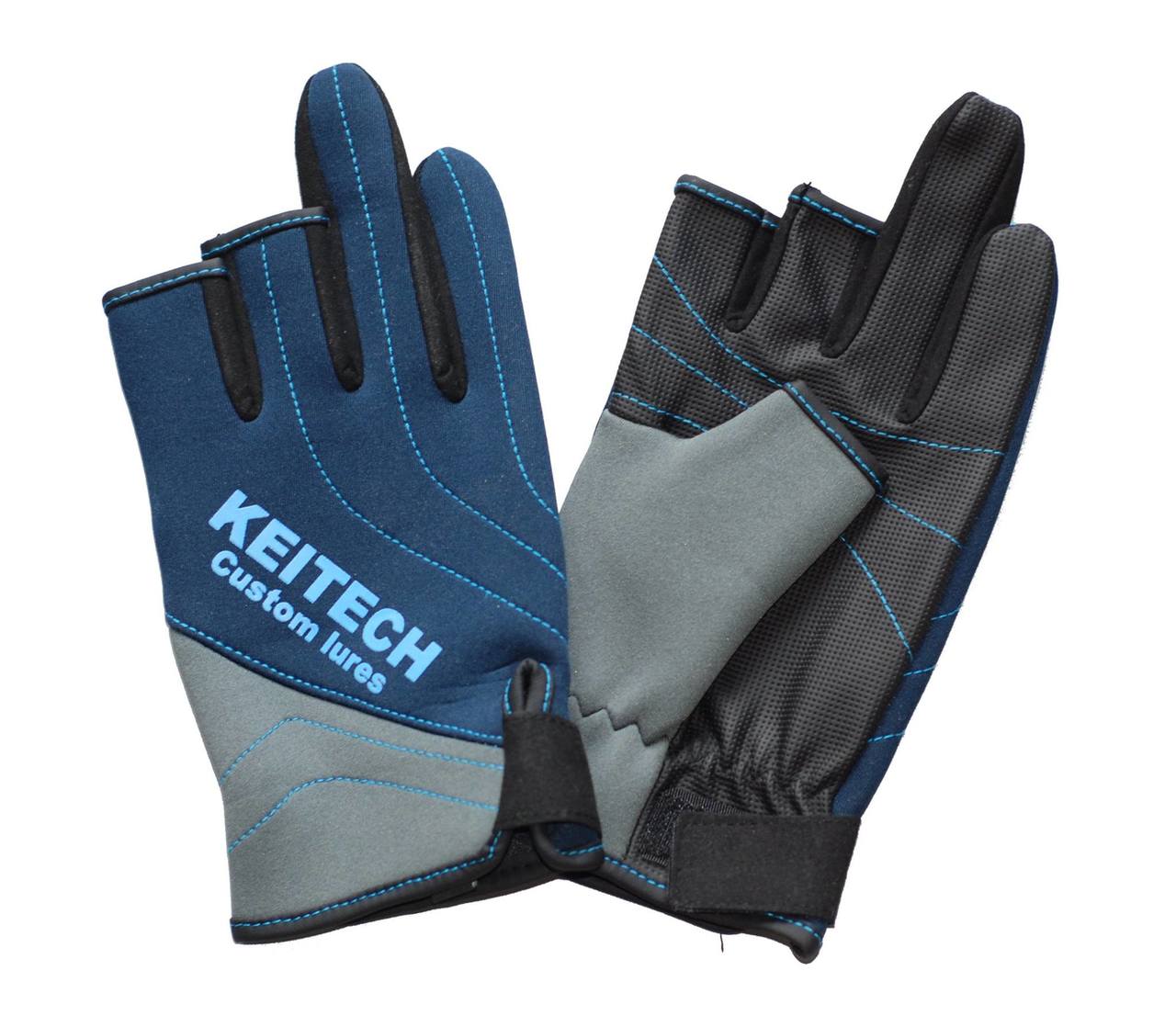
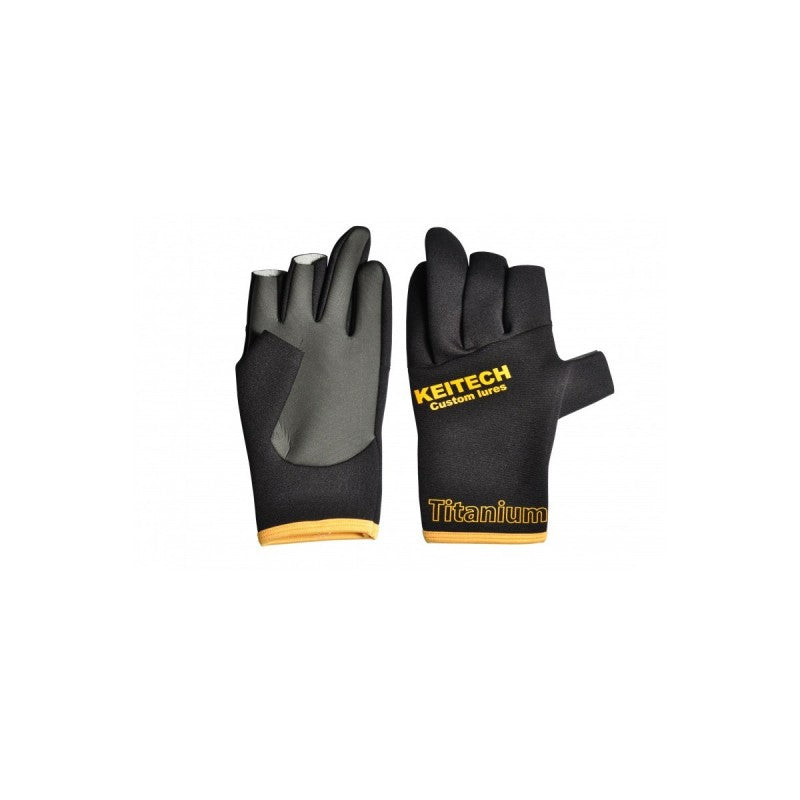
Full-finger gloves offer more coverage, while fold-back or fingerless designs expose skin for line work. Neoprene-style materials, fleece, knitted insulation and coated palms behave differently when wet. Check whether the product is designed for warmth, casting, handling or general outdoor use rather than inferring protection from appearance.
Fish-handling gloves should be used only as directed and kept separate from clean clothing or food tasks. Wet clean hands may be more appropriate for some species and situations. Avoid squeezing fish, protect fins and return them promptly according to fishery guidance.
Ordinary angling gloves are not a substitute for certified cut-resistant, puncture-resistant or thermal protective equipment. Keep hooks controlled, use forceps and cutters where required, and do not rely on fabric to stop a point or blade.
Dry and care for fishing gloves
Carry a dry spare in a sealed bag and replace wet gloves before hands cool. Wash each pair according to its care label, removing salt, bait and fish residue. Close hook-and-loop tabs where instructed and avoid heat that can damage membranes, coatings or adhesives.
Dry gloves fully inside and out, then inspect seams, palms, fingertips and cuffs. Replace pairs with exposed insulation, poor grip or damaged closures. Store clean gloves uncompressed so they are ready for the next session.