Fishing leaders and traces for demanding conditions
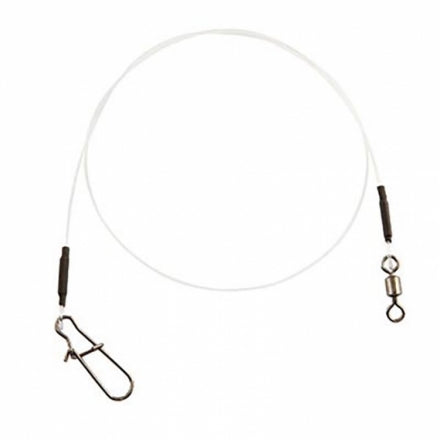
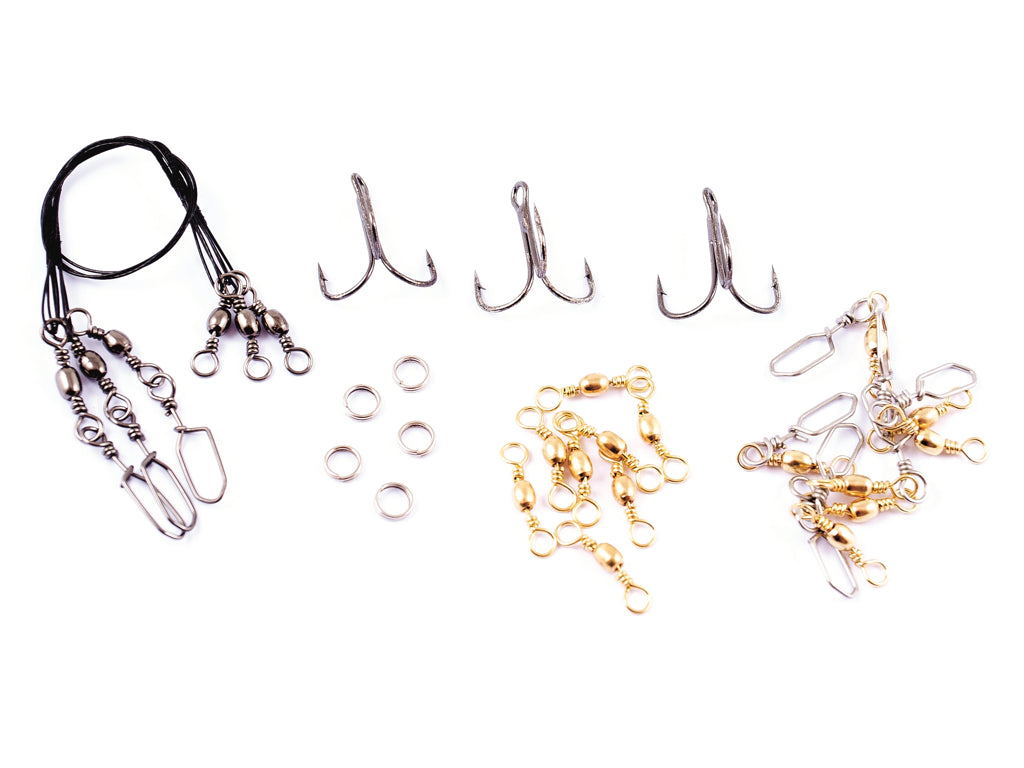
A leader or trace forms the final connection between the main line and hook, lure or rig. It can provide abrasion resistance, controlled stiffness, reduced visibility, shock absorption or protection from teeth. No single material delivers every benefit, so selection must begin with the species, method and likely contact points.
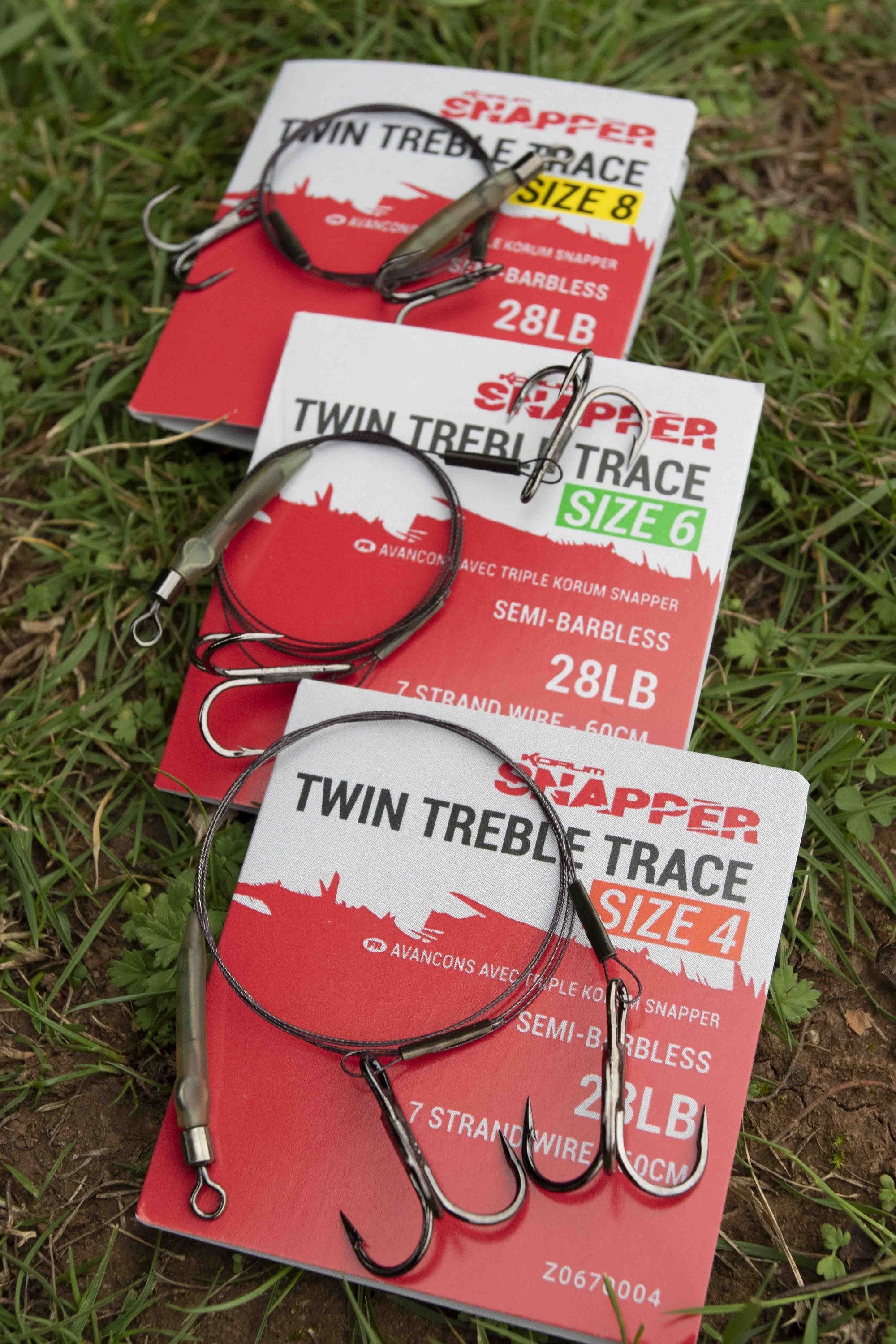
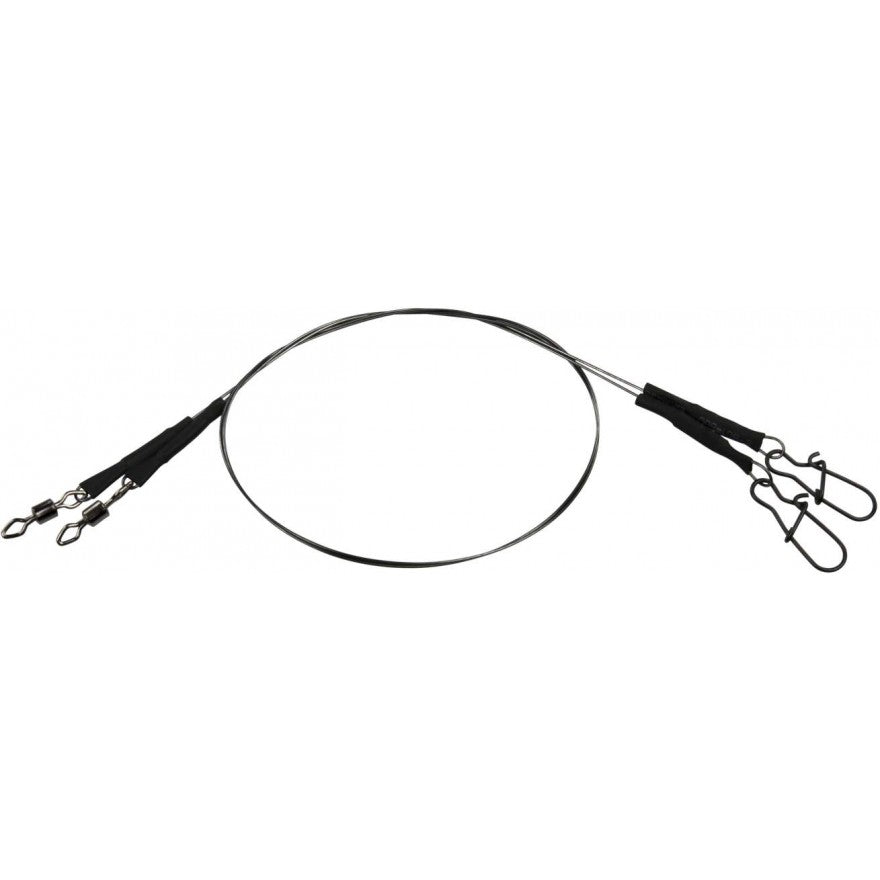
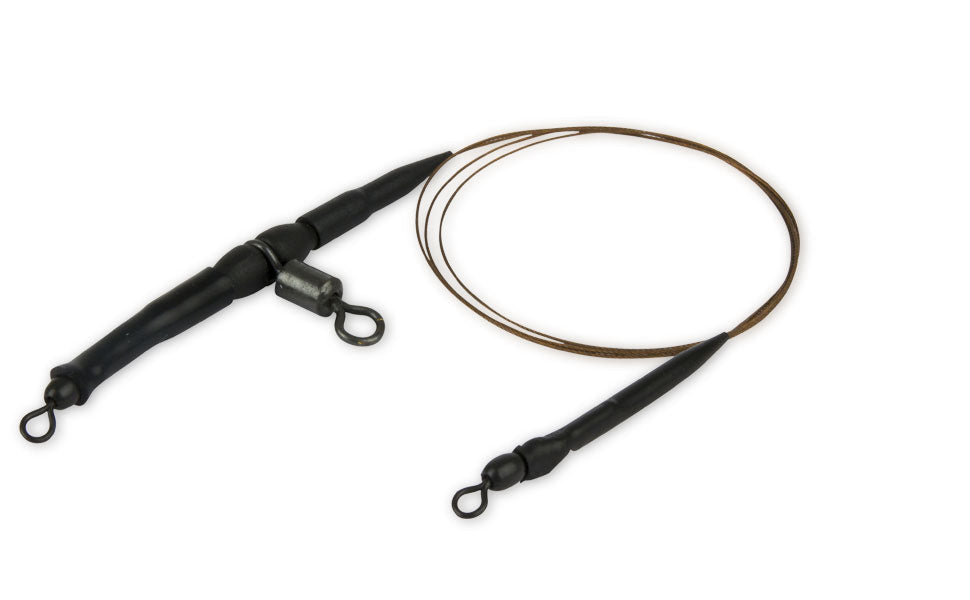
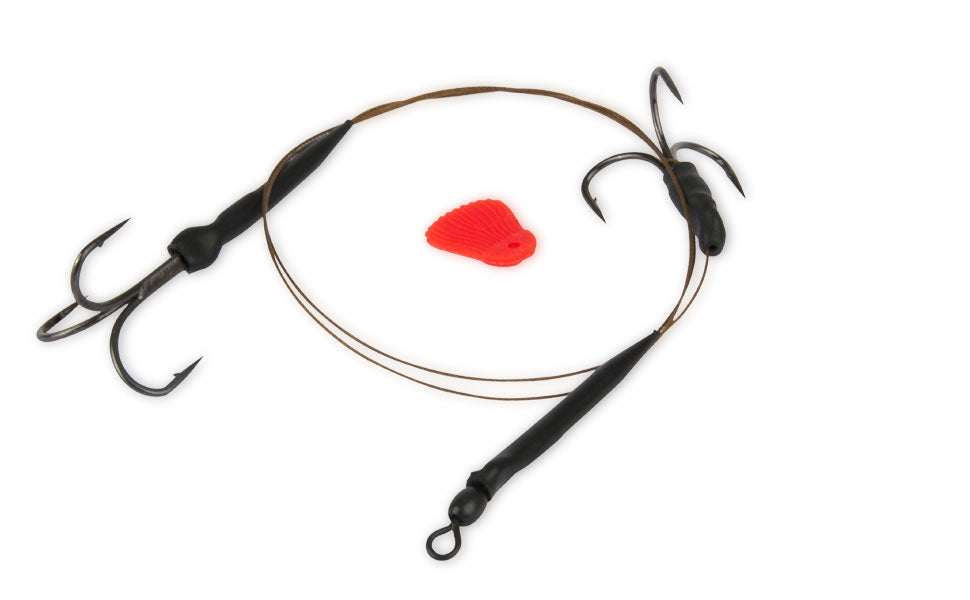
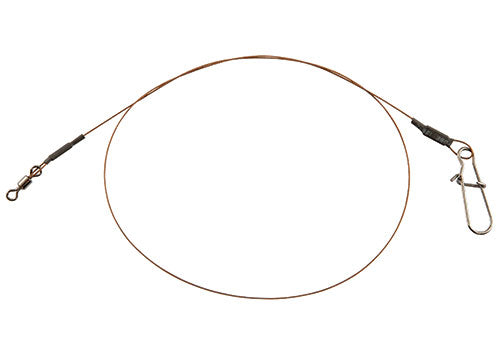
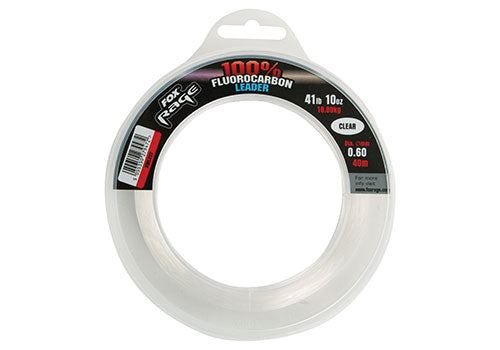
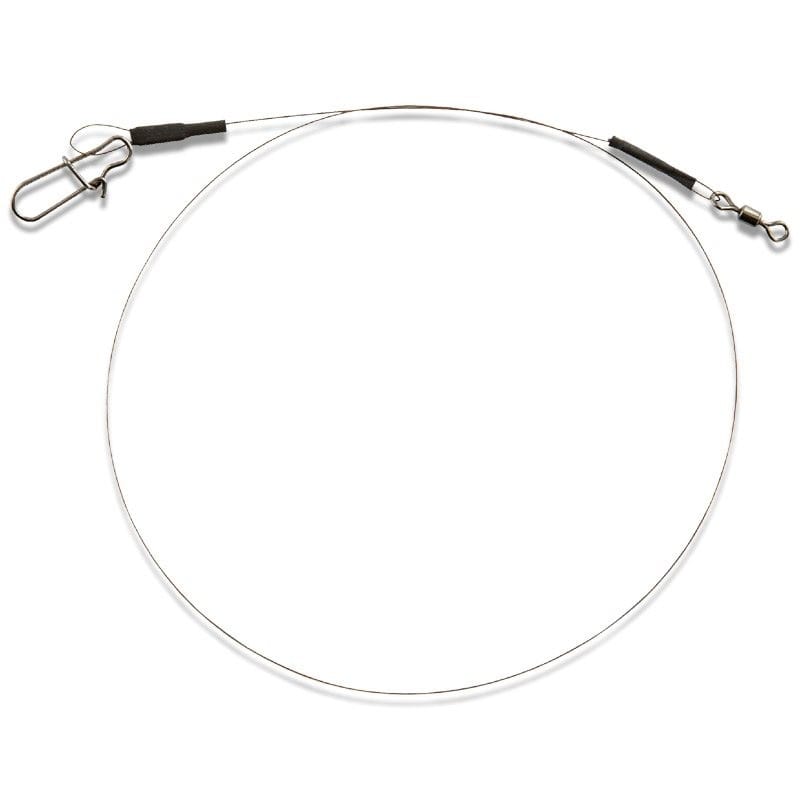
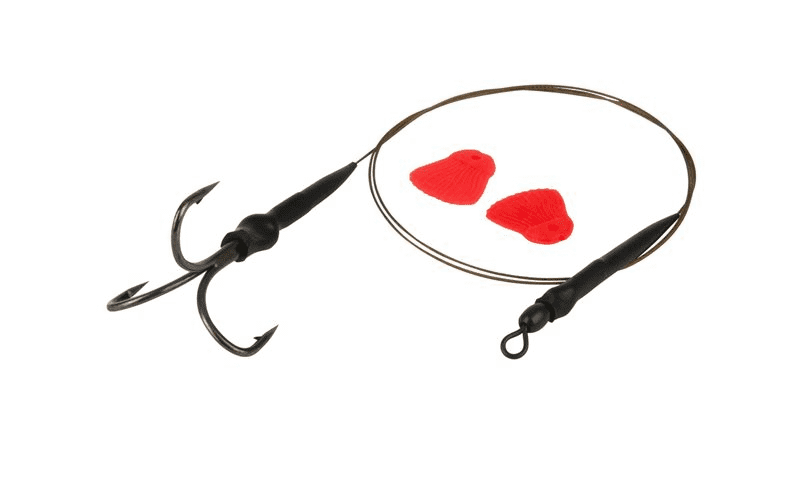
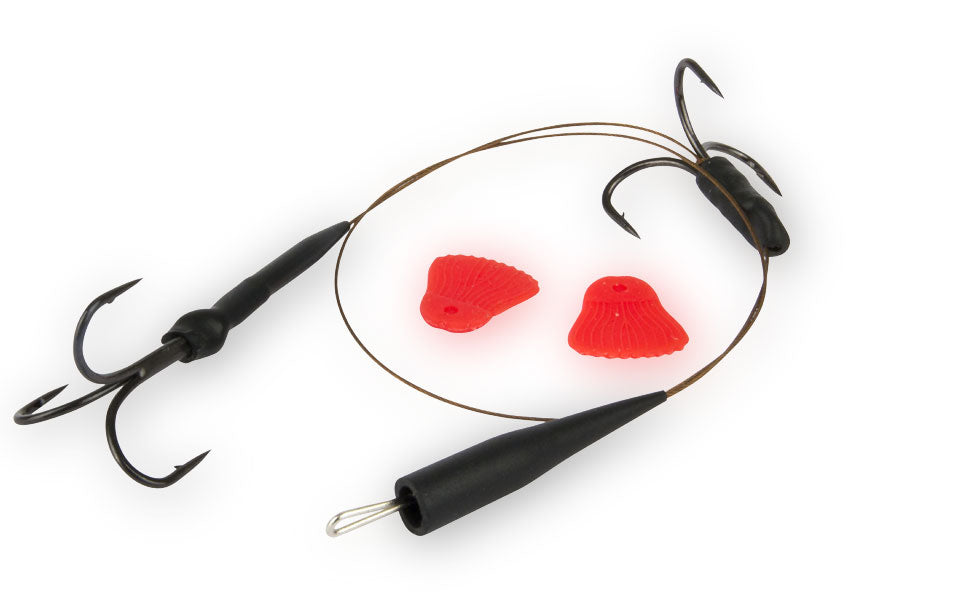
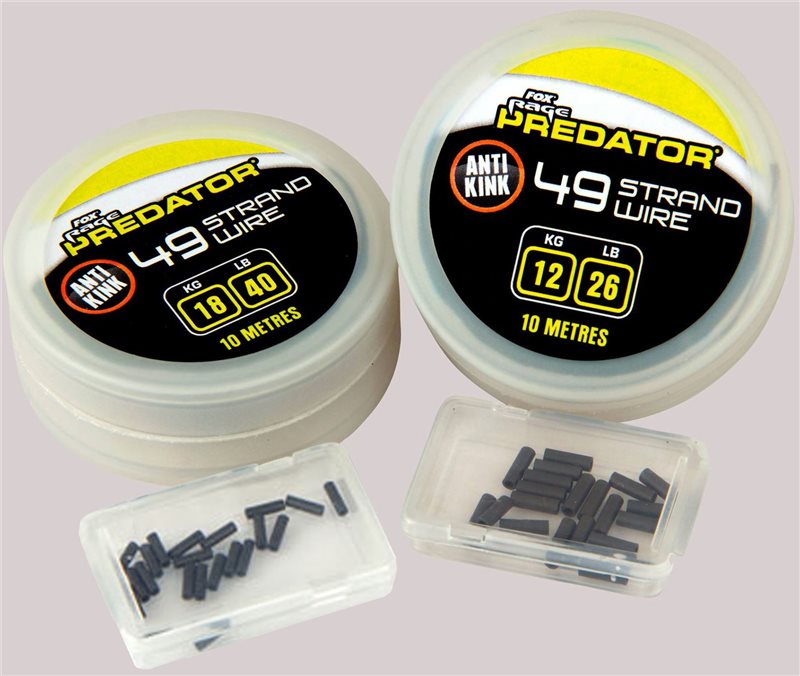
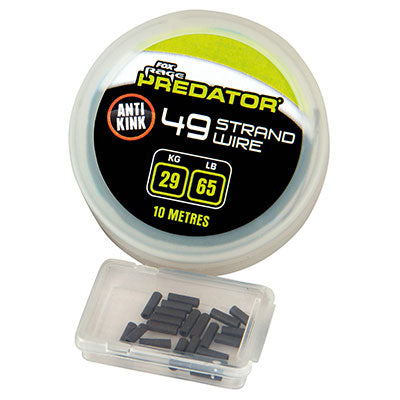
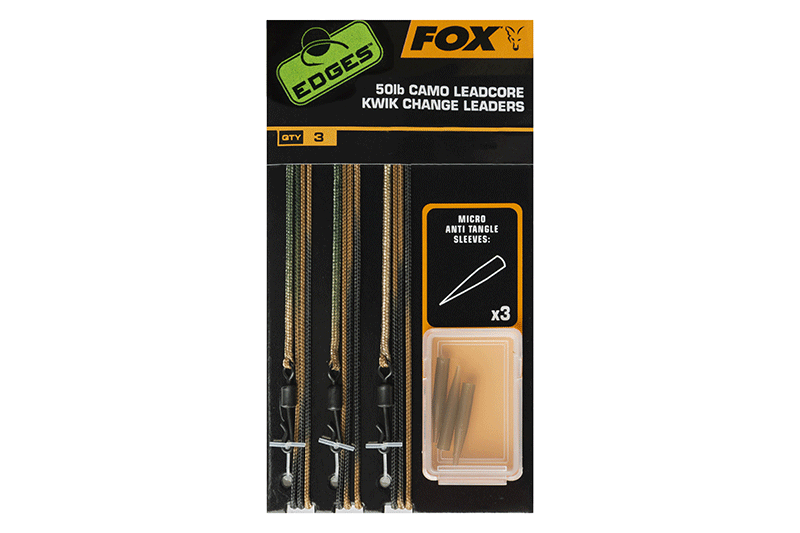
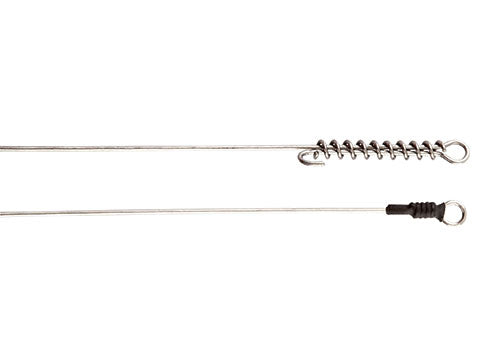
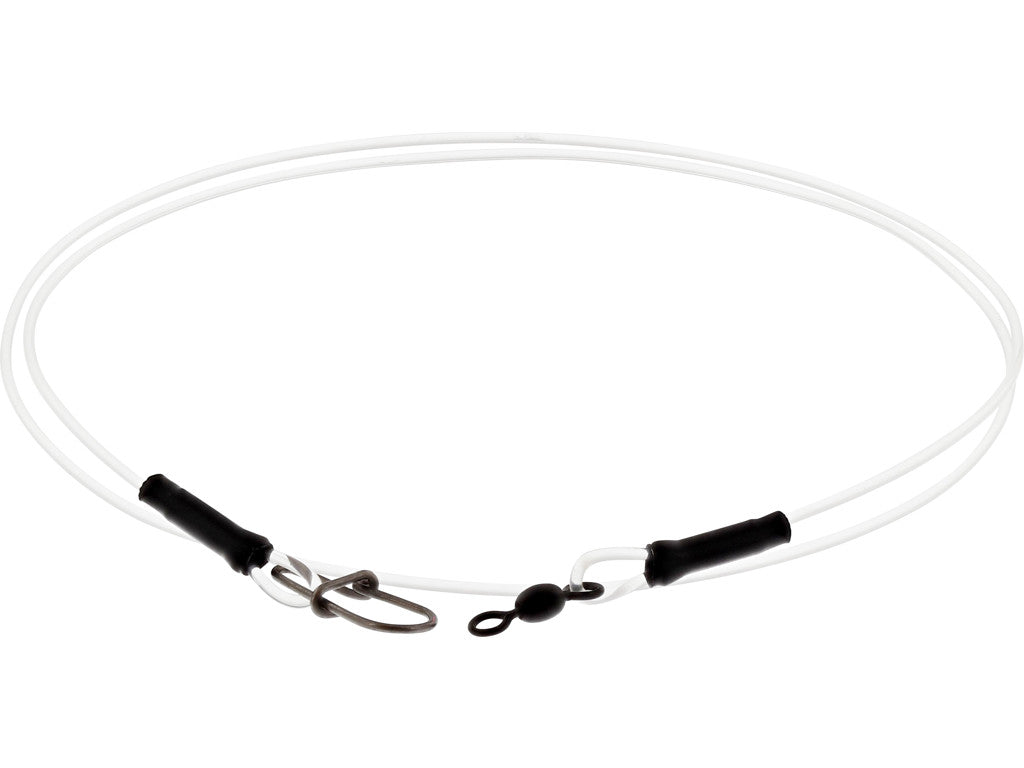
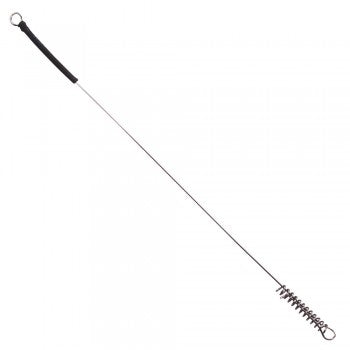
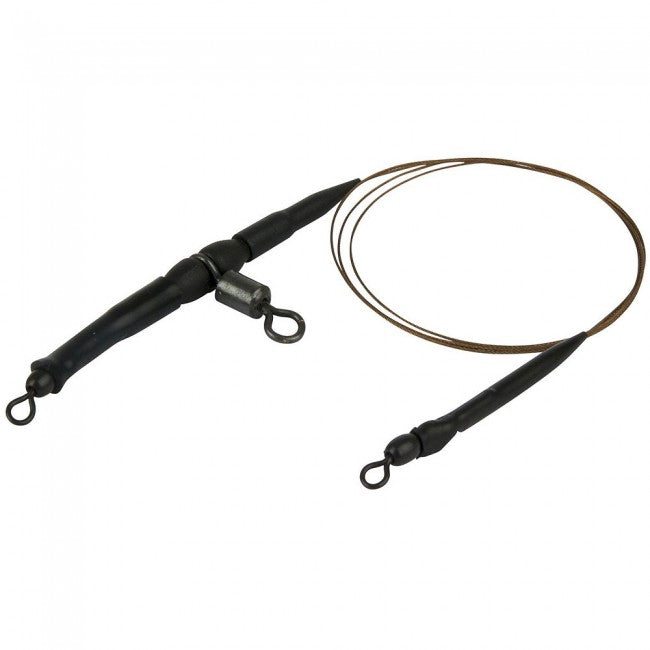
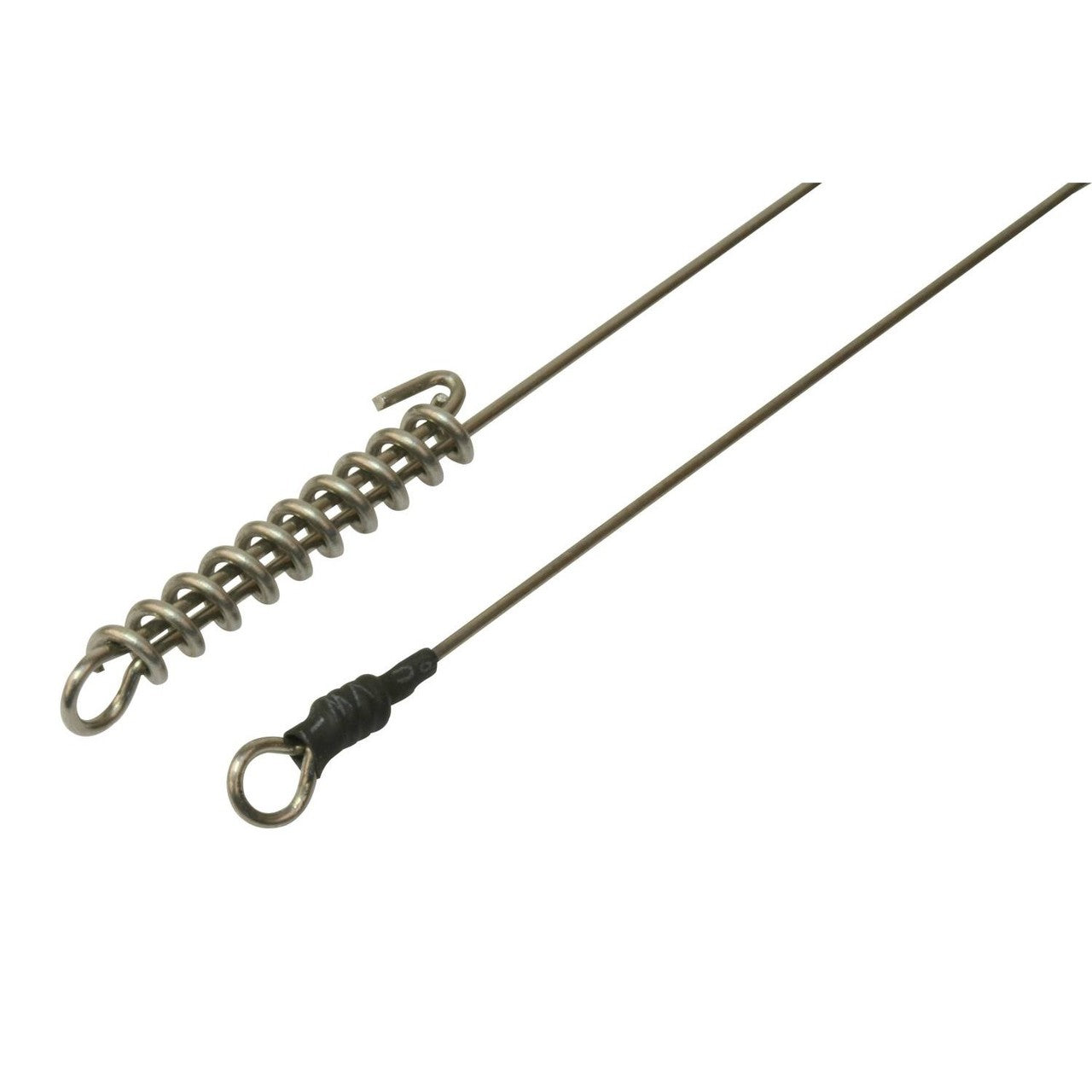
Bite-resistant wire or an appropriate predator-trace material is essential where pike can contact the rig. Heavy monofilament or fluorocarbon may suit particular lure and sea applications, but diameter, knot or crimp compatibility and actual abrasion demands must be considered. A shock leader serves a different purpose by absorbing casting load and protecting the main line.
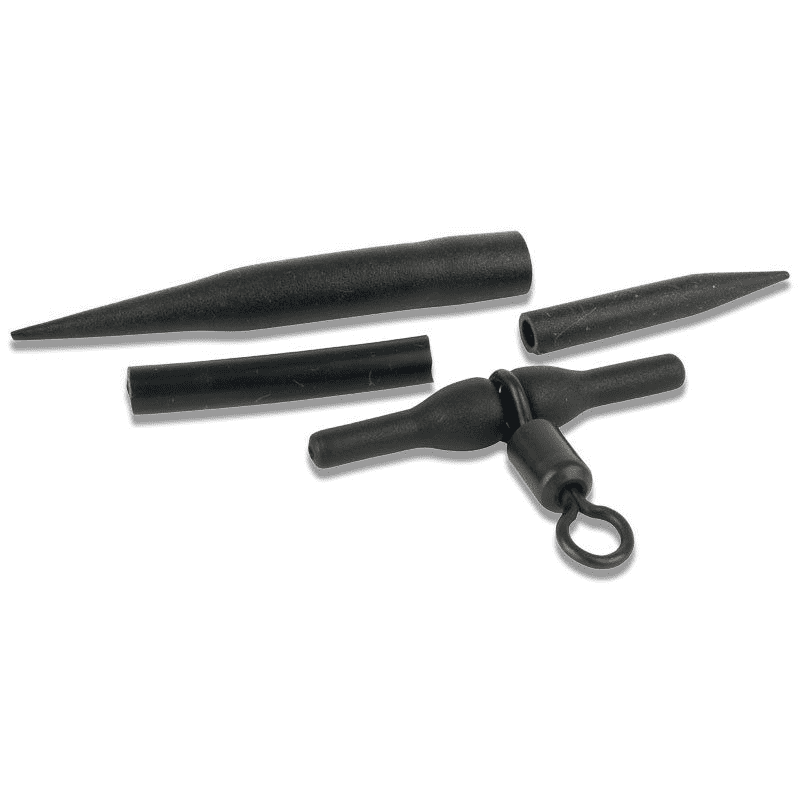
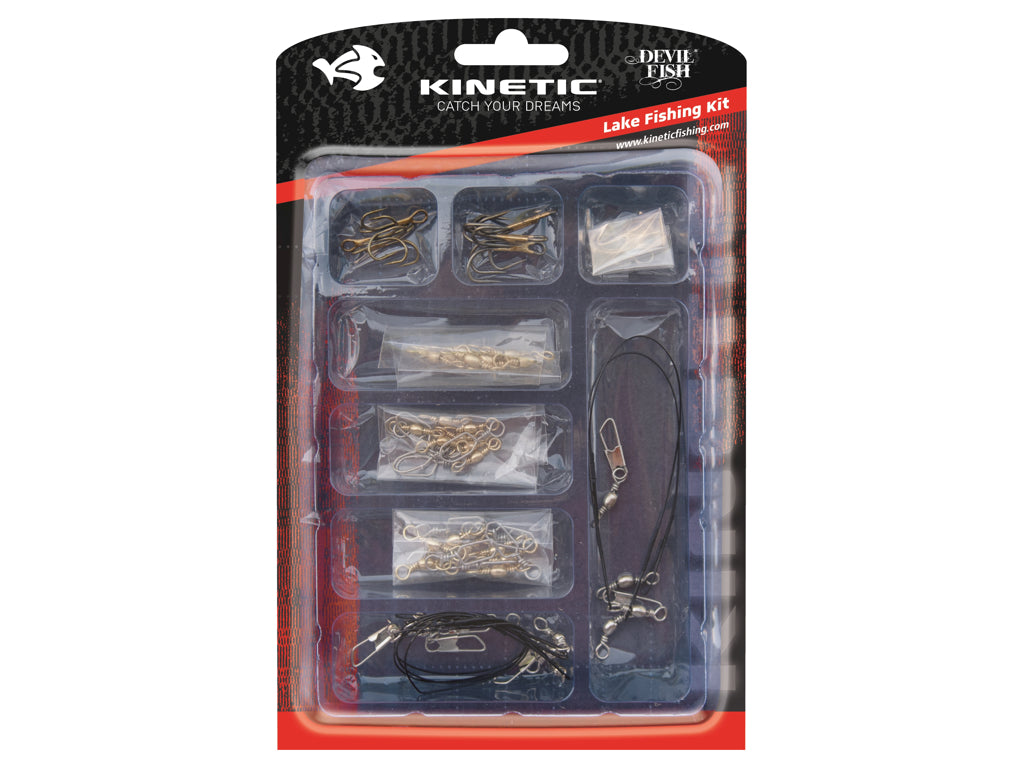
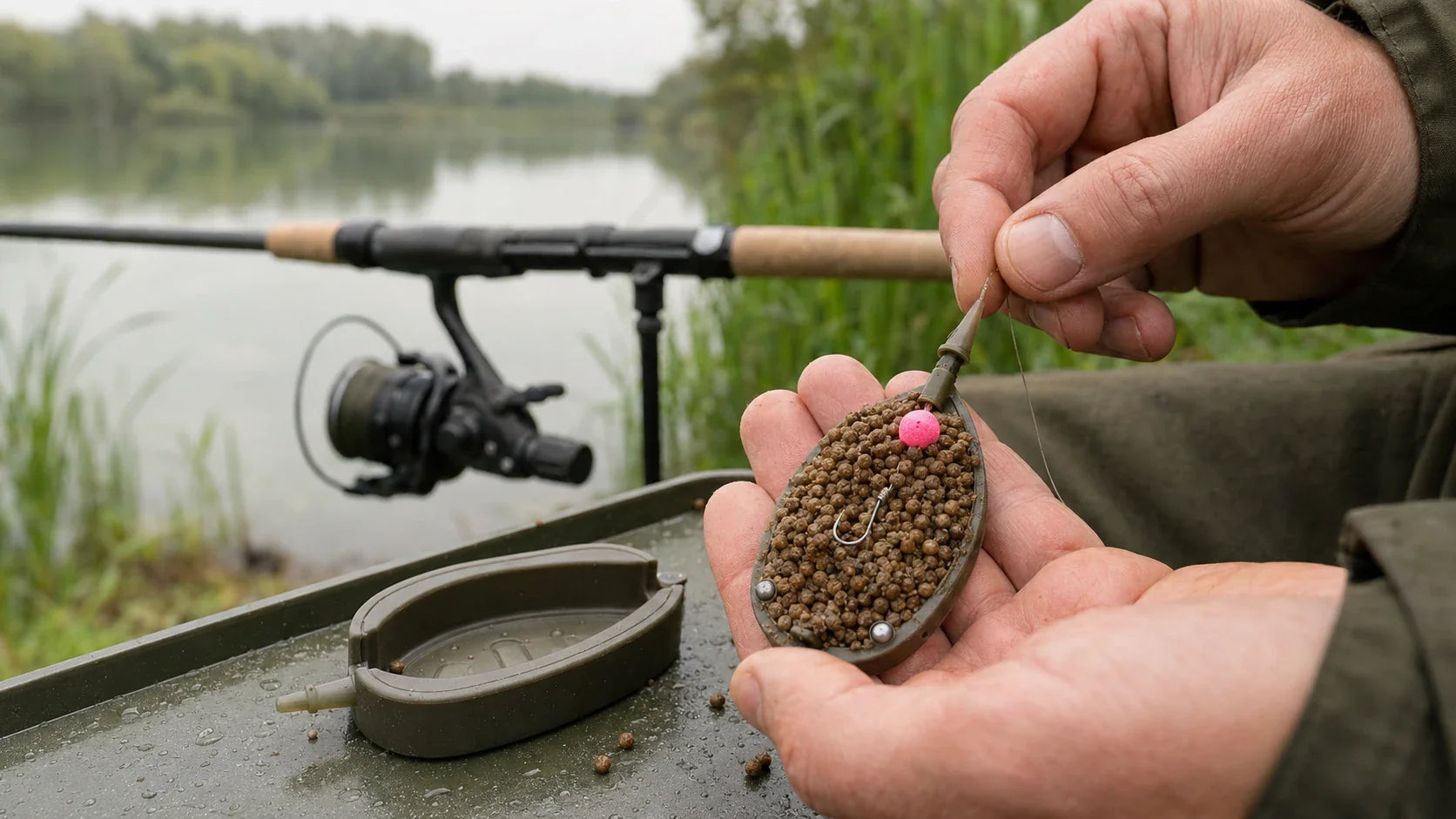
Browse the parent terminal tackle range, use stops and bands for positioning, compare feeder links and booms, or select compatible rings and crimps for rig construction.
Choose material, strength and length
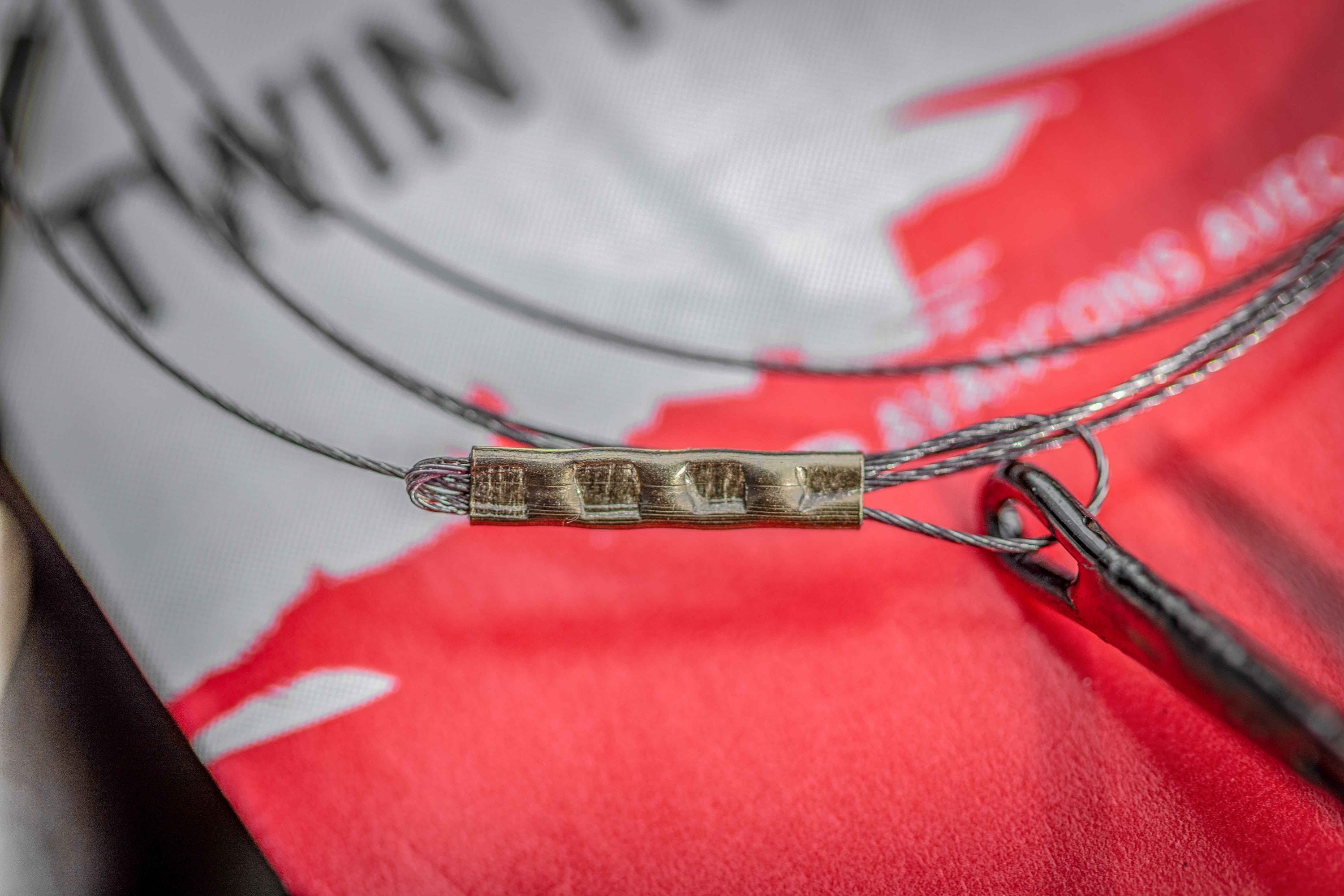
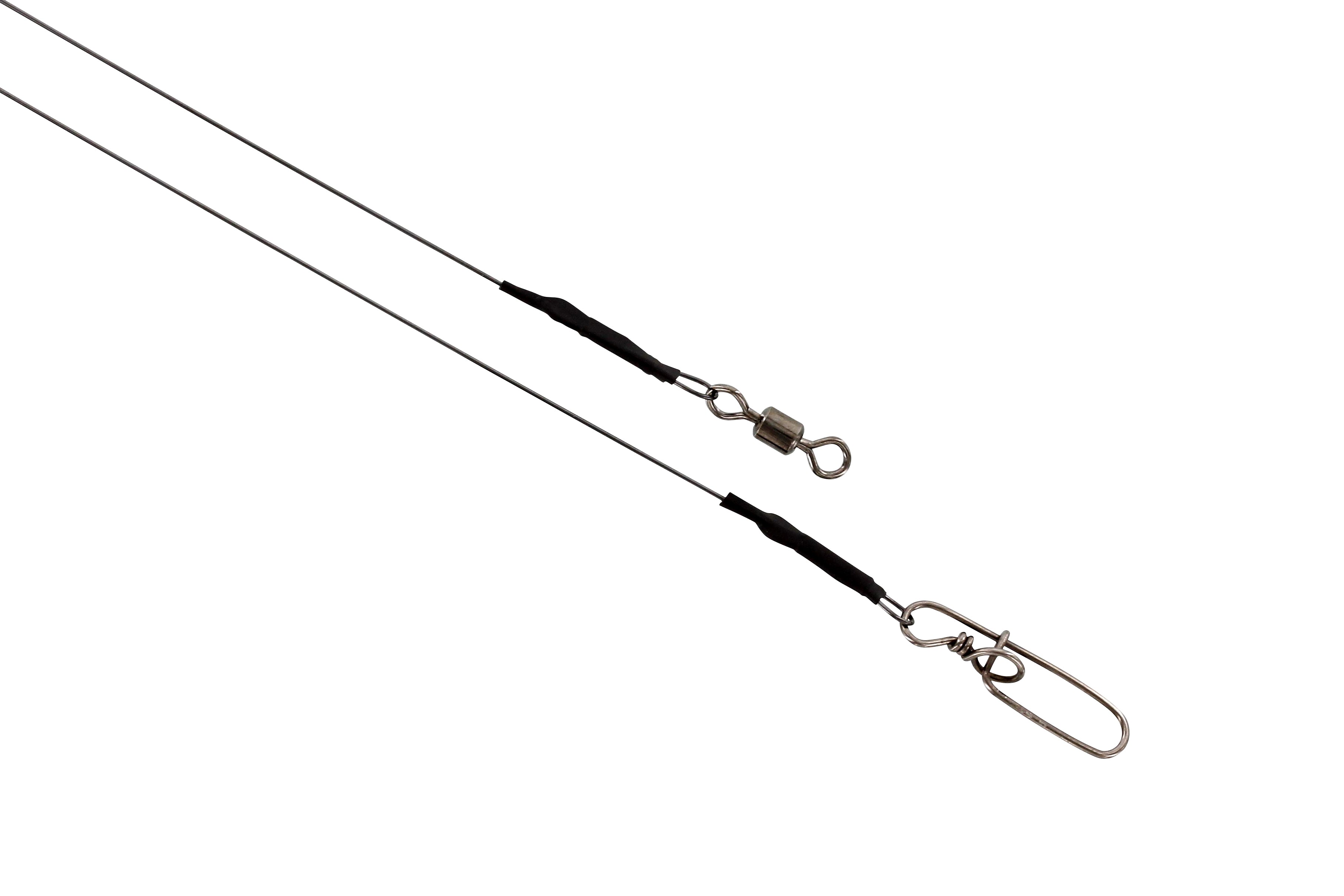
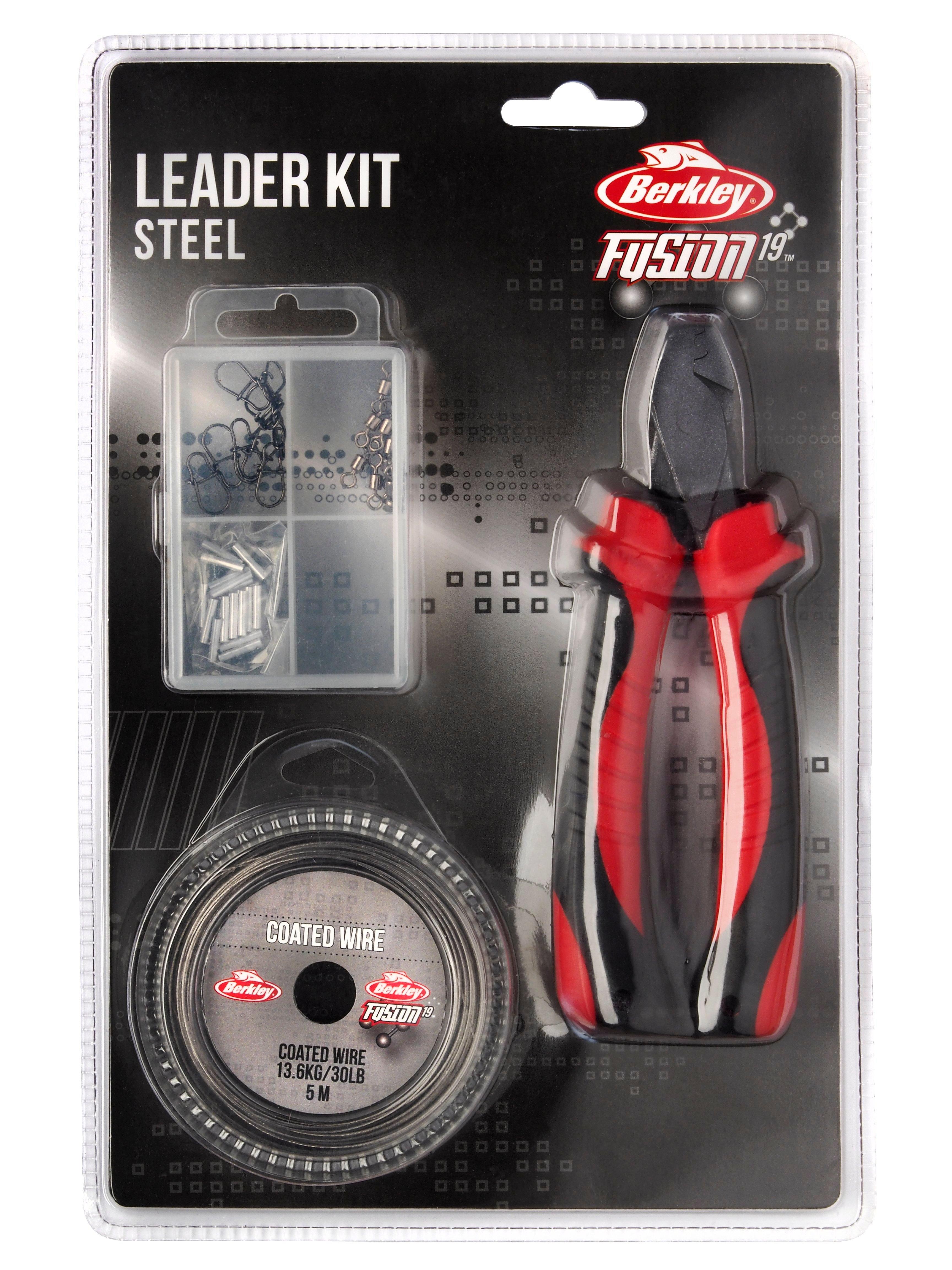
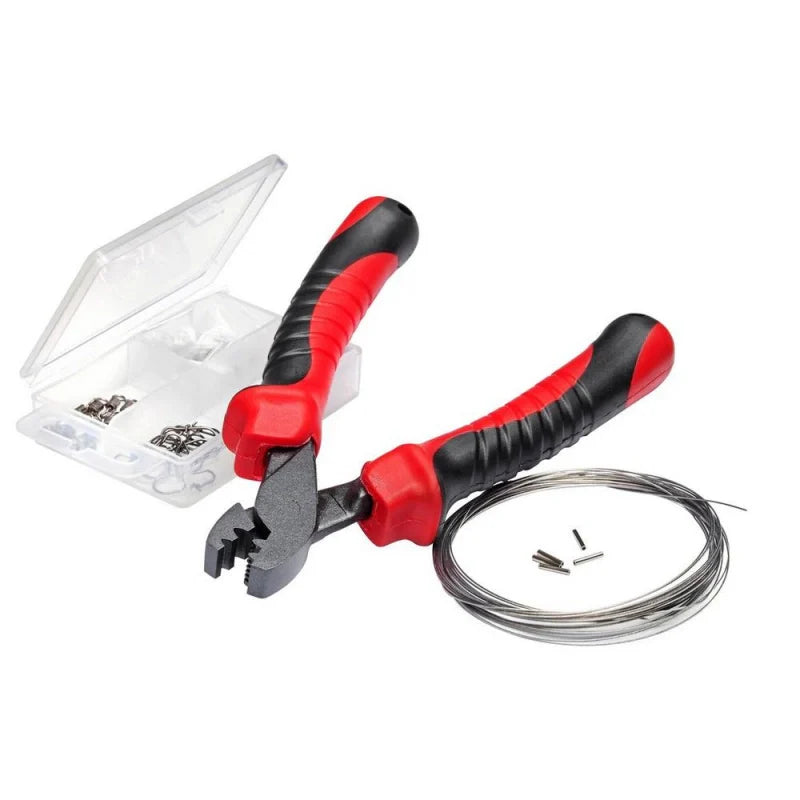
Breaking strain should balance the main line, hook and expected fish without creating an unnecessarily rigid presentation. Consider knot strength rather than the unknotted figure alone. Where crimps are required, match the sleeve and tool to the leader diameter and construction; unsuitable crimping can produce a hidden weak point.
Length depends on the threat being managed. A short lure leader can protect against teeth or abrasion near the bait, while surf and rock fishing may require a longer rubbing or casting section. Stiffness affects lure action and tangle resistance. Test the full rig in the intended water rather than assessing the leader in isolation.
For predator context, read the complete pike fishing guide for Ireland. Sea anglers can review the pollock fishing from shore guide for tackle and safety considerations around rough ground.
Inspect knots, crimps and coatings
Check leaders after every fish, snag or contact with rock, shell or teeth. Replace wire that is sharply kinked, coated material with exposed damage and monofilament or fluorocarbon that feels rough, flattened or cloudy. Inspect swivels, clips and rings at the same time.
Store pre-tied traces straight or in a suitable wallet, keep hooks covered and label material and breaking strain. Never rely on an unidentified old leader. Dispose of line and wire securely, and follow fishery rules on trace material, hook arrangement and minimum tackle strength.