Fishing snaps and swivels for reliable connections
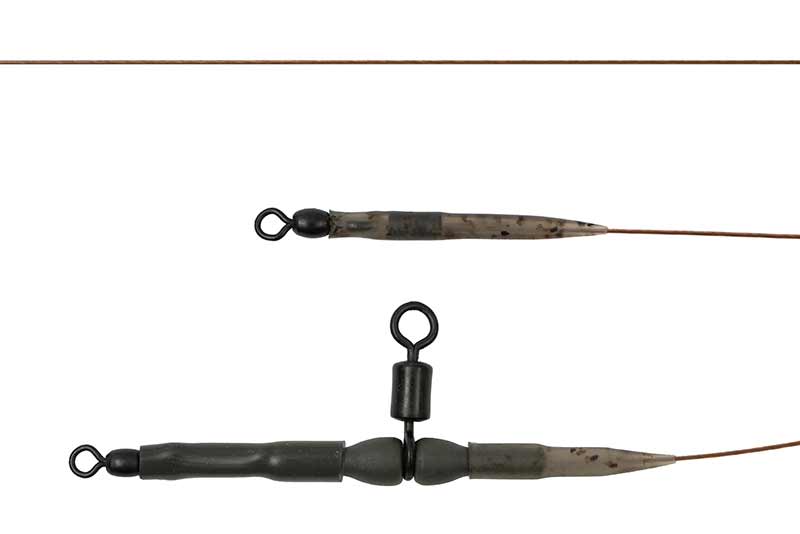
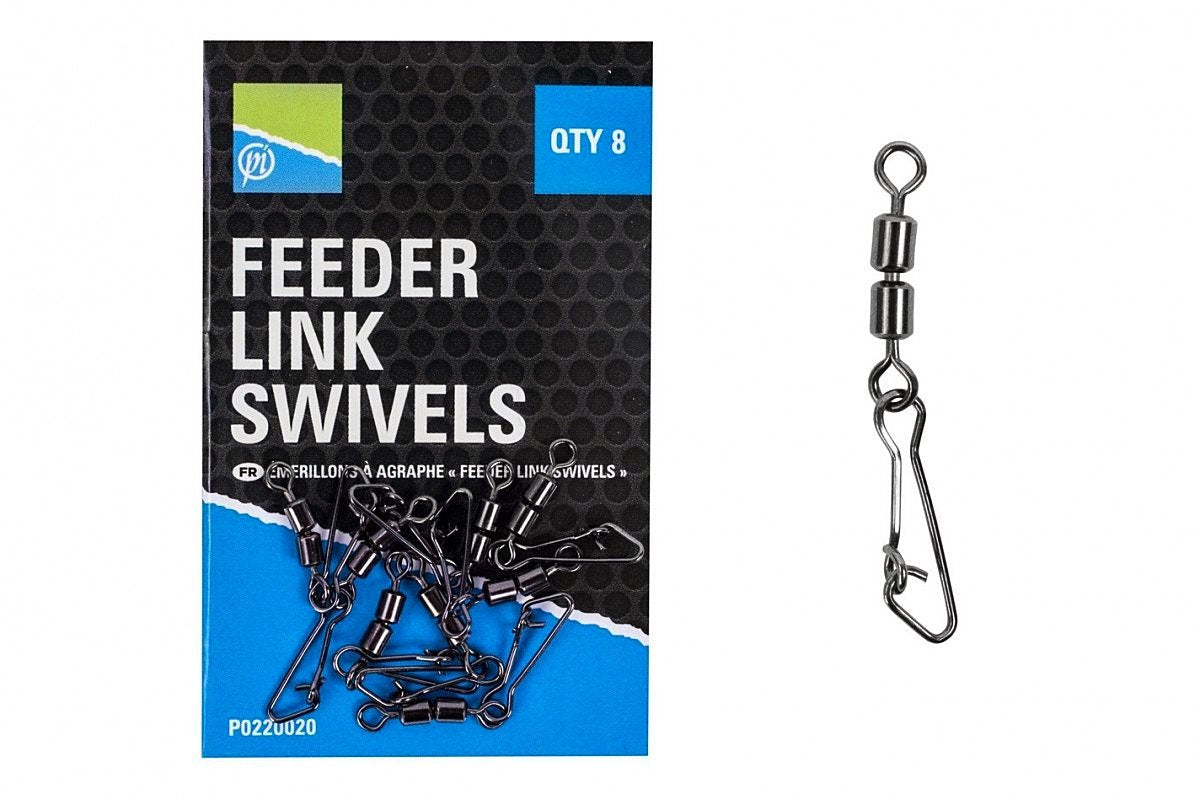
Snaps provide a removable connection for lures, leads, feeders or traces, while swivels allow parts of a rig to rotate and help manage twist. Combination snap swivels perform both jobs in one component. The correct choice depends on the method, load, line diameter and how freely the attached item needs to move.
Common swivel formats include barrel, rolling, crane and ball-bearing designs. They differ in construction, rotation under load, length and price. Snap shapes also vary: some prioritise quick lure changes, while others favour compactness or resistance to opening. Always follow the stated breaking strain and intended application rather than judging strength by size alone.
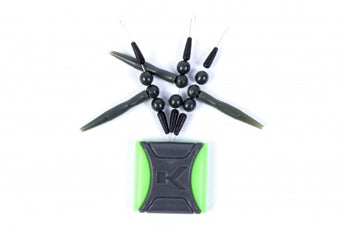
Browse the parent terminal tackle range, compare rings and crimps for permanent or semi-permanent connections, review stops and bands for bait and rig positioning, or pair suitable connectors with leaders and traces.
Choose size, strength and movement
Use the smallest snap or swivel that safely exceeds the realistic load of the rig. Oversized hardware can restrict lure action, add unwanted weight or collect weed; undersized components can deform, cut line or fail. Match the eye diameter to knots, split rings and leader material so every part seats naturally without sharp contact.
For rotating lures or baits, check that the swivel turns smoothly under the expected tension. A swivel cannot remove twist if it is jammed by debris or compressed against other components. For direct lure attachment, confirm that the snap shape gives the lure enough freedom and does not catch on the body during casting or retrieval.
Freshwater and saltwater use place different demands on the finish, but corrosion resistance does not eliminate maintenance. Rinse suitable tackle after sea fishing, dry it fully and inspect the wire, barrel, eye and closure. Replace any connector with rust, distortion, a loose gate or a rough edge.
Tie, test and maintain every connection
Use a knot compatible with the line material and swivel eye, tighten it carefully and trim the tag end without damaging the main knot. Close snaps completely and test the finished connection with steady pressure before casting. Do not exceed the weakest stated component in the overall rig.
Store different sizes and strengths in labelled compartments. Avoid repeatedly opening a snap beyond its normal travel, and never straighten a badly distorted component for reuse. Retrieve broken line and terminal tackle where safe, and follow fishery rules on clips, swivels and rig construction.